
For many, the allure of exploring beyond familiar borders beckons, and the question of proximity often dictates the feasibility and appeal of a potential journey. When considering a trip from the bustling metropolis of New York to the vast expanse of Canada, the answer isn’t a single, simple distance. Instead, it’s a spectrum, influenced by the specific destinations within both nations and the chosen mode of transport. This exploration delves into the geographical realities, outlining the varying distances and travel times, and touching upon the diverse experiences that await travellers venturing from the American Northeast to their northern neighbours.

Defining the Proximity: A Tale of Two Borders
The concept of “how far” is intrinsically linked to the point of origin and the point of destination. New York, a state rather than just a city, shares a significant border with Canada. This proximity offers a range of travel possibilities, from a brief interlude to a more immersive exploration.
The Closest Canadian Frontiers to New York City
For travellers based in New York City, the closest significant Canadian entry point is the province of Ontario. The most direct and popular gateway is through the region surrounding Niagara Falls.
Niagara Falls: A Natural Wonder on the Doorstep
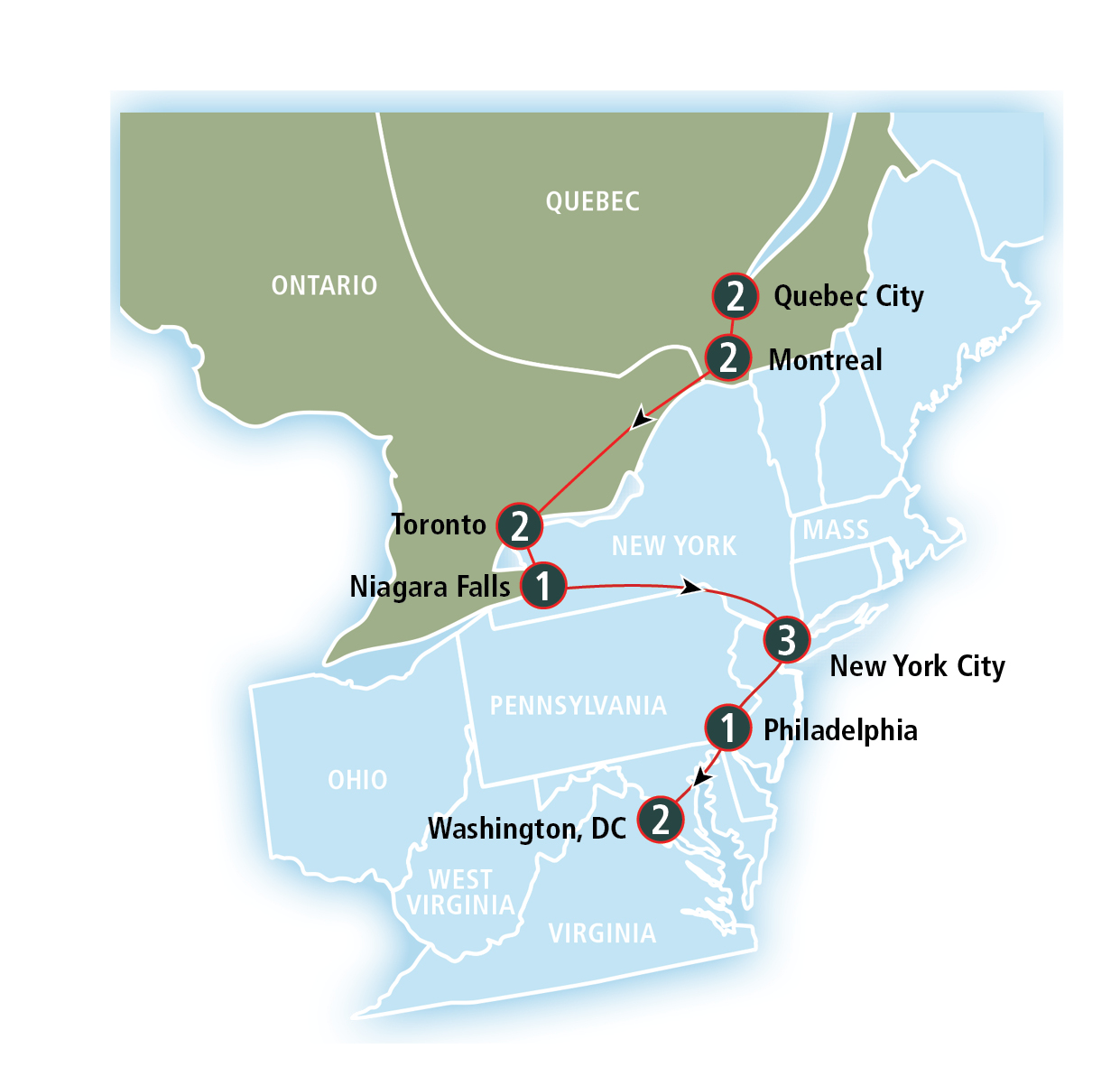
The iconic Niagara Falls straddles the border between the United States and Canada. The distance from New York City to the Canadian side of Niagara Falls is approximately 400 miles (about 640 kilometers). Driving this route typically takes between 6 to 8 hours, depending on traffic conditions and the specific starting point within the vastness of New York state. This makes it an accessible destination for a long weekend or a comfortable day trip for those with ample time and a desire for a scenic drive. The journey can be broken up with stops in charming towns and cities along the way, such as the Finger Lakes region of New York or the historic city of Toronto.
Toronto: A Vibrant Metropolis Within Reach
Toronto, Canada’s largest city, is a prime destination for many visitors from New York. Located on the northwestern shore of Lake Ontario, Toronto is roughly 560 miles (approximately 900 kilometers) from New York City. The drive typically takes between 8 to 10 hours. This journey often involves crossing the border at one of the crossings near Buffalo or Niagara Falls. While a long drive, it’s a common route for those seeking a city break with diverse cultural offerings, world-class dining, and a vibrant arts scene. Flights are also a popular option, with numerous daily services connecting New York airports to Toronto Pearson International Airport, significantly reducing travel time to just over an hour.
Extending the Journey: Montreal and Beyond
While Ontario offers the closest major urban centers, the journey further east into Canada opens up a wealth of other distinct experiences.
Montreal: A Taste of European Charm
The vibrant city of Montreal, in the province of Quebec, offers a distinctly different cultural flavour. It is located approximately 480 miles (around 770 kilometers) northeast of New York City. Driving to Montreal usually takes between 7 to 9 hours. This route often passes through the scenic Adirondack Mountains of New York and then into the rolling landscapes of Quebec. Montreal is renowned for its fusion of French and English influences, its lively arts scene, and its delectable culinary offerings, making the journey well worthwhile for those seeking a unique urban adventure. Direct flights are also available, making this a popular and convenient option.
The Eastern Townships and Quebec City: Exploring a Rich Heritage
Venturing further east from Montreal leads to the picturesque Eastern Townships of Quebec, known for their charming villages, wineries, and apple orchards. The historic capital, Quebec City, with its fortified old town and European ambiance, is another significant destination. From New York City, Quebec City is approximately 630 miles (around 1015 kilometers) away. The driving time can be around 10 to 12 hours, often necessitating an overnight stop. These regions offer a more relaxed pace and a deep dive into Canada’s rich history and francophone culture.
Modes of Transportation: Choosing Your Path North
The distance between New York and Canada can be traversed by several modes of transport, each offering a different travel experience and influencing the perceived “far.”
Driving: The Scenic Route to Adventure
For many, driving offers the ultimate flexibility and the opportunity to discover the nuances of the journey. The road network connecting New York and Canada is well-developed, primarily utilizing major highways like the I-87 North towards Montreal or the I-90 West towards Buffalo and then onward to Ontario.
Key Driving Considerations
When planning a road trip, it’s crucial to factor in border crossing times, which can vary significantly depending on the port of entry and the time of day. U.S. and Canadian citizens generally do not require visas, but valid passports or enhanced driver’s licenses are mandatory for re-entry into the United States. The cost of fuel, potential overnight stays for longer drives, and the vehicle’s condition are also essential considerations for a smooth and enjoyable journey. For those exploring further afield, such as to the Canadian Maritimes, the distances become considerably longer, often requiring multiple days of driving.
Flying: Speed and Convenience
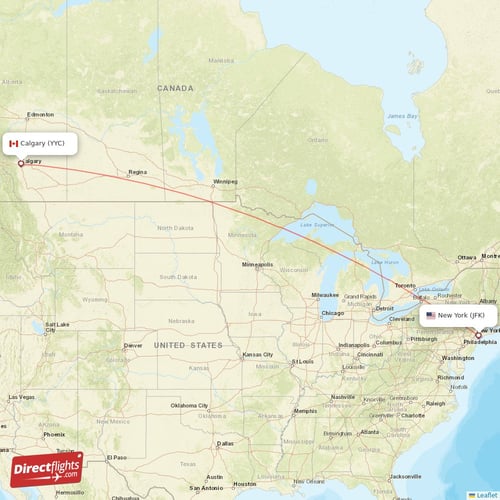
For travellers prioritizing time, flying offers a swift and efficient way to reach Canada from New York. Major airports in the New York metropolitan area, including John F. Kennedy International Airport (JFK), LaGuardia Airport (LGA), and Newark Liberty International Airport (EWR), provide numerous direct flights to major Canadian cities such as Toronto, Montreal, and Vancouver.
Popular Flight Routes and Times
The flight duration from New York to Toronto is approximately 1.5 hours. To Montreal, it’s about 1 hour and 15 minutes. Flights to cities further west, like Vancouver, involve significantly longer travel times of around 5-6 hours. While offering speed, flying necessitates factoring in travel time to and from airports, security checks, and potential delays, which can add to the overall travel duration.
Train and Bus: Budget-Friendly Alternatives
For those seeking a more economical or leisurely travel experience, train and bus services offer viable alternatives.
Rail and Coach Travel Options
Amtrak operates train services from New York to cities like Toronto and Montreal. The train journey to Toronto is a scenic, albeit longer, option, taking approximately 12-13 hours. The route to Montreal is also available via train, with a travel time of around 11 hours. Bus services, operated by companies like Greyhound, also connect New York to various Canadian destinations, often offering more frequent departures and competitive pricing. These modes of transport, while slower, allow passengers to relax, enjoy the scenery, and avoid the stresses of driving or airport procedures.
Beyond the Distance: What Awaits Travellers
The perceived “far” is also a matter of what one seeks to experience. The distances outlined above are merely the physical measurements; the true measure lies in the richness of experiences available. From the natural splendors of Niagara Falls to the urban dynamism of Toronto and the European charm of Montreal, Canada offers a diverse array of attractions within a surprisingly accessible range from New York.
Experiencing the Border Regions
The proximity of Niagara Falls on both sides of the border presents a unique travel opportunity. Visitors can explore the powerful cascades from both the American and Canadian viewpoints, each offering a distinct perspective. The Canadian side is often lauded for its panoramic views and vibrant tourist infrastructure, while the American side offers a more rugged and natural encounter. Beyond the falls, the surrounding regions offer charming towns, wineries, and natural parks, all within a short drive of the border crossing.
Cultural Tapestry of Canadian Cities
The major Canadian cities accessible from New York are cultural hubs offering a wealth of activities. Toronto boasts iconic landmarks like the CN Tower, a thriving theatre district, and a diverse culinary scene reflecting its multicultural population. Montreal captivates with its historic Old Town, a UNESCO World Heritage site, its vibrant festival scene, and its unique blend of North American energy and European flair. Further east, Quebec City transports visitors back in time with its cobblestone streets, ancient fortifications, and the majestic Fairmont Le Château Frontenac.
The Allure of the Canadian Landscape
While the major cities are easily accessible, venturing further into Canada reveals its breathtaking natural beauty. The Thousand Islands region, located along the St. Lawrence River, offers picturesque boat tours and charming riverside communities. For those seeking more adventurous pursuits, the vast wilderness of the Canadian Shield or the Rocky Mountains, while considerably further, represent the ultimate in natural exploration, accessible via longer drives or domestic flights within Canada.
Ultimately, the question of “how far is Canada from New York?” is less about a singular mileage and more about the accessible gateway to a world of diverse experiences. Whether by car, plane, train, or bus, the journey north promises a rewarding exploration of different cultures, landscapes, and urban adventures, all within a remarkably achievable distance.
LifeOutOfTheBox is a participant in the Amazon Services LLC Associates Program, an affiliate advertising program designed to provide a means for sites to earn advertising fees by advertising and linking to Amazon.com. Amazon, the Amazon logo, AmazonSupply, and the AmazonSupply logo are trademarks of Amazon.com, Inc. or its affiliates. As an Amazon Associate we earn affiliate commissions from qualifying purchases.