
The journey between Chicago, Illinois, and Cleveland, Ohio, connects two dynamic Midwestern cities, each offering its own unique blend of history, culture, and innovation. Whether you’re planning a business trip, a family vacation, or a leisurely road trip, understanding the distance, travel options, and potential stops along the way is crucial for a smooth and enjoyable experience. This comprehensive guide delves into everything you need to know about traversing the miles between the Windy City and the Rock & Roll Capital, ensuring your travel plans are as informed and efficient as possible.
The Journey at a Glance: Distance and Time
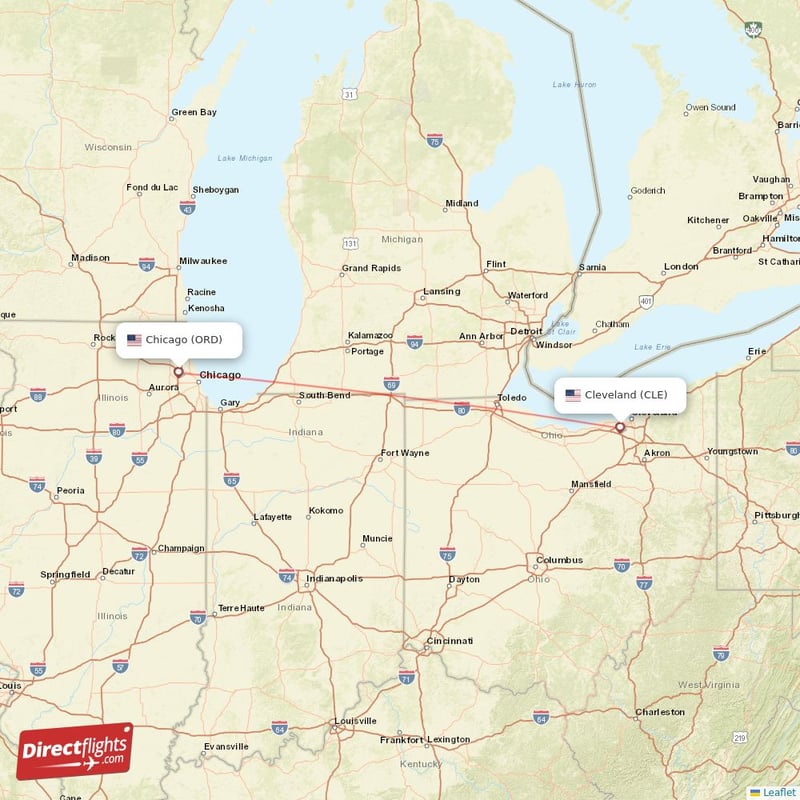
The geographical expanse separating Chicago and Cleveland is significant, yet easily navigable with proper planning. The exact distance can vary slightly depending on the specific route taken, but generally, it hovers around 350 miles (approximately 560 kilometers). This stretch predominantly covers flat to gently rolling terrain, making for a relatively straightforward journey across the heartland.
Measuring the Miles
When mapping out the drive, most GPS systems will direct travelers along major interstates, primarily Interstate 80 and Interstate 90 (often referred to jointly as the Ohio and Indiana Turnpikes). These toll roads are renowned for their well-maintained surfaces and efficient traffic flow, though tolls can add a small cost to your trip. From downtown Chicago to downtown Cleveland, the most direct route typically involves heading southeast through Indiana before veering east into Ohio. While 350 miles may seem substantial, the modern highway infrastructure makes this distance manageable, transforming what could be a multi-day expedition into a single day’s journey.
Estimating Travel Time
For travelers embarking on this route by car, the average driving time ranges from 5.5 to 7 hours. This estimation accounts for typical highway speeds, brief stops for fuel or restrooms, and assumes favorable traffic conditions. However, several factors can influence the actual travel time. Peak travel seasons, such as summer holidays or long weekends, can introduce heavier traffic, particularly around urban centers like Gary or Toledo. Construction zones, which are common on major interstates, can also cause delays. Furthermore, weather conditions, especially during winter months, can significantly impact driving speeds and road safety. Factoring in at least an additional hour for contingencies is a wise approach, transforming the drive from a rushed sprint into a more relaxed and enjoyable experience. Travelers prioritizing speed should also consider avoiding rush hour in both metropolitan areas, particularly when departing Chicago or arriving in Cleveland.
Exploring Your Travel Options
The decision of how to travel between Chicago and Cleveland depends heavily on individual priorities, whether they be cost, speed, comfort, or the desire for scenic exploration. Each mode of transportation offers a distinct experience, catering to different travel styles and budgets.
Driving: The Scenic Route and Flexibility
Driving remains the most popular choice for many travelers undertaking this journey, primarily due to the unparalleled flexibility it offers. With your own vehicle, you control your schedule, choose your departure and arrival times, and have the freedom to make spontaneous stops. The direct route along Interstate 80/Interstate 90 is generally straightforward, making for an easy drive. For those who appreciate the journey as much as the destination, driving allows for exploration of charming small towns, state parks, and roadside attractions that might otherwise be missed. However, it’s essential to factor in fuel costs, potential tolls (especially on the Indiana and Ohio Turnpikes), and the need for a designated driver. Car rental options are readily available in both cities for those without a personal vehicle, offering a similar level of autonomy.
Flying: Speed and Convenience
For travelers prioritizing speed above all else, flying is undoubtedly the quickest option. Non-stop flights between Chicago and Cleveland typically last around 1 hour and 15 minutes to 1 hour and 30 minutes. Chicago is served by two major airports: O’Hare International Airport (ORD) and Midway International Airport (MDW), both offering numerous daily flights to Cleveland Hopkins International Airport (CLE). Airlines such as United Airlines, Southwest Airlines, American Airlines, and Delta Air Lines operate this route. While the flight itself is brief, the total travel time can extend to 3-5 hours when accounting for airport check-ins, security procedures, boarding, and travel to and from the airports. Despite the potentially higher cost compared to driving or bus travel, flying remains a popular choice for business travelers or those with limited time.
Train Travel: A Relaxed and Scenic Pace
Amtrak offers train services connecting Chicago and Cleveland, providing a unique and often more relaxed travel experience. The Capitol Limited and Lake Shore Limited routes both pass through Cleveland from Chicago. Train journeys typically take longer than driving, usually ranging from 6.5 to 8 hours, depending on the specific train and any unforeseen delays. However, this extended travel time is often compensated by the comfort of spacious seating, the ability to walk around, and access to dining cars. Travelers can enjoy the passing scenery without the stress of driving, making it an excellent option for those who prefer a slower pace and wish to avoid the hassle of airport security or traffic. It’s also often a more environmentally friendly option compared to flying.
Bus Travel: The Budget-Friendly Choice
For budget-conscious travelers, bus services offer the most economical way to get from Chicago to Cleveland. Companies like Greyhound and Megabus operate multiple daily routes between the two cities. The journey duration is comparable to or slightly longer than train travel, typically ranging from 7 to 9 hours, including scheduled stops. While bus travel may not offer the same level of comfort or speed as flying or driving, it provides a cost-effective solution, especially when booked in advance. Many modern buses are equipped with amenities such as Wi-Fi and power outlets, allowing passengers to work or be entertained during the trip. It’s an excellent choice for solo travelers, students, or anyone looking to minimize travel expenses.
Making the Most of Your Trip: What to See Along the Way
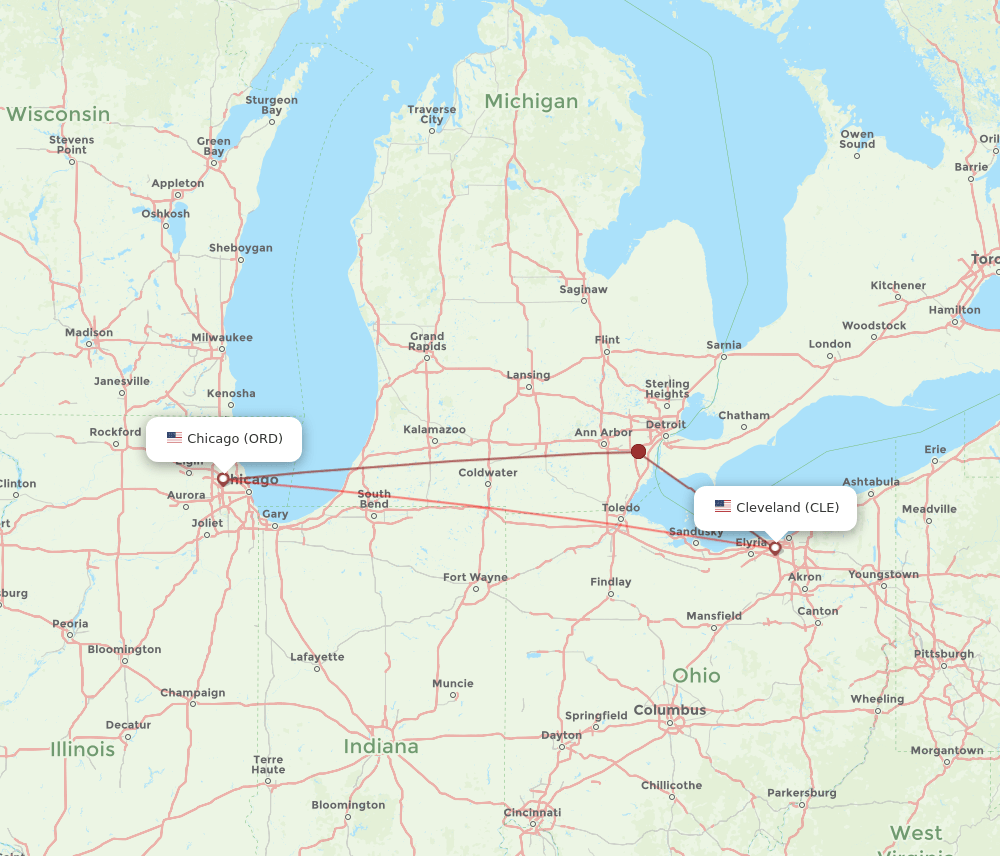
The drive between Chicago and Cleveland isn’t just a means to an end; it’s an opportunity to discover interesting attractions and natural beauty. Breaking up the journey with a stop can enhance your travel experience and provide a refreshing break from driving.
Stopping Points and Attractions in Indiana
As you leave Illinois and enter Indiana, several noteworthy stops present themselves. One of the most prominent is the Indiana Dunes National Park, located along the southern shore of Lake Michigan near Michigan City. This park offers stunning natural landscapes, including towering sand dunes, diverse wetlands, and pristine beaches, perfect for a short hike or a scenic overlook. It’s an ideal spot to stretch your legs and connect with nature. Further east, South Bend is home to the prestigious University of Notre Dame. A brief detour to walk through its beautiful campus, visit the iconic Golden Dome, or explore the Basilica of the Sacred Heart, can be a rewarding cultural experience. These stops add a touch of adventure and allow travelers to experience more of the Midwest’s charm beyond the highway.
Ohio’s Lakeside Charm and Beyond
Upon entering Ohio, the landscape gradually shifts, and the journey begins to hug the southern shore of Lake Erie. A popular and highly recommended stop, especially for families or thrill-seekers, is Cedar Point amusement park in Sandusky. Known as “America’s Roller Coast,” it boasts world-class roller coasters and attractions, offering an exhilarating break from driving. While a full day is recommended to experience Cedar Point, even a few hours can provide a fun diversion. For those interested in history and sports, the Pro Football Hall of Fame in Canton (a slight detour south of the main route) is a must-see. It celebrates the legends of American football with interactive exhibits and memorabilia. These Ohio attractions offer diverse experiences that can enrich your road trip, transforming it from a simple commute into a memorable journey.
Destination Delights: Chicago & Cleveland
Whether you’re starting your adventure in Chicago or culminating it in Cleveland, both cities offer a rich tapestry of experiences that warrant exploration. Understanding what awaits you at either end of your journey can help shape your travel plans and maximize your enjoyment.
Discovering the Windy City: Chicago
Chicago is a world-class city renowned for its stunning architecture, vibrant arts scene, and diverse culinary landscape. From the moment you arrive, the energy is palpable. Spend time exploring the magnificent buildings on an architectural boat tour along the Chicago River, or gaze at the city from the Skydeck Chicago at Willis Tower (formerly Sears Tower). Cultural enthusiasts will revel in the offerings of the Art Institute of Chicago, the Field Museum, and the Shedd Aquarium, all conveniently located around Museum Campus. For a leisurely afternoon, stroll through Millennium Park, home to the iconic “Bean” sculpture (Cloud Gate). Foodies will find themselves in paradise, from deep-dish pizza to Michelin-starred dining. Chicago’s distinct neighborhoods, like Wicker Park or Lincoln Park, each offer unique boutiques, cafes, and nightlife, ensuring there’s always something new to discover.
Cleveland: The Rock & Roll Capital
As you reach Cleveland, you’ll find a city that has undergone a remarkable revitalization, blending its industrial heritage with modern cultural attractions. The undisputed crown jewel is the Rock & Roll Hall of Fame, an architectural marvel on the shores of Lake Erie that pays homage to music legends. Beyond the music, Cleveland boasts an impressive array of museums, including the Cleveland Museum of Art (renowned for its free admission) and the Great Lakes Science Center. Food lovers should explore the historic West Side Market, a vibrant indoor marketplace offering a dizzying array of local and international foods. The city also offers beautiful green spaces, such as the Cleveland Metroparks Zoo and the scenic trails of the Metroparks system. Cleveland’s culinary scene has also blossomed, with acclaimed restaurants in neighborhoods like Ohio City and Tremont, making it a surprisingly delightful destination for any traveler.
Planning Your Trip: Essential Tips
Effective planning is the cornerstone of any successful journey, especially when traveling a considerable distance. From choosing the optimal time to travel to packing wisely, a few key considerations can significantly enhance your experience between Chicago and Cleveland.
Best Time to Travel
The ideal time to undertake this journey largely depends on your preferences and the activities you plan to enjoy.
- Spring (April-May) and Fall (September-October): These seasons generally offer the most pleasant weather for driving, with moderate temperatures and often beautiful scenery as the landscape transitions. Fall foliage in Ohio can be particularly stunning. These shoulder seasons also tend to have fewer crowds at attractions compared to summer.
- Summer (June-August): While popular for vacations, summer brings warmer temperatures and a higher likelihood of traffic congestion, especially on weekends and holidays. However, it’s also when most outdoor attractions, festivals, and events are in full swing in both cities and along the route.
- Winter (November-March): Traveling during winter can be challenging due to cold temperatures, snow, and ice, particularly in the Great Lakes region. Driving conditions can be hazardous, and flights may face delays or cancellations. If you must travel in winter, ensure your vehicle is well-prepared, and stay updated on weather forecasts.
Accommodation Considerations
Whether you’re planning a stopover or staying in either Chicago or Cleveland for an extended period, booking accommodation in advance is highly recommended. Both cities offer a wide range of options, from luxury hotels and boutique inns to budget-friendly motels and vacation rentals. During peak seasons or major events, availability can be limited, and prices may surge. Consider the location relative to the attractions you wish to visit and your mode of transportation. For drivers, hotels with complimentary parking can be a significant advantage. For those relying on public transport, proximity to train or bus stations, or major transit lines, is key. Researching reviews and comparing prices on various booking platforms can help you find the best value and comfort for your stay.

Packing Essentials
Regardless of your chosen mode of transport, a thoughtful packing list can make a world of difference.
- For Drivers: Pack an emergency kit (jumper cables, first-aid kit, flashlight, roadside assistance contacts), snacks, water, and entertainment for passengers. Ensure your vehicle has had a recent maintenance check.
- For All Travelers:
- Comfortable Clothing: Layers are always a good idea, as temperatures can fluctuate, especially across several states.
- Walking Shoes: Both Chicago and Cleveland are cities best explored on foot.
- Portable Charger: Essential for keeping your phone and other devices powered up, especially during long journeys.
- Travel Documents: ID, tickets, booking confirmations, and any necessary health documents.
- Entertainment: Books, headphones, or downloaded movies/podcasts for downtime.
- Reusable Water Bottle: Stay hydrated and reduce plastic waste.
- Small Backpack/Daypack: Convenient for carrying essentials during day excursions.
By considering these practical tips, your journey from Chicago to Cleveland will be not just a transition between two points, but an integral and enjoyable part of your overall travel experience.
LifeOutOfTheBox is a participant in the Amazon Services LLC Associates Program, an affiliate advertising program designed to provide a means for sites to earn advertising fees by advertising and linking to Amazon.com. Amazon, the Amazon logo, AmazonSupply, and the AmazonSupply logo are trademarks of Amazon.com, Inc. or its affiliates. As an Amazon Associate we earn affiliate commissions from qualifying purchases.