
Embarking on a journey from the industrial heartland of Detroit, Michigan, to the pulsating metropolis of New York City, New York State, is a classic American travel experience. Whether you’re relocating, planning a vacation, or simply curious about the logistics of traversing the northeastern United States, understanding the distance and various travel options is paramount. This comprehensive guide will dissect the journey, offering insights into mileage, travel times, and the best modes of transportation to ensure a smooth and well-planned trip. The two cities, though distinct in their character and rhythm, are connected by a network of highways, railways, and air routes, each offering a unique perspective on the American landscape. Your choice of travel will largely depend on your priorities: speed, cost, comfort, or the desire for an adventurous road trip.

Unpacking the Distance: Miles, Kilometers, and Driving Time
The first step in any travel planning is to ascertain the precise distance between your origin and destination. The journey from Detroit to New York spans a significant stretch of the Midwest and East Coast, requiring careful consideration of geographical realities and practical travel routes.
The Straight-Line vs. Driving Distance
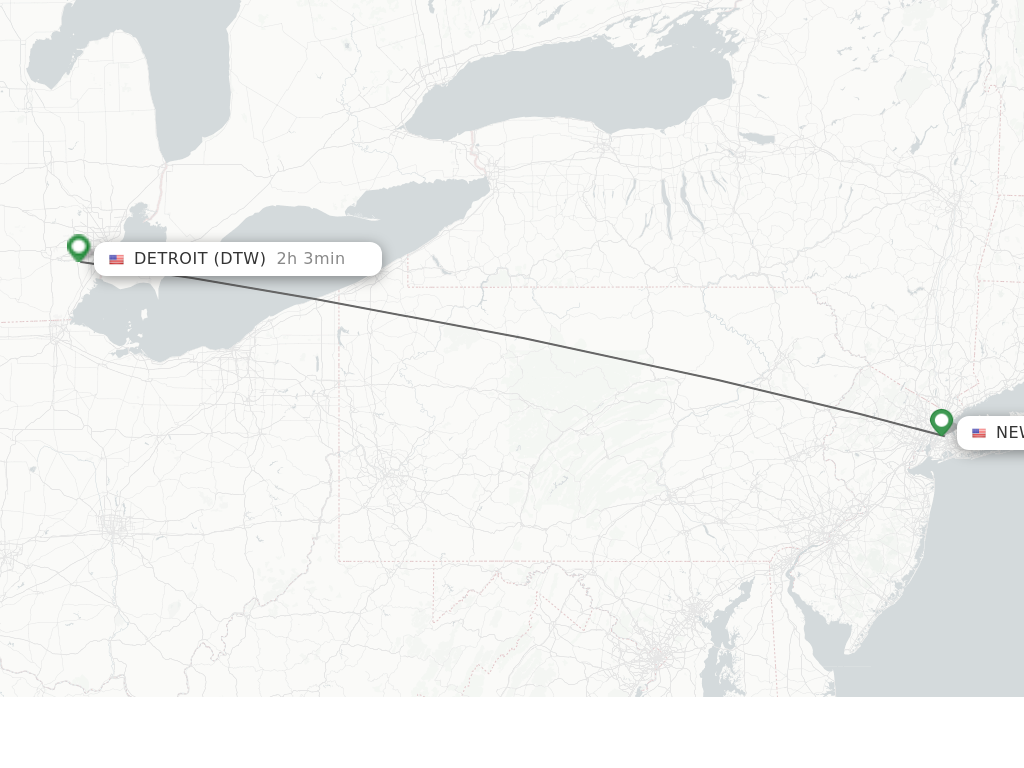
While the “as the crow flies” or straight-line distance between Detroit and New York is approximately 488 miles (785 kilometers), this figure is largely theoretical for ground travel. Roads rarely follow a perfectly straight path, and real-world routes involve navigating existing infrastructure, cityscapes, and natural barriers.
The practical driving distance, which takes into account major highways and common routes, typically ranges from 615 to 640 miles (990 to 1030 kilometers). This variation depends slightly on the specific starting point within Detroit and the exact destination within New York City, as well as the chosen route. A good average to plan for is around 620 miles (1,000 kilometers).
In terms of driving time, this distance generally translates to an estimated 9.5 to 11 hours of non-stop driving. However, non-stop driving is rarely practical or safe. Accounting for necessary breaks for fuel, meals, and rest, the actual travel time by car typically extends to 11 to 13 hours, and potentially more if encountering significant traffic or adverse weather conditions.
Factors Influencing Driving Time
Several variables can significantly impact the overall duration of your drive from Detroit to New York:
- Traffic Congestion: Both cities, and many urban centers along the route, are notorious for traffic. Driving through areas like Cleveland, Ohio, or Pittsburgh, Pennsylvania, during rush hour can add considerable time. Approaching New York City itself, especially via the George Washington Bridge or tunnels, can also lead to significant delays. Holiday weekends and peak travel seasons will exacerbate this.
- Road Conditions and Weather: The route traverses regions prone to various weather phenomena. Winter months can bring snow and ice, impacting road safety and speed. Summer can see heavy rain or construction zones, which also slow down travel. Always check weather forecasts and traffic reports before and during your journey.
- Number and Duration of Stops: Planning for regular breaks is crucial for driver safety and comfort. Fueling the vehicle, grabbing a meal, or simply stretching your legs will add to the overall travel time but are essential for a pleasant trip.
- Driver’s Speed and Route Choice: Adhering to speed limits is not only legal but also safer. Some drivers might opt for slightly longer routes to avoid tolls or particularly congested areas, which could alter the total time. Utilizing navigation apps like Google Maps or Waze can help identify the most efficient route in real-time, factoring in current traffic.
Navigating the Journey: Popular Travel Methods
While driving offers unparalleled flexibility, it’s just one of several ways to travel between these two major urban centers. Each mode of transportation comes with its own set of advantages and disadvantages, catering to different preferences and budgets.
Driving: The Most Flexible Option
For many, a road trip is the quintessential American experience. The drive from Detroit to New York offers a chance to see a diverse cross-section of the country.
- Pros:
- Flexibility: Depart and stop whenever and wherever you please.
- Cost-Effective for Groups: For multiple travelers, sharing fuel and toll costs can be cheaper than individual plane or train tickets.
- Luggage: No baggage restrictions beyond what fits in your vehicle.
- Scenic Stops: Opportunity to explore attractions or enjoy views along the way.
- Cons:
- Fatigue: A long drive demands significant stamina and concentration.
- Traffic and Tolls: Expect heavy traffic in urban areas and numerous tolls, particularly in Pennsylvania and New Jersey.
- Parking: Finding and paying for parking in New York City can be expensive and challenging.
- Key Routes: The most common route involves taking I-80 East and/or I-90 East, traversing Ohio and Pennsylvania, before heading into New Jersey and ultimately New York City. Alternative routes might include sections of I-76. Major cities along the way could include Toledo, Cleveland, Erie, Pittsburgh, and Philadelphia, depending on specific routing.
- Preparation Tips: Ensure your vehicle is in excellent condition. Plan your route in advance, noting potential rest stops and gas stations. Consider an E-ZPass or similar electronic toll collection system to save time at toll booths.
Flying: The Fastest Way
For those prioritizing speed, air travel is the undisputed champion. The flight time itself is remarkably short.
- Pros:
- Speed: Direct flights can be as short as 1 hour 45 minutes to 2 hours.
- Convenience: Avoids the stress of driving, traffic, and tolls.
- Cons:
- Total Travel Time: While airtime is short, consider time spent traveling to/from airports, security checks, boarding, and baggage claim. This can add 3-5 hours to the journey.
- Cost: Generally more expensive than driving, especially for solo travelers, and prices fluctuate widely.
- Baggage Restrictions: Airlines have strict limits on luggage size and weight, often with additional fees.
- Major Airports:
- Detroit: Detroit Metropolitan Wayne County Airport (DTW).
- New York: LaGuardia Airport (LGA), John F. Kennedy International Airport (JFK), and Newark Liberty International Airport (EWR) (in New Jersey, but serves New York City).
- Booking Tips: Book flights well in advance for the best fares. Use flight comparison websites to find deals across different airlines. Consider flying into Newark (EWR) as it often offers competitive prices and good public transport links to Manhattan.
Bus Travel: An Economical Choice
Bus services offer a budget-friendly alternative for intercity travel, particularly appealing to solo travelers or those with flexible schedules.

- Pros:
- Affordability: Often the cheapest option.
- No Driving Stress: Sit back, relax, and let someone else do the driving.
- City-Center Drop-offs: Buses typically arrive at central terminals, offering easy access to public transportation in New York City.
- Cons:
- Longer Travel Time: Journeys typically range from 12 to 15 hours, depending on the route and number of stops.
- Less Personal Space: Can be less comfortable for extended periods compared to a car or train.
- Limited Flexibility: Adherence to a fixed schedule.
- Key Operators: Major carriers like Greyhound and Megabus operate multiple daily services between Detroit and New York.
Train Travel: A Scenic Alternative
For a more relaxed and perhaps nostalgic travel experience, train journeys offer a unique perspective, though they are not always the fastest or cheapest.
- Pros:
- Comfort: More spacious seating, ability to walk around, and often dining car services.
- Relaxation: Enjoy the scenery without the stress of driving.
- Avoid Traffic: Trains aren’t subject to road traffic congestion.
- Cons:
- Slower than Flying: Total journey time typically ranges from 14 to 17 hours, often involving transfers.
- Often More Expensive than Bus: Can be comparable to budget flights, depending on how far in advance you book.
- Limited Direct Routes: Amtrak, the primary passenger rail operator, usually requires transfers, often in Chicago or another hub, which can significantly extend travel time.
- Operator: Amtrak is the main provider for this route.
Planning Your Trip: Essential Considerations
Regardless of your chosen mode of transport, a well-planned trip enhances the overall experience and minimizes potential stress.
Best Time to Travel
The season can profoundly impact your travel experience:
- Spring (April-May) and Fall (September-October): These shoulder seasons generally offer the most pleasant weather for driving, with fewer extreme temperatures and often vibrant foliage in the fall. Flight and accommodation prices can be moderate.
- Summer (June-August): Popular for family vacations, leading to higher prices for flights and hotels, and increased traffic congestion on roads. New York City can be hot and humid.
- Winter (November-March): While flights might be cheaper outside of holiday periods, driving can be treacherous due to snow and ice, especially across Ohio and Pennsylvania. New York City can be very cold, but also magical during the holidays.
Budgeting for Your Journey
A clear budget helps you choose the best travel method:
- Driving: Factor in fuel costs (significant for 600+ miles), tolls (which can add $30-$50 or more depending on the route), and potential parking fees in New York City.
- Flying: Consider ticket prices, baggage fees, and the cost of transport to/from airports.
- Bus/Train: Look for advance purchase discounts, especially for Amtrak.
- Accommodation and Food: Don’t forget to budget for any overnight stays if breaking up a long drive, and meals throughout your journey. New York City can be particularly expensive for dining and lodging.
Packing Smart
Pack according to the season and your mode of transport:
- Weather-Appropriate Clothing: Check the forecast for both Detroit and New York, as well as any intermediate stops. Layers are always a good idea.
- Comfort Essentials for Travel: For long drives, flights, or bus/train trips, consider a neck pillow, snacks, water, entertainment (books, music, downloaded movies), and charging cables for your devices.
- Identification and Documents: Always carry valid ID, travel tickets, and any reservation confirmations.
Exploring Your Destinations: Brief Overviews
While the focus here is on the journey, it’s worth a brief mention of the appeal of these two iconic cities. Each offers a unique cultural tapestry that makes the travel worthwhile.
Discovering Detroit
Detroit, often referred to as the “Motor City,” is a city of resilience, innovation, and rich cultural heritage. Visitors can immerse themselves in the birthplace of Motown music at the Motown Museum, explore the history of the American automobile industry at the Henry Ford Museum, or experience the city’s ongoing revitalization through its vibrant downtown, diverse culinary scene, and burgeoning arts districts. The city’s spirit of reinvention is palpable, offering a compelling narrative for any traveler.
Experiencing New York
New York City, the “Big Apple,” needs little introduction. It’s a global hub for finance, fashion, art, and entertainment. From the bright lights of Broadway to the serene paths of Central Park, the world-class collections of the Metropolitan Museum of Art to the historic significance of the Statue of Liberty and Ellis Island, New York offers an endless array of experiences. Its diverse neighborhoods, iconic landmarks, and unparalleled culinary landscape ensure that every visit is unique and memorable.
In conclusion, the journey from Detroit to New York is a substantial undertaking, but one that is easily manageable with proper planning. Whether you prefer the independence of a road trip, the efficiency of flying, the economy of a bus, or the comfort of a train, a suitable option exists for every traveler. By understanding the distances, travel times, and considerations outlined above, you can confidently embark on your adventure between these two dynamic American cities.
LifeOutOfTheBox is a participant in the Amazon Services LLC Associates Program, an affiliate advertising program designed to provide a means for sites to earn advertising fees by advertising and linking to Amazon.com. Amazon, the Amazon logo, AmazonSupply, and the AmazonSupply logo are trademarks of Amazon.com, Inc. or its affiliates. As an Amazon Associate we earn affiliate commissions from qualifying purchases.