
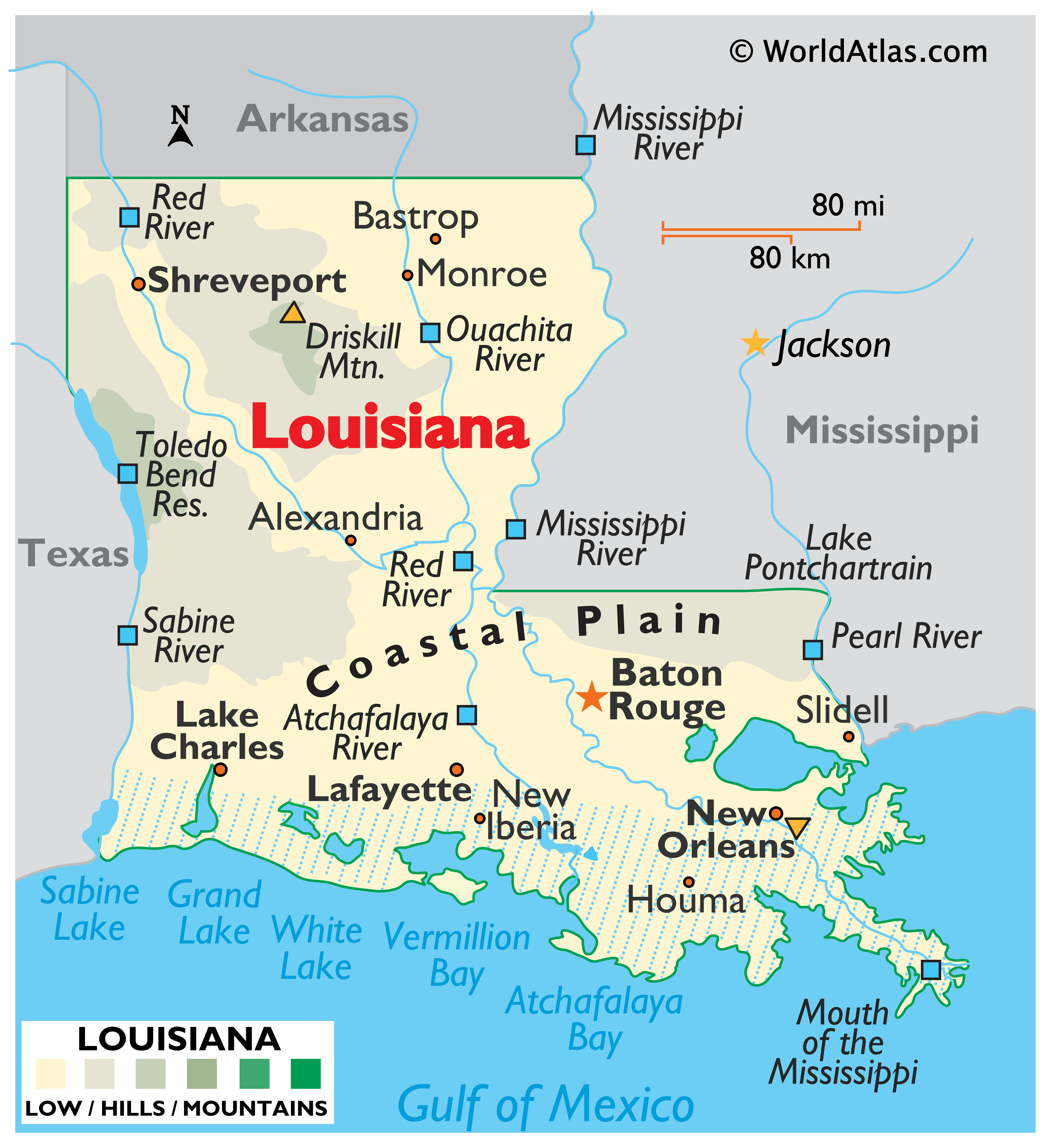
The question of distance between two vibrant Louisiana cities, Baton Rouge and New Orleans, is a common one for travelers planning their journey through the heart of the Pelican State. While seemingly close on a map, understanding the precise mileage, travel times, and the best ways to make this connection is crucial for a seamless travel experience. Whether you’re a curious tourist eager to explore the unique charm of the French Quarter, a business traveler looking to connect two important hubs, or a local embarking on a weekend getaway, knowing the specifics of the Baton Rouge to New Orleans route will enhance your tourism adventure. This guide delves into the distances, provides practical travel advice, and highlights the many attractions and experiences that await you on your trip.

The Direct Route: Understanding the Mileage and Travel Time
The most direct and commonly traveled route between Baton Rouge and New Orleans primarily utilizes Interstate 10 (I-10) East. This major highway acts as a vital artery connecting these two significant Louisiana cities, as well as traversing other key locations across the southern United States.
Driving Distance and Estimated Travel Time
The approximate driving distance between Baton Rouge and New Orleans via I-10 East is around 80 to 85 miles. This figure can vary slightly depending on your exact starting point in Baton Rouge and your final destination in New Orleans.
The estimated travel time for this journey is typically between 1 hour and 20 minutes to 1 hour and 45 minutes. However, this is a crucial point that requires further elaboration. This estimated time is contingent on several factors, the most significant being traffic conditions. I-10 is a heavily trafficked corridor, especially during peak commuting hours. Traveling during weekday mornings (roughly 6:30 AM to 9:00 AM) or afternoons (around 3:30 PM to 6:30 PM) can significantly increase your travel time. Delays of 30 minutes to an hour, or even more during major incidents, are not uncommon.
Therefore, for an efficient and enjoyable journey, it’s highly recommended to:
- Check Traffic Before You Go: Utilize real-time traffic applications like Google Maps, Waze, or local DOTD (Department of Transportation and Development) resources before you depart Baton Rouge. These tools can help you identify any congestion and suggest alternative routes if necessary, though I-10 East remains the most straightforward path.
- Consider Off-Peak Travel: If your schedule allows, traveling outside of traditional rush hour times will provide a much smoother and faster experience. Mid-morning, early afternoon, or late evening drives are often more predictable.
- Factor in Stops: While the direct drive is around 80 miles, you might want to make a stop. While there aren’t many major roadside attractions directly on the path, the freedom of having your own vehicle allows for spontaneous detours should something catch your eye. However, for the sake of staying within the estimated time, it’s best to keep stops minimal unless they are pre-planned.
Alternative Routes and Considerations
While I-10 East is the primary and most efficient route, there are occasional reasons to consider alternatives, especially if I-10 is experiencing significant delays due to accidents, construction, or major events.
- US-61 North (Scenic Route): A less direct but often more picturesque alternative is to take US-61 North (also known as the Jefferson Highway or the Old River Road) for a portion of the journey. This route winds through charming small towns and offers glimpses of historic plantation homes. However, this route is significantly slower due to lower speed limits, more local traffic, and the nature of passing through populated areas. It is generally not recommended if your priority is speed and reaching New Orleans quickly. If you have ample time and wish to experience a more local feel, it can be a rewarding, albeit longer, option.
- Louisiana River Road: For those with a true appreciation for the history and landscape of the Mississippi River delta, sections of the Louisiana River Road can be incorporated. This network of roads parallels the river and provides stunning views of sugarcane fields and historic estates. Again, this is a slower, more immersive experience rather than a direct transit option.
It’s important to note that while these alternative routes offer a different perspective, they will substantially increase the travel time compared to the direct I-10 East route. For most travelers, sticking to I-10 is the most practical approach.
Transportation Options: Beyond Your Own Vehicle
While driving your own car is the most common and flexible way to travel between Baton Rouge and New Orleans, several other transportation options cater to different lifestyle preferences and budgets. Understanding these alternatives can be particularly useful for those who prefer not to drive, are looking for a more economical option, or are interested in a more relaxed travel experience.
Bus Services: A Budget-Friendly Choice
For budget-conscious travelers, bus services offer a reliable and economical way to get from Baton Rouge to New Orleans. Companies like Greyhound and Megabus frequently operate routes between the two cities.
- Greyhound: Greyhound buses typically depart from the Baton Rouge Bus Station and arrive at the New Orleans Bus Station. The journey time usually ranges from 1.5 to 2.5 hours, depending on the number of stops and traffic. Booking tickets in advance, especially during peak seasons or holidays, is recommended to secure the best prices and ensure availability.
- Megabus: Megabus often offers competitive pricing and a more modern bus experience. They might have different pick-up and drop-off points, so it’s important to check their specific locations for Baton Rouge and New Orleans when booking. Travel times with Megabus are generally comparable to Greyhound.
The main advantage of bus travel is its affordability. It also allows passengers to relax, read, or even nap during the journey, without the stress of navigating traffic or finding parking in New Orleans. However, the trade-off is less flexibility in terms of departure times and the ability to make spontaneous stops.
Train Travel: A Scenic and Comfortable Alternative
While not as frequent as bus services, train travel can be a pleasant and scenic option for traveling between Baton Rouge and New Orleans. Amtrak operates the Sunset Limited and Texas Eagle routes, which pass through both cities.
- Amtrak: The Baton Rouge Amtrak Station (located in Port Allen, across the river) and the New Orleans Union Passenger Terminal are the key stations. The train journey itself can be more leisurely than driving, offering comfortable seating and the opportunity to enjoy the changing Louisiana landscape. However, it’s important to note that the train schedule might not always align perfectly with every traveler’s needs, and direct services might be limited, sometimes requiring a bus transfer or a longer layover. The travel time can be longer than driving, often around 2 to 3 hours, due to the nature of rail travel.
Train travel can be a good choice for those who appreciate a more relaxed pace and enjoy the experience of traveling by rail. It eliminates the need to worry about traffic or parking and can be a more comfortable option for longer journeys.
Ride-Sharing Services: Flexibility on Demand
For a more personalized and on-demand option, ride-sharing services like Uber and Lyft are readily available in both Baton Rouge and New Orleans.
- Uber/Lyft: You can book an Uber or Lyft directly from your location in Baton Rouge to your destination in New Orleans. This option offers the ultimate flexibility in terms of pick-up and drop-off points and departure times. The cost, however, will generally be higher than bus or train travel, especially for longer distances. Travel time will be similar to driving your own vehicle, subject to traffic conditions. This is a convenient choice for individuals or small groups who value door-to-door service and are willing to pay a premium for that convenience.
When choosing your transportation, consider your budget, desired level of flexibility, and overall travel preferences to make the best decision for your trip from Baton Rouge to New Orleans.
Experiencing the Journey: What to See and Do Along the Way and Upon Arrival
The journey from Baton Rouge to New Orleans, while relatively short, offers more than just a transit between two points. It’s an opportunity to experience the unique culture and landscapes of Louisiana. And upon arrival, the vibrant energy of New Orleans awaits with its world-renowned attractions, culinary delights, and rich history.
Brief Stops and Scenic Views (If Time Permits)
While the most direct route via I-10 East bypasses many significant points of interest, a slightly more leisurely pace or a conscious detour can reveal some of Louisiana’s charm.
- Plantation Country: As you head east on I-10, you are skirting the edge of the historic Plantation Country along the Mississippi River. While not directly accessible from the interstate without significant detours, the area is dotted with grand antebellum homes that tell the story of Louisiana’s past. If you have extra time, considering a detour via US-61 to visit a well-preserved plantation like Oak Alley Plantation or Laura Plantation can be a deeply enriching historical and cultural experience. These sites offer guided tours, showcasing magnificent architecture and providing insights into the region’s complex history.
- Baton Rouge Landmarks: Before you even depart Baton Rouge, ensure you’ve explored some of its own iconic landmarks. The impressive Louisiana State Capitol building, a towering testament to state governance, and the historic Old State Capitol, with its unique architecture and engaging museum, are worth dedicating time to. These sites offer a fascinating glimpse into Louisiana’s political and architectural heritage.
Arriving in New Orleans: A World of Attractions
Once you arrive in New Orleans, you are stepping into a city unlike any other in the United States. Known for its distinctive musical heritage, vibrant street life, and unique culinary scene, New Orleans offers an endless array of experiences.
Culinary Delights: A Taste of Louisiana
New Orleans is a global culinary capital, and its food scene is a major draw for visitors. From casual street food to fine dining, there’s something to satisfy every palate.
- Creole and Cajun Cuisine: You cannot visit New Orleans without indulging in its signature dishes. Be sure to try gumbo, a rich and flavorful stew; jambalaya, a hearty rice dish; crawfish étouffée, a spicy and savory crustacean dish; and the iconic beignets, fluffy fried dough dusted with powdered sugar, often enjoyed at Café Du Monde or Cafe Beignet.
- Diverse Dining Options: Beyond traditional Louisiana fare, New Orleans boasts a diverse dining scene. You can find everything from fresh seafood to Italian, Vietnamese, and French restaurants. Exploring the various neighborhoods like the French Quarter, Garden District, and Uptown will reveal hidden culinary gems.

Iconic Landmarks and Cultural Experiences
New Orleans is brimming with historical landmarks and cultural experiences that draw millions of visitors each year.
- French Quarter: The historic heart of the city, the French Quarter, is a must-visit. Wander through its charming streets lined with iron-lace balconies, browse the unique shops, and soak in the lively atmosphere. Bourbon Street is famous for its nightlife, while Royal Street offers art galleries and antique shops.
- Jackson Square: A vibrant hub in the French Quarter, Jackson Square is surrounded by historic buildings like the St. Louis Cathedral and the Cabildo. Street performers, artists, and musicians often fill the square, creating a lively and engaging ambiance.
- Garden District: Known for its stunning antebellum mansions and lush gardens, the Garden District offers a glimpse into the opulent past of New Orleans. Guided walking tours are highly recommended to fully appreciate the history and architecture of this elegant neighborhood.
- Mardi Gras World: For a behind-the-scenes look at the fantastical floats and costumes of Mardi Gras, a visit to Mardi Gras World is a colorful and exciting experience.
- Live Music: New Orleans is the birthplace of jazz and the undisputed capital of live music. From intimate clubs in the French Quarter to the legendary Preservation Hall and the vibrant scene on Frenchmen Street, experiencing the city’s music is an essential part of any visit.
Whether you’re seeking a quick road trip or a longer exploration of Louisiana, the journey from Baton Rouge to New Orleans is a gateway to an unforgettable travel adventure. The distance is manageable, the transportation options are varied, and the rewards upon arrival are immense.
LifeOutOfTheBox is a participant in the Amazon Services LLC Associates Program, an affiliate advertising program designed to provide a means for sites to earn advertising fees by advertising and linking to Amazon.com. Amazon, the Amazon logo, AmazonSupply, and the AmazonSupply logo are trademarks of Amazon.com, Inc. or its affiliates. As an Amazon Associate we earn affiliate commissions from qualifying purchases.