
The journey from Boston, Massachusetts, to Providence, Rhode Island, is a classic New England excursion, a manageable distance that opens up a world of historical charm, culinary delights, and vibrant culture. Whether you’re a local seeking a day trip, a tourist exploring the Northeast corridor, or a business traveler connecting the two state capitals, understanding the logistics and appeal of this route is key to a seamless and enjoyable experience. This guide delves into the distance, various travel options, and the unique allure of Providence, making it an invaluable resource for planning your next adventure.
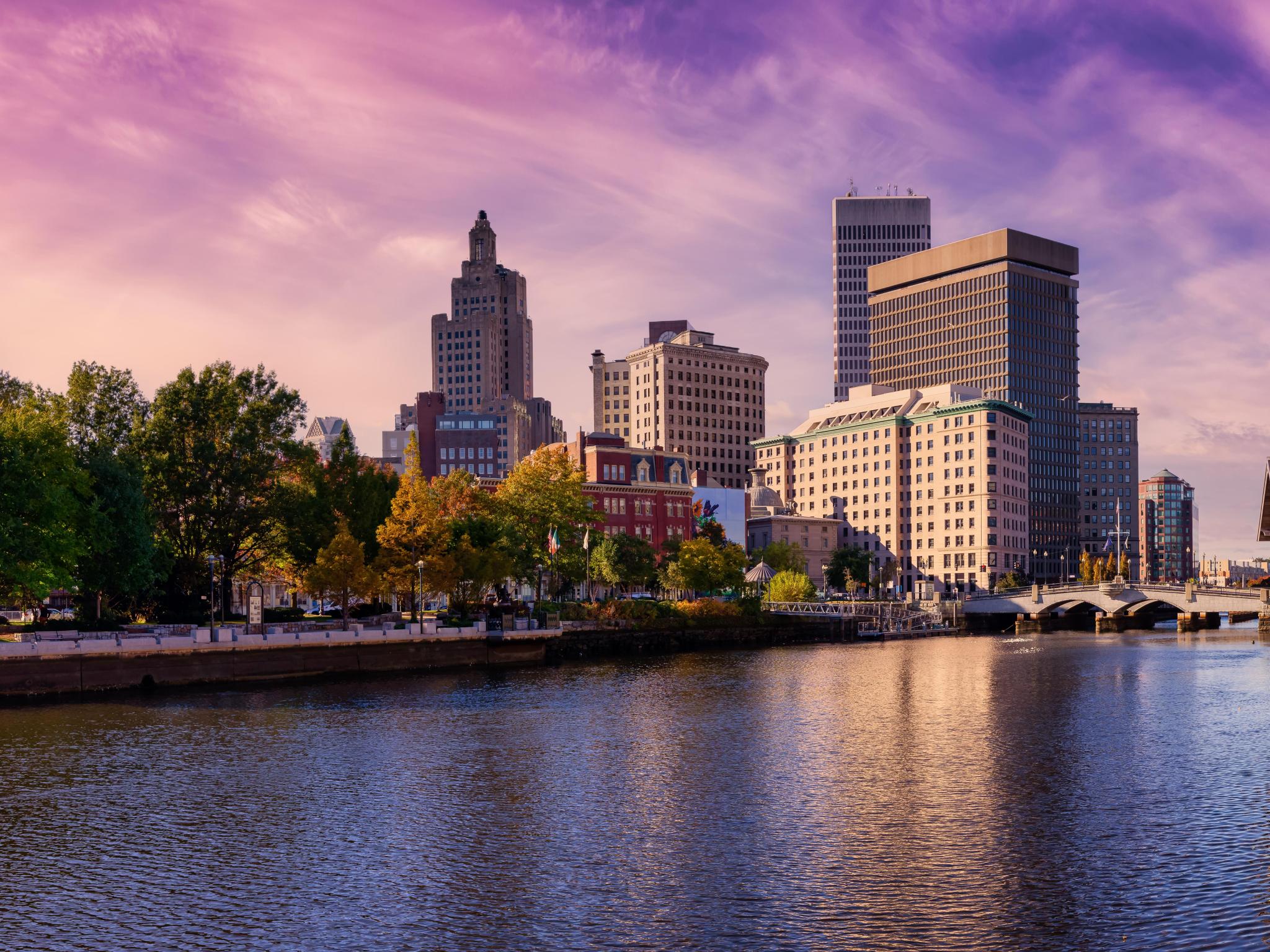
The Proximity and Appeal of a New England Jaunt
The geographical relationship between Boston and Providence is one of convenient proximity, making the short trip between these two iconic cities a popular choice for travelers. They are the respective capitals of neighboring states, linked by a well-established network of roads and public transportation, offering easy access for both spontaneous getaways and meticulously planned itineraries.
A Tale of Two Cities
Boston, with its rich colonial history, world-class museums, and bustling urban landscape, stands as a beacon of American heritage and innovation. It’s a city of red-brick Freedom Trail walks, clam chowder by the harbor, and championship sports teams. Just a short distance south lies Providence, a city often dubbed the “Creative Capital” for its thriving arts scene, renowned culinary landscape, and beautifully preserved historic architecture. While Boston exudes a grand, metropolitan energy, Providence offers a more intimate, charming, and artistically inclined atmosphere. The contrast and complementarity of these two cities make the journey between them a particularly enriching experience.
Why Make the Trip?
The reasons to travel from Boston to Providence are as diverse as the travelers themselves. For some, it’s the allure of Providence’s award-winning restaurants and vibrant food scene, drawing gastronomes eager to sample innovative dishes. Others are attracted by its prominent arts and design institutions, like the Rhode Island School of Design (RISD), and the city’s myriad galleries and performance venues. The city also boasts beautiful historic neighborhoods, including the elegant East Side with its cobblestone streets and stunning 18th-century homes, and the unique spectacle of WaterFire Providence, an artistic installation of bonfires on the rivers that run through the city center. For families, attractions like the Roger Williams Park Zoo provide entertainment, while history buffs can explore sites dating back to the city’s founding. The relatively short travel time means Providence is perfect for a day trip or a leisurely weekend escape, offering a refreshing change of pace without requiring extensive travel planning.
Navigating the Journey: Your Travel Options
The distance between Boston and Providence is approximately 50 miles (about 80 kilometers) by road. This manageable distance means travelers have a variety of efficient and comfortable transportation options to choose from, each offering distinct advantages depending on budget, time constraints, and desired level of flexibility.
Driving: Freedom and Flexibility
Driving remains one of the most popular ways to travel between the two cities. The primary route is via Interstate 95 South, a straightforward highway that connects the heart of Boston directly to downtown Providence. Under ideal conditions, the drive typically takes between 1 hour and 1 hour 15 minutes. However, travelers should be prepared for potential traffic, particularly during peak commuting hours (7-9 AM and 4-6 PM on weekdays) and on Friday afternoons or Sunday evenings. Traffic can easily extend the journey to 1.5 to 2 hours or more.
Advantages of driving include the flexibility to depart and arrive on your own schedule, the ability to make detours or stops along the way, and the convenience of having your own vehicle for exploring Providence and its surrounding areas. However, this option also comes with considerations such as parking in both cities (which can be expensive and challenging to find), potential tolls, and the cost of fuel. Travelers using navigation apps like Google Maps or Waze can get real-time traffic updates to help plan their departure times effectively.
Rail Travel: Comfort and Convenience
For a relaxing and often scenic journey, train travel is an excellent choice. Both the MBTA Commuter Rail and Amtrak offer service between Boston and Providence.
-
MBTA Commuter Rail: Operating from Boston’s South Station, the MBTA Commuter Rail offers frequent, affordable service to Providence Station. The journey typically takes about 1 hour and 15 minutes. This is often the most cost-effective train option, especially for regular commuters or budget-conscious travelers. The trains are comfortable, and the schedule is designed to accommodate daily travel patterns.
-
Amtrak: Amtrak provides a faster and generally more upscale experience. Services like the Acela Express and Northeast Regional run multiple times a day from Boston’s South Station to Providence Station. The travel time on Amtrak can be as short as 30-45 minutes, making it the quickest way to get between the two cities. While tickets are more expensive than the commuter rail, the speed and amenities (such as Wi-Fi and power outlets) can be worth the extra cost for many travelers. Both train stations in Providence are centrally located, offering easy access to the city’s attractions.
Bus Services: Budget-Friendly and Accessible
Several bus companies offer direct service from Boston to Providence, presenting a budget-friendly alternative to driving or taking the train. Key operators include Peter Pan Bus Lines and Greyhound.
Buses depart from Boston’s South Station Bus Terminal and arrive at the Providence Bus Terminal, often adjacent to the train station. The journey duration typically ranges from 1 hour 15 minutes to 1 hour 45 minutes, depending on traffic and the number of stops. While bus travel might take slightly longer than a direct train, it offers a comfortable ride with amenities like Wi-Fi and reclining seats, making it a practical choice for many. Booking tickets in advance online often secures better fares.
Ride-Sharing and Taxis: Direct and Personal
For travelers prioritizing convenience and a direct door-to-door service, ride-sharing apps like Uber and Lyft, or traditional taxi services, are available. This option offers the most flexibility regarding departure time and specific pick-up/drop-off locations. However, it is generally the most expensive mode of transport for this route, with fares varying based on demand, time of day, and traffic conditions. While convenient, the cost often makes it less ideal for budget travelers, but it can be a good option for groups sharing the fare or those with significant luggage.
What to Expect: The Travel Experience
Understanding the nuances of the journey can greatly enhance your travel experience, ensuring you’re prepared for what lies ahead, regardless of your chosen mode of transport.
Scenic Routes and Roadside Charms
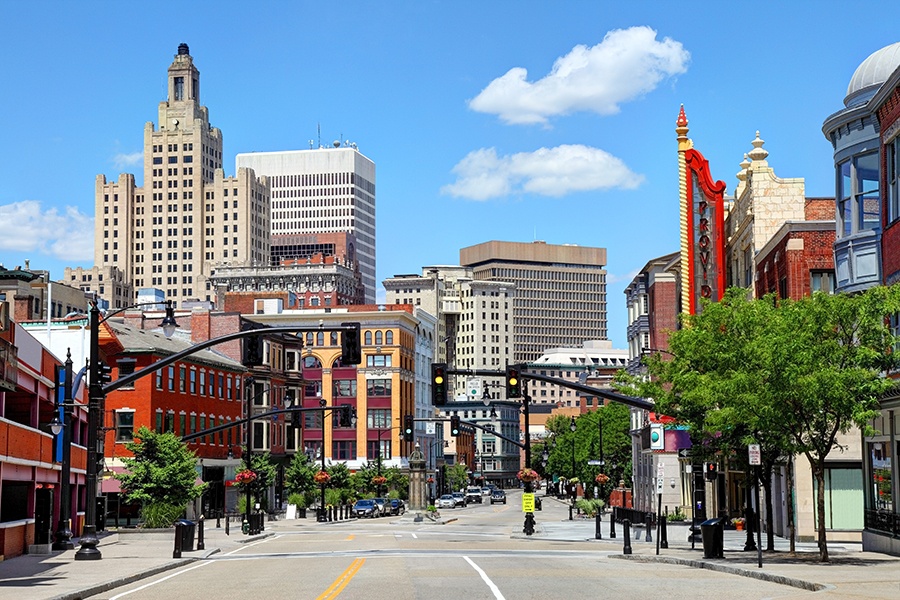
While the primary route on Interstate 95 is mostly functional, offering glimpses of urban and suburban New England landscapes, there are subtle charms. Driving through some areas, you might catch a peek of the iconic Neponset River or the industrial architecture that dots the Massachusetts-Rhode Island border. Train journeys often provide a more picturesque view, winding through backyards, marshlands, and small towns that offer a different perspective of the region away from the highway. Bus routes largely follow the interstate, but even here, the rolling hills and characteristic architecture of New England can be a pleasant backdrop.
Travel Time Considerations
The variability in travel time is the most significant factor to anticipate. While the average drive is around an hour, traffic can significantly alter this. Similarly, train schedules are highly reliable, but delays can occasionally occur. When planning, it’s always wise to add a buffer to your estimated travel time, especially if you have a tight schedule or appointments in Providence. Utilizing real-time traffic updates for driving or checking service alerts for public transport can prevent unexpected rushes.
Peak vs. Off-Peak Travel
Traveling during off-peak hours can dramatically improve your experience. For drivers, avoiding weekday rush hours is paramount. For train and bus travelers, off-peak times often mean less crowded carriages, more comfortable seating, and sometimes even slightly cheaper fares. Mid-morning (10 AM – 2 PM) or late evening travel typically offers the quickest and most relaxed journeys between the two cities. Weekend travel can also be less congested, though Sunday evenings might see increased traffic as people return from weekend trips.
Unveiling Providence: A Gem Worth the Trip
Upon arrival in Providence, travelers are greeted by a city that beautifully blends its rich colonial history with a dynamic modern spirit. Its compact size makes it incredibly walkable, allowing visitors to easily explore its distinct neighborhoods and discover its hidden treasures.
Historic Charm and Modern Vibrancy
Providence’s architectural landscape is a testament to its long history. The East Side, home to Brown University and the Rhode Island School of Design (RISD), boasts stunning examples of colonial and Victorian homes. Benefit Street, often called “Mile of History,” is a must-stroll, lined with impeccably preserved 18th and 19th-century buildings. Yet, amidst this historical backdrop, Providence vibrates with contemporary energy. The revitalized downtown area, with its picturesque riverwalk and modern developments, showcases the city’s forward-thinking approach. The juxtaposition of old and new creates a unique atmosphere that is both inviting and inspiring.
Culinary Delights
Providence has garnered a reputation as a major food destination, often cited among the best food cities in the U.S. Thanks in part to the presence of the Culinary Institute of America and other prestigious culinary programs, the city is a hotbed of innovative chefs and diverse eateries. From fine dining establishments to casual cafes, and a thriving food truck scene, there’s something to satisfy every palate. Don’t miss the Italian-American enclave of Federal Hill, where authentic trattorias, bakeries, and delis line the streets, offering a taste of Italy in the heart of Rhode Island. Exploring the local food scene is an essential part of the Providence experience.
Artistic and Cultural Hubs
As the “Creative Capital,” Providence pulses with artistic energy. The RISD Museum, one of the largest art museums in New England, features an extensive collection spanning ancient to contemporary art. Numerous galleries dot the city, showcasing local and regional talent. The performing arts thrive here, with a vibrant theater scene, live music venues, and community events. The iconic WaterFire Providence, an award-winning installation of braziers lit on the three rivers of downtown Providence, is a truly mesmerizing spectacle that draws visitors from around the globe and epitomizes the city’s artistic spirit.
Beyond the City Limits: Day Trips from Providence
While Providence itself offers a wealth of attractions, its central location in Rhode Island makes it an ideal base for exploring other nearby treasures. The historic mansions of Newport, the charming beaches of Narragansett, or a ferry ride to the idyllic Block Island are all within easy reach, offering diverse experiences for those looking to extend their New England adventure.
Making the Most of Your Visit: Planning Tips
A well-planned trip ensures a more enjoyable and stress-free experience from Boston to Providence.
Best Time to Visit
Providence is captivating year-round, but each season offers a different charm. Spring (April-May) and Fall (September-October) are particularly pleasant, with mild weather perfect for walking and enjoying outdoor activities. Fall foliage is spectacular in New England. Summer (June-August) brings warm weather and a lively atmosphere, with many festivals and outdoor events, including frequent WaterFire Providence lightings. Winters (November-March) can be cold and snowy but offer a cozy, festive ambiance, especially around the holidays.
Accommodation Recommendations
While this article focuses on travel, it’s worth noting that Providence offers a wide range of accommodation options to suit various preferences and budgets, from boutique hotels in historic buildings to modern downtown high-rises. Booking in advance, especially during peak season or major events, is always advisable to secure the best rates and availability.

Getting Around Providence
Once you arrive in Providence, you’ll find it’s a very pedestrian-friendly city. Many of its key attractions are within walking distance of downtown and the train/bus stations. For longer distances, the city’s public bus system, RIPTA, provides comprehensive coverage. Ride-sharing services and taxis are also readily available. For those arriving by car, several parking garages are located throughout downtown.
The journey from Boston to Providence is more than just covering a distance; it’s an invitation to explore the diverse beauty and rich culture of New England. With numerous convenient travel options and a destination brimming with charm, Providence stands as an ideal short trip, promising memorable experiences for every traveler.
LifeOutOfTheBox is a participant in the Amazon Services LLC Associates Program, an affiliate advertising program designed to provide a means for sites to earn advertising fees by advertising and linking to Amazon.com. Amazon, the Amazon logo, AmazonSupply, and the AmazonSupply logo are trademarks of Amazon.com, Inc. or its affiliates. As an Amazon Associate we earn affiliate commissions from qualifying purchases.