
Embarking on a journey from the vibrant heart of the Midwest, Chicago, to the historic shores of New England, Boston, is an adventure that many travelers contemplate. Whether driven by business, leisure, or a desire to explore the diverse landscapes of the United States, understanding the distance and myriad travel options is the first step in planning an unforgettable trip. This comprehensive guide will delve into the specifics of traversing this significant trans-American route, offering insights into various modes of transport, potential itineraries, and the experiences that await.
The Journey: Distance and Primary Routes
The direct distance between Chicago, Illinois, and Boston, Massachusetts, is substantial, spanning across several states and diverse topographies. While a bird’s-eye view offers a straightforward measurement, actual travel routes involve navigating complex interstate systems.
The Straight Line vs. The Open Road
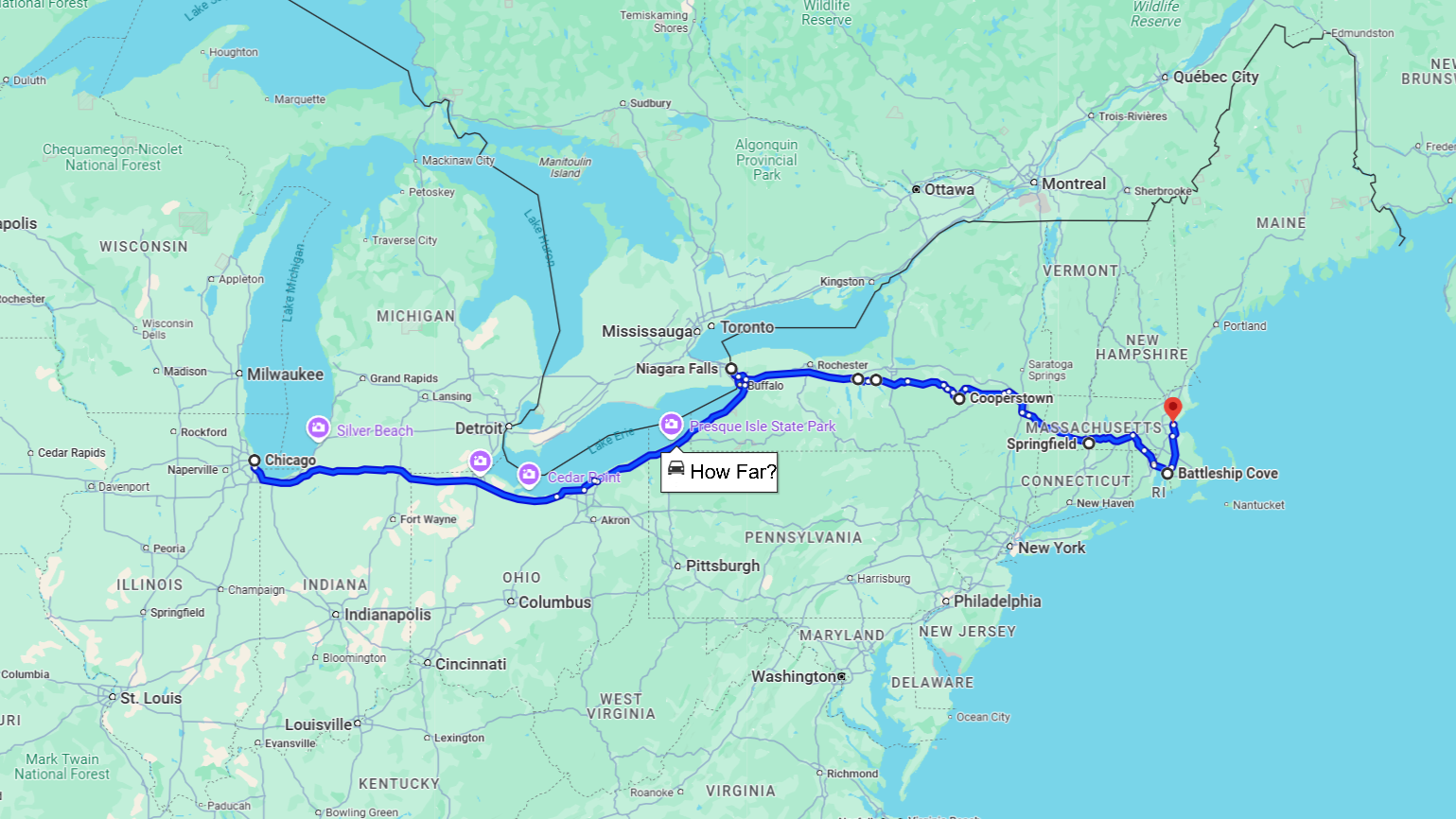
As the crow flies, the approximate aerial distance between Chicago and Boston is about 850 miles (1,370 kilometers). This theoretical measurement is useful for understanding the general scale of the journey, particularly for air travel. However, for ground transportation, the practical driving distance is considerably longer, typically ranging from 950 to 1,000 miles (1,530 to 1,610 kilometers), depending on the specific route taken and any detours. This difference accounts for the winding nature of roads, geographical features, and the necessity to connect via established highway systems.
Interstate Connections
The most common and efficient driving route between these two major cities primarily utilizes the Interstate 80 and Interstate 90 corridors. Starting from Chicago, travelers typically head east through Indiana and Ohio via Interstate 80 (which often merges with Interstate 90, known as the Indiana Toll Road and Ohio Turnpike). Upon reaching northern Ohio, the route continues on Interstate 90 (the New York State Thruway and Massachusetts Turnpike) through Pennsylvania, New York, and finally into Massachusetts. This primary artery is designed for long-distance travel, offering numerous amenities, rest stops, and fuel stations along the way. While tolls are a factor on significant portions of this route, especially in Indiana, Ohio, and New York, the trade-off is often a smoother, faster journey.
Modes of Transportation: Weighing Your Options
Choosing the right mode of transportation is crucial for a trip of this magnitude. Each option presents a unique blend of cost, convenience, time commitment, and experience.
Driving: The Classic American Road Trip
Driving from Chicago to Boston offers unparalleled flexibility and the opportunity to discover hidden gems along the way.
Estimated Time and Fuel Costs
A non-stop drive typically takes between 15 to 17 hours, excluding any significant breaks for meals, fuel, or rest. Given the duration, most travelers opt to break the journey into at least two days, often with an overnight stop. This can extend the total travel time to 20-24 hours of actual driving over two days. Fuel costs will vary significantly based on vehicle efficiency and gas prices, but budgeting for several fill-ups across 1,000 miles is essential. Tolls, as mentioned, are an additional expense that should be factored into the budget, potentially adding $50-$100 or more depending on specific routes and electronic toll tag usage.
Key Stopovers and Scenic Detours
The route traverses a diverse geographical tapestry, offering numerous opportunities for interesting stopovers. Cities like Cleveland or Buffalo (near Niagara Falls) in New York make excellent overnight stops. For those with more time, a slight deviation south could take you through Pittsburgh, Pennsylvania, or even allow for a more scenic drive through parts of the Appalachian Mountains. In New York, the scenic beauty of the Finger Lakes region or the proximity to Lake Erie and Lake Ontario offers picturesque detours. Closer to Boston, cities like Worcester or even a quick trip into Rhode Island can add variety to the final leg of the journey. Planning a road trip allows for spontaneity and the chance to experience slices of Americana often missed by other travel methods.
Flying: The Fastest Path
For travelers prioritizing speed and minimal transit time, flying is the most efficient option.
Major Airports and Flight Duration
Flights typically depart from O’Hare International Airport (ORD) or Midway International Airport (MDW) in Chicago and arrive at Logan International Airport (BOS) in Boston. Direct flights average around 2 hours and 15 minutes to 2 hours and 30 minutes in the air. When factoring in travel to and from airports, security checks, boarding, and potential delays, the total door-to-door travel time generally ranges from 5 to 7 hours.
Considerations for Booking and Layovers
Numerous airlines operate this route, including major carriers like United Airlines, American Airlines, Delta Air Lines, and budget-friendly options such as Southwest Airlines and JetBlue. Booking in advance, especially during peak travel seasons, is advisable to secure better fares. While direct flights are common, connecting flights may offer lower prices but extend travel time considerably.
Train Travel: A Scenic Alternative
Train travel via Amtrak offers a unique perspective and a more relaxed journey, albeit with a longer duration.
Amtrak Routes and Schedules
The primary Amtrak service connecting Chicago and Boston is the Lake Shore Limited. This daily service departs from Chicago’s Union Station and typically arrives at Boston’s South Station. The journey is long, usually taking between 18 to 22 hours, depending on the specific schedule and potential delays. The route passes through scenic landscapes, particularly through New York, often paralleling rivers and offering views of smaller towns and rural areas.
The Experience and Comfort
Train travel offers amenities not found in air or bus travel, such as dining cars, observation cars, and the option of private sleeping accommodations (at an additional cost). This makes it an appealing choice for those who enjoy a more leisurely pace, the ability to walk around, and the lack of airport security hassles. It’s an excellent option for travelers who view the journey itself as part of the adventure.
Bus Services: Budget-Friendly Exploration
For the most budget-conscious travelers, bus services provide an economical way to travel between Chicago and Boston.
Popular Operators and Journey Length
Major bus operators like Greyhound, Megabus, and Peter Pan Bus Lines offer routes connecting the two cities. The journey duration is the longest among all options, typically ranging from 20 to 24 hours, often involving transfers in major hubs like Cleveland or New York City.
Pros and Cons for Travelers
The primary advantage of bus travel is its affordability. Tickets are generally significantly cheaper than flights or train fares. However, the extended travel time, multiple stops, and potentially less comfortable seating are trade-offs. It’s a viable option for those with flexible schedules and strict budget constraints, offering a comprehensive, ground-level view of the intervening states.
Planning Your Eastbound Adventure
Regardless of the chosen mode, thoughtful planning can enhance the travel experience from Chicago to Boston.
What to Consider for a Road Trip Itinerary
For a road trip, detailed planning is paramount. Map out your overnight stops, considering attractions in cities like Cleveland, Buffalo, Syracuse, or Albany. Research potential detours, such as Niagara Falls on the New York-Canada border or the scenic beauty of Vermont and New Hampshire if time permits. Factor in meal breaks, fuel stops, and rest periods to avoid driver fatigue. Utilize navigation apps that include toll estimates and real-time traffic updates.
Maximizing Air Travel Efficiency
When flying, focus on booking direct flights when possible to minimize transit time and the risk of missed connections. Consider the time of day for your flight; early morning flights often experience fewer delays. Budget for transportation to and from the airports, as both O’Hare and Midway in Chicago and Logan in Boston are well-connected to their respective city centers via public transport or ride-sharing services. Pack light to avoid checked baggage fees, and ensure all travel documents are easily accessible.
Integrating Stops and Experiences
For train or bus travel, while the routes are largely fixed, you can enhance the experience by preparing for the long journey. Bring entertainment, snacks, and a comfortable neck pillow. Take advantage of station stops to stretch your legs. For all modes, researching attractions at your destination, Boston, before you leave can help you hit the ground running upon arrival.
Exploring the Destinations: What Awaits in Boston
Upon arriving in Boston, travelers are greeted by a city rich in American history, vibrant culture, and culinary excellence.
Historic Sites and Cultural Hubs
Boston is a living museum, offering countless historical sites. The iconic Freedom Trail is a must-do, a 2.5-mile red-lined path leading to 16 historically significant sites, including Faneuil Hall Marketplace, the Old North Church, and the Bunker Hill Monument. Sports enthusiasts can visit Fenway Park, home of the Boston Red Sox. Cultural institutions like the Museum of Fine Arts and the Isabella Stewart Gardner Museum offer world-class art collections. Educational powerhouses like Harvard University and the Massachusetts Institute of Technology are also nearby, offering fascinating campus tours and architectural marvels.

Culinary Delights and Neighborhoods
Boston’s culinary scene is as diverse as its history. The historic North End is renowned for its authentic Italian restaurants and bakeries. Seafood lovers will revel in fresh clam chowder, lobster rolls, and oysters, readily available throughout the city. Beyond downtown, explore unique neighborhoods like Beacon Hill with its charming brownstones, or the bustling Seaport District, known for its modern architecture and waterfront dining. From urban exploration to coastal excursions to places like Cape Cod, Salem, or Plymouth, Boston serves as an excellent base for further New England adventures.
The journey from Chicago to Boston is more than just covering distance; it’s an opportunity to experience the vastness and variety of the American landscape. Whether you choose the speed of flight, the intimacy of a road trip, the nostalgia of a train, or the economy of a bus, each option promises a memorable passage to one of America’s most cherished cities.
LifeOutOfTheBox is a participant in the Amazon Services LLC Associates Program, an affiliate advertising program designed to provide a means for sites to earn advertising fees by advertising and linking to Amazon.com. Amazon, the Amazon logo, AmazonSupply, and the AmazonSupply logo are trademarks of Amazon.com, Inc. or its affiliates. As an Amazon Associate we earn affiliate commissions from qualifying purchases.