
Embarking on a journey from the bustling metropolis of Chicago, Illinois, to the diverse landscapes of Ohio offers a classic American travel experience. Whether you’re planning a weekend getaway, a business trip, or a cross-country adventure, understanding the distance, travel options, and what to expect is crucial for a smooth and enjoyable trip. Ohio, often referred to as “The Heart of It All,” is remarkably accessible from the Windy City, making it a popular destination for those seeking a change of scenery, vibrant cities, or tranquil natural escapes. This guide delves into everything you need to know about traveling from Chicago to Ohio, ensuring your planning is as seamless as your journey itself.
Understanding the Distance: Chicago to Ohio
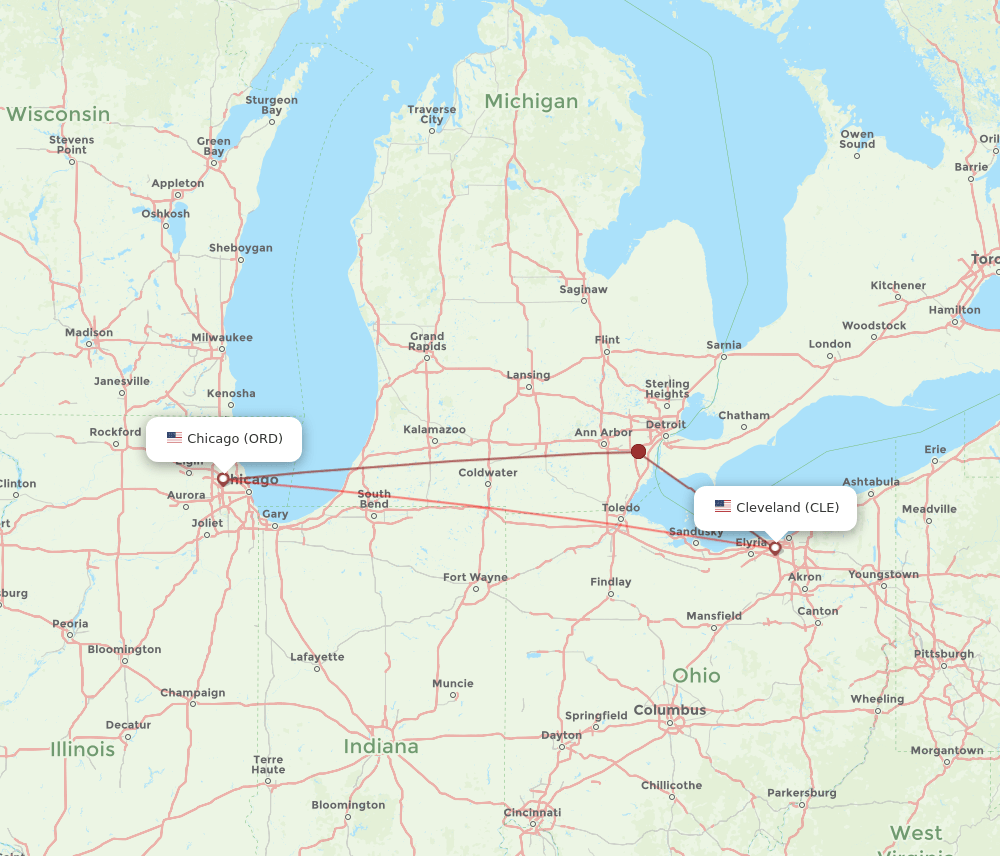
The question “How far is Ohio from Chicago?” doesn’t have a single, definitive answer, primarily because Ohio is a large state with various major cities and regions. The distance, and consequently the travel time, will depend significantly on your specific destination within Ohio. However, generally speaking, the journey is quite manageable, placing many of Ohio’s most attractive destinations within a reasonable drive.
Averages and Extremes
To provide a clear picture, let’s look at the distances and estimated driving times to some of Ohio’s major cities from Chicago:
- To Toledo, Ohio (Northwest Ohio): This is often the closest major city when entering Ohio from Chicago. The distance is approximately 240-250 miles, with a driving time of around 3.5 to 4 hours, depending on traffic.
- To Cleveland, Ohio (Northeast Ohio): A popular destination known for its cultural institutions, Cleveland is roughly 340-350 miles from Chicago. The drive typically takes between 5.5 to 6 hours.
- To Columbus, Ohio (Central Ohio): As the state capital and a rapidly growing city, Columbus is about 350-360 miles away. You can expect a driving time of 5.5 to 6 hours.
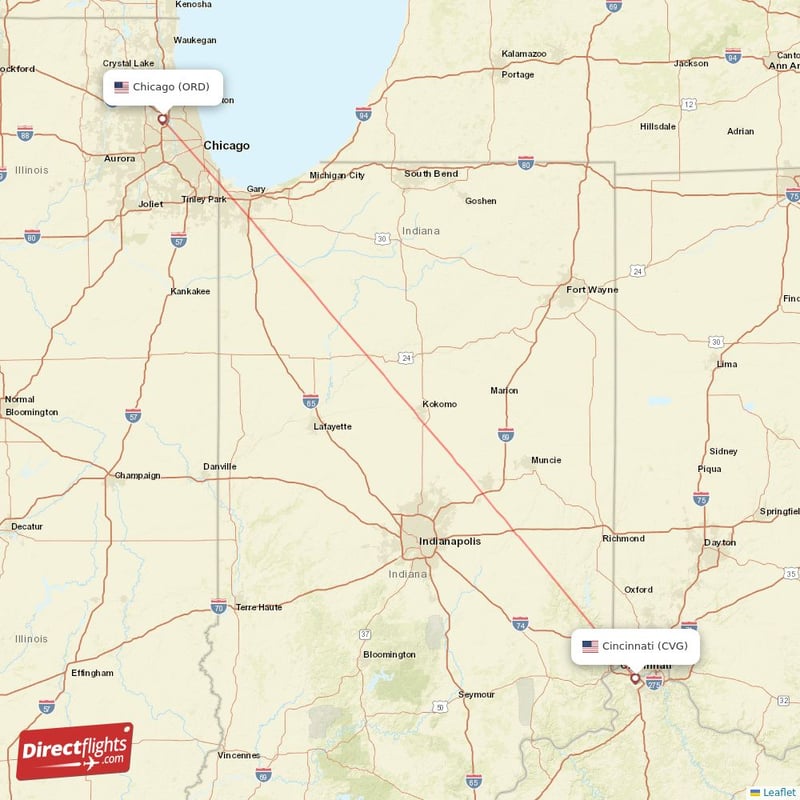
- To Cincinnati, Ohio (Southwest Ohio): Situated on the Ohio River, Cincinnati represents one of the further major urban centers. The journey covers approximately 290-300 miles and usually takes around 4.5 to 5 hours of driving.
These estimates assume smooth driving conditions without significant stops. Factor in breaks for fuel, food, and stretching, which can easily add an hour or more to your total travel time. The exact mileage will vary slightly based on your starting point in Chicago and your precise destination in Ohio.
Key Routes and Interstates
The primary arteries connecting Chicago to Ohio are well-maintained interstate highways designed for efficient long-distance travel. The most common routes generally involve traversing through Indiana before entering Ohio.
- I-80/I-90 East (Indiana Toll Road/Ohio Turnpike): For destinations in northern Ohio, particularly Toledo and Cleveland, this is the most direct and frequently used route. You’ll merge onto I-80 East, which combines with I-90 through much of Indiana, becoming the Indiana Toll Road. Upon entering Ohio, it continues as the Ohio Turnpike. Be aware that both of these are toll roads, so having a transponder (like E-ZPass) or cash/card for tolls is advisable.
- I-65 South to I-70 East: For destinations in central Ohio, such as Columbus, you might take I-65 South from Chicago towards Indianapolis, Indiana, and then merge onto I-70 East, which takes you directly into Columbus. This route is generally toll-free.
- I-65 South to I-74 East / I-70 East: To reach Cincinnati, you could follow a similar path as for Columbus, using I-65 South and then either I-74 East or I-70 East, eventually connecting to routes leading to Cincinnati.
Always check current traffic conditions and construction alerts before you depart, especially when traveling through major metropolitan areas like Chicago, Gary (Indiana), or around Cleveland and Columbus.
Navigating the Journey: Travel Options
Traveling from Chicago to Ohio offers a variety of transportation methods, each with its own advantages and disadvantages. Your choice will likely depend on your budget, time constraints, desired comfort level, and the specific nature of your trip.
Driving: The Most Popular Choice
For many, driving is the preferred way to travel between Chicago and Ohio due to its flexibility and the ability to explore at your own pace.
- Advantages:
- Flexibility: You control your schedule, including departure times, routes, and spontaneous stops.
- Cost-Effective for Groups: For families or groups, sharing fuel and toll costs often makes driving more economical than individual plane or train tickets.
- Luggage: No restrictions on luggage size or weight (within reason), ideal for longer stays or specific equipment.
- Scenic Opportunities: The ability to take detours and discover charming small towns or natural attractions along the way.
- Considerations:
- Vehicle Maintenance: Ensure your car is in good condition, especially tires, brakes, and fluid levels.
- Fuel Costs: Account for fluctuating gas prices. Use apps to find the best fuel stops.
- Tolls: As mentioned, parts of the journey, particularly the Indiana Toll Road and Ohio Turnpike, require tolls.
- Driver Fatigue: Plan for breaks every few hours to avoid fatigue and ensure safety. If traveling solo, consider breaking up longer drives with an overnight stay.
- Navigation: A reliable GPS or smartphone mapping app is essential.
Public Transportation: Bus and Train
For those who prefer to avoid driving, bus and train services offer viable alternatives, allowing you to relax and enjoy the journey without the stress of navigation or traffic.
- Bus Services (Greyhound, etc.):
- Pros: Generally the most budget-friendly option, especially for solo travelers. Extensive networks serve many cities in Ohio.
- Cons: Travel times are significantly longer than driving or flying due to multiple stops and slower speeds. Comfort can vary, and unexpected delays are possible.
- Train Services (Amtrak):
- Pros: A more comfortable and scenic option than buses, with amenities like dining cars and more spacious seating. The Capitol Limited route serves Cleveland from Chicago, offering an overnight journey.
- Cons: Limited direct routes, meaning you might need transfers or ground transportation from the train station to your final destination. Fares can be comparable to or even exceed budget airline tickets, especially for sleeper options. Travel times are longer than driving.
Flying: When Time is of the Essence
While Ohio is relatively close to Chicago by car, flying can still be the quickest option for some travelers, especially those heading to southern Ohio or for business trips requiring maximum efficiency.
- Major Airports in Chicago:
- O’Hare International Airport (ORD): A major hub with numerous flights to Ohio.
- Midway International Airport (MDW): Often offers more budget-friendly flights, primarily to Cleveland or Columbus.
- Major Airports in Ohio:
- Cleveland Hopkins International Airport (CLE)
- John Glenn Columbus International Airport (CMH)
- Cincinnati/Northern Kentucky International Airport (CVG)
- Considerations:
- Total Travel Time: While flight time is short (around 1-1.5 hours), factor in travel to/from airports, security checks, and boarding times. This can make the total door-to-door time comparable to or sometimes even longer than driving for closer Ohio destinations.
- Cost: Airfares can vary wildly. While often more expensive than driving for individuals, sales or last-minute deals can make it competitive. Don’t forget costs for checked baggage, seat selection, and airport parking.
- Rental Cars: You’ll likely need to rent a car upon arrival in Ohio to get around, adding to the overall cost.

Planning Your Ohio Road Trip: Essential Considerations
For those opting for the quintessential American road trip, a bit of foresight can transform a good journey into a great one. Planning ahead ensures a smooth, stress-free, and enjoyable experience from Chicago to Ohio.
Best Time to Travel
The best time to travel depends on your priorities:
- Spring (April-May): Pleasant temperatures, blossoming landscapes, and fewer crowds before peak summer. Ideal for outdoor activities.
- Summer (June-August): Warmest weather, perfect for Lake Erie activities, amusement parks like Cedar Point or Kings Island, and festivals. Expect more traffic and higher prices for accommodations.
- Fall (September-October): Gorgeous fall foliage, especially in southern Ohio (like Hocking Hills State Park). Mild temperatures are great for hiking and exploring cities.
- Winter (November-March): Colder temperatures, potential for snow and ice, especially in northern Ohio. Travel can be slower and more challenging, but winter events and lower prices might appeal to some.
What to Pack and Prepare
- Vehicle Check: Before leaving Chicago, ensure your car has had a recent oil change, tires are properly inflated (including the spare), and all lights and wipers are working.
- Emergency Kit: Jumper cables, a basic tool kit, first-aid kit, flashlight, warm blanket, and bottled water are crucial.
- Navigation Tools: A reliable GPS device or smartphone with downloaded offline maps.
- Entertainment: Road trip playlists, podcasts, audiobooks, or games for passengers.
- Snacks and Drinks: To save money and avoid unhealthy fast food stops.
- Toll Transponder: An E-ZPass or equivalent is highly recommended for the Indiana Toll Road and Ohio Turnpike.
- Weather Appropriate Gear: Pack layers, rain gear, and appropriate footwear based on the season.
Potential Stopovers and Scenic Detours
The drive from Chicago to Ohio traverses through Indiana, offering several interesting places to break up the journey:
- South Bend, Indiana: Home to the University of Notre Dame, offering a picturesque campus and collegiate atmosphere.
- Michigan City, Indiana: Located on Lake Michigan, it’s close to the Indiana Dunes National Park, a great spot for a quick stretch and nature walk.
- Toledo, Ohio: If heading further east, Toledo makes for an excellent first stop in Ohio. The Toledo Museum of Art is world-renowned and free to visit.
These stops not only offer a chance to rest but also add cultural or scenic value to your road trip adventure.
Exploring Ohio: Diverse Destinations within Reach
Once you’ve successfully navigated the journey from Chicago, Ohio unfolds with a myriad of attractions catering to all interests. From bustling urban centers to serene natural wonders, the state truly lives up to its “Heart of It All” moniker.
Urban Adventures
Ohio’s major cities offer a rich tapestry of history, culture, and modern amenities:
- Cleveland: On the shores of Lake Erie, Cleveland boasts the iconic Rock & Roll Hall of Fame, a vibrant food scene, the historic West Side Market, and world-class cultural institutions in University Circle.
- Columbus: The state capital is a dynamic city known for its burgeoning arts and fashion districts (Short North Arts District), Ohio State University, and diverse culinary offerings.
- Cincinnati: With its strong German heritage, Cincinnati features beautiful historic neighborhoods like Over-the-Rhine, a fantastic zoo, and a unique chili culture.
Nature and Outdoor Escapes
Beyond its cities, Ohio offers breathtaking natural beauty:
- Hocking Hills State Park: Located in southeastern Ohio, this park is famous for its stunning rock formations, caves, waterfalls, and hiking trails, particularly beautiful in the fall.
- Lake Erie Islands: Take a ferry to islands like Put-in-Bay on South Bass Island or Kelleys Island for a relaxed island getaway with wineries, watersports, and charming towns.
- Cuyahoga Valley National Park: Just south of Cleveland, this national park offers scenic train rides, hiking and biking trails along the Cuyahoga River, and beautiful waterfalls like Brandywine Falls.
Family-Friendly Fun
Ohio is a premier destination for family entertainment:
- Cedar Point (Sandusky): Known as “America’s Roller Coast,” this legendary amusement park offers thrill rides, live entertainment, and a water park, making it a must-visit for adrenaline junkies.
- Kings Island (Mason): Near Cincinnati, Kings Island is another major amusement park with a diverse range of rides, including the world’s longest wooden roller coaster, and a large water park.
- Columbus Zoo and Aquarium: Consistently ranked among the best zoos in the nation, offering expansive exhibits and conservation efforts.
In conclusion, the journey from Chicago to Ohio is a straightforward and rewarding one, offering a gateway to a state rich in experiences. Whether you prefer the open road, the comfort of a train, or the speed of a flight, planning your trip with a clear understanding of the distances and options will ensure a memorable adventure. Ohio’s blend of urban sophistication, natural beauty, and family-friendly attractions makes it an ideal destination, and the travel to get there can be just as much a part of the adventure.
LifeOutOfTheBox is a participant in the Amazon Services LLC Associates Program, an affiliate advertising program designed to provide a means for sites to earn advertising fees by advertising and linking to Amazon.com. Amazon, the Amazon logo, AmazonSupply, and the AmazonSupply logo are trademarks of Amazon.com, Inc. or its affiliates. As an Amazon Associate we earn affiliate commissions from qualifying purchases.