
Embarking on a journey from the bustling metropolis of Chicago to the historic state capital of Springfield, Illinois, is a common query for travelers exploring the heart of the Prairie State. Whether for business, leisure, or a deep dive into Abraham Lincoln’s legacy, understanding the distance, travel time, and various transportation options is crucial for planning a seamless trip. This guide will meticulously outline everything you need to know about traversing the miles between these two significant Illinois cities, ensuring your journey is as informed as it is enjoyable.
The Essential Journey: Understanding the Distance and Time
The distance between Chicago and Springfield is a primary consideration for any traveler. While a straight-line measurement offers a theoretical figure, the actual travel distance by road or rail is what truly matters for practical planning. This section breaks down the essential metrics that define this intra-state passage.
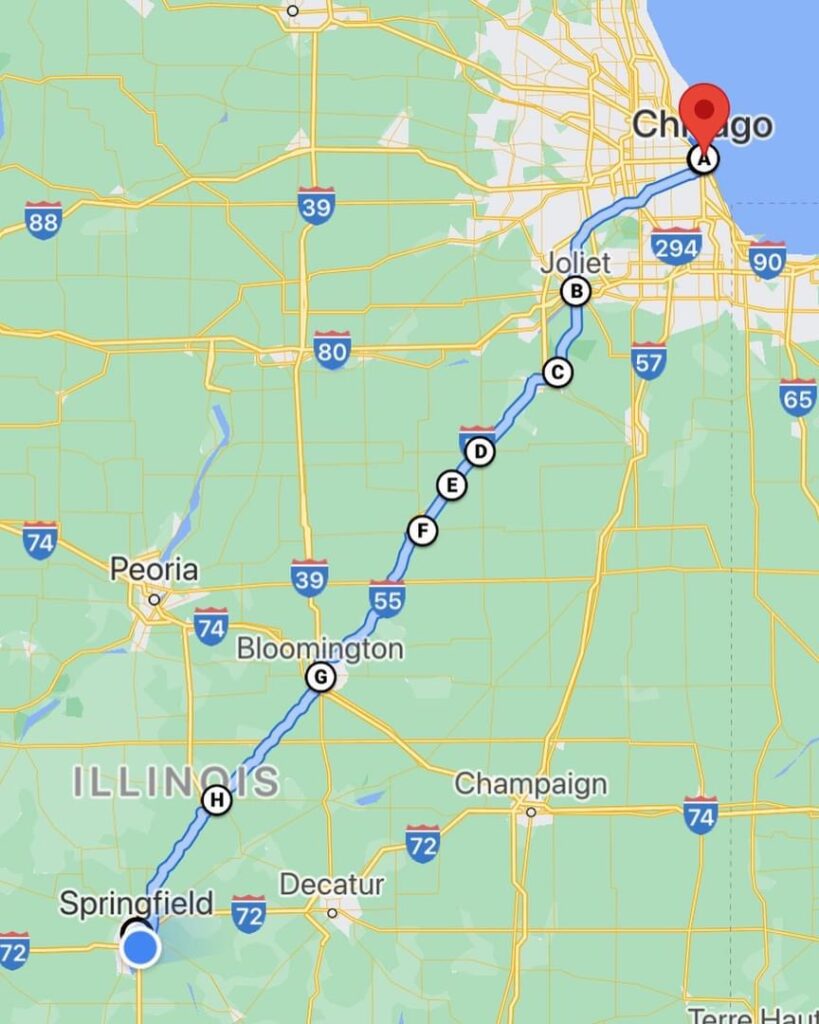
Straight-Line vs. Driving Distance: What to Expect
The geographical ‘as the crow flies’ distance between downtown Chicago and downtown Springfield is approximately 180 miles (290 kilometers). However, the reality of road travel involves following established highways and routes, which naturally adds some mileage. The typical driving distance, primarily via Interstate 55 (I-55), ranges from 190 to 200 miles (306 to 322 kilometers), depending on your exact starting point in Chicago and your final destination in Springfield. This road distance is the most relevant figure for those planning a self-drive or bus trip.
Estimated Driving Time: Factors Affecting Your Arrival
Calculating the precise driving time can be an art more than a science, given the multitude of variables at play. Under ideal conditions, with minimal traffic and adhering to speed limits, the drive from Chicago to Springfield typically takes between 3 to 3.5 hours.
However, several factors can influence this estimate:
- Traffic Congestion: Departing from Chicago during peak rush hours (morning and late afternoon/early evening weekdays) can significantly extend travel time, especially on the initial stretches of I-55 as you navigate out of the metropolitan area. Similarly, arrival into Springfield during local peak times might add a few minutes.
- Road Construction: Illinois highways frequently undergo maintenance and improvement projects, which can lead to lane closures, detours, and reduced speeds. It’s always wise to check real-time traffic updates before and during your journey.
- Weather Conditions: Illinois experiences a full range of seasons, each bringing its own challenges. Winter snowstorms, heavy rain, or even dense fog can necessitate slower speeds and increase travel duration.
- Rest Stops and Breaks: While the drive is manageable for a single stretch, many travelers opt for at least one brief stop for fuel, restrooms, or a quick snack. Factoring in a 15-30 minute break is a practical approach to avoid fatigue and make the journey more comfortable.
Considering these variables, it’s prudent to allocate at least 3.5 to 4 hours for the drive to ensure a relaxed and punctual arrival, especially if you have a scheduled appointment or event.
Key Route Information: Interstate 55
The primary and most direct route connecting Chicago and Springfield is Interstate 55 (I-55). This major north-south artery serves as the backbone of road travel through central Illinois.
- Starting Point: From Chicago, I-55 begins near the city center and heads southwest.
- Scenic Elements: While not a designated scenic byway, the route offers glimpses of Illinois’ vast agricultural landscapes, transitioning from urban sprawl to open fields and small towns.
- Services: I-55 is well-equipped with numerous exits offering fuel stations, restaurants, and rest areas, making it convenient for travelers to find services as needed.
Navigating the Prairie State: Modes of Transportation
While driving is often the most straightforward choice, travelers have several options for making the journey from Chicago to Springfield, Illinois. Each mode of transport offers distinct advantages in terms of cost, comfort, and flexibility.
Driving: The Most Flexible Option
Driving your own vehicle or a rental car stands out as the most popular and flexible method of travel between Chicago and Springfield.
- Advantages:
- Flexibility: You dictate your departure time, pace, and whether to make impromptu stops.
- Convenience: Ideal for carrying luggage, sports equipment, or samples for business trips.
- Accessibility: Offers door-to-door service, especially valuable if your final destination in Springfield is not near public transport hubs.
- Considerations:
- Cost: Fuel expenses, potential tolls (though I-55 is largely toll-free on this stretch), and vehicle wear and tear.
- Fatigue: Requires sustained attention from the driver.
- Parking: Finding and paying for parking in both cities, especially Chicago, can be a factor.
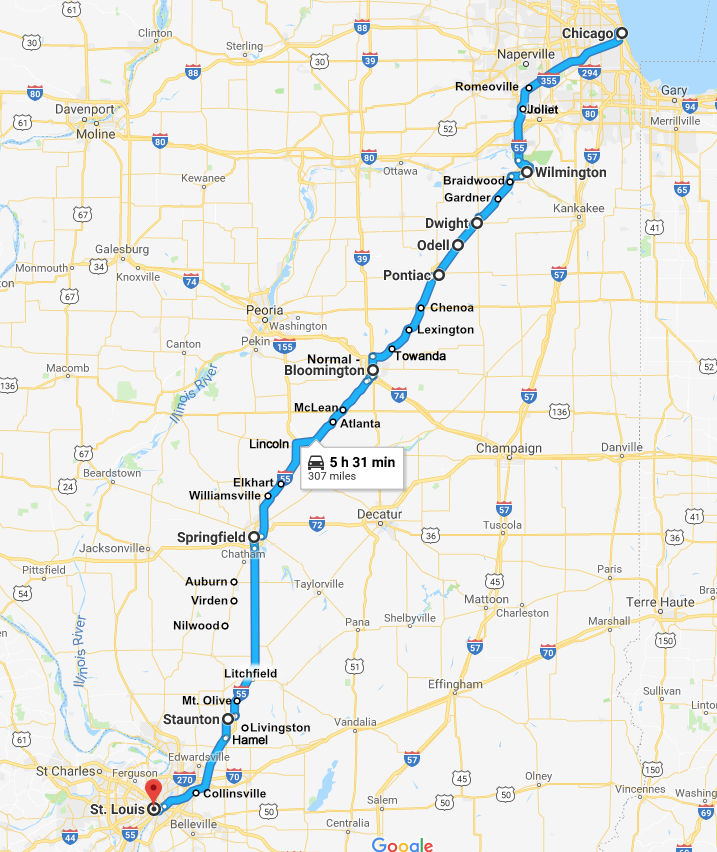
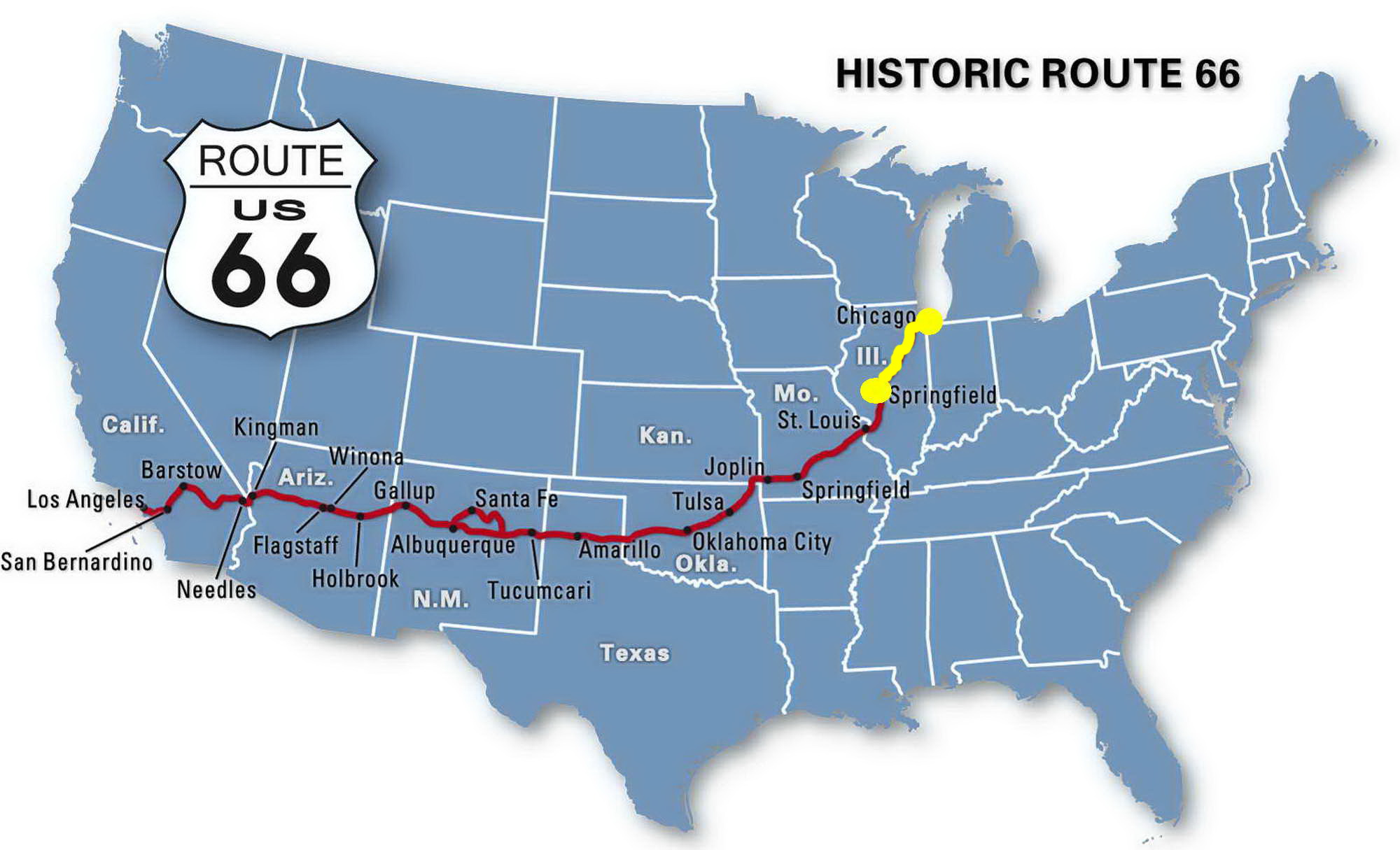
For those interested in a slight detour or a more nostalgic experience, parts of historic Route 66 run parallel to I-55. While slower, it offers opportunities to explore charming towns and classic roadside attractions like the Gemini Giant in Wilmington or the Route 66 Hall of Fame and Museum in Pontiac, adding a unique dimension to the drive.
Train Travel: A Relaxed Alternative
Amtrak provides a comfortable and scenic train service between Chicago’s Union Station and the Springfield station. This is an excellent option for those who prefer to relax, read, work, or simply enjoy the landscape without the stress of driving.
- Frequency: Amtrak typically offers several daily services on the Lincoln Service route, connecting the two cities.
- Duration: Train journeys generally take longer than driving, averaging around 3.5 to 4 hours, with some express services being slightly quicker and local ones taking a bit longer due to more stops.
- Comfort: Trains offer more spacious seating than buses or cars, with amenities like Wi-Fi, power outlets, and a dining car for refreshments.
- Sustainability: Train travel is often considered a more environmentally friendly option compared to individual car journeys.
Travelers should book tickets in advance, especially during peak seasons or holidays, to secure preferred seating and potentially better fares.
Bus Services: Budget-Friendly and Convenient
For budget-conscious travelers, intercity bus services like Greyhound offer a cost-effective way to travel between Chicago and Springfield.
- Affordability: Bus tickets are generally the most economical option, particularly when booked in advance.
- Schedules: Buses run multiple times a day, providing flexibility for departure and arrival times.
- Duration: Similar to train travel, bus journeys typically range from 3.5 to 4.5 hours, depending on the route and number of stops.
- Amenities: Modern buses often include amenities such as reclining seats, Wi-Fi, and power outlets, though these can vary by operator and specific bus.
While bus travel might not offer the same level of personal space as a train or car, it provides a practical and accessible solution for many travelers.
Air Travel: Is It Practical?
While both Chicago and Springfield have airports (O’Hare International Airport (ORD) and Midway International Airport (MDW) in Chicago, and Abraham Lincoln Capital Airport (SPI) in Springfield), direct commercial flights between the two cities are generally not available or practical. The relatively short distance makes flying inefficient due to the time involved in getting to and from airports, security checks, and flight duration itself. The environmental impact and cost also often outweigh the benefits for such a short hop. For this specific route, ground transportation is overwhelmingly the preferred and more sensible choice.
Making the Most of Your Trip: Essential Travel Tips
Regardless of your chosen mode of transportation, a few key tips can enhance your journey from Chicago to Springfield, ensuring a smooth and enjoyable experience.
Best Time to Travel
The ideal time to travel depends largely on your preferences and the purpose of your trip:
- Spring (April-May) and Fall (September-October): These seasons offer mild temperatures, beautiful scenery, and generally pleasant travel conditions. Fall foliage can be particularly stunning along parts of the route.
- Summer (June-August): While popular for tourism, summer months can bring hot and humid weather, and increased road traffic, especially on weekends and around holidays.
- Winter (November-March): Winter travel can be challenging due to snow, ice, and freezing rain, which can lead to hazardous driving conditions and potential delays for all modes of transport. If traveling in winter, allow extra time and monitor weather forecasts closely.
Consider checking event calendars for both cities if your visit coincides with major festivals or conventions, as these can impact traffic, accommodation availability, and public transport schedules.
Preparing Your Vehicle (for Drivers)
If you’re driving, a little preparation goes a long way:
- Vehicle Check-up: Ensure your tires are properly inflated, fluid levels are adequate, and lights are functional.
- Fuel Up: Start your journey with a full tank of gas, especially if you plan to avoid frequent stops.
- Emergency Kit: Consider having a basic emergency kit, especially during winter months, including jumper cables, a first-aid kit, and blankets.
- Navigation: While I-55 is straightforward, a GPS or reliable map app can provide real-time traffic updates and guide you efficiently to your exact destination.
Packing Essentials
Your packing list will depend on the season and duration of your stay, but some general items are always useful:
- Comfortable Clothing: Especially important for long drives or train/bus journeys.
- Snacks and Beverages: Keep hydration and energy levels up, particularly if you prefer to limit stops.
- Entertainment: Books, podcasts, music, or downloaded movies can make the journey fly by.
- Portable Charger: Ensure your devices stay powered throughout your trip.
Fueling Up and Rest Stops Along I-55
The I-55 corridor is well-served with amenities. Major towns and cities along the route offer numerous opportunities for fuel, food, and restrooms. Notable midway points where you might consider a break include:
- Pontiac: A charming town known for its Route 66 attractions and murals.
- Bloomington-Normal: A larger metropolitan area offering a wide array of services, dining options, and home to Illinois State University. It’s roughly the halfway point, making it a natural place for a longer stop.
- Lincoln: A smaller town that, as its name suggests, has ties to Abraham Lincoln.
Planning these stops in advance can help break up the journey efficiently and provide opportunities for quick stretch breaks.
Beyond the Miles: What Awaits You in Springfield, Illinois
Upon arrival in Springfield, you’ll discover a city rich in history, particularly defined by its profound connection to Abraham Lincoln. The journey itself is just the prelude to exploring a destination that played a pivotal role in shaping a president and a nation.
Lincoln’s Legacy: A City Steeped in History
Springfield is synonymous with Abraham Lincoln’s pre-presidency life, and numerous sites allow visitors to walk in his footsteps. These attractions are not just historical sites but serve as the very reasons many travelers embark on the journey from Chicago.
- Abraham Lincoln Presidential Library and Museum: A world-class facility offering immersive exhibits that bring Lincoln’s life and times to vivid life.
- Lincoln Home National Historic Site: The only home Lincoln ever owned, preserved to reflect its 1860 appearance, offering guided tours.
- Lincoln’s New Salem State Historic Site: A reconstructed village that recreates the community where a young Abraham Lincoln lived and worked for several years. While a short drive outside Springfield, it’s an essential part of the Lincoln experience.
- Lincoln Tomb and Oak Ridge Cemetery: The final resting place of Abraham Lincoln, his wife Mary and three of their four sons.
Capitol City Charm: Government and Culture
Beyond Lincoln, Springfield serves as the vibrant capital of Illinois, boasting impressive governmental architecture and a distinct local culture.
- Illinois State Capitol Building: An architectural marvel with a dome taller than the U.S. Capitol, offering free guided tours.
- Old State Capitol State Historic Site: The fifth statehouse where Lincoln served as a legislator and delivered his famous “House Divided” speech.
- Dana-Thomas House: A stunning example of Frank Lloyd Wright’s Prairie style architecture, offering insights into early 20th-century design.
The culinary scene in Springfield also offers local flavors, from horseshoe sandwiches to classic American comfort food, providing a taste of Illinois’ heartland.
In conclusion, the journey from Chicago to Springfield is a manageable and rewarding one, offering various transportation options to suit different preferences and budgets. Whether you choose the flexibility of driving, the comfort of a train, or the economy of a bus, the path connecting these two significant Illinois cities is well-traveled and readily accessible. With careful planning and an understanding of the journey’s nuances, travelers can look forward to an enriching experience exploring the historical heart of the Prairie State.
LifeOutOfTheBox is a participant in the Amazon Services LLC Associates Program, an affiliate advertising program designed to provide a means for sites to earn advertising fees by advertising and linking to Amazon.com. Amazon, the Amazon logo, AmazonSupply, and the AmazonSupply logo are trademarks of Amazon.com, Inc. or its affiliates. As an Amazon Associate we earn affiliate commissions from qualifying purchases.