
The Journey West: Understanding the Distance
The scenic drive from Denver, the vibrant capital of Colorado, to Grand Junction, the largest city on the state’s western slope, is a quintessential [Colorado] road trip. Spanning some of the most breathtaking landscapes in the American West, this route offers more than just a means of getting from point A to point B; it’s an experience in itself. For travelers planning this journey, understanding the distance and estimated travel time is crucial for efficient trip planning.
Key Routes and Mileage
The primary and most direct route connecting [Denver] to [Grand Junction] is Interstate 70 (I-70) West. This major artery carves its way through the heart of the Rocky Mountains, offering a blend of engineering marvels and natural beauty.
- Via I-70 West: The distance via I-70 is approximately 240 to 250 miles (386 to 402 kilometers), depending on the exact starting and ending points within each city. This route is predominantly highway driving, characterized by mountain passes, long tunnels, and stunning canyon vistas.
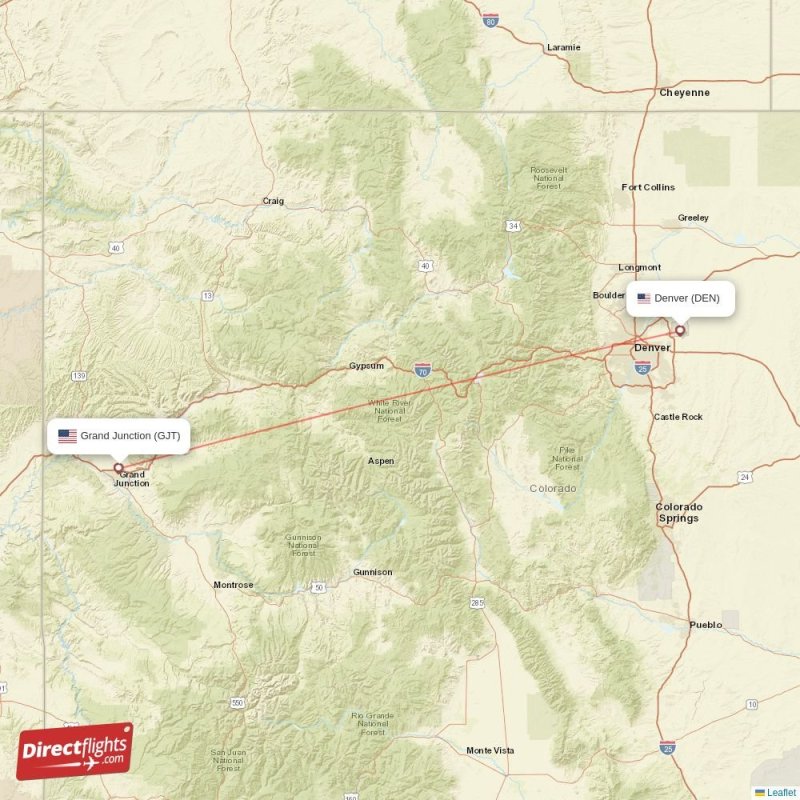
While alternative, less direct routes exist, they typically involve significantly longer travel times and are often chosen for specific scenic detours or to avoid heavy traffic during peak seasons or inclement weather. For the purpose of direct travel, I-70 remains the optimal choice.
Estimated Driving Times
The actual driving time can vary significantly based on factors such as traffic, weather conditions, time of year, and the number and duration of stops.
- Without Stops: Under ideal conditions (clear weather, light traffic), the non-stop drive from [Denver] to [Grand Junction] can take approximately 3.5 to 4 hours.
- With Realistic Stops: Most travelers, however, will want to make at least one or two stops for gas, food, or to simply admire the scenery. Accounting for these, a more realistic travel time is 4.5 to 5.5 hours. This allows for a comfortable pace and brief breaks, making the journey more enjoyable.
- Peak Season/Weather Delays: During winter months, heavy snowfall can significantly slow travel, particularly through mountain passes like the Eisenhower Tunnel and Vail Pass. Summer weekends can also see increased traffic, especially near popular ski resort towns such as Vail, Frisco, and Glenwood Springs. It’s not uncommon for travel times to extend to 6 hours or more under these conditions.
Modes of Transportation
While driving is overwhelmingly the most popular method to travel between [Denver] and [Grand Junction], several other transportation options cater to different preferences and needs.
Driving: The Most Popular Choice
The flexibility and scenic beauty of a road trip make driving the preferred choice for many. Renting a car in [Denver] is straightforward, with numerous rental agencies available at Denver International Airport (DIA) and throughout the city.
- Benefits: Allows for spontaneous stops, exploration of off-the-beaten-path attractions, and control over your schedule. Ideal for families or those carrying significant luggage.
- Considerations: Requires a reliable vehicle, awareness of mountain driving conditions, and preparedness for potential weather changes. Fuel costs and potential chain laws (during winter) are also factors.
Bus Services
Several bus companies offer routes between [Denver] and [Grand Junction]. This is a cost-effective option for travelers without a car or those who prefer not to drive.
- Providers: Greyhound and FlixBus are common carriers, offering multiple daily departures.
- Journey Details: Bus journeys typically take longer than driving, often ranging from 5 to 7 hours, including stops. Prices are generally affordable, though they can vary based on booking in advance and demand.
- Benefits: Economical, allows passengers to relax and enjoy the scenery without the stress of driving, and often includes Wi-Fi.
- Considerations: Less flexible schedule, limited luggage allowance, and fixed routes with specific stops.
Rail Travel: A Scenic Alternative
For a truly unique and picturesque journey, Amtrak’s California Zephyr offers daily service from Denver Union Station to the Grand Junction Station station. This route is often hailed as one of the most beautiful train journeys in North America.
- Experience: The train follows a different path than I-70 for much of the way, traversing dramatic canyons and tunnels, including the iconic Moffat Tunnel. The observation car provides panoramic views of the changing landscapes.
- Journey Details: The train journey typically takes around 6.5 to 7.5 hours, making it slower than driving but a distinct experience. Ticket prices can vary widely based on class of service and booking time.
- Benefits: Unparalleled scenic views, comfortable seating, dining options, and a relaxing way to travel without the responsibilities of driving.
- Considerations: Less frequent service (once daily), can be more expensive than bus travel, and prone to delays.
Air Travel: For Speed and Convenience
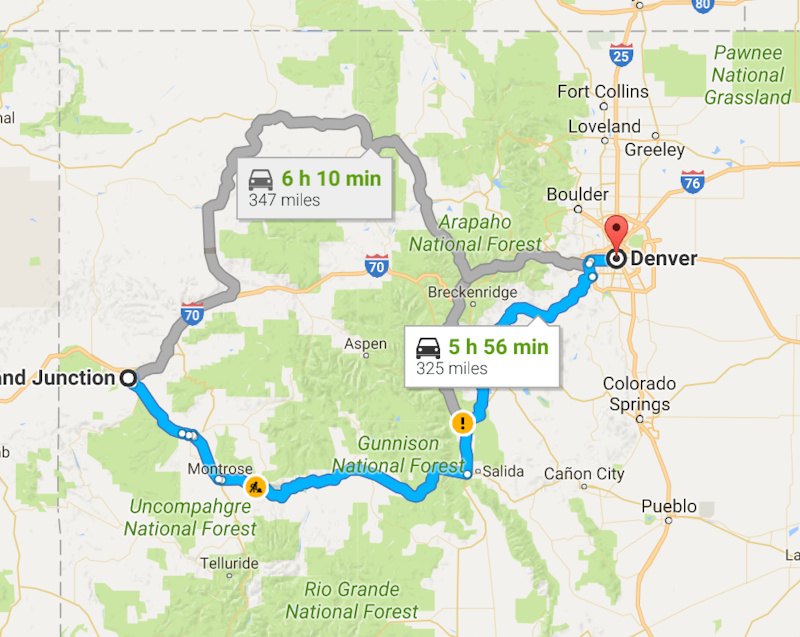
While direct flights between Denver International Airport and Grand Junction Regional Airport (GJT) are available, they are typically less common for this specific route compared to driving or taking the train/bus, due to the relatively short distance.
- Airlines: Major regional carriers often operate these routes, but frequency and directness can vary.
- Journey Details: The flight itself is very short, usually under an hour. However, when factoring in travel to and from airports, security checks, and boarding times, the total door-to-door travel time might not significantly reduce compared to a fast drive, especially for solo travelers or those with minimal baggage.
- Benefits: Fastest actual transit time between the two cities.
- Considerations: Can be the most expensive option, less direct in terms of total travel time due to airport logistics, and limited baggage allowance compared to driving.
Planning Your Road Trip: Essential Considerations
For those opting to drive, a well-planned trip enhances safety and enjoyment, especially through the diverse [Colorado] terrain.
Scenic Stops and Detours
The I-70 corridor offers numerous opportunities for stops that enrich the travel experience:
- Georgetown Loop Railroad: A historic narrow-gauge railroad near Georgetown for a step back in time.
- Dillon Reservoir: Offers beautiful views and recreational activities near Dillon, [Frisco], and Silverthorne.
- Vail and Beaver Creek: World-renowned ski resorts that are stunning in both winter and summer. Vail Village offers charming European-style architecture, dining, and shopping.
- Glenwood Springs: Famous for its hot springs and the thrilling Glenwood Caverns Adventure Park. The drive through Glenwood Canyon itself is an engineering marvel with breathtaking views.
- Rifle Falls State Park: A short detour north of I-70, offering beautiful triple waterfalls and limestone caves.
Weather and Road Conditions
[Colorado] weather, particularly in the [Rocky Mountains], can be unpredictable and change rapidly.- Winter Travel (October to April): Expect snow, ice, and potential road closures, especially on high mountain passes. Four-wheel drive or all-wheel drive vehicles are highly recommended, and drivers must be prepared for chain laws, where traction devices may be required. Check Colorado Department of Transportation (CDOT) for real-time road conditions.
- Summer Travel (May to September): Generally pleasant, but afternoon thunderstorms are common and can lead to flash flooding in canyons. Construction season is also in full swing, which can cause delays.
- High Elevation: The route climbs to elevations over 11,000 feet (3,350 meters) at the [Eisenhower Tunnel], so vehicles should be in good working order. Be aware of potential altitude sickness.
Vehicle Preparation and Safety
Before embarking on your journey, ensure your vehicle is in top condition:
- Tires: Check tire pressure and tread depth. Ensure proper tires for winter conditions if traveling then.
- Fluids: Top off oil, coolant, and windshield washer fluid.
- Brakes: Ensure brakes are in excellent working order, particularly important for mountain descents.
- Emergency Kit: Pack an emergency kit including blankets, first-aid supplies, water, snacks, a flashlight, and jumper cables.
- Fuel: Keep your fuel tank at least half-full, especially when traversing less populated stretches.
Grand Junction: A Gateway to Western Colorado
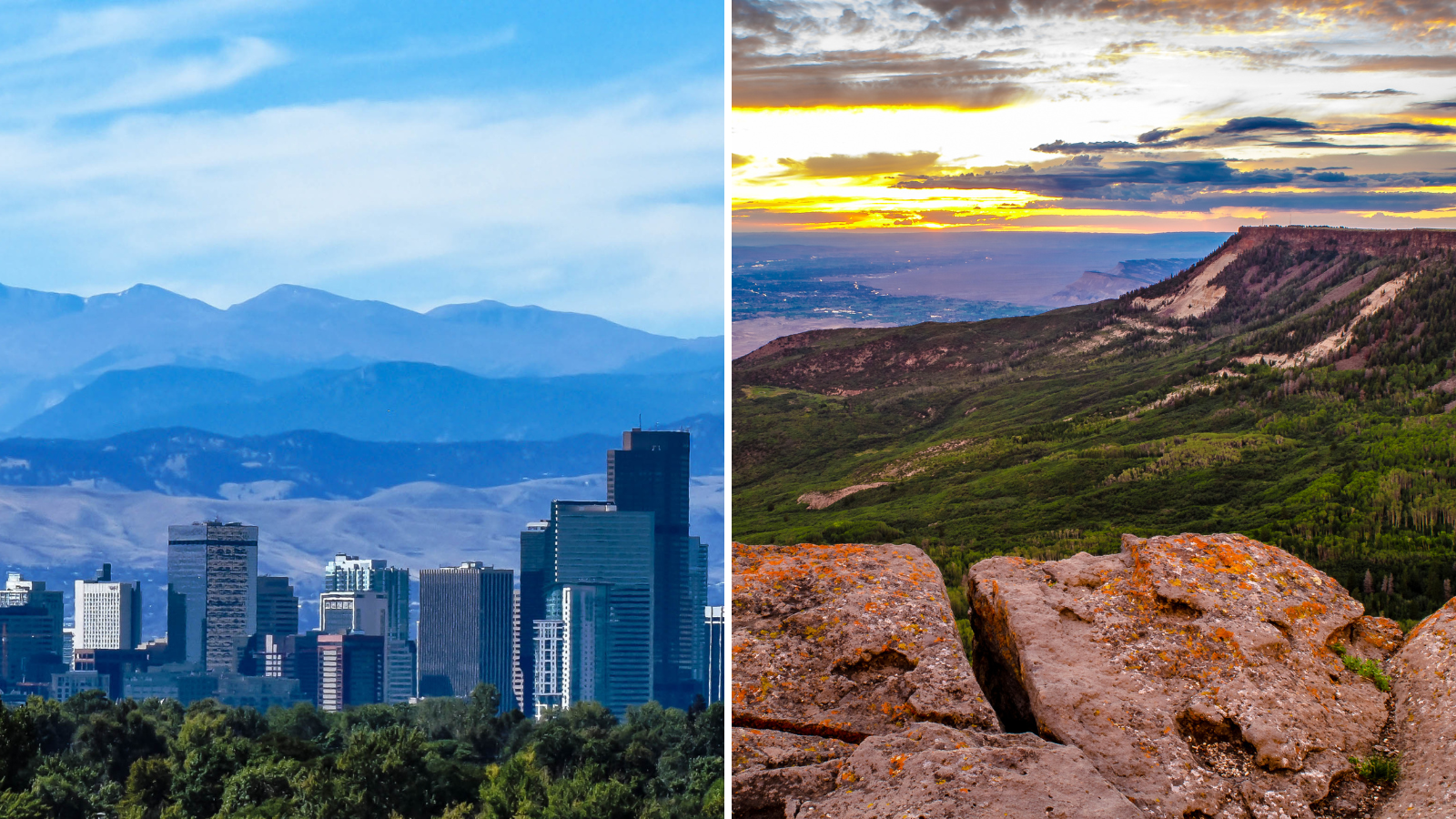
Upon arrival in [Grand Junction], travelers are met with a distinctly different landscape and atmosphere than [Denver]. Located in the high desert of Western Colorado, [Grand Junction] is celebrated for its warm climate, fertile agricultural lands, and stunning red rock formations.
Natural Wonders and Outdoor Adventures
[Grand Junction] serves as an ideal base for exploring a wealth of outdoor activities:- Colorado National Monument: Often called a “mini Grand Canyon,” this national monument features massive canyons, towering monoliths, and a scenic rim drive. It’s a must-visit for hiking, biking, and photography.
- Grand Mesa: The world’s largest flat-top mountain, offering hundreds of lakes for fishing, vast forests for hiking and camping, and stunning fall foliage.
- Palisade Wine Country: Just east of [Grand Junction], the town of Palisade is the heart of [Colorado’s] wine industry. Visitors can enjoy wine tastings, orchard tours, and farm-to-table dining experiences.
- Mountain Biking: [Grand Junction] and the surrounding areas, including Fruita, are renowned for world-class mountain biking trails for all skill levels.
Local Culture and Culinary Delights
Beyond its natural beauty, [Grand Junction] boasts a growing culinary scene and a relaxed, friendly atmosphere.
- Downtown Grand Junction: Features a charming pedestrian-friendly main street with public art sculptures, local shops, and a diverse range of restaurants.
- Farm-to-Table Cuisine: Given its agricultural setting, fresh, local produce and meats are staples in many [Grand Junction] eateries. Don’t miss the opportunity to taste local peaches, apples, and cherries in season.
- Breweries and Distilleries: A burgeoning craft beverage scene complements the established wine country, offering local beers and spirits.
Making the Most of Your Trip
Whether you’re embarking on a swift business trip or a leisurely vacation, the journey from [Denver] to [Grand Junction] is an integral part of the [Colorado] experience. By understanding the distance, choosing the right mode of transportation, and planning for the road ahead, you can ensure a smooth, enjoyable, and memorable adventure across the spectacular landscape of the Centennial State. From the high peaks of the [Rocky Mountains] to the red rock canyons of [Western Colorado], the path connecting these two vibrant cities promises discovery at every turn.
LifeOutOfTheBox is a participant in the Amazon Services LLC Associates Program, an affiliate advertising program designed to provide a means for sites to earn advertising fees by advertising and linking to Amazon.com. Amazon, the Amazon logo, AmazonSupply, and the AmazonSupply logo are trademarks of Amazon.com, Inc. or its affiliates. As an Amazon Associate we earn affiliate commissions from qualifying purchases.