
Embarking on a journey from Georgia to Florida is a common itinerary for many travelers seeking sun-drenched beaches, vibrant cities, or unique natural wonders. These two Southern states share a significant border, making the transition between them a relatively straightforward, yet diverse, travel experience. The distance, however, isn’t a single, fixed number; it varies considerably depending on your specific starting point in Georgia and your intended destination in Florida. Understanding this geographical relationship, the various travel methods, and the factors that influence your journey is key to planning a seamless and enjoyable trip.

From the bustling metropolis of Atlanta to the tranquil barrier islands, Georgia offers a rich tapestry of landscapes and cultures. Similarly, Florida beckons with its world-famous theme parks, pristine coastal areas, and diverse ecosystems. This article serves as a comprehensive guide to navigating the distance between these two popular states, providing insights into routes, travel times, and essential planning tips to ensure your adventure is as smooth as possible.
The Geographic Proximity: Neighbors in the Southeast
Georgia and Florida are inextricably linked by their shared border and position within the southeastern United States. This geographical closeness means that travel between them is often a matter of hours, not days, opening up numerous possibilities for weekend getaways, extended vacations, or business trips. The proximity also fosters a natural flow of culture and commerce, making the transition feel less like crossing an international boundary and more like moving into a different flavor of the American South.
Understanding the Border: From Atlantic Coast to Gulf Coast
The border between Georgia and Florida spans approximately 200 miles, running from the Atlantic Coast in the east to Alabama in the west. This extensive boundary means that “how far” can refer to a multitude of entry and exit points. On the eastern side, the proximity of Jacksonville, Florida to St. Marys, Georgia, and Cumberland Island National Seashore highlights a very short distance, almost blurring the lines between the states. As you move west, the border region becomes more rural, characterized by pine forests, wetlands like the Okefenokee Swamp, and smaller towns.
This varied border geography dictates different travel experiences. Those traveling along the Atlantic seaboard will find themselves quickly crossing the state line on major interstates like I-95. Further west, the journey might involve more scenic, less trafficked routes through South Georgia into North Florida, offering glimpses into the natural beauty of the region.
Key Entry Points and Gateway Cities
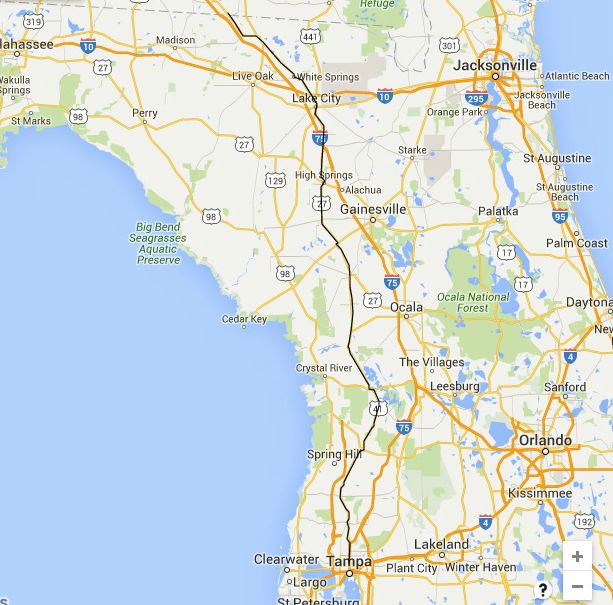
Several cities serve as crucial entry points and hubs for travel between Georgia and Florida. On the Georgia side, Savannah is a popular coastal gateway, especially for those heading to Northeast Florida destinations like Jacksonville or St. Augustine. Inland, Valdosta, Georgia is practically on the border, serving as a direct link for travelers on I-75 heading south towards Gainesville, Orlando, or Tampa.
From the Florida perspective, Jacksonville acts as a major northern hub, pulling traffic from Georgia via I-95 and US-17. In the panhandle, Tallahassee, Florida’s capital, is another significant entry point, particularly for those coming from southwestern Georgia or Alabama. Understanding these key urban centers helps travelers visualize their routes and estimate distances more accurately.
Calculating the Distance: More Than Just Miles
While a straight-line distance might give a simple number, actual travel distance and time are influenced by the specific roads taken, traffic conditions, and desired pace of travel. The journey from Georgia to Florida is rarely a direct point-to-point calculation; rather, it’s about navigating the most efficient or enjoyable routes between cities.
Major City-to-City Routes
To provide a concrete understanding of the distances involved, let’s consider some common city pairings:
- Atlanta, Georgia to Orlando, Florida: This is one of the most popular routes, largely due to Orlando’s status as a premier theme park destination (Walt Disney World, Universal Studios). The distance is approximately 430-450 miles, typically taking 6.5 to 7.5 hours of driving time via I-75 and Florida’s Turnpike.
- Savannah, Georgia to Jacksonville, Florida: A relatively short trip, this route covers about 140 miles along I-95 and takes roughly 2 to 2.5 hours. It’s a common quick hop for coastal travelers.
- Atlanta, Georgia to Miami, Florida: For those heading to South Florida, this is a significant journey. At around 660-700 miles, it typically requires 10 to 11 hours of driving, making it a trip often broken up with an overnight stop. The primary route is I-75 south, continuing through the center of the state.
- Valdosta, Georgia to Tallahassee, Florida: This is one of the shortest interstate drives between the two states, covering about 65-70 miles and taking just over an hour.
These examples illustrate the variability. Even within a state, significant distances can exist. For instance, the drive from Jacksonville to the Florida Keys is a lengthy journey entirely within Florida, adding hours to any trip originating in Georgia.
Factors Influencing Travel Time
Beyond the raw mileage, several elements can significantly impact how long it actually takes to travel from Georgia to Florida.
- Traffic Congestion: Major urban areas like Atlanta, Jacksonville, and Orlando are notorious for rush hour traffic. Traveling through or around these cities during peak times can add an hour or more to your journey. Holiday weekends (e.g., Memorial Day, Labor Day, Spring Break) also see massive surges in traffic, particularly on major arteries like I-75 and I-95.
- Road Construction: Ongoing infrastructure projects are common, especially on busy interstates. Checking real-time traffic apps or state Department of Transportation websites before and during your trip can help you avoid unexpected delays.
- Weather Conditions: While generally sunny, the Southeast is prone to sudden thunderstorms, especially in summer. Florida also experiences hurricane season, which can bring severe weather, flooding, and even evacuations, potentially halting travel. Fog can also be a factor in some low-lying areas, particularly near the Okefenokee Swamp.
- Rest Stops and Fuel: Accounting for stops for fuel, food, and stretching is crucial. A “6-hour drive” can easily become 8 hours with adequate breaks, which are essential for safety and comfort, especially on longer hauls.
Diverse Travel Options: Choosing Your Journey
The choice of how to travel from Georgia to Florida depends on your budget, time constraints, and personal preferences. Each mode of transport offers a distinct experience.
Driving: The Most Common Method
Driving is by far the most popular way to traverse the distance between these two states. It offers unparalleled flexibility, allowing travelers to set their own pace, make spontaneous stops, and carry more luggage.
- Interstate Highways: The backbone of this route includes I-75, which bisects Georgia and continues through central Florida, and I-95, which hugs the Atlantic Coast through both states. These routes are well-maintained and feature numerous exits for gas, food, and lodging.
- Scenic Routes: For those not in a hurry, consider taking a more scenic path. US-17 offers a charming alternative along the Georgia and Florida coasts, passing through quaint towns and offering glimpses of marshlands and coastal ecosystems. In central Georgia, routes like US-19 or US-41 can offer a more relaxed drive through small-town America before merging onto major Florida arteries.
Remember to factor in potential tolls, especially on Florida’s Turnpike and other limited-access highways in Florida. An E-PASS or SunPass transponder can save time and sometimes money.

Flying: Speed and Convenience
For those prioritizing speed, flying is the fastest option, especially for longer distances like Atlanta to Miami or Atlanta to Orlando.
- Major Airports: Hartsfield-Jackson Atlanta International Airport (ATL) is one of the busiest airports in the world, offering countless direct flights to major Florida hubs like Orlando International Airport (MCO), Miami International Airport (MIA), Fort Lauderdale-Hollywood International Airport (FLL), and Tampa International Airport (TPA).
- Regional Connections: Smaller airports like Savannah/Hilton Head International Airport (SAV) or Jacksonville International Airport (JAX) also provide convenient regional flights, though they might involve layovers for longer distances.
While actual flight time might be only 1-2 hours, remember to account for travel to and from airports, security checks, and baggage claim, which can easily add 3-4 hours to the total journey.
Other Modes: Bus and Rail Considerations
For budget-conscious travelers or those who prefer to avoid driving, bus and rail services offer viable alternatives.
- Bus Services: Companies like Greyhound operate extensive networks connecting cities across Georgia and Florida. While generally the most economical, bus travel is also the slowest due to multiple stops and longer routes.
- Amtrak: Amtrak offers limited passenger rail service through both states. The Silver Service and Palmetto lines connect cities like Savannah and Jacksonville and continue south into Florida. Rail travel can be a relaxing way to see the landscape without the stress of driving, though it is often less direct and can be more expensive than bus travel.
Planning Your Trip: Essential Considerations
A well-planned trip ensures a smooth and enjoyable experience, regardless of the distance. When traveling from Georgia to Florida, there are several key factors to keep in mind.
Best Times to Travel
The timing of your trip can significantly affect your experience.
- Seasonal Traffic: Florida is a year-round destination, but certain periods see a massive influx of tourists. Spring Break (March-April), summer vacation (June-August), and major holidays like Christmas and New Year’s can lead to heavier traffic on roads and higher prices for flights and accommodations. The fall (September-November) and late spring (April-May) generally offer milder weather and fewer crowds, making them ideal for a more relaxed journey.
- Weather Patterns: Be mindful of Florida’s hurricane season, which runs from June 1st to November 30th. While direct hits are infrequent, tropical storms can bring heavy rains and disruptions. Conversely, Georgia’s summers can be intensely hot and humid, which might influence driving comfort. Winter offers pleasant temperatures in both states, particularly in Florida.
What to Pack and Prepare For
Your packing list will largely depend on your destination and activities in Florida.
- Essentials: Always pack light, breathable clothing, swimwear, sunscreen, insect repellent (especially if visiting natural areas like Everglades National Park or the Okefenokee Swamp), and comfortable walking shoes. A wide-brimmed hat and sunglasses are also highly recommended due to the intense Florida sun.
- Documentation: Keep your driver’s license, vehicle registration, and insurance information readily accessible if driving. For air travel, a valid ID is essential.
- Vehicle Check: If driving, ensure your vehicle is in good condition: check tire pressure, oil levels, and fluid levels. A breakdown can cause significant delays and stress.
Budgeting for Your Journey
Financial planning is a critical component of any trip.
- Fuel Costs: For drivers, fuel will be a major expense. Map out your route and estimate mileage to get a rough idea of total fuel costs. Prices can vary between states and even within different regions of Florida.
- Flights: Airfare fluctuates based on demand, booking time, and seasonality. Booking in advance and being flexible with your travel dates can yield significant savings.
- Accommodation: Whether you’re planning a multi-day drive or staying for a week, account for hotel or other lodging expenses. Prices in popular Florida destinations can be high, especially during peak season.
- Tolls: Florida has many toll roads. Factor these into your budget, or plan alternative routes if you wish to avoid them.
- Contingency Fund: Always set aside extra funds for unexpected expenses, such as minor repairs, medical needs, or impulse purchases.
Exploring the Transition: Sights and Stops Along the Way
The journey from Georgia to Florida doesn’t have to be solely about getting from point A to point B. It presents an opportunity to discover charming towns, historical sites, and natural beauty that often go unnoticed.
Northern Florida’s Charm
Once you cross into Florida, the northern part of the state offers more than just interstates.
- St. Augustine: The nation’s oldest continuously inhabited European-established settlement, St. Augustine is a must-visit. Explore its historic forts, charming cobblestone streets, and the iconic Castillo de San Marcos.
- Gainesville: Home to the University of Florida, Gainesville offers a vibrant college town atmosphere, botanical gardens, and the nearby Paynes Prairie Preserve State Park, where wild horses and bison roam.
- Amelia Island: Just south of the Georgia border, Amelia Island boasts beautiful beaches, historic Fernandina Beach, and a relaxed, upscale atmosphere.
- Kennedy Space Center: A bit further south but accessible from I-95, this is a fascinating stop for anyone interested in space exploration.
Southern Georgia’s Hidden Gems
Before reaching Florida, South Georgia holds its own allure.
- Okefenokee Swamp National Wildlife Refuge: A vast, pristine wetland ecosystem, the Okefenokee is perfect for nature lovers. Explore by boat, kayak, or on foot to spot alligators, birds, and other wildlife.
- Golden Isles of Georgia: While Savannah gets much attention, the Golden Isles (St. Simons Island, Jekyll Island, Sea Island) offer stunning beaches, historic sites, and charming towns. They are easily accessible from I-95 and make for a delightful detour.
- Andersonville National Historic Site: For history buffs, this site commemorating a notorious Civil War prisoner-of-war camp is a sobering and important stop.
In conclusion, the question “How Far From Georgia To Florida?” elicits a multifaceted answer. While geographically close, the actual distance and travel experience are shaped by your specific points of origin and destination, chosen mode of transport, and the various factors influencing your journey. With careful planning and an adventurous spirit, the trip between these two Southern gems can be as rewarding as the destinations themselves.
LifeOutOfTheBox is a participant in the Amazon Services LLC Associates Program, an affiliate advertising program designed to provide a means for sites to earn advertising fees by advertising and linking to Amazon.com. Amazon, the Amazon logo, AmazonSupply, and the AmazonSupply logo are trademarks of Amazon.com, Inc. or its affiliates. As an Amazon Associate we earn affiliate commissions from qualifying purchases.