
The allure of the Hawaiian Islands and the vibrant shores of California beckons millions of travelers annually, but the vast expanse of the Pacific Ocean separates these two iconic destinations. Understanding the true distance between them is not merely a matter of numbers; it’s fundamental to planning a seamless and enjoyable travel experience, influencing everything from flight duration and cruise itineraries to logistics and expectations. For anyone contemplating a journey between these paradisiacal islands and the bustling mainland, grasping the geographical reality is the first step in unlocking an unforgettable adventure.
The Vast Expanse: Understanding the Pacific Journey
At its core, the journey from Hawaii to California is a trans-Pacific crossing, encompassing thousands of miles of open ocean. The exact distance varies slightly depending on the specific points of origin and destination, whether you’re flying from Honolulu to Los Angeles or sailing from Maui to San Francisco. However, a general understanding places the shortest distance at approximately 2,300 to 2,500 nautical miles (roughly 2,645 to 2,875 statute miles or 4,260 to 4,625 kilometers).
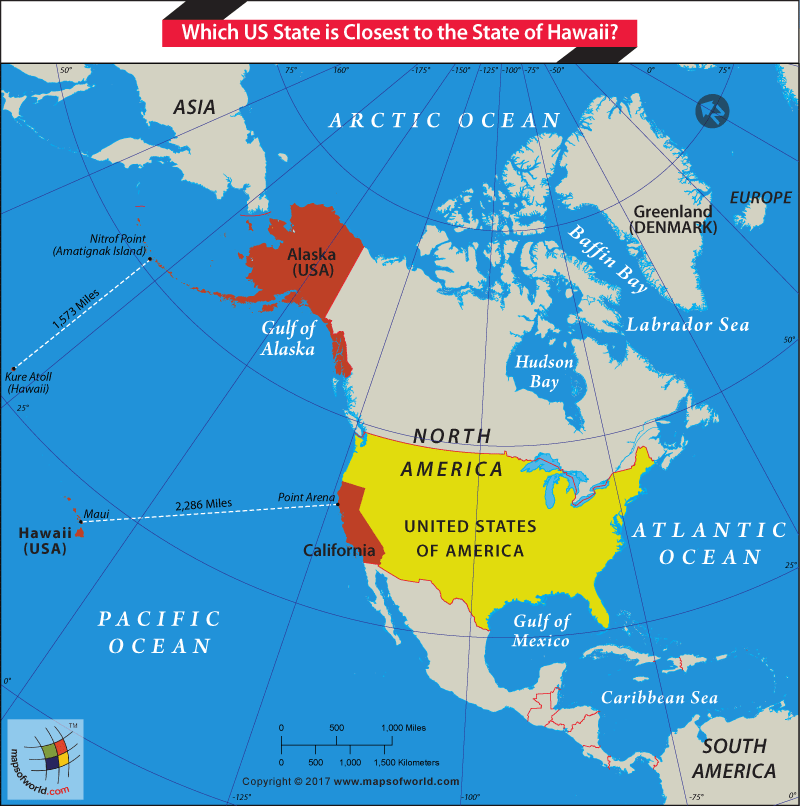
This significant distance positions Hawaii as the most isolated population center of its size on Earth, making travel to and from the mainland an inherent part of its identity. For travelers, this isolation translates into longer travel times compared to typical domestic flights within the continental United States and necessitates specific considerations regarding packing, time zone adjustments, and overall trip planning. It emphasizes that a trip to Hawaii is not just another vacation, but a true escape across a formidable oceanic barrier.
By Air: The Primary Mode of Crossing
For the vast majority of travelers, air travel is the only practical and efficient way to bridge the gap between Hawaii and California. Numerous direct flights connect major Hawaiian airports with key California hubs, offering travelers a relatively swift passage across the Pacific.
Major Routes and Flight Durations
The busiest air corridors typically connect Daniel K. Inouye International Airport (HNL) in Honolulu, Oahu, with major California gateways.
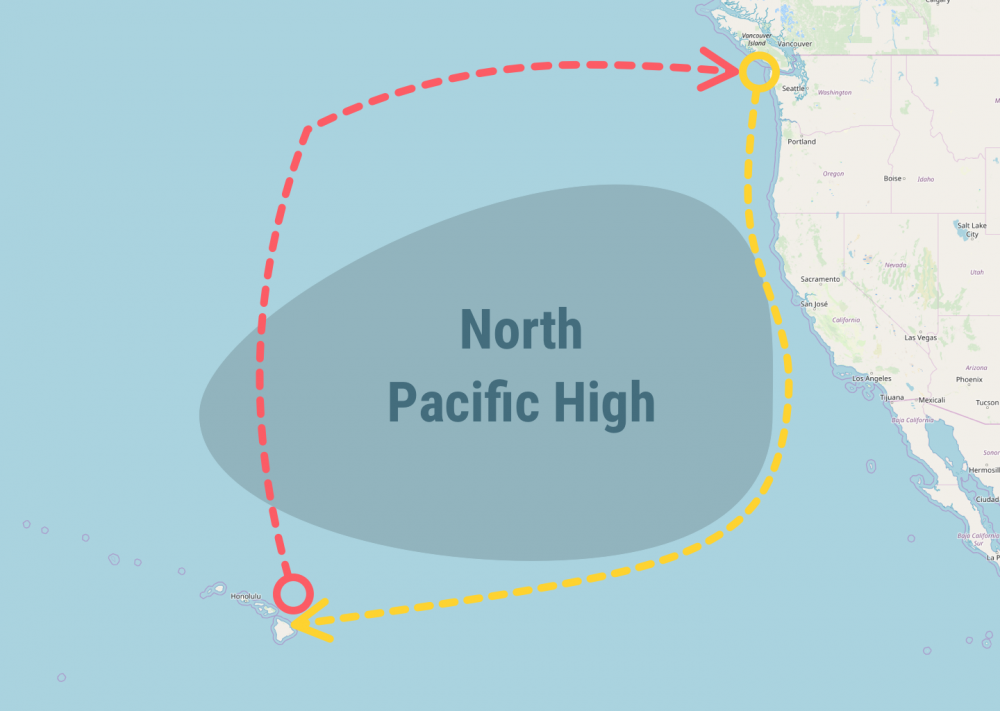
- Honolulu (HNL) to Los Angeles International Airport (LAX): This is one of the most frequently flown routes. The average flight time is approximately 5 hours and 30 minutes to 6 hours when flying eastbound (from Hawaii to California) and slightly longer, 6 hours to 6 hours and 30 minutes, when flying westbound (from California to Hawaii). The difference in duration is primarily due to the prevailing Pacific jet stream, which provides a tailwind for eastbound flights.
- Honolulu (HNL) to San Francisco International Airport (SFO): Similar to LAX, flights between Honolulu and San Francisco also average 5 hours 30 minutes to 6 hours eastbound and 6 hours to 6 hours 30 minutes westbound.
- Honolulu (HNL) to San Diego International Airport (SAN): Flights to San Diego typically fall within the same timeframes, around 5 hours 45 minutes to 6 hours 15 minutes eastbound and 6 hours 15 minutes to 6 hours 45 minutes westbound.
Other Hawaiian islands, such as Maui (Kahului Airport – OGG) and the Big Island (Kona International Airport – KOA), also offer direct connections to various California airports, with comparable flight durations.
Major Airlines and Aircraft Types
Several major carriers operate these routes, offering a range of service levels from budget-friendly to premium.
- Hawaiian Airlines: As the state’s flagship carrier, it offers extensive connections between Hawaii and California, known for its authentic Hawaiian hospitality.
- United Airlines: A major player, operating numerous daily flights from its hubs like San Francisco and Los Angeles.
- Delta Air Lines: Offers robust service, particularly from Los Angeles and Seattle (which then connects to California).
- American Airlines: Provides frequent flights from its key West Coast hubs.
- Southwest Airlines: Has expanded its presence significantly on these routes, often offering competitive pricing.
These airlines typically utilize wide-body aircraft such as the Boeing 787 Dreamliner or Airbus A330 for their comfort and range, though some routes might see Boeing 737 MAX or Airbus A321neo aircraft, particularly on newer, more competitive routes.
By Sea: A Journey of Epic Proportions
While air travel dominates, crossing the Pacific by sea remains a romantic and adventurous alternative for some. This mode of transport drastically changes the perception of “how far” between Hawaii and California, transforming a few hours into several days or even weeks.
Cruise Ships
Cruises offer a luxurious and leisurely way to experience the trans-Pacific journey. While not a direct point-to-point “ferry” service, repositioning cruises or specific Hawaiian itineraries often include segments between California ports (Los Angeles, San Francisco, San Diego) and Hawaii.
- Duration: A typical cruise leg between California and Hawaii usually takes 4 to 6 full days at sea in each direction. A round trip from California visiting multiple Hawaiian islands might span 10 to 18 days in total.
- Experience: Travelers on a cruise enjoy amenities, entertainment, and dining options while watching the endless Pacific unfold. This is less about speed and more about the journey itself.
- Major Cruise Lines: Companies like Princess Cruises, Carnival Cruise Line, and Royal Caribbean International frequently offer Hawaii itineraries.
Sailing and Yachting
For the truly adventurous, sailing one’s own vessel or chartering a yacht offers the ultimate freedom and challenge of a trans-Pacific crossing. This is a significant undertaking, requiring extensive preparation, navigation skills, and robust seafaring equipment.
- Duration: Depending on the boat type, weather conditions, and crew experience, a sailing journey can take anywhere from 10 days to 3 weeks or more. Record-breaking voyages might be shorter, but average recreational crossings are much longer.
- Challenges: The Pacific Ocean can be unpredictable, with strong currents, high seas, and long stretches of solitude. It demands self-sufficiency and a deep understanding of marine navigation and safety protocols. This is typically the domain of seasoned sailors seeking an epic adventure rather than a casual travel option.
Planning Your Trans-Pacific Travel
Considering the considerable distance, thoughtful planning is essential for any journey between Hawaii and California.
Best Time to Travel
While both Hawaii and California enjoy pleasant climates, timing can impact your experience and cost:
- Peak Seasons: Winter (December-April) is popular for Hawaii as mainlanders escape colder weather. Summer (June-August) is also busy with family vacations. Expect higher prices and more crowded flights during these times.
- Shoulder Seasons: Late spring (April-May) and early fall (September-November) often offer a balance of good weather, fewer crowds, and potentially lower prices for both flights and accommodation.
- Weather Considerations: While the Pacific jet stream affects flight times, hurricane season in the Pacific (June-November) is a factor, though direct hits on Hawaii are rare. For sea travel, avoiding the winter storm season is paramount.
Time Zone Adjustment and Jet Lag
The time difference between Hawaii Standard Time (HST) and Pacific Standard Time (PST) in California is typically 2 or 3 hours, depending on Daylight Saving Time. Hawaii does not observe Daylight Saving Time.
- When California is on PST, it’s 2 hours ahead of Hawaii.
- When California is on Pacific Daylight Time (PDT), it’s 3 hours ahead of Hawaii.
This time difference, combined with the duration of the flight, can lead to noticeable jet lag, especially traveling eastbound to California. Travelers should plan for a day of adjustment upon arrival.
Packing and Preparations
While both destinations are in the United States, the climate and cultural nuances differ significantly.
- Hawaii: Focus on lightweight, breathable clothing, swimwear, reef-safe sunscreen, comfortable walking sandals, and perhaps a light jacket for evenings.
- California: Packing varies widely by region. Southern California generally calls for similar items to Hawaii, but Northern California (like San Francisco) can be quite cool, even in summer, requiring layers.
Regardless of destination, always have your ID and necessary travel documents readily accessible. While customs aren’t a concern for domestic travel, agriculture inspections are mandatory upon leaving Hawaii to prevent the spread of invasive species to the mainland.

Why the Distance Matters: Travel Implications
Understanding the distance between Hawaii and California goes beyond mere geography; it shapes the entire travel narrative. It underscores the commitment involved in reaching such a pristine, isolated destination and highlights the unique experiences that await. This profound separation fosters a sense of adventure and discovery, making the journey itself an integral part of the travel experience. It reminds us that some of the most beautiful and culturally rich places require a true crossing, an investment of time and mileage, to fully appreciate their distinct charm.
LifeOutOfTheBox is a participant in the Amazon Services LLC Associates Program, an affiliate advertising program designed to provide a means for sites to earn advertising fees by advertising and linking to Amazon.com. Amazon, the Amazon logo, AmazonSupply, and the AmazonSupply logo are trademarks of Amazon.com, Inc. or its affiliates. As an Amazon Associate we earn affiliate commissions from qualifying purchases.