
Embarking on a journey between two of Texas‘s most vibrant cities, Houston and Austin, is a quintessential experience for any traveler exploring the Lone Star State. Whether you’re drawn by Houston‘s sprawling urban landscape and world-class attractions or Austin‘s eclectic music scene and bohemian charm, understanding the distance between them is the first step in planning your adventure. This exploration delves into the specifics of this popular route, offering insights into travel times, modes of transport, and what makes this inter-city drive a memorable part of a broader Texas itinerary.
The distance from Houston to Austin, Texas, is a key piece of information for anyone planning a road trip, a business visit, or simply a weekend getaway. This route traverses a significant portion of the Texas heartland, showcasing the diverse landscapes and burgeoning communities that define this expansive state. Knowing the exact mileage and estimated travel time allows for efficient planning, ensuring you can maximize your time at your destination and enjoy the journey itself.
The Driving Distance and Estimated Travel Time
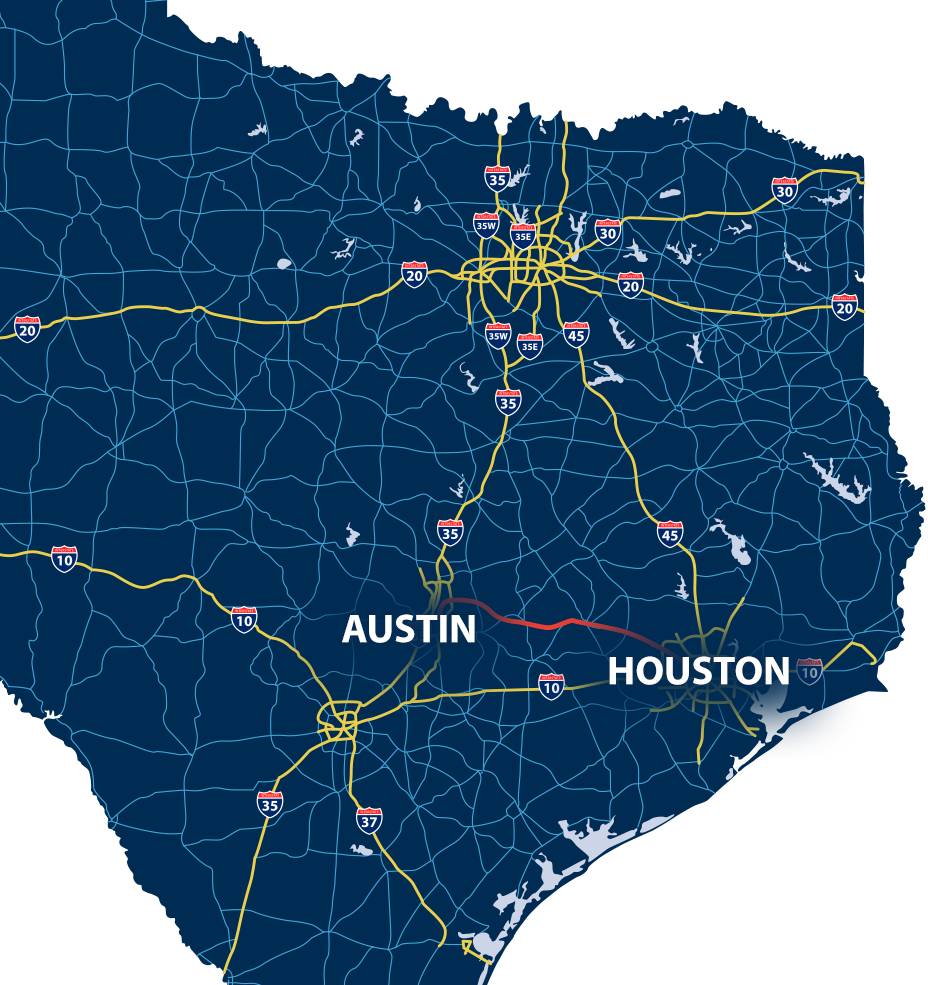
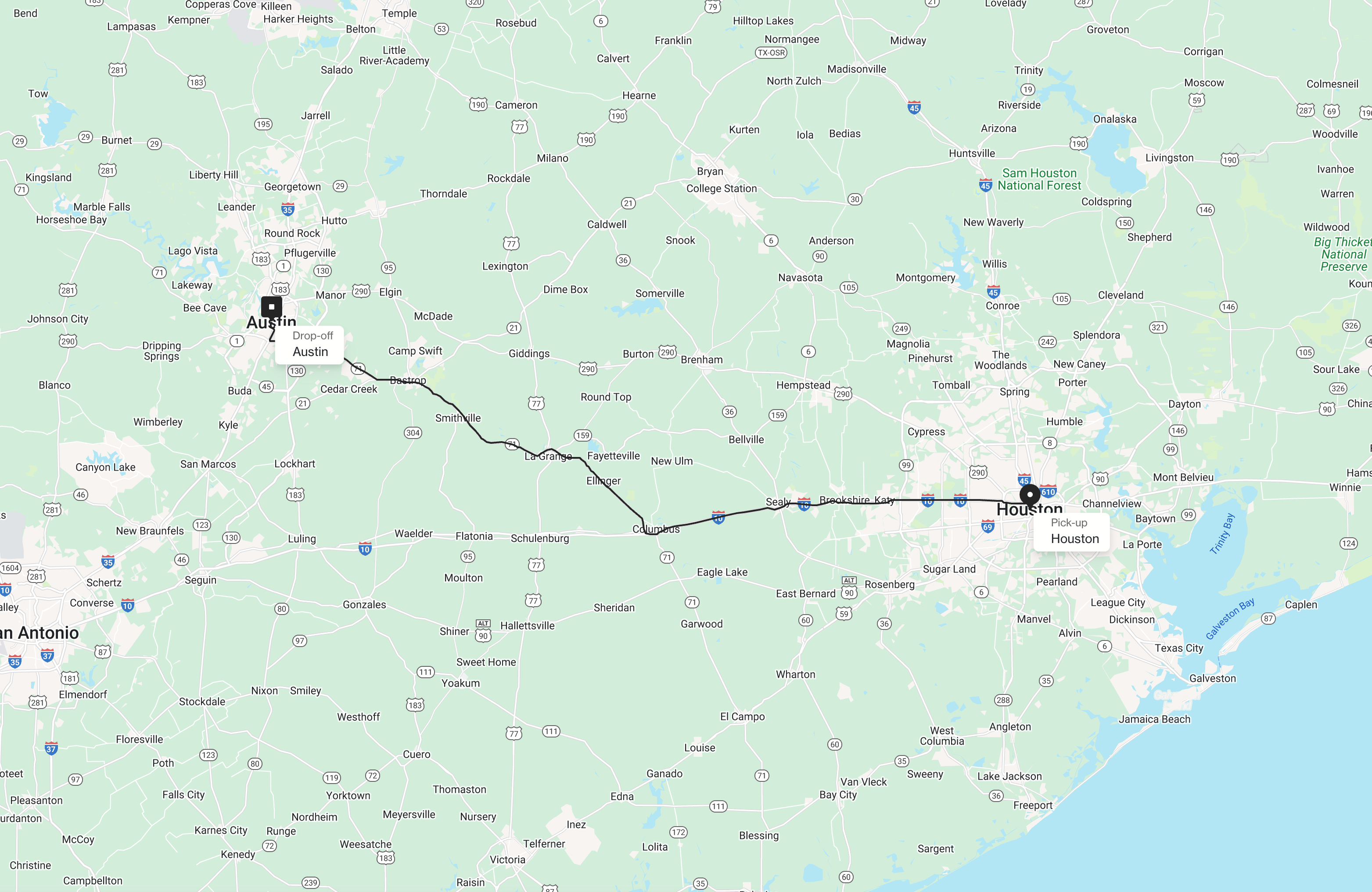
The most common and often preferred method of traveling between Houston and Austin is by car. This allows for flexibility, the ability to make spontaneous stops, and the convenience of carrying luggage without the constraints of airline baggage. The primary route is via Interstate 10 West for a short stretch out of Houston, then transitioning to US Highway 290 West, which leads directly into Austin. Alternatively, some travelers opt for a route that incorporates State Highway 71 West for a portion of the journey.
The direct driving distance between Houston and Austin is approximately 165 miles, though this can vary slightly depending on the specific starting and ending points within each city. This distance translates to an estimated driving time of around 2.5 to 3 hours under normal traffic conditions. However, it’s crucial to factor in variables that can significantly impact this estimate.
Factors Affecting Travel Time
Several factors can influence how long it takes to drive from Houston to Austin. Understanding these will help you set realistic expectations for your journey.
- Traffic Conditions: Both Houston and Austin are major metropolitan areas, and their respective traffic patterns can significantly affect travel times, especially during peak commuting hours. Leaving Houston between 7:00 AM and 9:00 AM or between 4:00 PM and 6:00 PM on weekdays can mean encountering substantial delays. Similarly, approaching Austin during these times, particularly on US Highway 290, can also lead to slower progress. Weekend travel can also see increased congestion as residents and tourists move between cities for leisure.
- Road Construction and Detours: Texas is continuously developing its infrastructure, which means that road construction projects are a common occurrence along major routes. These projects, while beneficial in the long run, can cause slowdowns and necessitate detours. It’s advisable to check real-time traffic apps or local news for any reported disruptions before and during your trip.
- Weather: While Texas generally enjoys favorable weather, severe storms, particularly during the spring and summer months, can impact driving conditions. Heavy rain, fog, or even strong winds can reduce visibility and necessitate slower speeds, thus extending travel time.
- Stops Along the Way: Many travelers choose to break up the drive with stops in charming towns or at roadside attractions. Places like Brenham, known for its bluebonnets in the spring and its connection to Blue Bell Creamery, or the small communities along US Highway 290 offer opportunities for a coffee break, a meal, or a brief exploration. While these stops enhance the travel experience, they naturally add to the overall duration of your journey. If you plan to stop, factor in an additional hour or more for each stop.
Alternative Travel Options
While driving is the most popular choice, there are other ways to get from Houston to Austin that might suit different preferences or needs. These options can offer a more relaxed travel experience, allowing you to focus on other aspects of your trip.
Bus Services
Several bus companies operate regular services between Houston and Austin, providing a budget-friendly and convenient alternative for solo travelers or those who prefer not to drive. Companies like Greyhound and FlixBus offer daily routes, often with multiple departure and arrival times. The journey typically takes around 3 to 4 hours, depending on the number of stops and traffic. Buses usually depart from Houston’s central bus station and arrive at Austin’s main bus terminal, both of which are generally well-connected to public transportation networks. This option can be particularly appealing for students, budget-conscious travelers, or those who wish to avoid the stress of navigating unfamiliar roads and parking in busy cities.
Ride-Sharing and Carpooling
For those seeking a more social or flexible shared-ride experience, ride-sharing services and carpooling platforms can be viable options. Websites and apps dedicated to connecting drivers and passengers traveling similar routes can help you find a ride to Austin from Houston. This can sometimes be more economical than a solo drive and offers a chance to meet new people. However, the reliability and schedule of these options can vary, so it’s important to make arrangements in advance and confirm details with the driver.
Flying
While not the most direct or common method given the relatively short driving distance, flying between Houston and Austin is technically possible. Both cities have major airports: George Bush Intercontinental Airport (IAH) and William P. Hobby Airport (HOU) in Houston, and Austin-Bergstrom International Airport (AUS) in Austin. However, the flight time itself is very short, often less than an hour. When you factor in travel time to and from the airports, security checks, boarding, and baggage claim, the total travel time can easily exceed the time it takes to drive. Therefore, flying is generally only considered a practical option if you are connecting from a longer flight or if you find exceptionally cheap airfare that offsets the added logistical complexities.
Experiencing the Journey: Houston to Austin Highlights
The drive from Houston to Austin isn’t just about covering distance; it’s an opportunity to experience a slice of Texas life and culture. As you leave the vastness of Houston behind, the landscape gradually shifts. The flat, coastal plains begin to undulate, hinting at the rolling hills that characterize the Texas Hill Country, of which Austin is a gateway.
A Glimpse of Local Life and Attractions
As mentioned, the route along US Highway 290 is dotted with charming towns and points of interest that offer a break from the highway and a taste of local flavor.
- Brenham: This town is a popular stop, especially during the spring when the Texas Hill Country bursts into bloom with wildflowers, including the iconic bluebonnets. Brenham is also famously the home of the Blue Bell Creamery, where you can learn about the history of this beloved ice cream brand and, of course, sample some flavors. This is a perfect example of local Texas tourism.
- Giddings and Elgin: These smaller towns offer glimpses into rural Texas life. You might find local diners serving up classic Texas barbecue or antique shops filled with treasures. They represent the authentic lifestyle of smaller communities within the state.
- Johnson City: As you get closer to Austin, you’ll pass through areas that are part of the broader Texas Hill Country region. While Johnson City itself is a bit further west, the scenery around it starts to embody the relaxed pace and natural beauty that draws visitors to the Hill Country. This area is rich in history and natural landmarks.
Arrival in Austin: Music, Food, and Culture
Upon arriving in Austin, you’ll immediately sense the city’s unique energy. Known as the “Live Music Capital of the World,” Austin offers an unparalleled array of musical experiences, from intimate honky-tonks to large outdoor amphitheaters. The city’s culinary scene is equally diverse, with a strong emphasis on Texas barbecue, Tex-Mex, and innovative food trucks offering a wide range of international cuisines.
For those interested in tourism, Austin boasts numerous attractions. You can explore the historic Texas State Capitol, stroll along the shores of Lady Bird Lake, or immerse yourself in the vibrant atmosphere of South Congress Avenue with its eclectic shops and eateries. The city’s dedication to preserving its local culture is evident in its many festivals, art galleries, and street art. Whether you’re looking for luxury travel experiences or budget travel options, Austin caters to a wide spectrum of visitors, offering everything from boutique hotels and luxurious resorts to charming apartments and affordable accommodations. The city truly embodies a dynamic lifestyle that blends tradition with a forward-thinking spirit, making it a compelling destination for families, business travelers, and independent explorers alike.
Understanding the distance from Houston to Austin is the initial step in planning a journey that promises a rich tapestry of Texas experiences. From the urban sprawl of Houston to the eclectic charm of Austin, this route is more than just miles on a map; it’s an invitation to discover the heart of Texas.
LifeOutOfTheBox is a participant in the Amazon Services LLC Associates Program, an affiliate advertising program designed to provide a means for sites to earn advertising fees by advertising and linking to Amazon.com. Amazon, the Amazon logo, AmazonSupply, and the AmazonSupply logo are trademarks of Amazon.com, Inc. or its affiliates. As an Amazon Associate we earn affiliate commissions from qualifying purchases.