
The allure of Las Vegas, a city synonymous with glittering lights and exhilarating entertainment, often serves as a gateway for adventurers seeking the natural wonders of the American Southwest. Among its most captivating neighbors is Bryce Canyon National Park, a geological masterpiece renowned for its unique hoodoo formations and breathtaking amphitheaters. Understanding the distance and travel logistics between these two distinct destinations is crucial for planning an unforgettable road trip.
The Direct Driving Distance and Time
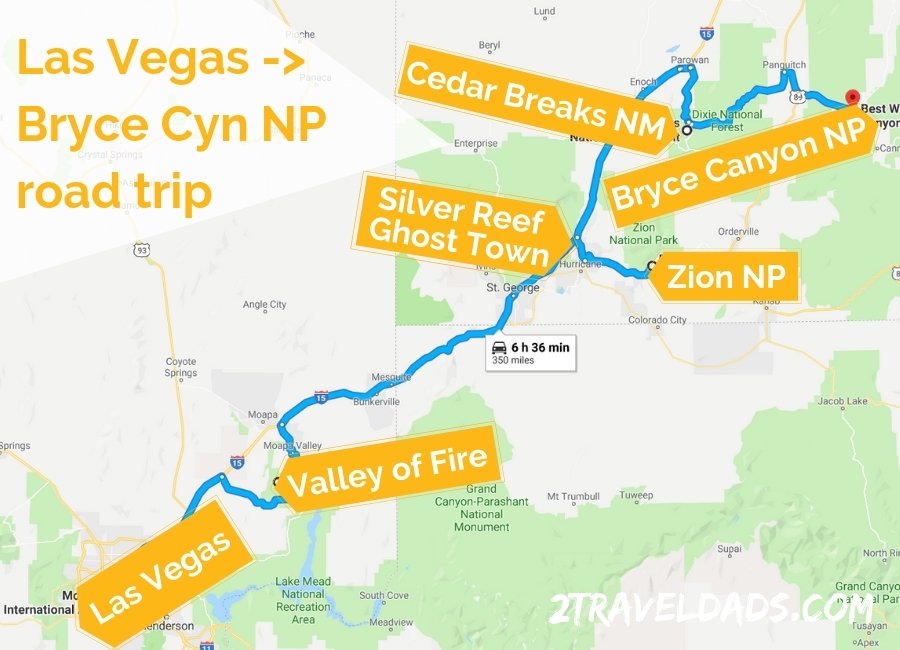
The most common and straightforward route from Las Vegas to Bryce Canyon National Park involves driving east and then north. The total driving distance is approximately 260 miles (418 kilometers). Under ideal conditions, with minimal traffic and no stops, this journey can be completed in about 4 to 4.5 hours. However, it’s important to factor in potential variables that can influence travel time.
Factors Affecting Travel Time
- Traffic: While traffic is usually less of a concern once you leave the immediate Las Vegas metropolitan area, the initial departure can sometimes involve delays, especially during peak travel times or weekends.
- Road Construction: As with any major thoroughfare, construction projects can sporadically impact travel times. It’s advisable to check local traffic reports before embarking on your journey.
- Weather Conditions: The weather can play a significant role, particularly during the winter months. Snow and ice can make road conditions hazardous and slow down travel considerably, especially in the higher elevations approaching Bryce Canyon. Summer can bring intense heat, necessitating frequent breaks and hydration.
- Vehicle Type and Speed: The type of vehicle you are driving and your adherence to speed limits will naturally influence the overall travel time. Larger RVs or slower-moving vehicles may take longer.
- Rest Stops and Scenic Overlooks: This is a journey where you’ll want to stop and appreciate the changing landscapes. Unscheduled stops at scenic overlooks or for essential breaks will extend your overall trip duration.
Exploring the Route: Key Highways and Potential Stops
The most common driving route from Las Vegas to Bryce Canyon National Park typically follows a combination of U.S. Highway 93 North and then State Route 9 East, before joining U.S. Highway 89 North and finally State Route 12 East, which leads directly to the park’s entrance.
Route Breakdown
- Las Vegas to Mesquite, Nevada: The initial leg of the journey takes you northeast out of Las Vegas on I-15 North. This section is characterized by the stark beauty of the Mojave Desert.
- Mesquite, Nevada to Kanab, Utah: Continuing on I-15 North, you will cross the border into Utah. The landscape begins to shift, becoming more mountainous and rugged. The town of Kanab, often called “Little Hollywood” for its history in Western filmmaking, is a good place to stop for fuel, food, or a brief rest.
- Kanab, Utah to Panguitch, Utah: From Kanab, you’ll take U.S. Highway 89 North. This stretch offers increasingly dramatic scenery as you approach the Colorado Plateau.
- Panguitch, Utah to Bryce Canyon City, Utah: The final approach is via Utah State Route 12 East, a designated All-American Road. This scenic byway is a journey in itself, offering spectacular vistas as it winds through red rock country and ascends towards the park. You will pass through Bryce Canyon City, which offers lodging and dining options just outside the park entrance.
Recommended Stops and Attractions Along the Way
While the direct drive is manageable, extending the journey to explore some of the unique sights between Las Vegas and Bryce Canyon can significantly enrich your travel experience.
- Valley of Fire State Park, Nevada: Located about an hour northeast of Las Vegas, this park boasts vibrant red sandstone formations, petroglyphs, and unique geological features. It’s a worthwhile detour if you have extra time before heading towards Bryce Canyon.
- Zion National Park, Utah: While not directly on the most direct route to Bryce Canyon, Zion National Park is a popular and accessible add-on. If you plan to visit both parks, you could drive from Las Vegas to Zion, spend a day or two, and then drive to Bryce Canyon (approximately a 1.5 to 2-hour drive between the two). The route would typically involve I-15 North to UT-9 East.
- Kanab, Utah: As mentioned, Kanab offers a charming small-town atmosphere, historical context, and is a convenient point for services. It’s also a gateway to several other attractions like Best Friends Animal Sanctuary and the Grand Staircase-Escalante National Monument.
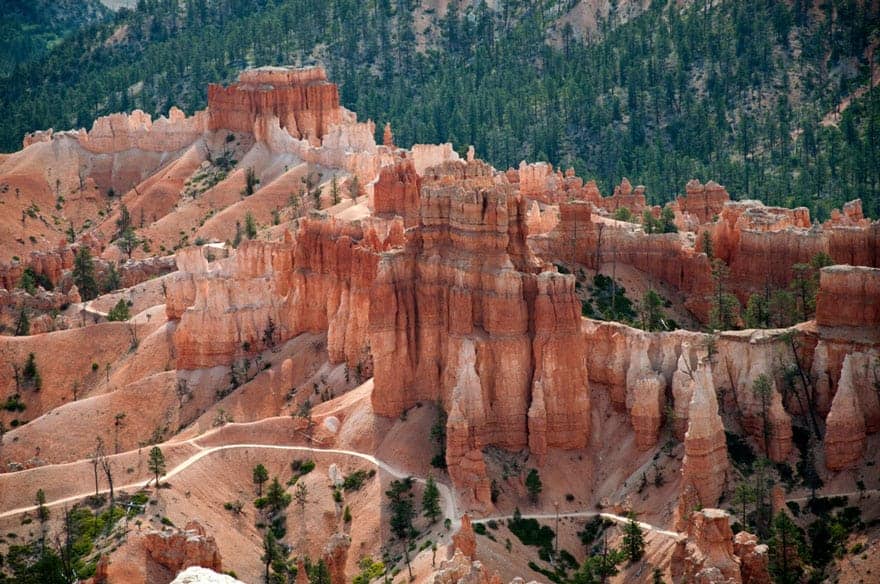
- Scenic Byway 12: The final stretch on UT-12 is a destination in itself. This byway offers breathtaking views of diverse landscapes, including red rock canyons, alpine forests, and expansive valleys. It is often cited as one of the most beautiful drives in America. Be prepared for winding roads and dramatic elevation changes.
Planning Your Trip: Considerations for a Seamless Journey
Successfully navigating from the bustling energy of Las Vegas to the serene majesty of Bryce Canyon National Park requires thoughtful planning. The difference in environment, altitude, and available services necessitates preparation.
Vehicle Preparation
Ensure your vehicle is in good working order. Given the distances and potential for remote driving, checking tire pressure, fluid levels, and brakes is paramount. Carry a spare tire and the necessary tools for any potential roadside issues. For travel during winter, consider having snow chains or ensuring your vehicle is equipped for snowy conditions.
Navigation
While GPS devices and smartphone navigation apps are invaluable, it’s wise to have a physical map or downloaded offline maps. Cell service can be spotty to non-existent in certain stretches between the two destinations and within the national park.
Accommodations
Lodging options are more plentiful in Las Vegas. In contrast, accommodations near Bryce Canyon National Park are limited, particularly within the park itself. Options include The Lodge at Bryce Canyon (inside the park) and hotels in nearby Bryce Canyon City and Tropic. Booking well in advance, especially during peak seasons (summer and fall), is highly recommended. Consider staying in towns like Kanab or Panguitch if your itinerary allows for a more relaxed pace or includes stops at other attractions.
Supplies and Services
Gas stations and services become less frequent as you move away from major towns. It’s advisable to refuel your vehicle whenever you have the opportunity in larger towns like Mesquite, St. George, or Kanab. Carry plenty of water, snacks, and any necessary medications, as services can be scarce in more remote areas. The climate in Bryce Canyon is significantly different from Las Vegas; it is at a much higher elevation and can be considerably colder, especially at night, even in summer. Pack layers of clothing.
Park Entrance and Timed Entry
Bryce Canyon National Park requires an entrance fee. Check the official National Park Service website for current fees and any potential need for timed entry reservations, which are sometimes implemented during peak visitor periods to manage crowds.
The Journey’s End: Arriving at Bryce Canyon
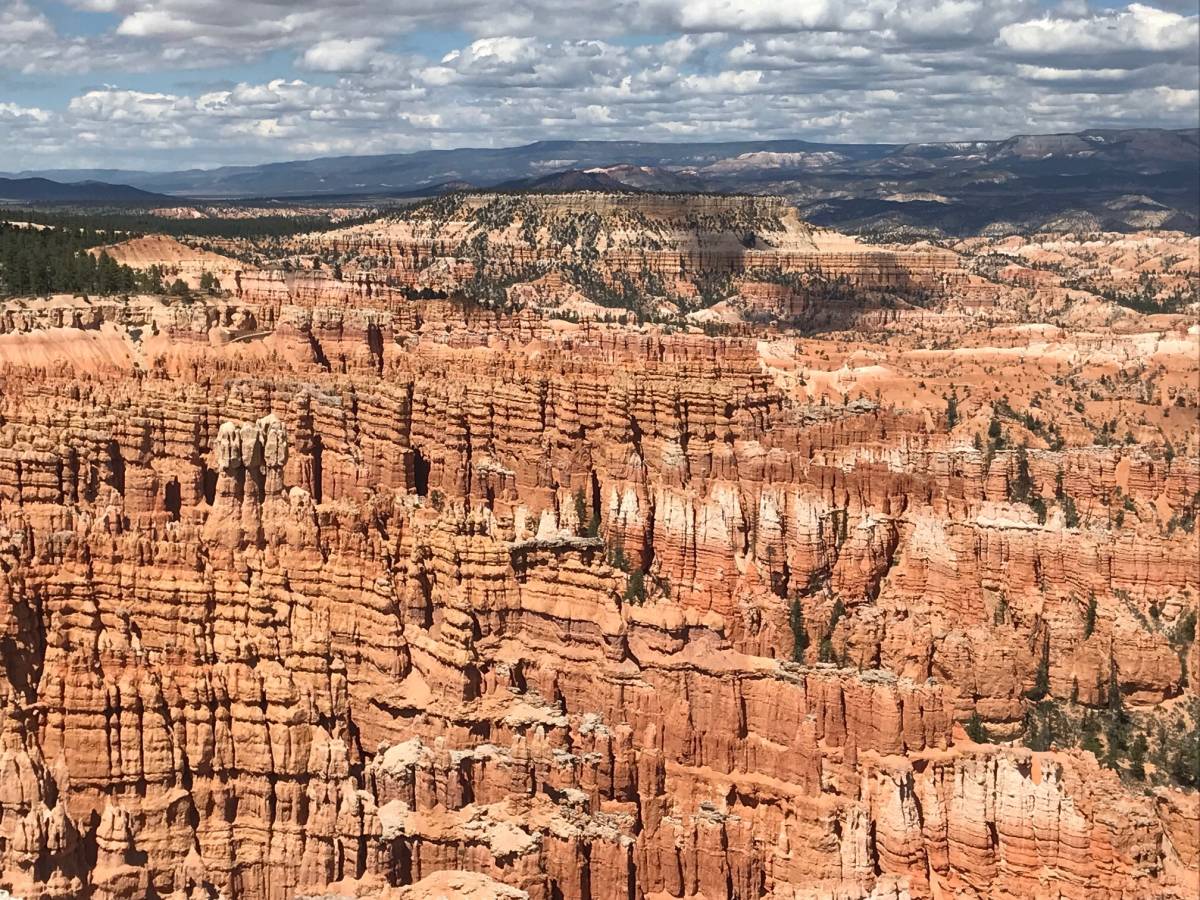
The drive from Las Vegas to Bryce Canyon National Park is more than just a transition between two points; it’s an unfolding narrative of changing landscapes and geological wonders. By understanding the distances, planning your route, and preparing for the journey, you can transform this drive into an integral and enjoyable part of your Southwestern adventure. The contrast between the man-made spectacle of Las Vegas and the raw, timeless beauty of Bryce Canyon offers a compelling testament to the diverse experiences available within a relatively short distance in the American West. Whether you opt for a direct drive or a more leisurely exploration with stops at other incredible natural landmarks like Zion National Park or the Grand Canyon (which requires a different route), the journey is as rewarding as the destination.
LifeOutOfTheBox is a participant in the Amazon Services LLC Associates Program, an affiliate advertising program designed to provide a means for sites to earn advertising fees by advertising and linking to Amazon.com. Amazon, the Amazon logo, AmazonSupply, and the AmazonSupply logo are trademarks of Amazon.com, Inc. or its affiliates. As an Amazon Associate we earn affiliate commissions from qualifying purchases.