
Embarking on a journey between two of California’s most iconic cities, Los Angeles and San Francisco, is a classic West Coast adventure. The distance between these urban giants is a crucial piece of information for any traveler planning their itinerary, whether by car, plane, or public transport. Understanding the mileage and the associated travel times will help you optimize your trip, allowing for ample exploration of the diverse landscapes and experiences that lie between and within these vibrant hubs. This guide delves into the specifics of the distance, offering insights into the various ways to bridge the gap and maximize your California road trip or transit experience.
The Direct Distance: A Measured Perspective
The most straightforward answer to “How far from [Los Angeles] to [San Francisco]?” depends on the specific points of origin and destination within each sprawling metropolitan area. However, the generally accepted straight-line or “as-the-crow-flies” distance is approximately 340 miles (about 547 kilometers). This figure provides a basic understanding but doesn’t account for the practicalities of travel on paved roads or air routes. For most travelers, the actual driving distance is a more relevant metric.
Driving Distance and Route Variations
The most common driving route between [Los Angeles] and [San Francisco] utilizes California State Route 101 (US-101) or a combination of Interstate 5 (I-5) and US-101, or even the scenic Pacific Coast Highway (State Route 1).
- Via I-5: This is typically the fastest and most direct driving route. The distance is approximately 380 miles (about 612 kilometers). The drive usually takes between 5.5 to 7 hours, depending heavily on traffic conditions, particularly when exiting or entering [Los Angeles] and [San Francisco]. This freeway is known for its efficiency but offers less in terms of picturesque scenery.
- Via US-101: This route is slightly longer, often around 400 to 420 miles (about 644 to 676 kilometers), depending on the specific path taken through the cities. The travel time can be similar to I-5, but it often passes through more populated areas and can encounter more localized traffic. US-101 offers a somewhat more varied landscape than I-5, with stretches passing through agricultural regions and smaller towns.
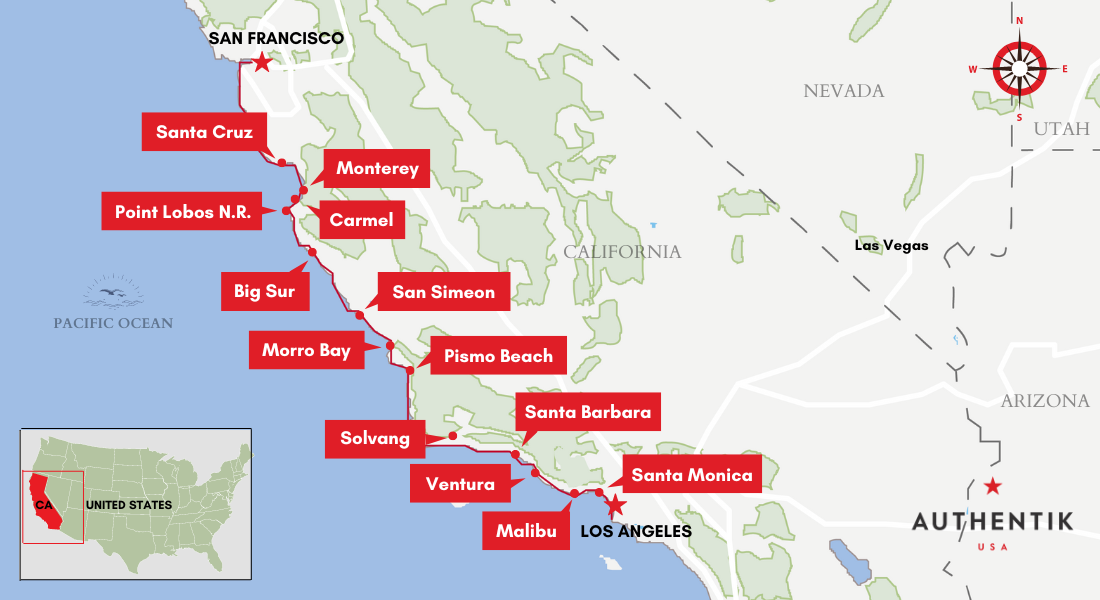
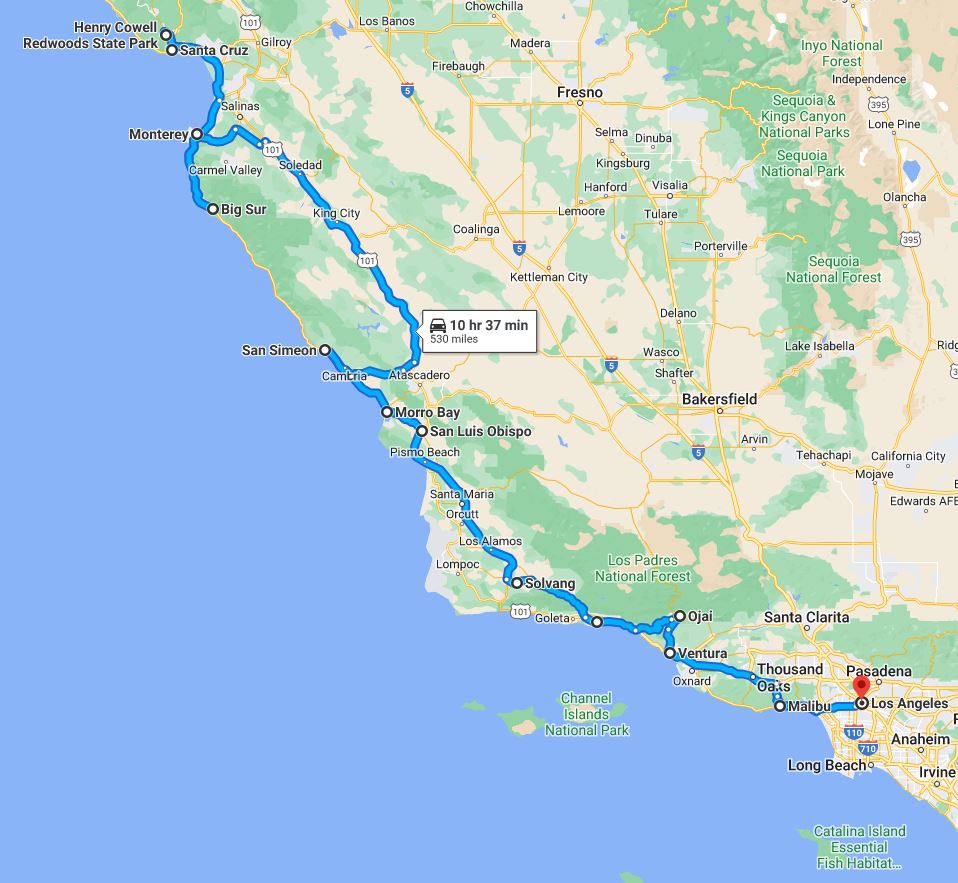
- Via State Route 1 (Pacific Coast Highway): For travelers prioritizing breathtaking coastal views, the Pacific Coast Highway is an unparalleled experience. However, it is significantly longer and slower. The driving distance can exceed 500 miles (about 805 kilometers), and the journey can take anywhere from 9 to 12 hours or even longer, especially if you plan to stop and explore the numerous points of interest along the way. This route is less about reaching the destination quickly and more about the journey itself, showcasing dramatic cliffs, charming beach towns, and iconic landmarks like the Bixby Creek Bridge.
The choice of route significantly impacts not only the distance but also the overall travel time and the type of experience you will have.
Factors Influencing Travel Time
Several factors can drastically alter the time it takes to travel between [Los Angeles] and [San Francisco]:
- Traffic: This is arguably the most significant variable, especially during peak hours, holidays, or major events. The Los Angeles basin and the San Francisco Bay Area are notorious for their congestion.
- Time of Day: Driving during off-peak hours, such as late at night or early in the morning on weekdays, can shave considerable time off your journey.
- Road Conditions and Construction: Unexpected road closures, construction zones, or weather events can lead to significant delays.
- Stops: The estimated driving times usually do not include stops for fuel, food, or sightseeing. For longer routes or those with planned excursions, factor in additional time.
- Vehicle Type: While less impactful on distance, the fuel efficiency of your vehicle will influence the number of stops needed for refueling.
Alternative Modes of Transportation
While driving is a popular option, several other modes of transport can bridge the gap between [Los Angeles] and [San Francisco], each with its own distance and time considerations.
Air Travel: The Fastest Option
For those seeking efficiency, flying is the quickest way to travel between the two cities.
- Flight Distance: The air distance is similar to the straight-line distance, roughly 340 miles.
- Flight Time: Actual flight duration is typically around 1 hour and 15 minutes to 1 hour and 30 minutes.
- Total Travel Time: However, when factoring in travel to and from airports, check-in procedures, security screening, and baggage claim, the total door-to-door travel time can easily extend to 4 to 6 hours. Both Los Angeles International Airport (LAX) and San Francisco International Airport (SFO) are major hubs, with numerous daily flights operated by various airlines, including United Airlines, American Airlines, and Delta Air Lines.
Train Travel: A Scenic and Relaxing Journey
Amtrak offers a comfortable and scenic train service between [Los Angeles] and [San Francisco].
- Route and Distance: The Amtrak route, primarily the Coast Starlight, travels along the coast for a significant portion of the journey, offering stunning ocean views. The rail distance is considerably longer than the driving distance, often exceeding 450 miles.
- Travel Time: This is a journey for those who enjoy the travel itself. The Coast Starlight typically takes around 10 to 12 hours to complete the trip, making it an overnight or a full-day experience. While longer than driving or flying, it allows passengers to relax, work, dine, and enjoy the scenery without the stress of driving or airport hassles. The train arrives at Emeryville Station, which is a short bus or BART (Bay Area Rapid Transit) connection away from downtown San Francisco.
Bus Travel: The Budget-Friendly Choice
Several bus companies, including Greyhound and other regional providers, offer services between [Los Angeles] and [San Francisco].
- Distance and Route: Bus routes often follow similar roadways to the driving routes, primarily I-5 or US-101. The distance is comparable to driving, around 380-400 miles.
- Travel Time: Bus journeys are generally longer than driving due to frequent stops for passengers and rest breaks. Expect travel times to range from 7 to 9 hours, sometimes longer depending on the specific service and traffic conditions. While it is the most economical option, it requires the longest commitment in terms of travel duration.
Planning Your Journey: Distance as a Factor
Understanding the distance and associated travel times is fundamental to planning a successful trip between [Los Angeles] and [San Francisco].
Choosing Your Travel Method
- For Speed: If time is of the essence, flying is the clear winner, despite the overhead of airport procedures.
- For Scenery and Relaxation: The train offers a unique blend of comfort and breathtaking views, ideal for those who want to savor the journey.
- For Budget-Conscious Travelers: Bus travel provides the most affordable option, though it demands the most time.
- For Flexibility and Exploration: Driving offers unparalleled freedom to stop at points of interest, discover hidden gems, and control your schedule. The distance via car allows for a multi-day road trip with stops in charming towns like Santa Barbara, San Luis Obispo, or Monterey.

Mapping Your Itinerary
When mapping out your itinerary, consider these distance-related implications:
- Day Trip vs. Overnight: A day trip by car is feasible but will involve long hours behind the wheel and limited time for exploration in either city. For a more enjoyable experience, consider an overnight stop or a multi-day road trip.
- Booking Accommodation: If you plan to drive and stop en route, research hotels and accommodations in towns along your chosen route. For example, the Central Coast offers a wealth of charming inns and boutique hotels.
- Allowing for Detours: If you opt for the Pacific Coast Highway, be prepared for a significantly longer journey and embrace the opportunity to explore coastal vistas and attractions. The distance may be greater, but the experiential return is immense.
The question of “How far from [Los Angeles] to [San Francisco]?” is more than just a geographical query; it’s a gateway to understanding the diverse travel options and experiences available in the Golden State. Whether you prioritize speed, scenery, or savings, the distance serves as a foundational element in crafting your ideal California adventure.
LifeOutOfTheBox is a participant in the Amazon Services LLC Associates Program, an affiliate advertising program designed to provide a means for sites to earn advertising fees by advertising and linking to Amazon.com. Amazon, the Amazon logo, AmazonSupply, and the AmazonSupply logo are trademarks of Amazon.com, Inc. or its affiliates. As an Amazon Associate we earn affiliate commissions from qualifying purchases.