
The allure of a road trip between two of America’s most iconic cities, Los Angeles, California, and Las Vegas, Nevada, is undeniable. Whether you’re chasing the bright lights of the Las Vegas Strip after exploring the cinematic landscapes of Hollywood, or simply seeking a change of pace, understanding the journey is the first step. This guide delves into every aspect of traveling between these two vibrant destinations, covering distances, routes, modes of transport, and what to expect along the way. From detailed travel guides to accommodation insights and tips for different travel lifestyles, we aim to make your journey as smooth and enjoyable as the destinations themselves.
The Essential Journey: Distance and Drive Time
Embarking on a trip from Los Angeles to Las Vegas typically means a scenic drive across the vast expanses of the Mojave Desert. This popular route is frequented by millions annually, each seeking their own adventure.
Breaking Down the Miles and Minutes
The direct distance between the heart of Los Angeles and the glittering core of Las Vegas is approximately 270 miles (about 435 kilometers). However, this number can vary slightly depending on your specific starting point in Los Angeles and your final destination in Las Vegas. For instance, traveling from Downtown Los Angeles to the Las Vegas Strip might be slightly different than from Santa Monica to Downtown Las Vegas.
When it comes to drive time, the consensus is that it takes roughly 4 to 5 hours under ideal conditions. What exactly constitutes “ideal conditions”? Primarily, this means minimal traffic, no major road construction, and few stops. Given the notorious traffic congestion in Southern California and around Las Vegas, especially during peak travel times such as Friday afternoons, Sunday evenings, or holiday weekends, this duration can easily stretch to 6 or even 7+ hours. Planning your departure outside these peak periods is a crucial tip for a smoother journey. Morning departures during weekdays often offer the quickest transit times.
Navigating the Most Common Routes
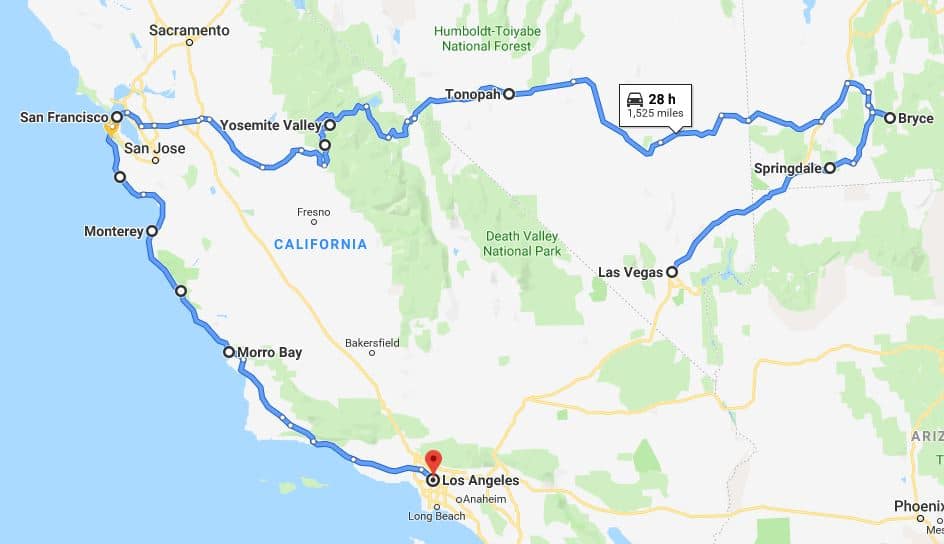
The overwhelming majority of travelers opt for one main arterial route: Interstate 15 (I-15). This well-maintained highway provides a direct shot from Southern California straight into the heart of Las Vegas.
- Interstate 15 (I-15) North: This is the most straightforward and fastest route. Starting from Los Angeles, you’ll merge onto Interstate 15 North and essentially follow it all the way to Las Vegas. The drive takes you through desert landscapes, with various small towns and roadside attractions offering opportunities for quick breaks, gas, and snacks. Towns like Barstow and Baker serve as common pit stops before you reach the Nevada state line.
- Alternative Routes (with detours): While Interstate 15 is the primary path, some travelers might consider scenic detours or slightly longer alternatives for specific reasons. For example, some might combine their trip with a visit to Death Valley National Park by taking California State Route 58 East from Barstow, which then connects to U.S. Route 95 North. This adds significant time and distance but offers breathtaking natural beauty. However, for a direct Los Angeles to Las Vegas journey, I-15 remains the unrivaled champion.
Beyond the Drive: Alternative Transportation Options
While the road trip is iconic, driving isn’t the only way to get from Los Angeles to Las Vegas. Depending on your budget, time constraints, and preference for comfort, several other options are available.
Flying High: The Quickest Route
For those prioritizing speed and convenience, flying is undoubtedly the fastest way to travel. Numerous daily flights connect Los Angeles International Airport (LAX) and other regional Los Angeles airports (such as Hollywood Burbank Airport or Long Beach Airport) to Harry Reid International Airport (LAS) in Las Vegas.
- Flight Duration: The actual flight time is remarkably short, typically around 1 hour to 1 hour and 15 minutes.
- Total Travel Time: However, factoring in travel to and from airports, security checks, and boarding, the total door-to-door travel time can easily accumulate to 3 to 5 hours. This makes it comparable to, and often faster than, driving during heavy traffic periods.
- Cost: Airfare can vary wildly based on booking in advance, the time of year, and airline sales. Budget airlines often offer highly competitive rates, sometimes making flying a surprisingly affordable option, especially for solo travelers or those with limited time.
Bus and Train: Budget-Friendly and Scenic Alternatives
For travelers on a tighter budget, seeking a more relaxed journey, or simply preferring not to drive, bus services offer a viable solution. While a direct train service doesn’t exist between the two cities in the traditional sense, bus travel is robust.
- Bus Services: Companies like Greyhound and FlixBus operate multiple daily routes between Los Angeles and Las Vegas. The journey duration typically ranges from 5.5 to 7 hours, depending on the number of stops and traffic conditions.
- Amenities: Modern bus coaches often come equipped with amenities like Wi-Fi, power outlets, and comfortable seating, making the journey pleasant. This option allows passengers to relax, read, work, or simply enjoy the desert scenery without the stress of driving.
- Cost-Effectiveness: Bus tickets are generally the most economical choice, often significantly cheaper than flying or the combined cost of gas and car rental for driving.
- Train Options: While there isn’t a direct Amtrak route directly into Las Vegas, travelers can take an Amtrak train to a nearby station, such as Needles, California, and then connect via bus service. This is a much longer and less direct option and is usually chosen by train enthusiasts or those with very specific itineraries. The proposed Brightline West high-speed rail project, once completed, will revolutionize this route, offering a direct, fast train service, significantly shortening travel times and providing a new, environmentally friendly option.
Making the Most of Your Trip: Stops and Stays
Whether you’re driving or using public transport, the journey between Los Angeles and Las Vegas offers opportunities for exploration and relaxation. Understanding where to pause and where to lay your head can transform a simple commute into a memorable part of your travel experience.
Must-See Stops Along the Way
The desert landscape between Los Angeles and Las Vegas is far from barren; it’s dotted with unique attractions worth a detour.
- Seven Magic Mountains: Just south of Las Vegas, this vibrant public art installation by Ugo Rondinone features seven towering stacks of colorful, painted boulders. It’s a fantastic spot for quirky photos and a quick stretch.
- Mojave National Preserve: A vast wilderness area offering stunning desert vistas, unique Joshua Tree forests, volcanic cinder cones, and sand dunes. A slight detour off I-15 near Barstow, it’s perfect for nature lovers seeking a tranquil escape from the highway bustle.
- Calico Ghost Town: Located off Interstate 15 near Barstow, this preserved silver mining town from the 1880s offers a fascinating glimpse into the Old West. It’s a family-friendly stop with shops, tours, and a sense of history.
- Hoover Dam: A monumental engineering marvel straddling the border of Nevada and Arizona, located just a short drive from Las Vegas. Tours are available, offering insights into its construction and importance, along with breathtaking views of Lake Mead.
- Valley of Fire State Park: Nevada’s oldest state park is renowned for its stunning red sandstone formations, ancient petroglyphs, and scenic hiking trails. It’s a slight detour northeast of Las Vegas but well worth it for its dramatic beauty.
Where to Stay: Hotels and Accommodation in Both Cities
Both Los Angeles and Las Vegas are global hubs for tourism and hospitality, offering an immense array of accommodation options to suit every taste, budget, and travel style.
In Los Angeles, the choices are as diverse as the city itself:
- Luxury Travel: Experience opulence at properties like the Waldorf Astoria Beverly Hills or The Peninsula Beverly Hills, offering unparalleled service, gourmet dining, and lavish suites. For boutique luxury, consider the Hotel Bel-Air.
- Boutique and Lifestyle Hotels: Trendy neighborhoods like West Hollywood, Downtown Los Angeles, and Silver Lake boast unique hotels such as The LINE Hotel LA or Ace Hotel Downtown Los Angeles, appealing to those seeking style and local culture.
- Family-Friendly Stays: Areas near Disneyland Resort in Anaheim or coastal cities like Santa Monica offer resorts and hotels with family amenities, pools, and easy access to attractions.
- Budget Travel: Numerous motels, hostels, and more affordable hotel chains are available throughout the greater Los Angeles area, particularly outside the prime tourist zones. Online travel agencies and comparison sites are invaluable for finding deals.
In Las Vegas, the accommodation scene is synonymous with grandeur and entertainment:
- On the Strip: The iconic Las Vegas Strip is home to world-renowned resorts like Bellagio, Caesars Palace, The Venetian Resort Las Vegas, ARIA Resort & Casino, and the MGM Grand Hotel & Casino. These properties offer everything from luxury suites, spas, and gourmet restaurants to vast casinos, live shows, and elaborate pool complexes. Each offers a unique theme and atmosphere, catering to different preferences for entertainment and ambiance.
- Off-Strip Options: For those seeking slightly more subdued or budget-friendly experiences, off-Strip resorts like the Palms Casino Resort or the Hard Rock Hotel Las Vegas (now Virgin Hotels Las Vegas) offer excellent amenities without the constant hustle and bustle of the Strip.
- Downtown Las Vegas: For a more historic Las Vegas experience, Downtown offers unique hotels like Golden Nugget Las Vegas and access to the Fremont Street Experience. This area blends classic charm with modern revitalization.
- Apartments and Villas: For longer stays, larger groups, or those preferring a home-away-from-home feel, serviced apartments and villas are increasingly popular. These can be found through platforms specializing in accommodation booking, offering more space and privacy.
Booking accommodation in advance is highly recommended, especially during peak seasons, major conventions, or special events, to secure the best rates and ensure availability. Comparison websites and direct hotel bookings are excellent resources.
Lifestyle and Logistics: Tips for a Seamless Journey
Preparing for your journey from Los Angeles to Las Vegas involves more than just knowing the distance. Consideration of your travel style and practical logistics can significantly enhance your experience.
Planning Your Adventure: Budget to Luxury
Your approach to this trip can be tailored to various lifestyles, from the most economical traveler to those seeking ultimate luxury.
- Budget Travel: For budget-conscious individuals, driving with friends to split gas costs, opting for bus travel, and staying in more affordable hotels or off-Strip accommodations in Las Vegas are key. Packing your own snacks and drinks for the road also helps save money. Look for hotel deals during off-peak times (typically mid-week or during the summer low season in Las Vegas).
- Family Trips: When traveling with family, a road trip offers flexibility for stops and allows for more luggage. Consider hotels with pools and family-friendly amenities in both cities. In Los Angeles, attractions like Universal Studios Hollywood or the Hollywood Walk of Fame are popular. In Las Vegas, shows, unique dining experiences, and attractions like the Luxor Hotel & Casino’s pyramid or the Mandalay Bay Aquarium appeal to all ages.
- Luxury Travel: Indulge in premium experiences by flying first-class, renting a luxury car for the drive, and staying in five-star resorts like The Palazzo at The Venetian Resort Las Vegas or Four Seasons Hotel Las Vegas. Fine dining, spa treatments, private tours, and exclusive access to shows and events can define a luxury trip.
- Business Stays: For business travelers, efficiency is paramount. Flying is often preferred. In both cities, numerous hotels cater to corporate guests with business centers, meeting facilities, and convenient locations. Consider hotels with good connectivity and transportation links.
Essential Travel Tips and Considerations
To ensure a smooth and enjoyable journey, keep these practical tips in mind:
- Best Time to Travel: The desert climate means scorching summers (June-September), with temperatures often exceeding 100°F (38°C). Spring (March-May) and Fall (October-November) offer the most pleasant weather for driving and exploring. Winters are mild but can have cooler evenings. Avoid driving in extreme heat if possible, and ensure your vehicle is in top condition if you do.
- Vehicle Preparation (for drivers): Before setting off, ensure your car is well-maintained. Check tire pressure, oil levels, and fluid levels. A full tank of gas is a must, as stretches of I-15 through the Mojave Desert have limited services, and gas prices can fluctuate significantly between stops.
- Navigation: While the route is straightforward, a reliable GPS or smartphone navigation app is essential, especially for navigating city traffic and finding specific attractions or hotels. Download offline maps in case of patchy cellular service in remote desert areas.
- Packing Essentials:
- Hydration: Carry plenty of water, especially for road trips, as dehydration is a real risk in the desert.
- Sun Protection: Sunscreen, hats, and sunglasses are vital year-round.
- Snacks: Pack non-perishable snacks to avoid relying on expensive roadside options.
- Emergency Kit: A basic car emergency kit (jumper cables, flashlight, first-aid kit) is always a good idea.
- Traffic Awareness: Always check real-time traffic updates before and during your journey. Apps like Google Maps or Waze provide valuable insights into current road conditions and estimated travel times, helping you avoid major delays.
- Booking in Advance: Especially for hotels, popular attractions, and certain shows in Las Vegas, booking well in advance is crucial to secure your spot and often a better price.
The journey from Los Angeles to Las Vegas is more than just a commute; it’s an adventure ripe with possibilities. Whether you’re making a quick business trip or embarking on an elaborate vacation, understanding the logistics and embracing the opportunities for exploration along the way will ensure a trip that is both efficient and memorable.
LifeOutOfTheBox is a participant in the Amazon Services LLC Associates Program, an affiliate advertising program designed to provide a means for sites to earn advertising fees by advertising and linking to Amazon.com. Amazon, the Amazon logo, AmazonSupply, and the AmazonSupply logo are trademarks of Amazon.com, Inc. or its affiliates. As an Amazon Associate we earn affiliate commissions from qualifying purchases.