
Traveling from Maryland to New York is a quintessential journey through the bustling Northeast Corridor. Whether you are looking to escape the charming harbor views of Baltimore for the electric energy of Times Square, or you are planning a scenic road trip through Delaware, New Jersey, and Pennsylvania, understanding the distance and logistics is essential for a seamless travel experience. Depending on your chosen mode of transportation and starting point, the distance typically ranges between 190 and 230 miles.
Understanding the Logistics of the Trip
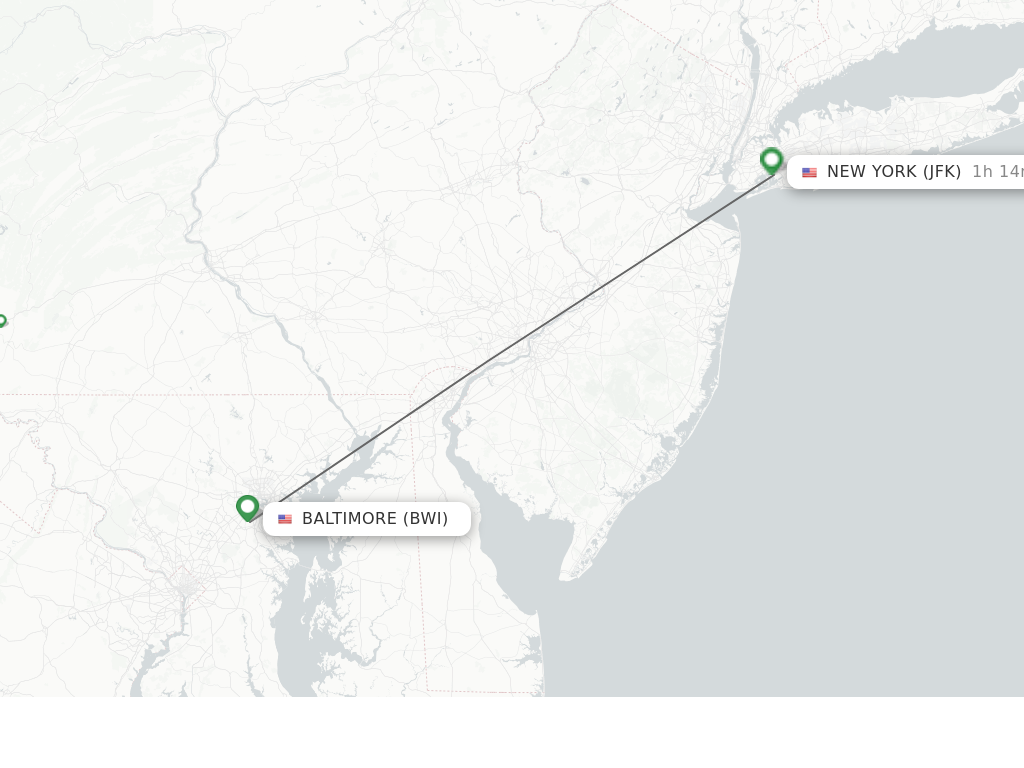
The distance between the geographic centers of these two states is deceptive. While a straight line might suggest a shorter path, the reality involves navigating major metropolitan arteries that dictate travel time more than raw mileage.
Mapping the Distance by Road
For most travelers, the journey begins on Interstate 95, the backbone of travel along the East Coast. If you are departing from Annapolis, the capital of Maryland, the drive to New York City is approximately 215 miles. Under ideal traffic conditions, this drive takes about three and a half to four hours. However, travelers should be aware that the route passes through major urban hubs such as Philadelphia, Wilmington, and Newark. Congestion near the George Washington Bridge or the Lincoln Tunnel can easily add an hour or more to your travel time.
Rail Travel: A Faster Alternative
For those who prefer to bypass the stress of highway traffic, Amtrak offers a highly efficient alternative. The Northeast Regional train departs frequently from Penn Station in Baltimore. The transit time to Moynihan Train Hall in Manhattan is often under three hours. This mode of travel allows passengers to bypass the unpredictable nature of road travel while enjoying the scenic views of the Chesapeake Bay and the urban landscapes of Trenton.
Planning Your Journey Based on Destination
The “distance” between Maryland and New York is subjective based on where in the state you are headed. New York is a large state with diverse regions, and your travel strategy should reflect your final destination.
Traveling to New York City
If your destination is the iconic skyline of the “Big Apple,” your travel path is relatively straightforward. Most travelers aim for Midtown Manhattan. If you are coming from Ocean City, your route will take you north through the Delmarva Peninsula and across the Delaware Memorial Bridge, increasing the mileage to roughly 260 miles.
Visiting Upstate New York
If your goal is the natural beauty of Upstate New York or regions like the Hudson Valley, the travel time increases significantly. Driving from Frederick to Albany involves skirting the western side of the Appalachian Mountains or traversing through New York State via the New York Thruway. This trip can cover upwards of 350 miles and requires a full day of travel.

Travel Tips for a Smooth Trip
Regardless of whether you choose to drive, take the train, or fly, there are several nuances to traversing the distance between these two states that every traveler should keep in mind.
Navigating Peak Traffic
The stretch of I-95 between Washington, D.C. and New York is widely considered one of the busiest corridors in the United States. Avoiding peak rush hours—specifically weekday mornings between 7:00 AM and 9:30 AM and afternoons between 3:30 PM and 6:30 PM—is crucial. Weekend travel, particularly Sunday evenings, also sees significant volume as commuters return from weekend getaways.
Choosing Your Transit Hub
If you opt for public transportation, consider your final destination within New York. While Penn Station is the primary hub, travelers heading to Brooklyn or Queens might find it more convenient to transfer to local transit or a rideshare once they arrive at the main terminal. Furthermore, if you are arriving at LaGuardia Airport or John F. Kennedy International Airport after flying from Baltimore/Washington International Thurgood Marshall Airport, ensure you account for travel time from the airport to the city center, which can vary wildly depending on airport traffic.
Seasonal Considerations
Weather plays a significant role in travel time between Maryland and New York. During the winter months, travel through the Pocono Mountains or northern New Jersey can be impacted by snow and ice. Always check the status of the New Jersey Turnpike before departing, as this primary artery is sensitive to weather-related delays. In contrast, the summer months bring high volumes of tourists heading toward the Jersey Shore and Long Island, which can cause localized bottlenecks on routes connecting to the city.
Maximizing the Experience
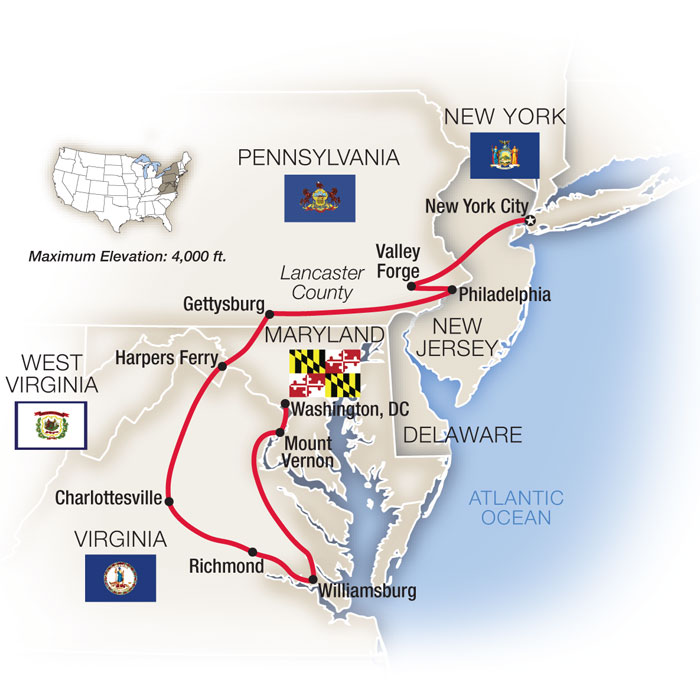
Since the distance is relatively manageable, many travelers choose to turn the trip itself into an adventure. Instead of rushing, consider stopping at historic sites along the way.
Scenic Stops
- Philadelphia: Situated roughly halfway, the “City of Brotherly Love” is the perfect spot for lunch and a visit to Independence Hall.
- Princeton: Take a quick detour to walk the grounds of Princeton University, which offers a quiet break from the highway.
- Delaware Art Museum: Located in Wilmington, this is an excellent cultural stop to stretch your legs before the final leg of the drive.
Preparing for Tolls
One unavoidable reality of the drive from Maryland to New York is the prevalence of tolls. From the Fort McHenry Tunnel in Baltimore to the various bridges entering New York, costs add up. Ensure you have an E-ZPass account active to save time at toll plazas and benefit from lower electronic toll rates. Modern travel between these states has become increasingly digital, and most tolls are now “all-electronic,” meaning you will be billed by license plate if you do not have a transponder.
By planning ahead—whether you are prioritizing speed by taking the train or seeking the flexibility of a personal vehicle—the distance between Maryland and New York becomes a seamless bridge between two of the most vibrant regions in the country. From the blue crabs of the Chesapeake to the world-class dining of Lower Manhattan, your journey promises to be as rewarding as the destination itself.
LifeOutOfTheBox is a participant in the Amazon Services LLC Associates Program, an affiliate advertising program designed to provide a means for sites to earn advertising fees by advertising and linking to Amazon.com. Amazon, the Amazon logo, AmazonSupply, and the AmazonSupply logo are trademarks of Amazon.com, Inc. or its affiliates. As an Amazon Associate we earn affiliate commissions from qualifying purchases.