
This article delves into the travel distance between two prominent South Florida destinations, Miami and Boca Raton, exploring the various travel methods, estimated times, and factors that influence the journey. Understanding this proximity is crucial for planning seamless day trips, weekend getaways, or integrating these vibrant locales into a broader South Florida itinerary. Whether you’re considering a business trip, a leisurely exploration of coastal attractions, or seeking the unique cultural offerings of each city, knowing the travel logistics is the first step to an enjoyable experience.
Understanding the Distance: A Geographical Overview
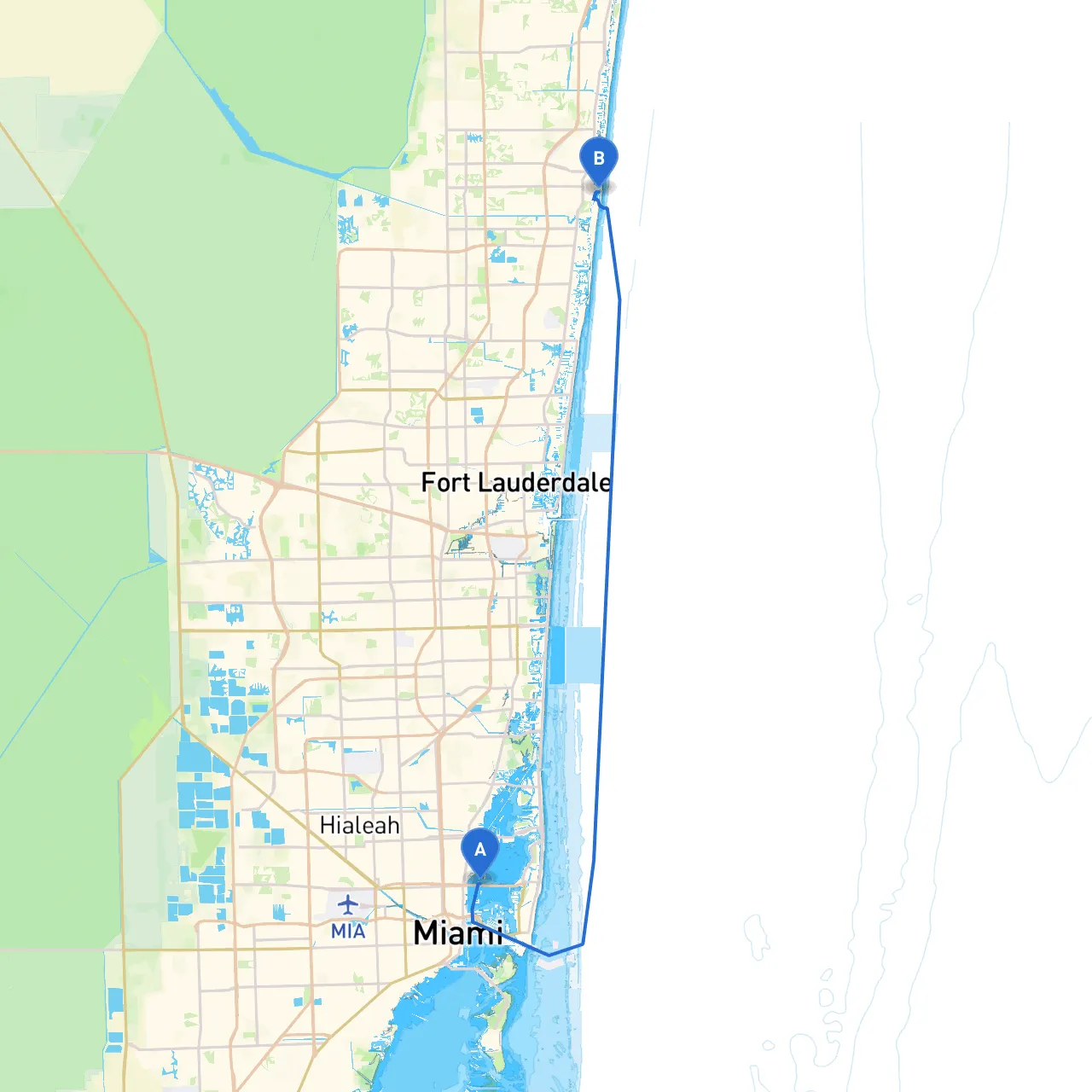
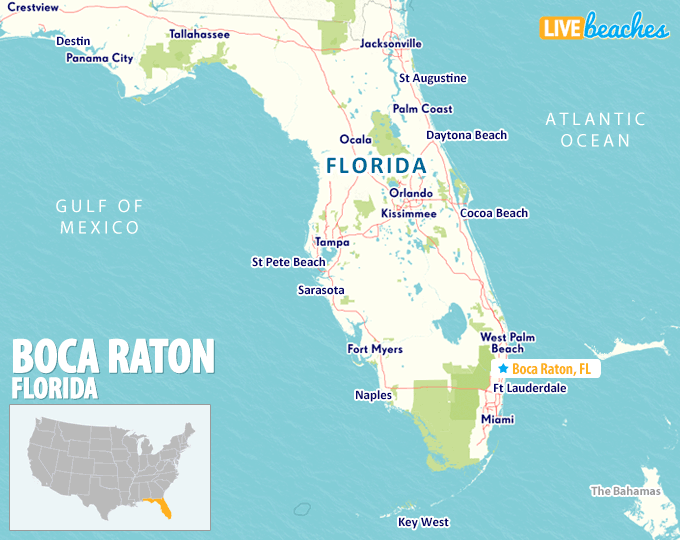
The direct driving distance between Miami and Boca Raton is approximately 45 to 50 miles, depending on the specific starting and ending points within each city and the chosen route. This relatively short distance positions them as easily accessible neighbors within the sprawling South Florida metropolitan area. The journey primarily traverses the eastern coast of the state, tracing a path along major thoroughfares that connect the vibrant energy of Miami with the sophisticated charm of Boca Raton. The landscape transitions from the bustling urban environment of Miami, characterized by its iconic skyline and diverse neighborhoods, to the more manicured and affluent feel of Boca Raton, known for its pristine beaches, upscale shopping, and lush green spaces. This geographical proximity makes it a popular route for both residents and tourists looking to experience the distinct offerings of each locale without undertaking an extensive travel commitment.
Key Geographical Markers
The journey between Miami and Boca Raton is marked by several significant geographical features and urban centers that serve as waypoints. As you depart from Miami, you’ll likely navigate through areas like Aventura, an affluent planned community known for its shopping and residential areas. Further north, the route passes close to cities such as Hallandale Beach and Hollywood, each offering its own unique attractions and coastal access. The landscape gradually shifts, with the density of Miami giving way to more suburban and residential zones as you approach Fort Lauderdale. The presence of the Intracoastal Waterway is a constant companion for much of the journey, offering glimpses of luxury yachts and waterfront properties. Upon entering Palm Beach County, the environment becomes distinctly Boca Raton, with its characteristic palm-lined streets and meticulously maintained public spaces. The proximity to the Atlantic Ocean influences the climate and flora, creating a tropical ambiance that defines the South Florida experience.
Travel Methods and Time Estimates
The most common and often the most efficient way to travel between Miami and Boca Raton is by car. The primary routes utilize major highways, offering a relatively direct path.
Driving: The Primary Mode of Transport
Driving offers the most flexibility, allowing travelers to depart at their convenience and make stops along the way. The journey is typically undertaken via I-95 North or US-1 North.
- Via I-95 North: This is generally the fastest route, especially during off-peak hours. The estimated driving time without significant traffic is around 45 to 60 minutes. However, I-95 is notorious for traffic congestion, particularly during morning and evening commutes, as well as on weekends and holidays. During peak traffic, the journey can extend to 1.5 hours or even longer. The distance covered is approximately 47 miles.
- Via US-1 North: This route is more scenic but considerably slower. It winds through various coastal towns and cities, offering a glimpse into local life. The driving time can range from 1 hour 15 minutes to 2 hours or more, depending heavily on local traffic signals and the number of stops made. This option is ideal for those who wish to explore smaller communities or avoid highway tolls. The distance is slightly longer, around 50 miles.
Factors affecting driving time:
- Time of Day: Commute hours (roughly 7-9 AM and 4-6 PM on weekdays) will significantly increase travel time.
- Day of the Week: Weekends, especially Friday evenings and Sunday afternoons, can see increased traffic due to leisure travel.
- Weather Conditions: Heavy rain or storms, common in South Florida, can slow down traffic considerably.
- Road Construction: Unexpected road work can cause detours and delays.
- Specific Starting/Ending Points: Navigating within Miami to reach a highway and then traversing Boca Raton to a final destination adds time.
Public Transportation: An Alternative Approach
While driving is the most prevalent method, public transportation offers an eco-friendlier and often more budget-conscious alternative, though it comes with longer travel times and less flexibility.
- Brightline Train: This premium intercity passenger rail service offers a fast and comfortable option between Miami and Boca Raton. The journey typically takes approximately 30-35 minutes. Brightline operates from stations in downtown Miami (MiamiCentral) and a station conveniently located in Boca Raton. This is an excellent choice for travelers prioritizing speed and comfort over the ability to make spontaneous stops. The train experience is designed to be a seamless transition, often bypassing road traffic entirely.
- Bus Services: For those seeking the most economical option, bus services are available. However, these are generally the slowest and involve multiple stops. The journey can take anywhere from 1.5 to 3 hours, depending on the specific route and service provider, such as Palm Tran or other regional bus lines that may connect Broward County with Palm Beach County. This option requires careful planning of schedules and transfers.
Ride-Sharing Services
Services like Uber and Lyft are readily available in both Miami and Boca Raton. They provide a door-to-door service similar to driving oneself, with the added benefit of not having to worry about parking. The travel time is comparable to driving a private vehicle, averaging 45 to 60 minutes without heavy traffic. Costs can vary significantly based on demand, time of day, and surge pricing.
Optimizing Your Journey: Tips for a Smooth Trip
When planning your travel from Miami to Boca Raton, several strategies can help ensure a smooth and enjoyable experience. Considering the primary travel method—driving—and the potential for traffic, proactive planning is key.
Navigating Traffic and Peak Hours
The most significant variable impacting travel time is traffic. To mitigate delays:
- Travel During Off-Peak Hours: Aim to travel outside of typical morning (7-9 AM) and evening (4-6 PM) commute times, and avoid peak weekend travel periods if possible. Early mornings or mid-day journeys are often more predictable.
- Utilize Real-Time Navigation Apps: Apps like Google Maps or Waze are invaluable. They provide live traffic updates, suggest alternative routes, and can significantly help in avoiding unexpected jams.
- Consider the Brightline Train: If your schedule aligns with Brightline’s service, it bypasses road traffic entirely, offering a reliable and predictable travel time of around 30-35 minutes. This is often the most time-efficient option when factoring in potential traffic delays.
Scenic Routes and Potential Stops
While I-95 is the fastest, US-1 offers a more engaging journey with opportunities to explore. If time permits, consider these stops:
- Fort Lauderdale: A significant city along the route, Fort Lauderdale boasts beautiful beaches, the famous Las Olas Boulevard with its shops and restaurants, and extensive waterways. It’s a great place for a lunch break or a stroll.
- Deerfield Beach: Known for its picturesque pier and relaxed atmosphere, it’s a pleasant spot for a quick stop to enjoy the ocean breeze.
- Pompano Beach: Offers more beach access and waterfront dining options.
These stops are best enjoyed when not rushed by tight schedules, making them ideal for a leisurely exploration of the South Florida coast.
Parking in Boca Raton
Upon arrival in Boca Raton, parking availability and costs can vary.
- Downtown and Mizner Park: Areas like Mizner Park offer ample parking garages and street parking, though fees may apply. Mizner Park itself is a popular destination for dining, shopping, and entertainment.
- Beaches: Public beach access points often have parking lots, which can fill up quickly, especially on weekends and holidays. Fees are typically charged.
- Shopping Centers: Malls like Town Center at Boca Raton provide extensive free parking.
Understanding parking situations in advance, particularly for specific destinations within Boca Raton, can save time and reduce stress upon arrival.
Connecting Miami and Boca Raton: A Synergistic Relationship
The proximity of Miami and Boca Raton fosters a dynamic relationship, allowing for a complementary travel experience that capitalizes on the distinct strengths of each locale. Travelers can easily combine the cosmopolitan allure of Miami with the refined tranquility of Boca Raton within a single trip, enhancing their South Florida exploration.
Experiencing Both Worlds
- From Urban Excitement to Coastal Serenity: Visitors can spend a few days immersing themselves in the vibrant culture, world-class dining, and diverse nightlife of Miami, exploring areas like South Beach, Wynwood, and the Design District. Then, a short trip north to Boca Raton offers a change of pace, focusing on its beautiful beaches, upscale boutiques, renowned golf courses, and cultural institutions like the Boca Raton Museum of Art.
- Business and Leisure Integration: For business travelers, Boca Raton is a significant hub for corporate offices and technology companies. The easy commute from Miami allows professionals to base themselves in the more bustling metropolitan area while attending meetings in Boca Raton, or vice versa. This dual-city approach caters to a broad spectrum of travel needs.
- Cultural Overlap and Distinction: While both cities are part of the rich tapestry of South Florida, they possess unique identities. Miami is characterized by its strong Latin American and Caribbean influences, evident in its music, food, and festivals. Boca Raton leans towards a more sophisticated, yet relaxed, upscale Floridian lifestyle, with a strong emphasis on outdoor activities and refined cultural experiences. Traveling between them allows for an appreciation of this regional diversity.
Strategic Itinerary Planning
Understanding the travel distance and methods empowers strategic planning for multi-destination trips. For instance, a traveler flying into Miami International Airport (MIA) could rent a car and spend a few days in Miami before driving or taking the Brightline to Boca Raton for a different experience. Alternatively, arriving at Fort Lauderdale-Hollywood International Airport (FLL) places travelers geographically between the two cities, making either direction equally accessible for initial exploration. For those departing from Boca Raton, Palm Beach International Airport (PBI) is the closest major airport, but Miami International Airport (MIA) remains a viable and often more affordable option for international travel, necessitating the aforementioned road or rail journey. The ease of transit between these two key South Florida locations is a significant advantage for any visitor aiming to capture the full essence of the region.
LifeOutOfTheBox is a participant in the Amazon Services LLC Associates Program, an affiliate advertising program designed to provide a means for sites to earn advertising fees by advertising and linking to Amazon.com. Amazon, the Amazon logo, AmazonSupply, and the AmazonSupply logo are trademarks of Amazon.com, Inc. or its affiliates. As an Amazon Associate we earn affiliate commissions from qualifying purchases.