
The question “How far is New York City to New Jersey?” often conjures images of significant distance, but the reality is far more nuanced and remarkably close. Separated by the majestic Hudson River, these two vibrant entities are, in many places, merely a river’s width apart. For millions of commuters, tourists, and residents, the border between New York City and New Jersey is not a barrier but a gateway, offering a seamless blend of urban dynamism, scenic beauty, and diverse cultural experiences. This close proximity transforms travel between the two from a journey into an effortless transition, connecting world-renowned landmarks, bustling commercial hubs, and serene waterfronts within minutes.
Understanding the relationship between New York City and New Jersey requires looking beyond simple mileage. It’s about a web of transportation networks, shared economic interests, and a reciprocal flow of tourism that enriches both sides of the Hudson. From the iconic skyline views offered from Jersey City and Hoboken, to the ease with which one can access Newark Liberty International Airport (EWR) from Manhattan, the connectivity is central to the identity of the entire metropolitan area. Whether you’re planning a day trip, a business stay, or considering a longer-term relocation, the options for travel, accommodation, and activities are abundant and surprisingly interconnected. This article will delve into the practicalities of bridging the Hudson, exploring the diverse modes of transport, key attractions, and lifestyle considerations that make the NYC-NJ connection so unique and accessible.
The Proximity Paradox: Closer Than You Think
The perception of distance between New York City and New Jersey is often exaggerated by the state line. In reality, some parts of New Jersey are closer to midtown Manhattan than areas within New York City’s own five boroughs like parts of Queens or Staten Island. This geographic reality has fostered an incredibly integrated region where the two states function almost as a single metropolitan entity, particularly in the northern New Jersey corridor adjacent to New York City.
Bridging the Hudson: Distance by the Numbers
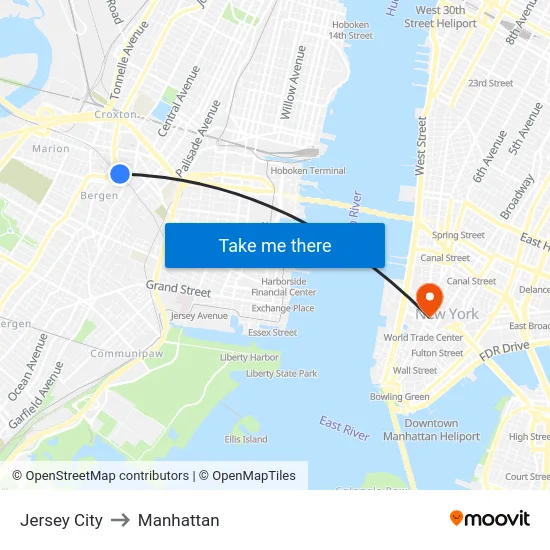
For most practical purposes, the distance between New York City and New Jersey refers to the journey across the Hudson River. At its narrowest, the Hudson is less than a mile wide, visible from waterfront parks and high-rises on both sides. For instance, traveling from Lower Manhattan to Jersey City via the PATH train can take as little as 5-10 minutes. By car, from Midtown Manhattan to Hoboken, the distance is roughly 3-5 miles, a journey that might take 15-30 minutes without significant traffic, though peak hours can extend this considerably.
The proximity extends further north, where the George Washington Bridge connects Fort Lee, New Jersey, directly to Washington Heights in Upper Manhattan. This critical artery highlights how interwoven the two states are, not just along the immediate waterfront but also along major transportation corridors. While distances to central New Jersey cities like Trenton or more rural southern parts of the state would naturally be greater, the primary focus for travelers and commuters remains the vibrant gateway region directly across the Hudson. This region includes dynamic urban centers like Jersey City, Hoboken, Newark, and diverse suburban communities that offer both residential appeal and access to major attractions.
Understanding the Geographical Divide
The primary geographical feature separating New York City and New Jersey is the Hudson River. This natural boundary has been overcome by a series of impressive engineering feats: tunnels and bridges. Below the river, the Holland Tunnel connects Lower Manhattan with Jersey City, while the Lincoln Tunnel links Midtown Manhattan with Weehawken and Union City. Above, the iconic George Washington Bridge provides a crucial crossing in the northern part of Manhattan.
These connections are more than just transit routes; they represent the lifeblood of the region, facilitating commerce, tourism, and daily commutes. The ease of crossing allows residents of New Jersey to access New York City’s employment opportunities, cultural institutions, and entertainment venues, while New Yorkers can enjoy New Jersey’s more spacious living, scenic parks, and diverse attractions. This symbiotic relationship underscores that “how far” is less about literal distance and more about travel time and accessibility, which, thanks to robust infrastructure, is surprisingly short for many key destinations.
Seamless Journeys: Navigating Between Two States
Traveling between New York City and New Jersey is remarkably easy, thanks to a comprehensive network of public transportation and major roadways. Each mode of transport offers distinct advantages, catering to different needs whether you’re commuting for work, heading out for leisure, or catching a flight. Understanding these options is key to experiencing the seamless flow between the two states.
Public Transportation: Your Gateway to Both Sides
Public transit is arguably the most efficient and popular way to travel between New York City and New Jersey, particularly for those heading to Manhattan.
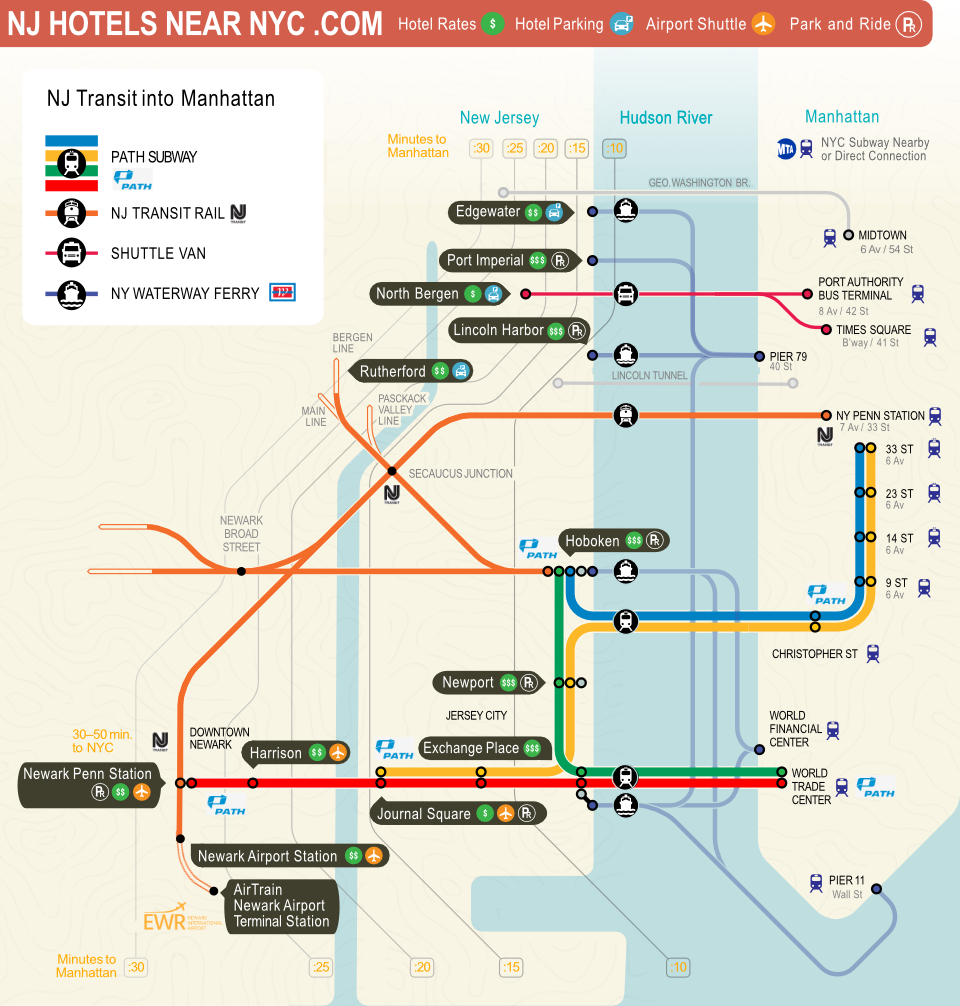
- PATH Train (Port Authority Trans-Hudson): This subway-style service is a lifesaver for many, connecting downtown and midtown Manhattan with Jersey City, Hoboken, and Newark. It’s fast, frequent, and runs 24/7. A ride from Journal Square in Jersey City to World Trade Center in Lower Manhattan can take less than 15 minutes. From Hoboken to 33rd Street (Midtown Manhattan), expect a journey of about 20-25 minutes. It’s an ideal choice for tourists staying in New Jersey who want easy access to NYC attractions without the Manhattan hotel prices.
- NJ Transit Trains and Buses: NJ Transit operates extensive bus and rail networks connecting various parts of New Jersey to New York City. Trains primarily arrive at New York Penn Station in Midtown Manhattan, with routes extending deep into New Jersey, including direct service to Newark Liberty International Airport. Buses, on the other hand, typically terminate at the Port Authority Bus Terminal near Times Square. These services are crucial for commuters from more distant parts of New Jersey and offer comfortable travel options with varying journey times depending on the origin. For example, a train from Newark Penn Station to New York Penn Station takes about 20-25 minutes.
Driving: Convenience with a Catch
For those who prefer the flexibility of a car, driving between New York City and New Jersey is entirely possible, though it comes with considerations of traffic, tolls, and parking.
- Tunnels: The Holland Tunnel and Lincoln Tunnel are the primary underground routes. While geographically short, these tunnels are infamous for rush-hour congestion, which can turn a 5-minute drive into a 45-minute crawl. It’s advisable to check real-time traffic updates before embarking.
- Bridges: The George Washington Bridge connects Fort Lee, New Jersey, with Upper Manhattan. This bridge is generally preferred for those traveling to or from Upper Manhattan or the Bronx, avoiding some of the midtown congestion. While offering scenic views, it also experiences significant traffic during peak hours.
- Considerations: Parking in Manhattan is expensive and often hard to find. Many visitors and commuters opt to park on the New Jersey side, often at a PATH station, and then take public transport into NYC. All major crossings (tunnels and bridges) are tolled when entering New York City.
Water Taxis and Ferries: Scenic and Efficient Options
For a unique and often more pleasant travel experience, especially during warmer months, water transport offers a refreshing alternative.
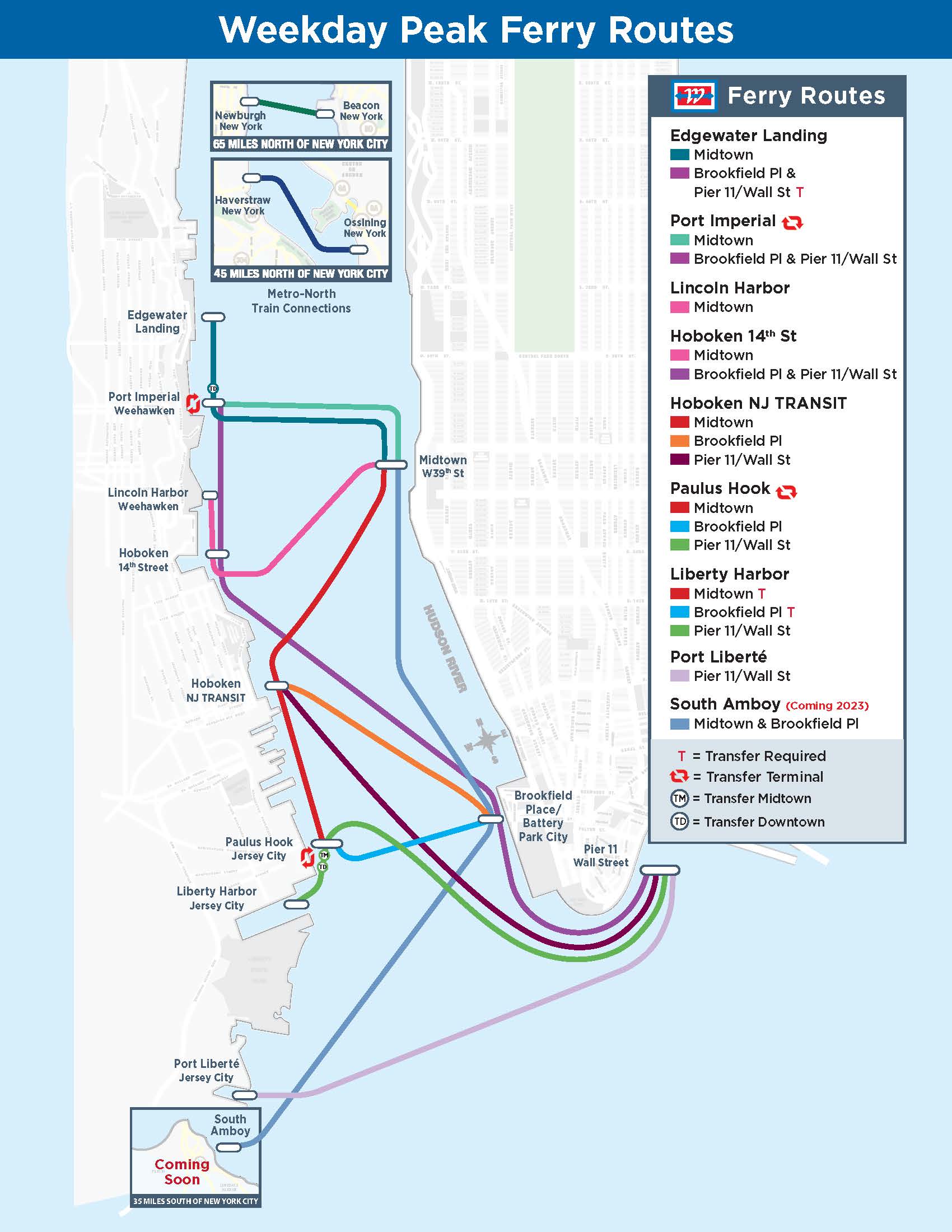
- NY Waterway Ferries: Operating multiple routes, NY Waterway ferries connect various points in New Jersey (such as Hoboken, Weehawken, Jersey City, and Edgewater) to several Manhattan terminals (including Midtown/West 39th Street and Wall Street/Pier 11). These ferries offer stunning views of the Manhattan skyline, the Statue of Liberty, and Ellis Island. Travel times are usually around 10-20 minutes, depending on the route, making them both efficient for commuters and a fantastic sightseeing opportunity for tourists.
- Liberty Landing Ferry: Specifically connecting Liberty State Park in Jersey City to Lower Manhattan, this ferry is ideal for visitors planning to see the Statue of Liberty and Ellis Island from the New Jersey side, often with shorter lines.
Each transportation method highlights how “far” is truly a subjective measure, often translating to just a few minutes of travel across the Hudson, bridging two distinct yet wonderfully complementary experiences.
Unlocking the Best of Both Worlds: Attractions and Experiences
The close proximity of New York City and New Jersey doesn’t just simplify travel; it opens up a vast array of attractions and experiences, allowing visitors and residents alike to seamlessly explore the best of both states. This interconnectedness means you can start your day with a Broadway show and end it with a serene sunset over the Manhattan skyline from New Jersey, or vice versa.
Iconic New York City Landmarks Accessible from New Jersey
Staying in New Jersey provides excellent access to New York City’s most famous sites, often at a lower cost for accommodation. From Jersey City or Hoboken, a short PATH train ride puts you right in the heart of Manhattan, within easy reach of:
- Times Square & Broadway: The dazzling lights and world-class theatrical performances are just a quick PATH ride and a short walk or subway connection from Midtown Manhattan stations.
- Financial District & World Trade Center: Lower Manhattan, home to Wall Street, the 9/11 Memorial & Museum, and the One World Observatory, is directly accessible via the PATH train from Jersey City (get off at the World Trade Center station).
- Statue of Liberty & Ellis Island: While administratively part of New York, these iconic landmarks are physically closer to New Jersey shores. Ferries to both islands depart from Liberty State Park in Jersey City, often offering shorter lines and easier access than their Manhattan counterparts. This provides a compelling reason to base yourself in New Jersey for part of your visit.
- Central Park, Museums, and Shopping: All of Manhattan’s cultural treasures and retail havens are within easy reach, with public transport simplifying navigation across the city.
New Jersey’s Hidden Gems and Family-Friendly Destinations
New Jersey itself boasts a wealth of attractions that are often overlooked by New York City-centric travelers. Its proximity makes it an excellent extension to any NYC itinerary, especially for families or those seeking a slightly different pace.
- Liberty State Park: Located in Jersey City, this expansive park offers unparalleled views of the Manhattan skyline, the Statue of Liberty, and Ellis Island. It’s home to the Liberty Science Center, an interactive museum perfect for all ages, and the poignant Empty Sky 9/11 Memorial.
- American Dream Mall: Situated in East Rutherford, just a short bus ride from the Port Authority Bus Terminal, this mega-mall is more than just shopping. It houses an indoor water park (DreamWorks Water Park), an indoor ski slope (Big SNOW American Dream), an amusement park (Nickelodeon Universe), and a massive retail offering, making it a full-day destination for families.
- MetLife Stadium: Also in East Rutherford, this is home to the NFL’s New York Giants and New York Jets, as well as a major concert venue. It’s easily accessible via special NJ Transit services on event days.
- Hoboken Waterfront: Known for its charming streets, lively dining scene, and exceptional views of the NYC skyline, Hoboken is a perfect spot for an evening stroll and dinner, accessible by PATH or ferry.
Culinary Adventures and Entertainment Across the Hudson
The culinary landscape across the Hudson is incredibly diverse. While New York City is a global food capital, New Jersey offers its own vibrant dining scenes, from ethnic enclaves to upscale waterfront restaurants. Jersey City and Hoboken have rapidly developed into culinary hotspots, with diverse cuisines ranging from authentic Indian and Filipino to modern American and European. Many establishments on the New Jersey waterfront offer dining experiences with stunning views of the Manhattan skyline, providing a memorable backdrop for a meal.
Beyond food, New Jersey also hosts a variety of entertainment options. From concerts and sporting events at Prudential Center in Newark to smaller, intimate music venues in Hoboken, there’s always something happening. Combining this with New York City’s unparalleled nightlife, theater, and music scenes means that visitors and residents have an endless array of choices at their fingertips, with minimal travel time separating these experiences.
Accommodation and Lifestyle: Making Your Stay Count
The strategic location of New Jersey relative to New York City significantly influences decisions related to accommodation and lifestyle, impacting everything from budget travel to long-term residency. Understanding these dynamics is crucial for making the most of your time in the metropolitan area.
Choosing Your Base: NYC vs. New Jersey for Every Budget
When planning a trip to the NYC metropolitan area, one of the first decisions is where to stay. The choice often comes down to balancing cost, convenience, and desired atmosphere.
- Staying in New York City: For those prioritizing immediate access to Manhattan attractions, especially theatergoers or business travelers with engagements directly in Midtown or Downtown, staying in NYC offers unparalleled convenience. Options range from luxury resorts like the Marriott Marquis Times Square to boutique hotels in neighborhoods like the West Village. However, these options typically come with a higher price tag, especially in prime locations. Budget-friendly options exist, but often involve smaller rooms or locations further afield within the boroughs.
- Staying in New Jersey: For many travelers, particularly families or those on a tighter budget, New Jersey offers an attractive alternative. Cities like Jersey City, Hoboken, and Newark boast a wide range of hotels, from international chains like the Hyatt Regency Jersey City (with direct PATH access and stunning views) to more affordable, yet well-connected, options. The cost savings on accommodation in New Jersey can be substantial, often allowing visitors to allocate more of their budget to experiences and dining. The commute into Manhattan from these areas is often quicker and less stressful than traveling from some parts of Brooklyn or Queens during peak hours. Furthermore, many New Jersey hotels offer amenities like larger rooms, parking, and even shuttle services, enhancing the overall guest experience.
Commuting, Living, and Long-Term Stays
The close relationship between New York City and New Jersey is perhaps most evident in the daily lives of commuters. Thousands cross the Hudson daily for work, drawn by NYC’s job market and NJ’s more affordable housing and often better school districts.
- Commuting: The extensive public transportation network (primarily PATH and NJ Transit) makes daily commuting feasible and efficient. Commute times can range from 10 minutes to an hour, depending on the specific origin and destination, rivaling or even surpassing commute times within NYC itself. This ease of movement has cultivated a unique lifestyle where one can work in a global financial hub and reside in a quieter, more spacious suburban or urban setting across the river.
- Long-Term Stays and Residency: For those considering a longer stay or even relocation, New Jersey offers a compelling alternative to New York City. Rent for apartments, particularly in cities like Jersey City, Hoboken, and even parts of Newark that are undergoing significant revitalization, tends to be lower than comparable properties in Manhattan or even Brooklyn. This allows for a higher quality of life, often with more space and better amenities, while retaining easy access to all that New York City has to offer. The burgeoning business districts in Jersey City and Newark also provide local employment opportunities, fostering self-contained communities that still benefit from NYC’s gravitational pull. For families, New Jersey’s highly rated public school systems and suburban tranquility make it an attractive place to settle, proving that a short distance can lead to significant lifestyle advantages.
In essence, the choice of where to stay or live boils down to individual priorities. However, the geographic and infrastructural closeness ensures that regardless of which side of the Hudson you choose, the entire metropolitan area’s offerings remain within convenient reach, truly delivering the best of both worlds.
The question of “how far” from New York City to New Jersey is less about a static distance and more about dynamic connectivity. What appears as a state line on a map is, in practice, a series of fluid transitions via tunnels, bridges, and waterways that link two distinct yet interdependent entities. From a mere minute under the Hudson River on the PATH train to a scenic ferry ride offering postcard-perfect skyline views, the journey is consistently quick and accessible.
This seamless connection unlocks a vast spectrum of experiences. Visitors can effortlessly immerse themselves in the non-stop energy of Manhattan’s cultural landmarks, then retreat to the vibrant, often more budget-friendly, urban centers of New Jersey for a different perspective and perhaps a spectacular sunset view. Similarly, residents of New Jersey enjoy direct access to New York City’s global opportunities, while New Yorkers find in New Jersey a wealth of family-friendly attractions, green spaces, and a diverse culinary scene. Whether you are a tourist seeking the best value, a business traveler needing efficient transit, or an individual considering a new place to call home, the proximity of New York City and New Jersey creates an unparalleled environment of convenience, choice, and discovery. It’s a reminder that sometimes, the greatest adventures are found just across the river.
LifeOutOfTheBox is a participant in the Amazon Services LLC Associates Program, an affiliate advertising program designed to provide a means for sites to earn advertising fees by advertising and linking to Amazon.com. Amazon, the Amazon logo, AmazonSupply, and the AmazonSupply logo are trademarks of Amazon.com, Inc. or its affiliates. As an Amazon Associate we earn affiliate commissions from qualifying purchases.