
The allure of the Hamptons is undeniable, a glamorous escape from the ceaseless energy of New York City. For many, it represents the quintessential summer retreat, a place where sun-drenched beaches meet sophisticated dining, high-end shopping, and a vibrant social scene. But before you can immerse yourself in this exclusive Long Island haven, a crucial question arises: How far exactly is it from New York City to the Hamptons, and what does that journey entail?
This comprehensive guide will not only detail the distance but also explore the various transportation options, offer insights into what makes the Hamptons a premier destination, and provide essential tips for planning your perfect getaway. Whether you’re a first-time visitor or a seasoned traveler looking for new ways to experience this iconic locale, understanding the journey is the first step toward unlocking the magic of the Hamptons.
Unveiling the Distance: NYC to The Hamptons
Determining the exact distance from New York City to the Hamptons isn’t as simple as drawing a straight line on a map. The “Hamptons” itself is a collection of charming villages and hamlets, each with its own unique character, stretching along the South Fork of Long Island. Consequently, the distance and travel time will vary depending on your specific starting point in NYC and your chosen destination in the Hamptons.
The Straight Line vs. The Scenic Route
As the crow flies, the distance might seem manageable, but human travel requires roads, tracks, or flight paths that add mileage. Typically, the driving distance from Manhattan to the heart of the Hamptons (e.g., Southampton or East Hampton) ranges from approximately 90 to 120 miles (145 to 193 kilometers). For those heading further east to Montauk, often referred to as “The End,” the journey can extend to around 125-135 miles (200-217 kilometers).
While the mileage provides a quantifiable measure, the real metric of interest for most travelers is the travel time. Under ideal conditions, with no traffic, the drive could take anywhere from 1.5 to 2.5 hours. However, “ideal conditions” are a rarity, especially during peak season weekends (Memorial Day to Labor Day), Friday afternoons, or Sunday evenings. During these times, travel times can easily swell to 3, 4, or even 5+ hours, transforming a relatively short distance into a test of patience. The notorious Long Island Expressway (I-495) and Route 27 (Montauk Highway/Sunrise Highway) become bottlenecks, particularly around the crucial corridor where traffic funnels onto the South Fork.
Geographical Overview: Long Island and the East End
To truly appreciate the journey, it helps to understand the geography. The Hamptons are situated on the South Fork of Long Island, a long, narrow island stretching eastward from New York City. The South Fork is distinct from the North Fork, which is renowned for its wineries and agricultural charm.
The principal towns that constitute the Hamptons include:
- Southampton: Often considered the “first Hampton,” known for its historic charm and Coopers Beach.
- Bridgehampton: Equestrian country, famous for polo matches and horse shows.
- Sagaponack: Home to some of the most exclusive and expensive real estate.
- Sag Harbor: A charming historic whaling village with a distinct maritime feel and a bustling main street.
- East Hampton: Epitomizes the Hamptons’ upscale image with high-end boutiques and exquisite estates.
- Amagansett: A laid-back vibe with beautiful beaches and a quaint village center.
- Montauk: The easternmost point, known for its surf culture, fishing, and the iconic Montauk Point Lighthouse.
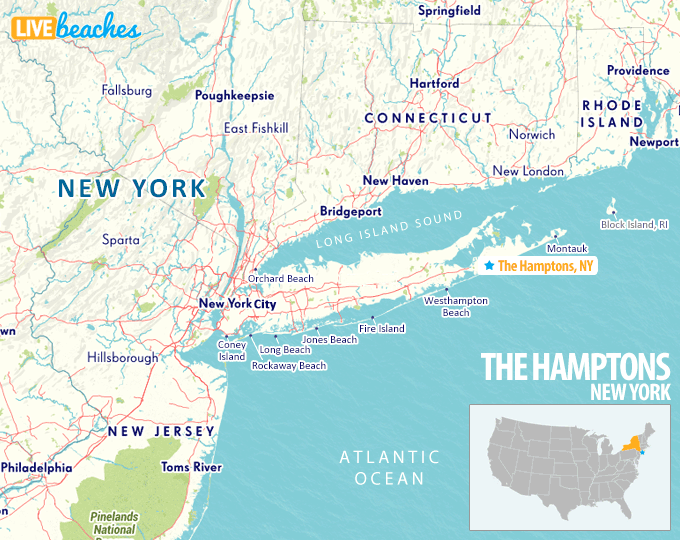
Each town offers a slightly different experience, contributing to the rich tapestry of the Hamptons lifestyle. Understanding these geographical nuances helps in choosing your ultimate destination and planning the most efficient route.
Navigating Your Journey: Transportation Options
Given the varying distances and the potential for traffic, choosing the right mode of transportation is paramount for a stress-free Hamptons trip. Each option offers a different balance of cost, convenience, speed, and comfort, catering to diverse travel styles and budgets.
By Car: The Classic Hamptons Drive
For many, driving remains the preferred method, offering the most flexibility once you arrive. You can pack everything you need, stop at farm stands along the way, and easily explore the different villages.
- The Route: The most common route involves taking the Long Island Expressway (I-495) east, then transitioning to Route 27 (Sunrise Highway/Montauk Highway) which takes you directly through the Hamptons.
- Pros: Unrivaled flexibility, capacity for luggage, ideal for exploring multiple towns.
- Cons: Severe traffic congestion during peak times, potential for high parking fees, gas costs, and tolls.
- Tips: If driving, aim to depart NYC very early on a Friday morning or late on a Thursday evening to avoid the worst of the weekend rush. Consider carpooling or renting a car through services in New York City if you don’t own one.
Public Transportation: Train and Bus Travel
For those looking to avoid the stress of driving, public transport offers convenient and often more predictable alternatives.
-
Train: The Long Island Rail Road (LIRR)
The Long Island Rail Road (LIRR) provides a direct connection from Manhattan to various Hamptons stations on its Montauk Branch.- Departure Points: Trains typically depart from Penn Station and Grand Central Madison in Manhattan.
- Stations in the Hamptons: Key stops include Westhampton, Southampton, Bridgehampton, East Hampton, and Montauk.
- Travel Time: Depending on the express service and your final destination, the journey can take approximately 2.5 to 3.5 hours.
- Pros: Relaxing, scenic, avoids traffic, often features “Cannonball” express service during summer for faster travel.
- Cons: Less flexible than a car once you arrive, may require taxis or ride-shares to reach your final accommodation.
-
Bus: The Hampton Jitney and Hampton Luxury Liner
These popular bus services offer a comfortable and relatively affordable way to travel between NYC and the Hamptons.- Departure Points: Multiple convenient stops across Manhattan (e.g., Upper East Side, Midtown, Lower Manhattan).
- Stations in the Hamptons: Extensive drop-off points throughout the Hamptons.
- Travel Time: Similar to driving, travel time is heavily dependent on traffic, ranging from 2.5 to 5+ hours.
- Pros: Comfortable seating, Wi-Fi, often complimentary snacks/drinks on the Hampton Luxury Liner, multiple pick-up/drop-off options.
- Cons: Still susceptible to road traffic, can be crowded during peak hours, advance booking is highly recommended.
Sky-High Convenience: Private Planes and Helicopters
For the ultimate in speed, luxury, and exclusivity, private air travel is an option that completely sidesteps road traffic.
-
Helicopter Services: Several companies offer direct helicopter flights from Manhattan Heliport to East Hampton Airport or Westhampton Gabreski Airport.
- Travel Time: A mere 30-45 minutes.
- Pros: Incredible speed, breathtaking aerial views, door-to-door convenience (with car service upon landing).
- Cons: Extremely expensive, making it accessible primarily to luxury travel segments.
-
Private Jets: For larger groups or those desiring even greater comfort, private jet charters can fly into regional airports like East Hampton Airport or Westhampton Gabreski Airport from larger hubs like JFK or LaGuardia.
- Travel Time: Including ground transfers at both ends, still significantly faster than driving.
- Pros: Unparalleled comfort and privacy, flexible scheduling.
- Cons: Highest cost option.
Water-Bound Adventures: Ferry Services
While there isn’t a direct car ferry from NYC to the Hamptons, ferry services play a role in connecting different parts of Long Island and surrounding areas. For instance, the Shelter Island Ferry connects Greenport (North Fork) and Sag Harbor (South Fork) to Shelter Island. While not a primary mode of transit from NYC to the Hamptons, it can be part of a broader Long Island itinerary for those exploring both forks. Private yacht charters from NYC are also an ultra-luxe, albeit time-consuming, option for a bespoke arrival.
Beyond the Miles: What Awaits You in The Hamptons
Once you’ve successfully navigated the journey, the true reward of the Hamptons unfolds. This region is much more than just a collection of towns; it’s a lifestyle, a cultural hub, and a haven for relaxation and indulgence. From pristine beaches to world-class dining and vibrant art scenes, the Hamptons offer a rich tapestry of experiences that cater to every kind of traveler.
Luxury and Lifestyle: A Premier Destination
The Hamptons are synonymous with luxury. It’s a place where grand estates sit nestled behind manicured hedges, where designer boutiques line historic main streets, and where farm-to-table dining is an art form. The lifestyle here is one of relaxed sophistication, balancing exclusive social events with tranquil moments by the sea.
- Upscale Shopping: Towns like East Hampton and Southampton boast flagship stores of renowned fashion brands, alongside unique local boutiques and art galleries.
- Gourmet Dining: The culinary scene is exceptional, ranging from casual beachside shacks serving fresh seafood to Michelin-starred restaurants. Expect innovative menus highlighting local produce and fresh catches.
- Vibrant Nightlife: During the summer, the Hamptons come alive after dark with exclusive clubs, chic bars, and lively outdoor venues, particularly in Montauk and Southampton.
- Art and Culture: The region has a long history as an artists’ colony, attracting painters, writers, and performers. Institutions like the Parrish Art Museum and Guild Hall of East Hampton offer diverse exhibitions and performances.
Whether you’re seeking a luxury travel experience or a more laid-back escape, the Hamptons delivers a distinct blend of glamour and natural beauty, making it a truly premier destination.
Top Attractions and Activities
Beyond the beaches and dining, the Hamptons offer a wealth of attractions and activities for every interest:
- Beaches: The undeniable star of the show.
- Coopers Beach (Southampton): Consistently ranked among the top beaches in the USA, known for its pristine white sand and dunes.
- Main Beach (East Hampton): Another award-winning beach, perfect for swimming and sunbathing.
- Ditch Plains Beach (Montauk): A popular surfing spot with a relaxed, bohemian vibe.
- Activity: Enjoy swimming, sunbathing, surfing, paddleboarding, or simply strolling along the shore.
- Lighthouses:
- Montauk Point Lighthouse: New York State’s oldest lighthouse, offering panoramic views of the Atlantic Ocean and a rich history.
- Museums and Galleries:
- Parrish Art Museum (Water Mill): Showcasing American art from the 19th century to the present, with a focus on Long Island artists.
- Guild Hall of East Hampton: A historic cultural center presenting theater, concerts, film, and visual arts.
- Nature and Outdoors:
- Mashomack Preserve (Shelter Island): A pristine nature sanctuary offering miles of hiking trails and abundant wildlife.
- Walking Dunes (Napeague): Unique migrating sand dunes that offer a surreal landscape for hikers.
- Activity: Kayaking, fishing charters, cycling along scenic routes, horseback riding, and exploring numerous local parks and preserves.
- Wineries and Farm Stands: While the North Fork is more famous for its wineries, the Hamptons also have their own vineyards and a plethora of farm stands offering fresh, seasonal produce, baked goods, and local delicacies.
Where to Stay: Accommodation for Every Traveler
The Hamptons offer a diverse range of accommodation options, from ultra-exclusive resorts to charming boutique hotels and private vacation rentals. The choice often depends on your budget, travel style, and desired amenities.
- Luxury Resorts & Boutique Hotels: For those seeking unparalleled service and lavish amenities, the Hamptons boasts several world-class establishments.
- Gurney’s Montauk Resort & Seawater Spa: A classic Montauk beachfront resort, famous for its seawater spa and oceanfront dining.
- The Maidstone Hotel (East Hampton): A stylish boutique hotel known for its eclectic Scandinavian-inspired design and prime village location.
- Baron’s Cove (Sag Harbor): Offers stunning harbor views, a heated saltwater pool, and elegant suites.
- The Roundtree, Amagansett: A refined haven with a mix of hotel rooms, suites, and private cottages.
- Focus on Amenities: Many resorts and boutique hotels offer private beach access, swimming pools, full-service spas, gourmet restaurants, and concierge services.
- Vacation Rentals: Ideal for families, groups, or longer stays, platforms like Airbnb and VRBO offer a vast selection of apartments, villas, and full homes. This option provides a more localized experience and can be more cost-effective for extended trips.
- Bed & Breakfasts (B&Bs): Quaint and often historically rich, B&Bs offer a personalized experience with charming rooms and home-cooked breakfasts.
- Budget-Friendly Options: While true budget hotels are scarce, some motels or less centrally located B&Bs can offer more affordable rates, especially during the shoulder seasons. Consider staying slightly outside the main villages for better value.
Booking well in advance, especially for summer travel, is crucial as the best accommodations fill up quickly and prices surge.
Planning Your Perfect Hamptons Getaway
A trip to the Hamptons requires thoughtful planning to maximize enjoyment and minimize stress. Understanding the nuances of seasonality and knowing a few insider tips can make all the difference, transforming your journey from a simple trip into a memorable travel experience.
Best Time to Visit
The “best” time to visit the Hamptons largely depends on your priorities:
- Summer (Memorial Day to Labor Day): This is the quintessential Hamptons season. The weather is warm, the beaches are bustling, and the social scene is vibrant. All restaurants, shops, and cultural institutions are fully open.
- Pros: High energy, vibrant social scene, perfect beach weather.
- Cons: Extremely crowded, peak prices for accommodation and dining, severe traffic congestion.
- Spring (April-May) and Fall (September-October): These “shoulder seasons” offer a wonderful balance. The weather is pleasant, crowds are thinner, and many businesses are still open.
- Pros: Milder weather, fewer crowds, more relaxed atmosphere, better deals on accommodation, ideal for exploring wineries and hiking.
- Cons: Some seasonal businesses may be closed or have limited hours, water might be too cold for swimming in early spring/late fall.
- Winter (November-March): The Hamptons transform into a serene, quiet retreat. Many establishments close for the season, but those that remain offer a cozy, local feel.
- Pros: Utter tranquility, dramatic coastal scenery, lowest prices, a true escape from the bustle.
- Cons: Many attractions are closed, limited dining options, cold weather.
For most first-time visitors seeking the classic Hamptons vibe, late spring or early fall offers the best compromise.
Tips for a Seamless Trip
- Book Everything in Advance: This cannot be stressed enough, especially for summer weekends. Secure your transportation (train/bus tickets, car rental), accommodation, and even popular restaurant reservations weeks or months ahead.
- Consider Off-Peak Travel: If your schedule allows, traveling on weekdays or during the shoulder seasons will save you time, money, and hassle.
- Local Transportation: Once in the Hamptons, having a car offers the most flexibility. However, taxis, ride-sharing services, and local bike rentals are available in most towns. Some hotels also offer shuttle services.
- Pack Smart: Bring appropriate beachwear, comfortable walking shoes, and upscale casual attire for dining and evening events. Don’t forget sunscreen and insect repellent.
- Embrace the Journey: Even with planning, expect potential delays during peak times. Use the journey as an opportunity to unwind, listen to a podcast, or enjoy the scenic views.
- Explore Beyond the Main Towns: While Southampton and East Hampton are iconic, don’t miss the charm of Sag Harbor’s whaling history, the rugged beauty of Montauk, or the tranquility of Shelter Island. Each offers unique local culture and experiences.
The distance from New York City to the Hamptons is relatively short in miles, but the journey itself can vary greatly in time and experience. By understanding the options and planning strategically, you can ensure your trip to this iconic East Coast haven is as smooth and enjoyable as the golden sands of its renowned beaches. Whether you seek vibrant social scenes, tranquil natural beauty, or sophisticated indulgence, the Hamptons awaits to deliver an unforgettable escape.
LifeOutOfTheBox is a participant in the Amazon Services LLC Associates Program, an affiliate advertising program designed to provide a means for sites to earn advertising fees by advertising and linking to Amazon.com. Amazon, the Amazon logo, AmazonSupply, and the AmazonSupply logo are trademarks of Amazon.com, Inc. or its affiliates. As an Amazon Associate we earn affiliate commissions from qualifying purchases.