
Embarking on a journey from the bustling streets of New York to the vibrant heart of Atlanta is a classic American transit experience. Whether you are traveling for business, pleasure, or a scenic road trip, understanding the geography and the various modes of transit available is essential for planning an efficient and enjoyable excursion. Spanning over 800 miles across the Eastern United States, the route takes travelers through several iconic states, each offering its own unique landscape and cultural charm.
Understanding the Distance and Travel Logistics
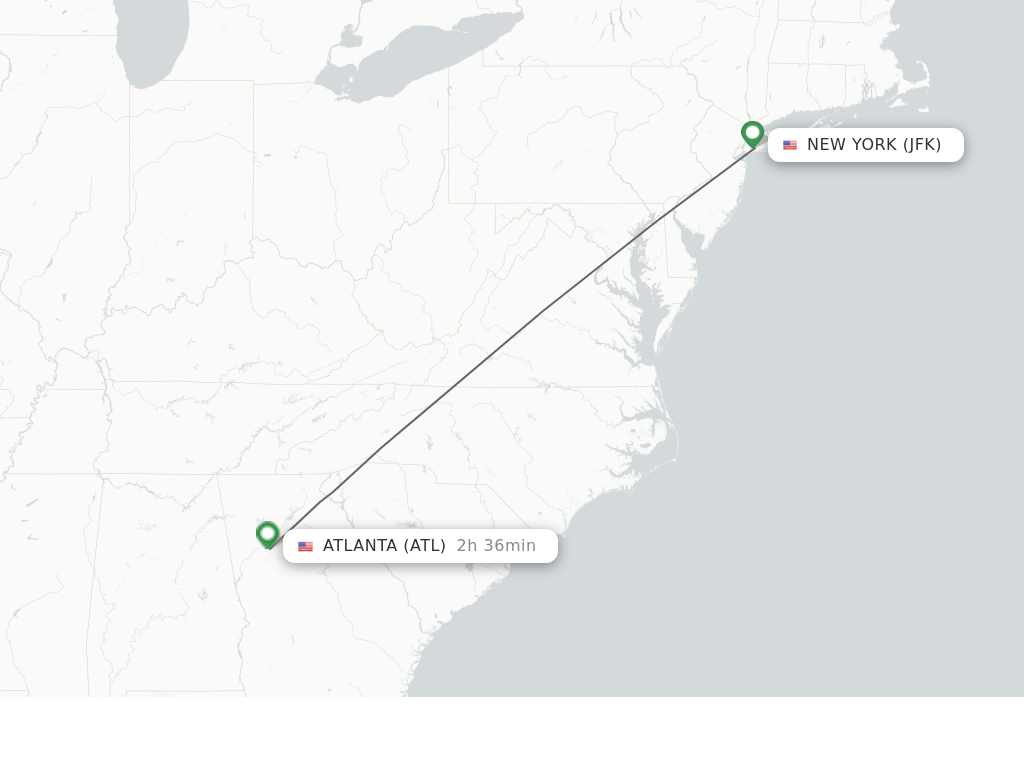
When calculating the distance between New York City and Georgia, it is important to distinguish between flight distance and road mileage. While a straight line—or “as the crow flies”—is approximately 750 miles, the actual driving route is significantly longer, typically ranging between 850 and 900 miles depending on your specific starting point in the five boroughs and your destination within Atlanta.
Road Trip Duration and Efficiency
For those opting to drive, the journey typically takes between 13 and 15 hours of pure driving time, excluding necessary stops for fuel, food, and rest. Most travelers follow the Interstate 95 corridor southward before transitioning to Interstate 85, a major artery that cuts through the Piedmont region. Navigating this route requires passing through major urban hubs such as Philadelphia, Baltimore, Washington DC, and Richmond.
Air Travel Considerations
Air travel is by far the most time-efficient method. A non-stop flight from John F. Kennedy International Airport or LaGuardia Airport to Hartsfield-Jackson Atlanta International Airport usually takes just over two hours in the air. When factoring in transit to the airport, security protocols, and boarding procedures, the total travel time usually averages around five to six hours.
Planning the Perfect Road Trip Route
The journey from the Northeast to the South offers more than just arrival; it offers a transition in landscape and culture. Taking a multi-day approach allows travelers to explore the historical significance and natural beauty of the Mid-Atlantic states.
The Historic Corridor
Starting your drive south, you immediately encounter the density of the Eastern Seaboard. Travelers often choose to stop in Washington DC to witness the monumental architecture or continue down to Virginia, where the rolling hills begin to replace the industrial landscapes of the north. The highway infrastructure is highly developed, making it easy to navigate, though travelers should be mindful of peak-hour congestion around major metropolitan areas.

Scenic Stops and Regional Highlights
- Philadelphia: A perfect mid-morning stop to stretch your legs and enjoy a historic walk through Independence National Historical Park.
- Richmond: This city serves as an ideal midway point for an overnight stay, offering a vibrant culinary scene and a deep connection to American History.
- North Carolina: As you cross the border, the landscape shifts into pine forests and gentle rolling hills. Stopping in Charlotte provides a modern metropolitan break before the final push into Georgia.
Public Transportation Alternatives
For travelers who prefer not to navigate the highway system personally, public transit options remain robust and well-connected. The rail network and bus systems offer a relaxed way to cover the distance between these two major cultural capitals.
Rail travel via Amtrak
Taking Amtrak is often viewed as the most comfortable way to traverse the distance. While the trip is longer than driving—frequently taking 18 to 22 hours depending on the schedule and transfers—the benefit is the ability to work, read, or simply watch the scenery shift from the coastal plain to the inland beauty of the Appalachian foothills. The Crescent line, which runs from New York City directly to Atlanta, is a preferred choice for many seeking a scenic, car-free experience.
Bus Travel
For budget-conscious travelers, several long-distance bus lines connect the Big Apple to the Peach State. While this is generally the most economical mode of travel, it requires patience regarding potential highway traffic. Most modern coaches provide Wi-Fi and power outlets, making the extended journey productive for commuters or students.
Tips for a Seamless Transition
Transitioning from the fast-paced environment of New York to the hospitable, slower-paced Southern climate of Georgia involves preparation. Understanding the nuances of your travel medium ensures a better experience upon arrival.
Preparing for Weather Shifts
The weather patterns in the Northeast and the Southeast can vary significantly, especially during the shoulder seasons. While winters in New York City are typically harsh and snowy, Atlanta enjoys a more temperate climate. Regardless of how you travel, layering clothing is recommended to handle the transition between air-conditioned vehicles and outdoor environments.
Maximizing Your Travel Time
- Book Ahead: Whether flying into Hartsfield-Jackson Atlanta International Airport or booking a train seat, prices rise as travel dates approach.
- Monitor Traffic: For those driving, utilizing real-time navigation apps is mandatory to circumvent accidents or construction on the I-95 or I-85 corridors.
- Stay Hydrated: The distance is deceptive; the physical fatigue of sitting for 14 hours is significant. Plan for a mid-trip meal in a major city to refresh yourself before continuing the drive.
Ultimately, the distance between New York and Atlanta is more than just a measurement of miles; it is a gateway to exploring the diversity of the United States. Whether you arrive by air in a matter of hours or take the time to soak in the sights along the way, the journey is an integral part of the adventure. By selecting the method that best aligns with your goals—be it speed, comfort, or scenic exploration—you can ensure that your transition between these two prominent cities is as rewarding as the destination itself.
LifeOutOfTheBox is a participant in the Amazon Services LLC Associates Program, an affiliate advertising program designed to provide a means for sites to earn advertising fees by advertising and linking to Amazon.com. Amazon, the Amazon logo, AmazonSupply, and the AmazonSupply logo are trademarks of Amazon.com, Inc. or its affiliates. As an Amazon Associate we earn affiliate commissions from qualifying purchases.