
Embarking on a journey from the vibrant desert metropolis of Phoenix, Arizona to the awe-inspiring geological marvel of the Grand Canyon is a quintessential American road trip experience. This adventure promises not just a destination but a profound exploration of diverse landscapes, rich history, and unforgettable memories. While the sheer scale of the Grand Canyon might seem dauntingly distant, meticulous planning and an understanding of the available routes can transform the trip into a seamless and enjoyable part of your Arizona itinerary. Whether you’re seeking a quick escape, a luxurious family vacation, or an adventurous backpacking trek, knowing the distance, drive times, and best stops along the way is crucial for maximizing your travel experience. This guide will delve into the practicalities of making this iconic journey, ensuring you are well-prepared for the beauty that awaits.
The Journey: Distance, Drive Times, and Essential Routes
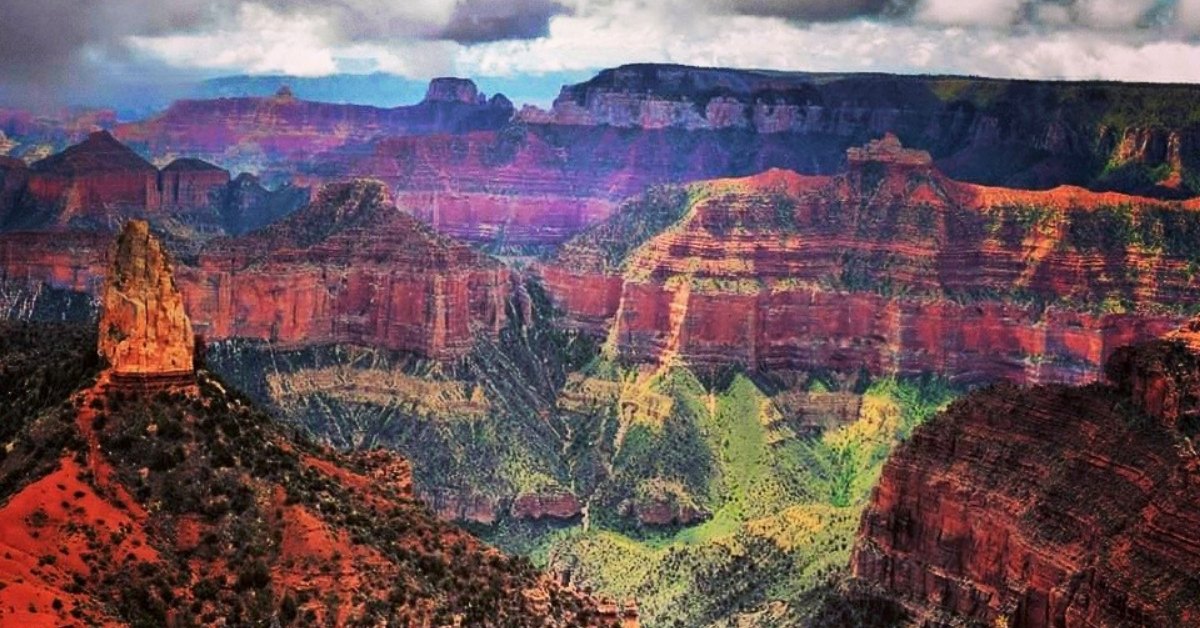
The journey from Phoenix to the Grand Canyon is more than just a drive; it’s an scenic expedition through Arizona’s diverse terrain, transforming from saguaro-studded deserts to high-altitude pine forests before revealing the canyon’s immense chasm. The exact distance and drive time depend significantly on which rim of the Grand Canyon you plan to visit, with the South Rim being the most accessible and popular option from Phoenix.
Understanding the Routes: South Rim vs. North Rim
For most travelers originating from Phoenix, the South Rim of the Grand Canyon National Park is the primary destination. This section of the park is open year-round and offers the most extensive infrastructure, including visitor centers, lodging, restaurants, and a plethora of viewpoints.
To the South Rim (Grand Canyon Village):
The distance from Phoenix to the Grand Canyon’s South Rim is approximately 230 to 250 miles (370 to 400 kilometers), depending on your exact starting point in Phoenix and your chosen route. The average drive time is around 3.5 to 4 hours without significant stops or traffic.
- Main Route: The most direct and frequently used route involves taking I-17 North from Phoenix to Flagstaff. From Flagstaff, you have two primary options:
- Option 1 (Faster): Take US-180 West directly to the South Rim. This route is generally faster, especially during peak season, as it bypasses the town of Williams.
- Option 2 (More Scenic/Historical): Take I-40 West from Flagstaff to Williams (approximately 30 miles), then head north on AZ-64 directly to the South Rim entrance. This route passes through Williams, known as the “Gateway to the Grand Canyon” and a stop along historic Route 66. Many visitors choose to spend a night in Williams or catch the Grand Canyon Railway from here.
To the North Rim:
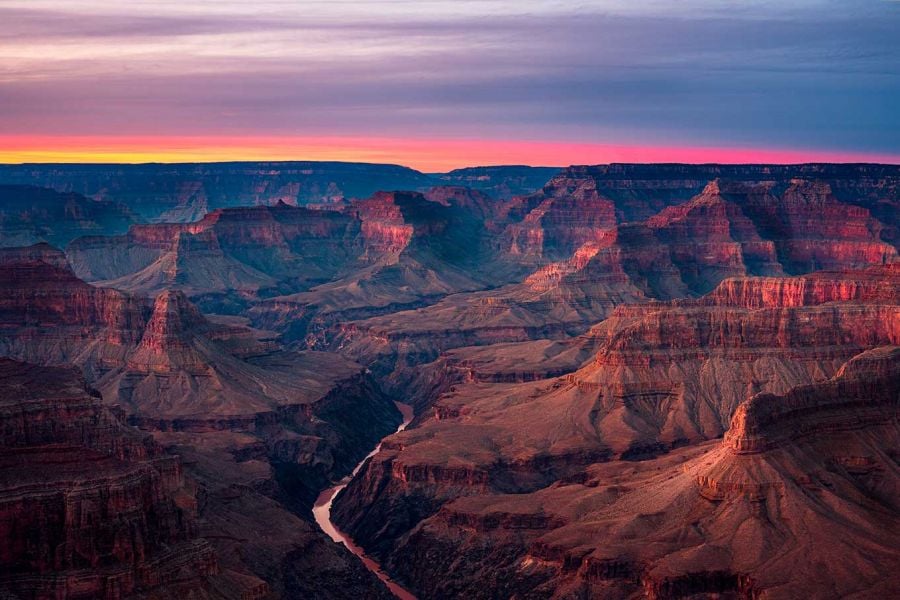
The North Rim presents a starkly different experience, being higher in elevation, more remote, and open only seasonally (typically May 15th to October 15th). The drive from Phoenix to the North Rim is significantly longer, approximately 350 to 380 miles (560 to 610 kilometers), taking 6 to 7 hours of driving time.
- Main Route: From Phoenix, you would take I-17 North to Flagstaff, then US-89 North towards Page. Before reaching Page, you turn west onto US-89A, crossing the Navajo Bridge over the Colorado River at Marble Canyon, then proceeding through Jacob Lake before finally taking AZ-67 South to the North Rim entrance. This route is exceptionally scenic, offering views of the Vermilion Cliffs and the vast Kaibab National Forest. While longer, the North Rim offers a more serene and less crowded experience, appealing to those seeking tranquility and breathtaking unique vistas.
Essential Road Trip Tips
A road trip from Phoenix to the Grand Canyon requires some preparation to ensure a smooth journey.
- Vehicle Maintenance: Before heading out, ensure your vehicle is in good condition, especially checking tires, oil, and fluid levels. The route involves driving at higher altitudes and sometimes through remote areas.
- Fuel Up: Gas stations become less frequent as you approach the Grand Canyon. Fill your tank in Flagstaff or Williams to avoid unnecessary stress. Fuel prices within the park or in nearby Tusayan can be higher.
- Hydration and Snacks: Carry plenty of water and snacks. While there are towns and rest stops, having your provisions is always a good idea, especially for detours or unexpected delays.
- Navigation: While GPS is reliable, downloading offline maps or carrying a physical map is wise, as cell service can be spotty in certain areas, particularly within the Grand Canyon National Park itself.
- Weather Awareness: Arizona’s weather can be unpredictable. Phoenix is hot, but Flagstaff and the Grand Canyon are at higher elevations and can experience significantly colder temperatures, even snow, outside of summer. Check forecasts for both your starting point and destination.
Planning Your Grand Canyon Adventure from Phoenix
Beyond the drive itself, planning the actual visit to the Grand Canyon is paramount to an enjoyable experience. This involves choosing your preferred rim, securing accommodation, and considering other attractions in the vicinity.
Choosing Your Grand Canyon Experience: South Rim vs. North Rim Explained
The choice between the South Rim and North Rim depends largely on your travel preferences, the time of year, and the type of experience you seek.
-
South Rim:
- Accessibility: Open year-round and easily accessible from Phoenix and Las Vegas.
- Views: Offers expansive, panoramic views of the widest part of the canyon. Iconic viewpoints like Mather Point, Yavapai Point, Grandview Point, Hopi Point, and the Desert View Watchtower are concentrated here.
- Infrastructure: Boasts Grand Canyon Village, which features historic hotels like the El Tovar Hotel and Bright Angel Lodge, multiple restaurants, gift shops, and a full range of visitor services.
- Activities: Numerous hiking trails, from rim trails suitable for all abilities to challenging inner-canyon treks like the Bright Angel Trail and Kaibab Trail. Ranger programs, helicopter tours, and mule rides are also popular.
- Crowds: Due to its popularity, the South Rim can be very crowded, especially during peak seasons (spring, summer, fall holidays). Utilizing the free shuttle bus system within the park is highly recommended to navigate between viewpoints and avoid parking hassles.
-
North Rim:
- Accessibility: Open seasonally (mid-May to mid-October) and less accessible, requiring a longer drive.
- Views: Offers a different perspective of the canyon, often perceived as more intimate and lush due to its higher elevation (about 1,000 feet higher than the South Rim) and cooler climate. Views are often framed by pines and aspens.
- Infrastructure: Much more limited. The historic Grand Canyon Lodge North Rim is the only lodging directly on the rim, with fewer dining and shopping options.
- Activities: Excellent hiking, including trails like the Bright Angel Point Trail and Cape Royal Trail. It’s a haven for backpackers and those seeking solitude.
- Crowds: Significantly less crowded than the South Rim, offering a more tranquil and pristine experience.
Accommodation Options Near the Grand Canyon
Booking accommodation in advance is critical, especially if you plan to stay within the Grand Canyon National Park or during peak season.
- Inside the Park (South Rim): The most convenient option, allowing you to wake up to canyon views and minimize travel time. Options include the historic El Tovar Hotel, Bright Angel Lodge, Kachina Lodge, Thunderbird Lodge, Maswik Lodge, and Yavapai Lodge. These book up many months, sometimes even a year, in advance.
- Outside the Park (South Rim): The town of Tusayan, Arizona, just 7 miles south of the South Rim entrance, offers numerous hotel chains like Best Western Premier Grand Canyon Squire Inn and Grand Canyon Plaza Hotel. Williams, Arizona, approximately an hour’s drive, also provides a variety of hotels, motels, and RV parks, often at a more affordable price point. Many choose to stay in Flagstaff, though it adds about 1.5 hours of driving each way to the canyon.
- North Rim Accommodation: The only in-park lodging is the Grand Canyon Lodge North Rim, which also books up quickly. Nearby options are limited to Jacob Lake Inn or more distant towns like Kanab, Utah, or Page, Arizona.
- Camping: Both rims offer campgrounds that can be reserved through the National Park Service. This is a popular and budget-friendly option, but sites also fill up quickly.
Beyond the Canyon: Nearby Attractions and Detours
The region surrounding the Grand Canyon is rich with natural beauty and unique experiences, making detours an enticing prospect.
- Sedona, Arizona: Located just off I-17 North before Flagstaff, Sedona is famous for its stunning red rock formations, vibrant arts scene, and spiritual vortexes. It’s an excellent stop for hiking, mountain biking, or simply enjoying the scenic beauty.
- Flagstaff, Arizona: A charming mountain town, Flagstaff offers a cooler climate and a different vibe. It’s home to Lowell Observatory, historic Route 66 attractions, and is a hub for outdoor activities, including skiing in winter.
- Williams, Arizona: As the “Gateway to the Grand Canyon,” Williams embraces its Route 66 heritage with classic diners, memorabilia shops, and the departure point for the Grand Canyon Railway.
- Page, Arizona: If you venture towards the North Rim or are extending your trip, Page is a must-visit. It’s the gateway to the breathtaking slot canyons of Antelope Canyon, the iconic Horseshoe Bend, and the vast recreational opportunities of Lake Powell and Glen Canyon Dam.
- Oak Creek Canyon: A scenic drive just north of Sedona, Oak Creek Canyon is often called a “smaller cousin” to the Grand Canyon with its lush riparian areas, trout fishing, and hiking trails.
Making the Most of Your Trip: Travel Styles and Tips
The journey from Phoenix to the Grand Canyon can be tailored to suit a variety of travel styles and budgets, ensuring everyone from luxury seekers to budget adventurers finds their ideal experience.
Luxury Travel vs. Budget-Friendly Options
- Luxury Travel: For those seeking a high-end experience, consider staying at the El Tovar Hotel on the South Rim, known for its historic charm and prime location. Indulge in private guided tours, scenic helicopter flights over the canyon, or even a private charter plane from Phoenix directly to the Grand Canyon Airport (near Tusayan). Upscale dining experiences are available within the park, and some luxury resorts in Sedona or Flagstaff offer luxurious bases for day trips.
- Budget-Friendly Travel: Backpackers and budget-conscious travelers have ample options. Camping within the National Park Service campgrounds or in nearby national forests is the most economical lodging. Consider staying in Williams or Flagstaff for more affordable hotel rates. Packing your own food and water, utilizing the free park shuttle buses, and focusing on hiking the numerous free trails are great ways to enjoy the Grand Canyon without breaking the bank. Look for deals on lodging outside peak season (winter for the South Rim, late spring/early fall for the North Rim).
Family Trips and Business Stays Considerations
- Family Trips: The Grand Canyon is an incredible destination for families. The South Rim, with its paved trails and accessible viewpoints, is generally more family-friendly. Look for hotels with pools and family-friendly amenities in Tusayan or Williams. Kids can participate in Junior Ranger programs, enjoy short, easy hikes, and be awestruck by the immense views. Consider a ride on the Grand Canyon Railway from Williams for an added element of adventure that delights children. Always prioritize safety, especially with young children near canyon edges.
- Business Stays: While primarily a leisure destination, business travelers in Arizona might extend their trips to include a Grand Canyon visit. The drive makes a long day trip feasible from Phoenix or Flagstaff for a quick experience. For a more relaxed trip, a one-night stay in Tusayan allows for a full day of exploration. Many hotels in Flagstaff cater to business travelers, offering amenities like business centers and meeting rooms, combining work with an accessible nature escape. High-speed internet can be limited inside the Grand Canyon National Park, so plan accordingly if you need to stay connected.
Essential Packing and Safety Advice
- Packing: Layered clothing is essential, regardless of the season, due to the significant temperature variations between day and night, and between the desert floor and the canyon rims. Sturdy walking shoes are a must for exploring viewpoints and trails. Don’t forget sunscreen, a wide-brimmed hat, sunglasses, and a reusable water bottle. Binoculars can enhance your viewing experience, and a camera with extra batteries is crucial for capturing the breathtaking scenery.
- Safety:
- Stay on Marked Trails: Never venture off designated trails or beyond safety barriers. The canyon edges are unstable, and falls are often fatal.
- Hydrate Constantly: The dry climate can quickly lead to dehydration, even in cooler temperatures. Drink water frequently, especially if hiking.
- Know Your Limits: Hiking into the canyon is strenuous, and coming back up is even harder. Plan hikes according to your fitness level and carry enough water and supplies for the entire duration. “Down is optional, up is mandatory.”
- Wildlife: Observe wildlife from a safe distance. Do not feed animals.
- Weather: Be prepared for sudden changes. Afternoon thunderstorms are common in summer, and winter brings icy conditions to trails and roads.
In conclusion, the journey from Phoenix, Arizona, to the Grand Canyon is an accessible and highly rewarding adventure. By understanding the distances, selecting the appropriate rim, and leveraging the diverse accommodation and activity options, you can craft a memorable trip that perfectly suits your travel style. With careful planning and adherence to safety guidelines, you are set to experience one of the world’s most magnificent natural wonders.
LifeOutOfTheBox is a participant in the Amazon Services LLC Associates Program, an affiliate advertising program designed to provide a means for sites to earn advertising fees by advertising and linking to Amazon.com. Amazon, the Amazon logo, AmazonSupply, and the AmazonSupply logo are trademarks of Amazon.com, Inc. or its affiliates. As an Amazon Associate we earn affiliate commissions from qualifying purchases.