
The allure of Arizona is undeniable, a vast canvas painted with dramatic desert landscapes, vibrant cities, and a rich tapestry of history and culture. For many travelers exploring the Grand Canyon State, the question of travel between its two largest urban centers, Phoenix and Tucson, is a common one. This journey, while not a vast expedition, offers a delightful introduction to the diverse beauty of the Sonoran Desert and sets the stage for unforgettable experiences in both metropolitan hubs. Understanding the distance and the various ways to traverse it is key to planning an efficient and enjoyable trip, whether you’re seeking luxury desert resorts, exploring historical landmarks, or indulging in the unique flavors of local cuisine.
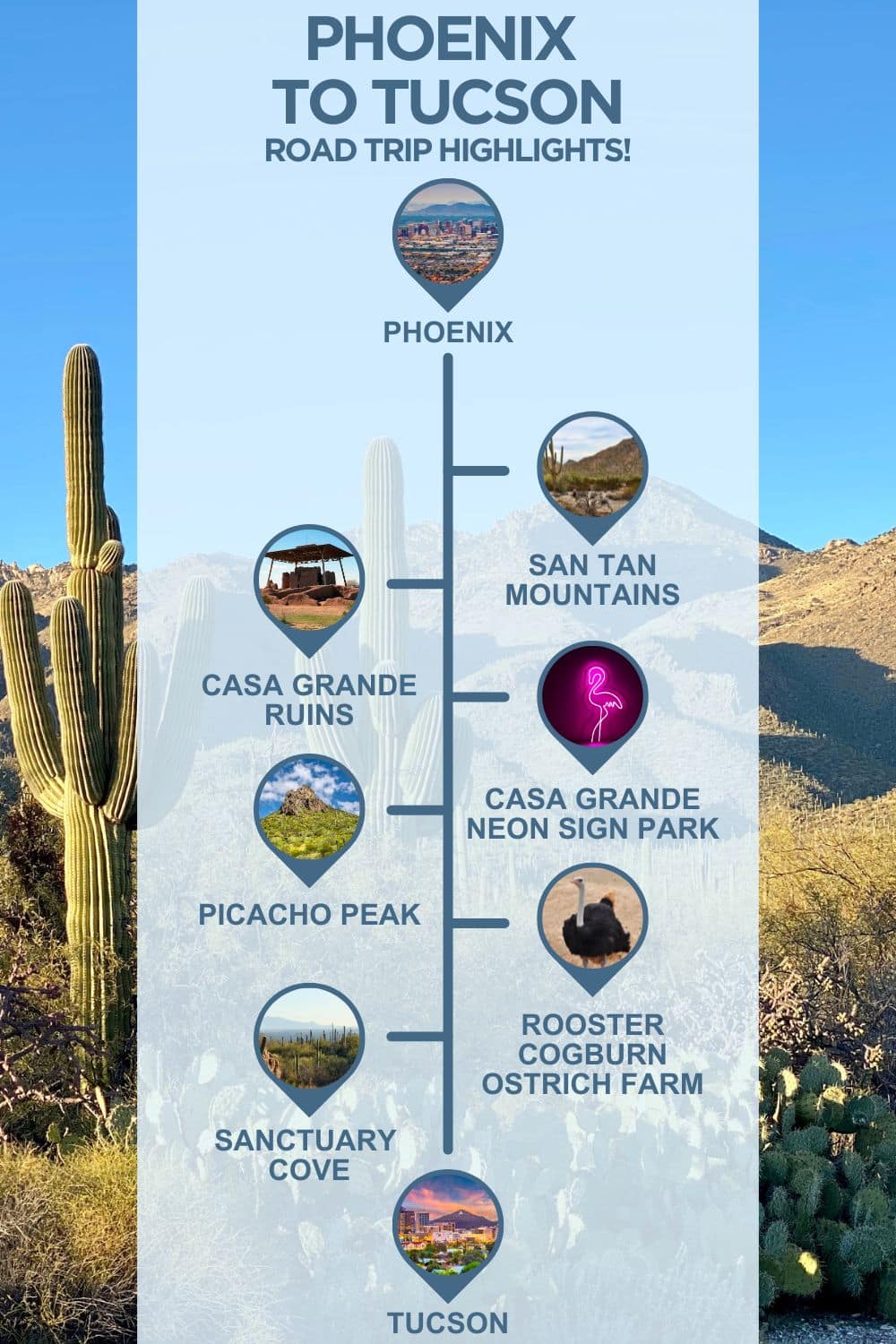
This exploration delves into the geographical separation between these two prominent cities, examines the most popular and practical modes of transportation, and offers insights into what awaits you upon arrival in each destination. From the bustling streets of Phoenix to the more laid-back charm of Tucson, the path between them is more than just mileage; it’s a transition through distinct yet complementary Arizona vibes.
The Direct Route: Distance and Driving Time
The most straightforward answer to “How far from Phoenix to Tucson, Arizona?” lies in the direct driving distance. The two cities are separated by approximately 115 miles (around 185 kilometers) when traveling via the most direct and commonly used route, Interstate 10 (I-10). This interstate highway is a well-maintained artery that efficiently connects the northern and southern parts of the state, making the drive a relatively smooth and predictable affair.
Navigating I-10: A Scenic Drive Through the Desert
The drive along I-10 from Phoenix to Tucson typically takes about 2 to 2.5 hours, depending on traffic conditions and your specific starting and ending points within each metropolitan area. While the freeway is the primary thoroughfare, the journey itself offers glimpses of the iconic Sonoran Desert landscape. As you leave the sprawling metropolis of Phoenix, the urban environment gradually gives way to saguaro cacti standing tall against the horizon, rolling hills, and the vast, open skies characteristic of this region.
It’s important to factor in potential traffic, especially when departing from Phoenix during peak hours. Weekday mornings and late afternoons can see congestion, particularly around the Phoenix metropolitan area. Similarly, arriving in Tucson during busy times might add a little extra travel time. Always check real-time traffic updates before you set off to ensure the most efficient journey.
For those who enjoy the open road, the drive presents opportunities for brief stops. While there aren’t numerous major attractions directly on the highway for the entire stretch, the sheer beauty of the desert environment is an attraction in itself. Consider rolling down your windows (weather permitting) and breathing in the dry, warm air, a quintessential Arizona experience.
Alternative Journeys: Beyond the Car
While driving is undoubtedly the most popular and flexible way to travel between Phoenix and Tucson, it’s not the only option. For travelers who prefer not to drive or wish to experience the journey in a different way, alternative transportation methods are available, each offering its own unique advantages. These options cater to various travel styles and preferences, from those seeking budget-friendly travel to those prioritizing a relaxed and hassle-free transit.
The Convenience of Public Transportation: Bus Services

For those seeking a more budget-conscious or hands-off approach, intercity bus services provide a reliable and accessible way to travel between Phoenix and Tucson. Companies like FlixBus and Greyhound operate regular routes connecting the two cities. These services typically depart from designated bus terminals in Phoenix and arrive at similar terminals in Tucson.
The bus journey generally takes a bit longer than driving, often ranging from 2.5 to 3.5 hours, depending on the number of stops and the specific route taken. However, this extended travel time can be an advantage for some. It allows passengers to relax, read, catch up on work, or simply enjoy the scenery without the stress of navigating. Many modern buses offer amenities such as Wi-Fi, power outlets, and comfortable seating, making the journey a pleasant one. Booking tickets in advance is often recommended, especially during peak travel seasons, to secure the best fares and ensure availability. This is a great option for solo travelers, budget-conscious families, or anyone who prefers to let someone else do the driving.
A Soaring Perspective: Flights (with a caveat)
While there are airports in both Phoenix (Phoenix Sky Harbor International Airport – PHX) and Tucson (Tucson International Airport – TUS), direct commercial flights between these two cities are extremely rare, if they exist at all, due to the short distance. The flight time, if available, would be minimal, perhaps 30-40 minutes. However, when factoring in travel time to and from airports, security checks, boarding, and deplaning, the total travel time would likely exceed that of driving or taking a bus. Therefore, for this particular route, flying is generally not a practical or efficient option and is typically not offered by major airlines. For longer distances within Arizona or to destinations outside the state, flying from Phoenix Sky Harbor International Airport or Tucson International Airport becomes a viable and necessary option.
Exploring Your Destinations: What Awaits in Tucson
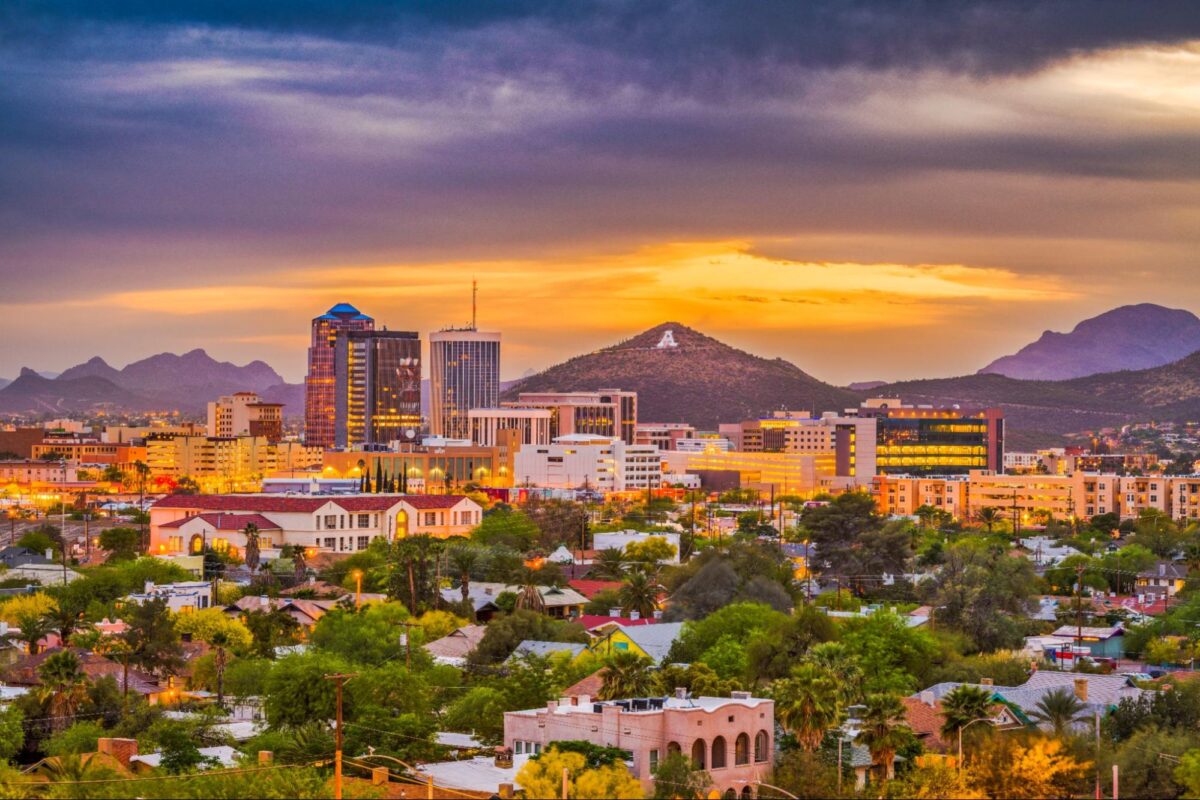
Upon arriving in Tucson, you’ll discover a city with a distinct character, often described as more laid-back and culturally rich than its northern counterpart. Known for its vibrant arts scene, historic adobe architecture, and incredible culinary landscape, Tucson offers a unique Arizona experience. The city is a UNESCO City of Gastronomy, a testament to its dedication to preserving its culinary heritage and fostering innovative food culture.
Southwestern Charm and Natural Wonders
Tucson is cradled by majestic mountain ranges, including the Santa Catalina Mountains to the north and the Tucson Mountains to the west. These ranges provide a stunning backdrop and offer incredible opportunities for outdoor exploration. Saguaro National Park, which is split into two districts on either side of the city, is a must-visit for anyone wanting to immerse themselves in the iconic Sonoran Desert ecosystem. Here, you can hike among giant saguaro cacti, marvel at desert flora and fauna, and witness breathtaking desert sunsets.
The historic downtown area of Tucson is a charming labyrinth of adobe buildings, art galleries, and boutiques. El Presidio Historic District showcases Spanish colonial architecture, while the vibrant Fourth Avenue is known for its eclectic shops and bohemian atmosphere. For a deeper dive into the region’s history, the Arizona-Sonora Desert Museum offers a captivating blend of zoo, botanical garden, and natural history museum, all set within a desert landscape.
Culinary Delights and Cultural Immersion
Tucson’s culinary scene is a major draw. From traditional Sonoran-style Mexican food, characterized by its mesquite-grilled meats and fresh ingredients, to innovative New American cuisine, there’s something to satisfy every palate. Be sure to try regional specialties like Sonoran hot dogs, chimichangas (which legend says originated in Tucson), and the diverse array of dishes featuring chiltepin peppers. Exploring the local markets and taco stands is an adventure in itself.
The city also boasts a rich cultural heritage, influenced by its Native American, Spanish, and Mexican roots. The Mission San Xavier del Bac, a stunning 18th-century Spanish Catholic mission located just south of Tucson, is a magnificent example of Baroque architecture and a National Historic Landmark. Its pristine white facade stands in stark contrast to the desert surroundings, making it a truly breathtaking sight. For those interested in art and culture, Tucson offers numerous museums, including the Tucson Museum of Art, and a thriving live music and theater scene.
Whether you’re arriving by car, bus, or imagining a future flight path, the journey from Phoenix to Tucson is a gateway to understanding the diverse beauty and distinct personalities of Arizona’s two premier cities. Each offers a unique blend of natural splendor, cultural depth, and unforgettable experiences waiting to be discovered.
LifeOutOfTheBox is a participant in the Amazon Services LLC Associates Program, an affiliate advertising program designed to provide a means for sites to earn advertising fees by advertising and linking to Amazon.com. Amazon, the Amazon logo, AmazonSupply, and the AmazonSupply logo are trademarks of Amazon.com, Inc. or its affiliates. As an Amazon Associate we earn affiliate commissions from qualifying purchases.