
The journey between Portland, OR and Seattle, WA is a quintessential Pacific Northwest experience, a passage connecting two of the region’s most vibrant and distinctive urban centers. While the precise distance can vary depending on the chosen route and mode of transportation, understanding the logistics, options, and attractions along the way is key to transforming a simple commute into an enjoyable part of your travel adventure. This comprehensive guide delves into every aspect of traversing the distance between Portland’s bohemian charm and Seattle’s bustling urban landscape, offering insights for first-time visitors and seasoned travelers alike.
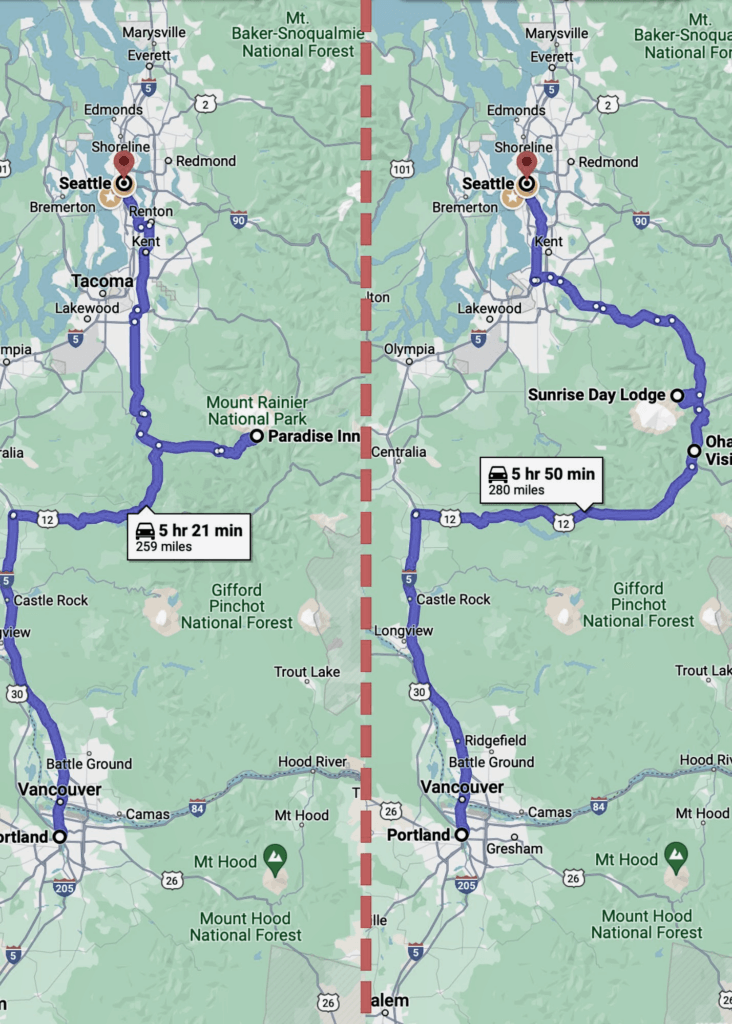
The Geographic Reality: Unpacking the Distance
At first glance, the two cities appear to be relatively close on a map, and indeed, they are. However, the exact “distance” is a multifaceted concept, influenced by the path taken and the mode of travel.
Straight-Line vs. Driving Distance
As the crow flies, the air distance between Portland and Seattle is approximately 145 miles (233 kilometers). This is the shortest possible measure and is primarily relevant for air travel. For road travelers, however, this straight-line distance is purely theoretical. The practical driving distance is significantly greater, dictated by the existing road network. The most direct and commonly used route primarily follows Interstate 5 (I-5), a major north-south artery that stitches together the West Coast. Along I-5, the driving distance typically ranges from 170 to 175 miles (approximately 274 to 282 kilometers). This variation often depends on the specific starting point in Portland and the exact destination within Seattle, as both are expansive metropolitan areas.
Key Interstates and Scenic Routes
The vast majority of travelers between Portland and Seattle will utilize I-5. This freeway is generally well-maintained and offers multiple lanes for smooth transit, though it can become congested during peak travel times, especially around urban centers like Tacoma and Olympia in Washington. While I-5 is the most efficient, it’s not the only option. Adventurous travelers might consider alternative routes that, while longer in distance and time, offer more scenic beauty and opportunities for unique stops. For instance, veering west towards the Oregon Coast and then north along Highway 101 through the Washington Coast could provide breathtaking ocean views and quaint coastal towns, albeit significantly extending the journey. Another less direct but picturesque option involves routes through the Cascade Mountains, offering stunning natural landscapes, particularly when Mount St. Helens and Mount Rainier are visible. These detours transform a straightforward drive into an exploratory road trip, perfect for those with extra time and a desire to immerse themselves in the Pacific Northwest’s diverse scenery.
Navigating the Journey: Modes of Transportation
The choice of transportation between Portland and Seattle depends heavily on individual preferences, budget, time constraints, and the desired travel experience. Each mode offers distinct advantages and disadvantages.
Driving: Flexibility and Scenic Stops
Driving remains the most popular option for many travelers, primarily due to the unparalleled flexibility it offers. A typical drive along I-5 takes approximately 3 to 3.5 hours under ideal traffic conditions, not including stops. This allows travelers to depart at their leisure, carry as much luggage as desired, and make spontaneous detours. Car rental services are readily available in both cities for those without their own vehicles. However, drivers must account for potential traffic congestion, especially during rush hours or holiday weekends, which can easily extend travel times by an hour or more. Parking in downtown Portland and Seattle can also be challenging and expensive. Despite these considerations, the ability to control one’s schedule and explore interesting spots like the Cowlitz Indian Tribe cultural center or the charming state capital of Olympia along the way makes driving a compelling choice for many.
Bus Services: Economical and Convenient
For budget-conscious travelers or those who prefer not to drive, intercity bus services offer an excellent alternative. Companies like Greyhound and FlixBus (which acquired BoltBus) provide frequent departures throughout the day. The journey by bus typically takes longer than driving, usually ranging from 3.5 to 4.5 hours, largely due to scheduled stops and varying traffic conditions. However, the cost-effectiveness is a major draw, with tickets often significantly cheaper than train or airfare, particularly if booked in advance. Bus travel also allows passengers to relax, read, work, or enjoy the passing scenery without the stress of navigation or parking. Modern buses often come equipped with Wi-Fi and power outlets, enhancing the travel experience.
Train Travel: A Relaxing Alternative with Views
Amtrak Cascades provides a unique and enjoyable way to travel between Portland and Seattle. This scenic train route offers comfortable seating, a dining car, and stunning views that are often missed from the freeway, including glimpses of the Columbia River and Puget Sound. The train journey typically takes around 3.5 to 4 hours, comparable to driving or bus travel. What sets train travel apart is the ability to walk around, enjoy the spacious seating, and avoid any traffic woes. It’s a particularly appealing option for those who value comfort and a leisurely pace, providing a chance to unwind and appreciate the Pacific Northwest’s natural beauty from a different perspective. Booking in advance is recommended, especially during peak seasons, as tickets can sell out.
Flying: The Fastest, But Not Always the Most Practical
While Portland International Airport (PDX) and Seattle-Tacoma International Airport (SEA) are both major hubs, flying between the two cities is generally not the most practical option for most travelers. The actual flight time is incredibly short, often less than an hour. However, when accounting for the time spent traveling to and from airports, going through security, checking bags, and waiting for boarding, the total door-to-door travel time often exceeds that of driving or taking the train. Furthermore, airfare can be significantly more expensive than ground transportation options, especially for a short regional hop. It might be a viable choice only for those with tight schedules, connecting flights, or specific business needs that prioritize minimal airborne time, but for direct city-to-city travel, it’s usually less efficient.
Planning Your Trip: What to Consider
Successful travel between Portland and Seattle involves more than just knowing the distance; it requires thoughtful planning around various factors.

Best Times to Travel
The Pacific Northwest is known for its distinct seasons, which significantly impact travel conditions. Summer (June to September) offers the most pleasant weather, with warm, sunny days ideal for sightseeing and outdoor activities. However, this is also peak tourist season, meaning higher prices for accommodations and transportation, and increased traffic congestion on I-5. Spring (April to May) and Fall (October to November) present a good balance, with fewer crowds, often lower prices, and beautiful scenery (cherry blossoms in spring, vibrant foliage in fall). Winter (December to March) brings cooler temperatures, more rain, and occasional snow, particularly in higher elevations or during cold snaps. While travel is still feasible, road conditions can be challenging, and daylight hours are shorter. For a smooth journey, aiming for mid-week travel outside of major holidays can help avoid the worst of the crowds and traffic.
Estimated Travel Times and Factors Affecting Them
As discussed, the base travel time by car is 3 to 3.5 hours. However, this is a best-case scenario. Several factors can influence actual travel duration:
- Traffic: This is the primary variable. Congestion is common around Portland’s northern suburbs, Vancouver, WA, Olympia, and especially the Tacoma-Seattle corridor. Using real-time navigation apps (e.g., Google Maps, Waze) is highly recommended.
- Time of Day/Week: Avoid morning (6-9 AM) and afternoon (3-6 PM) rush hours, and expect heavier traffic on Fridays and Sundays.
- Weather: Rain, fog, or snow can significantly slow down driving conditions.
- Construction: Roadwork on I-5 is an ongoing reality and can lead to lane closures and delays.
- Stops: Whether for gas, food, or sightseeing, factor in extra time if you plan to make stops.
For bus and train travel, scheduled times are usually more predictable, though unforeseen delays can occur.
Budgeting for Your Journey
The cost of travel varies widely. For drivers, fuel costs (dependent on vehicle MPG and current gas prices) and potential parking fees in both cities are the main expenses. Tolls are not typically encountered on the I-5 route. Bus tickets can range from $20-$40, while Amtrak Cascades tickets typically fall between $30-$60, depending on how far in advance they are booked and the class of service. Flights are generally the most expensive, often starting from $100 and going upwards, plus the added costs of airport transfers and baggage fees. Smart budgeting involves comparing options, booking in advance where possible, and considering a multi-modal approach if circumstances allow.
Exploring the Route: Points of Interest Along the Way
The journey between Portland and Seattle isn’t just about covering miles; it’s an opportunity to experience more of the Pacific Northwest’s charm, history, and natural beauty.
Natural Wonders and Outdoor Adventures
The corridor boasts incredible natural attractions. Just north of Portland, the majestic Columbia River Gorge is a short detour eastward, home to stunning waterfalls like Multnomah Falls and numerous hiking trails. Further north, for those willing to venture off I-5, the visitor centers and interpretive sites around Mount St. Helens National Volcanic Monument offer a fascinating look at the aftermath of its 1980 eruption. Closer to Seattle, the imposing silhouette of Mount Rainier National Park is often visible on clear days, inviting travelers for a more extensive outdoor excursion. The dense forests and numerous state parks along the route provide ample opportunities for stretching legs and enjoying fresh air.
Charming Towns and Cultural Stops
Several smaller cities and towns along the I-5 corridor offer appealing stops. Vancouver, WA, just across the Columbia River from Portland, has a rich history as an early settlement in the territory, with sites like Fort Vancouver National Historic Site. As you enter Washington, the state capital of Olympia features a beautiful legislative building and a vibrant downtown waterfront. Tacoma, situated just south of Seattle, has undergone significant revitalization and boasts impressive cultural institutions such as the Museum of Glass and the LeMay – America’s Car Museum. These stops not only break up the journey but also provide a deeper appreciation for the region’s diverse offerings beyond its major metropolises.
Beyond the Miles: Why Make the Trip?
The distance between Portland and Seattle, whether measured in miles or hours, represents more than just a physical separation. It signifies a passage between two distinct yet complementary urban experiences, each serving as a gateway to the broader wonders of the Pacific Northwest.
Unique Charms of Portland and Seattle
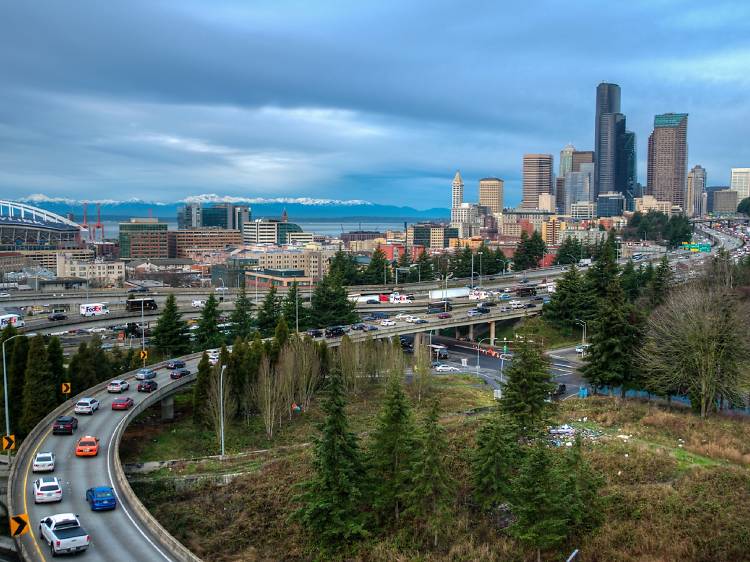
Portland captivates with its quirky, independent spirit, renowned food scene (especially food trucks), craft breweries, lush urban parks like Forest Park and the International Rose Test Garden, and a strong emphasis on sustainability and local culture. Seattle, on the other hand, presents a more cosmopolitan vibe, famous for its iconic Space Needle, bustling Pike Place Market, pioneering tech industry, vibrant music history, and stunning waterfront views of Puget Sound and the Olympic Mountains. Each city offers a unique flavor, making the contrast between them a significant part of the allure of this journey.
A Gateway to the Pacific Northwest
Traveling between Portland and Seattle is more than just transportation; it’s an immersive experience within the heart of the Pacific Northwest. This corridor provides a convenient starting point for exploring the majestic coastline, volcanic peaks, dense forests, and countless vineyards of the Willamette Valley. It’s a journey that reveals the region’s blend of urban sophistication and untamed natural beauty, offering travelers a chance to witness the diverse landscapes and vibrant cultures that define this corner of the United States. Whether you’re seeking urban exploration, outdoor adventure, or a taste of local life, the trip between these two Pacific Northwest gems is an essential part of any regional itinerary.
LifeOutOfTheBox is a participant in the Amazon Services LLC Associates Program, an affiliate advertising program designed to provide a means for sites to earn advertising fees by advertising and linking to Amazon.com. Amazon, the Amazon logo, AmazonSupply, and the AmazonSupply logo are trademarks of Amazon.com, Inc. or its affiliates. As an Amazon Associate we earn affiliate commissions from qualifying purchases.