
The call of the neon lights and the allure of world-class entertainment draw countless travelers to Las Vegas each year. For those embarking on this journey from Salt Lake City, understanding the distance and the various ways to traverse it is crucial for planning a seamless and enjoyable trip. This route, though seemingly straightforward, offers a diverse range of travel options, each with its own set of advantages and considerations. Whether you prefer the open road, the efficiency of air travel, or a more scenic expedition, this guide will equip you with the knowledge to make the best choice for your adventure.
The Direct Distance and Driving Routes
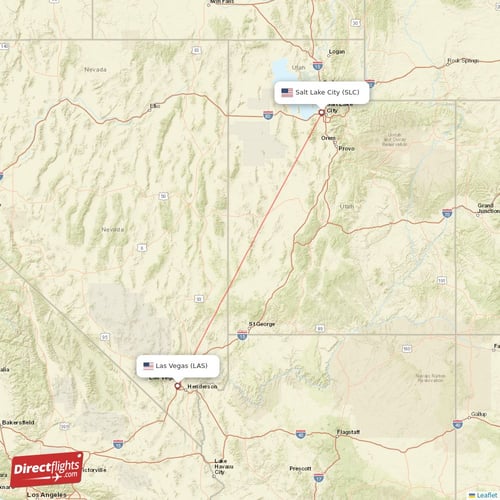
The most fundamental aspect of planning this trip is grasping the mileage between these two iconic Western cities. Geographically, Salt Lake City and Las Vegas are separated by approximately 420 to 450 miles, depending on the specific route taken. This distance translates into a substantial driving time, generally ranging from 6 to 7.5 hours of pure driving, not accounting for stops.
Primary Driving Itinerary: Interstate 15 South
The most common and direct driving route from Salt Lake City to Las Vegas utilizes Interstate 15 for the vast majority of the journey. This interstate highway is well-maintained and offers a relatively straightforward path through diverse landscapes.
- The Initial Stretch: Your journey begins by heading south out of Salt Lake City, typically merging onto I-15 South. The initial part of this drive takes you through Utah’s picturesque valleys, with opportunities to witness the rugged beauty of the Wasatch Mountains on your left.
- Through Southern Utah: As you venture further south, the landscape gradually transforms. You’ll pass through cities like Provo, Orem, and St. George, each offering potential rest stops and amenities. The scenery becomes more arid and dramatic, with vast desert expanses and striking red rock formations becoming prominent.
- Entering Nevada: Crossing the state line into Nevada marks a significant change in terrain. The desert continues, with the imposing landscape of the Mojave Desert greeting you. The final stretch of I-15 leads directly into the heart of Las Vegas, with the city’s iconic skyline appearing on the horizon as a beacon.
Alternative Driving Considerations and Scenic Detours
While I-15 is the most efficient route, adventurous travelers might consider slight deviations for a more immersive experience, though this will inevitably add to the travel time.
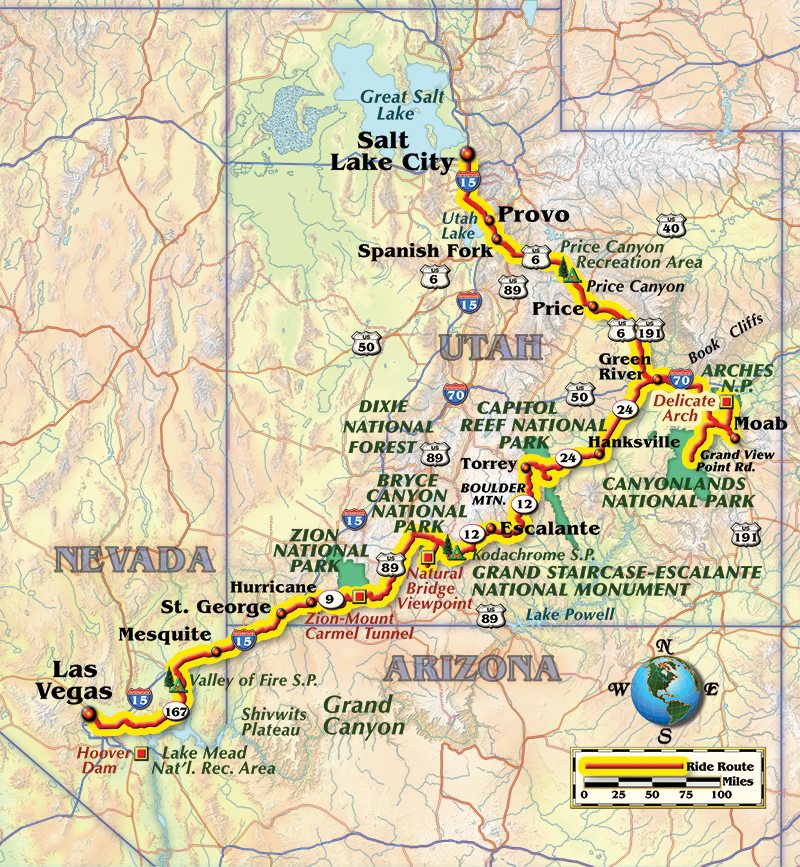
- Zion National Park and Bryce Canyon National Park Loop: For those with a few extra days, a detour through southern Utah’s national parks can be an unforgettable addition. This would involve taking exits off I-15 to explore these natural wonders before rejoining the interstate towards Las Vegas. This adds considerable mileage and time but offers unparalleled natural beauty.
- Valley of Fire State Park: Located northeast of Las Vegas and accessible via a detour from I-15 in Nevada, this park showcases stunning red sandstone formations and is a relatively quick and rewarding stop for a scenic drive and short hikes.
Flying: The Fastest Route to the Strip
For travelers prioritizing speed and convenience, air travel presents the most efficient option for getting from Salt Lake City to Las Vegas. The flight time itself is remarkably short, making it an attractive choice for weekend getaways or business trips.
Direct Flights and Airport Logistics
Several airlines operate direct flights between Salt Lake City International Airport (SLC) and McCarran International Airport (LAS), now known as Harry Reid International Airport.
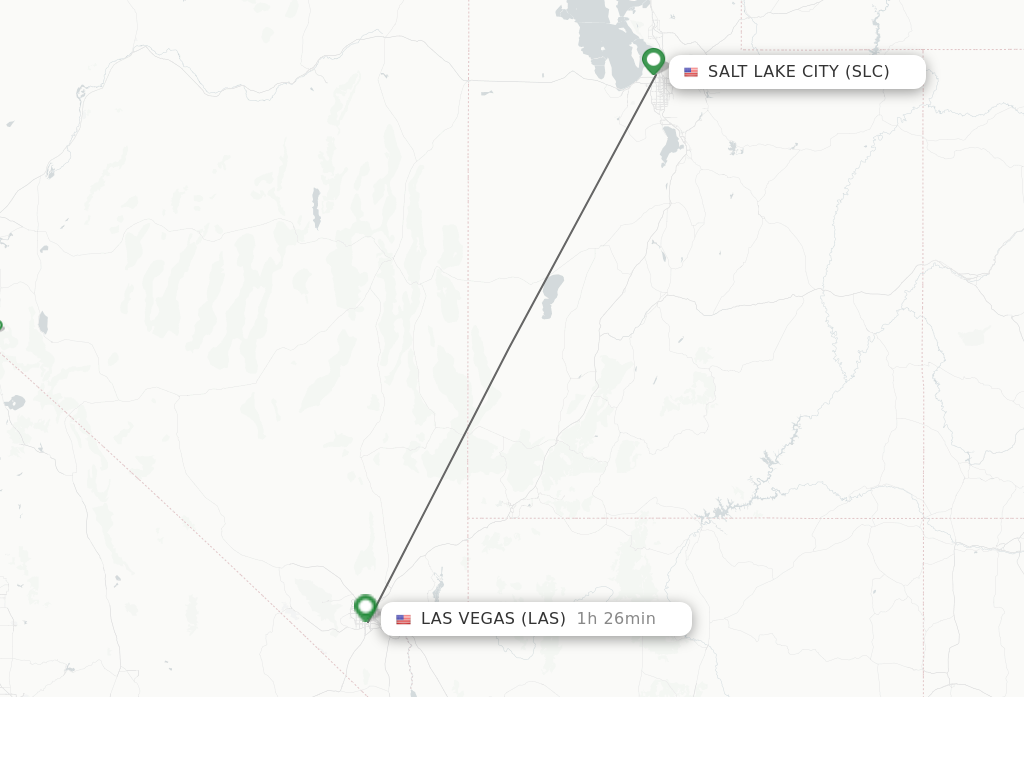
- Flight Duration: The actual flight time is typically between 1 hour and 1 hour and 15 minutes. This brevity makes it a popular choice for those looking to maximize their time in Las Vegas.
- Frequency and Airlines: Numerous daily flights are available, operated by carriers such as Delta Air Lines, Southwest Airlines, and others. Booking in advance is advisable to secure favorable pricing and flight times.
- Airport Travel: From Salt Lake City International Airport, travelers will need to arrange transportation to their accommodation in Las Vegas. Options include taxis, ride-sharing services, and airport shuttles, all readily available. Similarly, on the return journey, ensure you allocate sufficient time to reach Harry Reid International Airport.
Considering the Total Travel Time
While the flight itself is brief, it’s essential to factor in the total time commitment for air travel.
- Pre-flight Procedures: This includes travel to the airport, check-in, security screening, and boarding. This can easily add 2-3 hours to your journey.
- Post-flight Procedures: Upon arrival in Las Vegas, you’ll need to deplane, collect any checked baggage, and then arrange for transport from the airport to your hotel. This can add another 30-60 minutes.
- Overall Comparison: When all these factors are considered, the total door-to-door travel time for flying is often comparable to driving for those who prefer a direct, non-stop approach, typically falling in the 4-6 hour range. However, for those who enjoy road trips, the driving option offers a more leisurely and scenic experience.
Bus and Train: The Budget-Conscious and Relaxed Options
For travelers seeking more economical or relaxed modes of transportation, bus and train services offer viable alternatives to driving or flying. While these options generally take longer, they provide an opportunity to unwind, enjoy the passing scenery, and avoid the stresses of driving or airport security.
Bus Travel: A Cost-Effective Journey
Intercity bus services are a popular choice for budget-conscious travelers, offering a direct connection between Salt Lake City and Las Vegas.
- Major Bus Carriers: Companies such as Greyhound and FlixBus operate routes on this corridor. They typically depart from central bus terminals in Salt Lake City and arrive at designated bus stations in Las Vegas, often near the Strip.
- Travel Time: The bus journey is significantly longer than driving or flying, usually taking anywhere from 8 to 10 hours, depending on the number of stops and traffic conditions.
- Amenities and Comfort: Modern buses often come equipped with amenities like Wi-Fi, power outlets, and reclining seats, making the longer journey more comfortable. It’s an opportunity to read, work, or simply watch the diverse landscapes of the Intermountain West unfold.
Train Travel: A Nostalgic and Scenic Experience (with a caveat)
While train travel is a romantic notion for many, the direct rail connection between Salt Lake City and Las Vegas is not as straightforward as one might hope. Amtrak does not currently offer a direct route between these two cities.
- Indirect Routes: Travelers looking to incorporate train travel would need to piece together a journey involving multiple segments and likely buses for connecting legs. This significantly increases travel time and complexity, making it a less practical option for most seeking a direct trip to Las Vegas.
- Alternative Rail Experiences: For those who enjoy rail travel, exploring scenic routes in surrounding states might be a more rewarding endeavor. However, for the specific purpose of traveling between Salt Lake City and Las Vegas, bus services or driving remain the primary non-aviation choices.
Factors Influencing Your Travel Choice
Deciding on the best way to travel from Salt Lake City to Las Vegas involves weighing several personal and practical considerations. The “best” method is highly subjective and depends on individual priorities.
Budget and Cost-Effectiveness
For the most budget-conscious travelers, bus services often represent the lowest upfront cost for a one-way ticket. Driving, while requiring an initial investment in fuel and vehicle maintenance, can be cost-effective for groups traveling together, as the cost of fuel can be shared. Airfare prices fluctuate significantly based on booking time, airline, and season, but can sometimes be competitive, especially with early booking or during off-peak travel times.
Time Constraints and Efficiency
If time is your most valuable commodity, flying is undeniably the winner. The short flight time, combined with efficient airport procedures, makes it the quickest way to reach Las Vegas. Driving offers a balance, allowing for flexibility in departure times and stops, but requires a significant time commitment. Bus travel is the slowest option, best suited for those who are not pressed for time and wish to relax during their transit.
The Driving Experience and Flexibility
The road trip offers an unparalleled sense of freedom and flexibility. You can depart on your own schedule, stop at roadside attractions, control your pace, and pack whatever you need without airline restrictions. The drive itself can be an integral part of the travel experience, allowing you to witness the changing landscapes of Utah and Nevada. This option is ideal for those who enjoy the journey as much as the destination.
Group Travel and Luggage Considerations
For families or groups traveling together, driving can be the most economical and practical solution. The ability to share costs and have ample space for luggage and personal items is a significant advantage. While airlines allow for checked baggage, there are often fees associated with it, and space can be limited on flights. Bus travel also has luggage restrictions, though they are typically more generous than airlines.
Ultimately, the distance between Salt Lake City and Las Vegas is more than just a number of miles; it’s a measure of the journey and the choices available to the modern traveler. Whether you opt for the swift ascent into the skies, the steady rhythm of the open road, or the communal journey by bus, your trip to the vibrant city of Las Vegas begins with a thoughtful consideration of how you’ll make that approximately 400-mile transition.
LifeOutOfTheBox is a participant in the Amazon Services LLC Associates Program, an affiliate advertising program designed to provide a means for sites to earn advertising fees by advertising and linking to Amazon.com. Amazon, the Amazon logo, AmazonSupply, and the AmazonSupply logo are trademarks of Amazon.com, Inc. or its affiliates. As an Amazon Associate we earn affiliate commissions from qualifying purchases.