
The question of distance between two prominent Florida cities, Tallahassee and Orlando, is a common one for travelers planning a road trip or vacation. While seemingly straightforward, the actual travel experience involves more than just mileage. Understanding the various routes, estimated travel times, and factors that influence them can significantly enhance your journey. Whether you’re a local embarking on a weekend getaway or a visitor exploring the Sunshine State, this guide will break down the distance and what to expect when traveling between these two vibrant destinations.
The Direct Route: Distance and Time
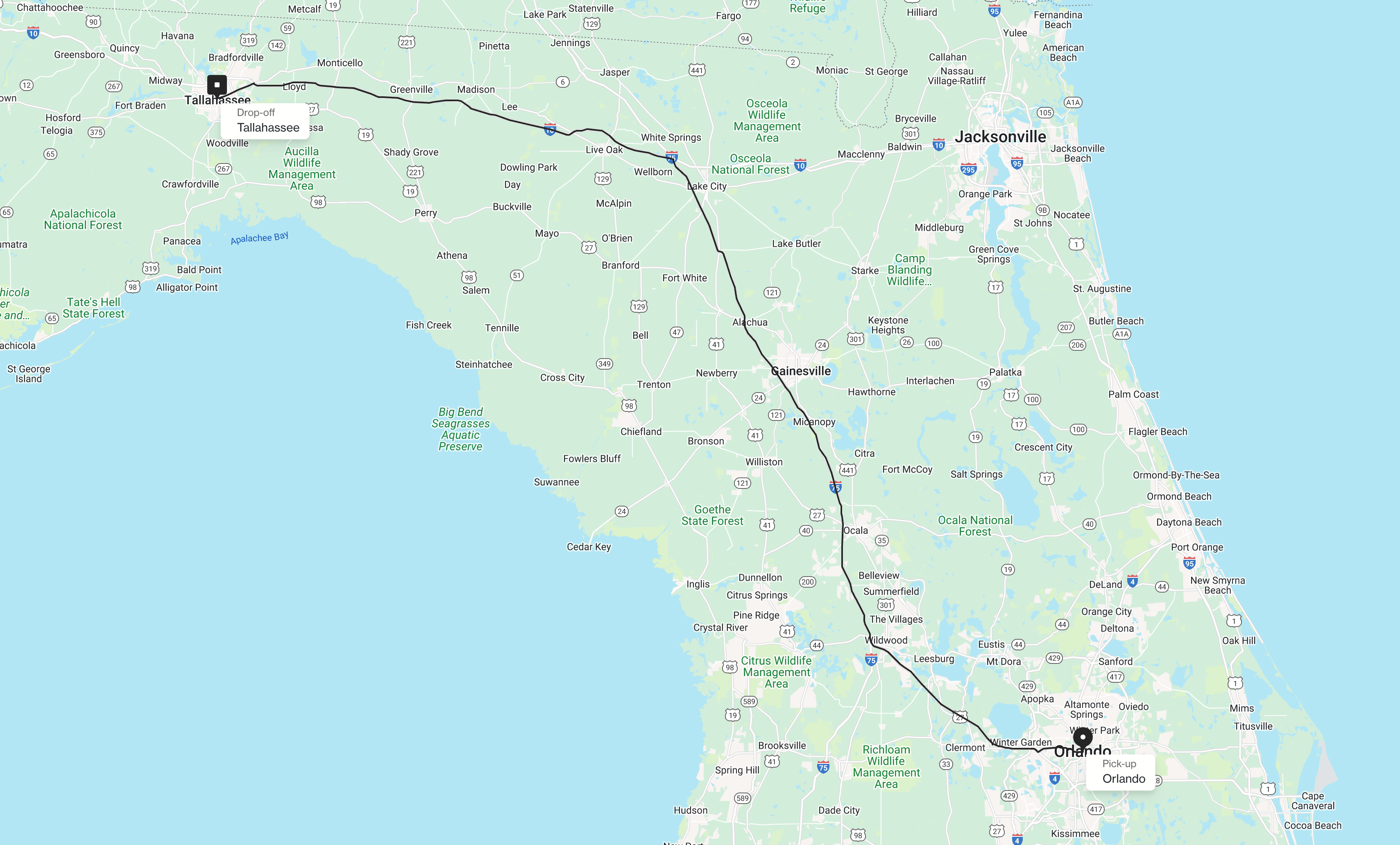
The most direct route from Tallahassee to Orlando primarily utilizes Interstate 10 (I-10) East to Interstate 75 (I-75) South, and then transitions to Florida’s Turnpike (SR 91) South. This path is generally considered the most efficient in terms of mileage and often in terms of time, assuming optimal traffic conditions.

Mileage Breakdown
The approximate driving distance between Tallahassee and Orlando is around 300 to 320 miles, depending on the exact starting and ending points within each city and the specific GPS-guided route chosen. This distance positions them as a substantial but manageable road trip for many.
Estimated Driving Time
Under normal circumstances, with minimal traffic and without significant stops, the drive from Tallahassee to Orlando typically takes between 4.5 to 5.5 hours. This estimate accounts for the average speed limits on the interstates and turnpike. However, it is crucial to remember that this is an approximation and several factors can influence the actual travel duration.
Factors Influencing Travel Time
- Traffic Congestion: Orlando is a major tourist hub, and its roadways can experience significant congestion, especially during peak tourist seasons, holidays, and around major attractions like Walt Disney World Resort and Universal Orlando Resort. The approach to Orlando on Florida’s Turnpike and I-4 can be particularly prone to delays. Similarly, Tallahassee can experience rush hour traffic.
- Road Construction: Florida is constantly undergoing road improvements, and unexpected construction zones can cause slowdowns and detours. It is advisable to check real-time traffic updates before and during your journey.
- Time of Day: Traveling during early morning or late evening hours can often lead to a smoother, quicker drive compared to departing during typical commuting times or late afternoon when vacationers are heading to attractions.
- Weather Conditions: While Florida is known for its sunshine, occasional thunderstorms, especially during the summer months, can impact visibility and driving speeds. Heavy rain can slow down traffic considerably.
- Stops: The estimated driving time does not include stops for gas, food, or rest breaks. A typical road trip will involve at least one or two stops, adding to the overall journey duration.
Alternative Routes and Considerations
While the direct route is the most common, there are alternative paths one might consider, though they generally add to the mileage or time. These are often chosen for scenic value or to avoid specific traffic patterns.
The Scenic Route (Potentially Longer)
For those who prefer a more leisurely pace and wish to see more of Florida‘s diverse landscapes, one could consider routes that deviate from the interstates. This might involve taking U.S. Highway 27 South for a significant portion of the journey. This route passes through more rural areas and smaller towns, offering a different perspective of the state.
U.S. Highway 27 South
Taking U.S. Highway 27 South from the Tallahassee area allows for a more relaxed drive. You would likely connect to U.S. Highway 98 and then transition to U.S. Highway 27 near the center of the state. This route bypasses the higher speeds of the interstates and the tolls of the turnpike, but it also means slower speed limits and more opportunities for traffic lights and local slowdowns. The mileage for this route would likely increase to over 350 miles, and the driving time could easily extend to 6 to 7 hours or more, depending on the number of towns traversed and the frequency of stops.
Benefits of Alternative Routes
- Avoiding Tolls: Florida’s Turnpike is a toll road. While convenient, the cumulative cost of tolls can add up. A route like U.S. Highway 27 avoids these charges.
- Experiencing Local Florida: These routes offer a glimpse into the everyday life of Florida towns, from charming main streets to local diners and roadside attractions that might be missed on the interstate.
- Potential for Unique Stops: You might discover small antique shops, local farms, or natural springs that are not directly accessible from the major highways.
Planning Your Journey Effectively
To ensure a smooth and enjoyable trip from Tallahassee to Orlando, careful planning is essential. This involves more than just checking the distance; it includes optimizing your travel time and preparing for potential variables.
Pre-Trip Preparations
- Vehicle Check: Ensure your vehicle is in good working condition. Check tire pressure, oil levels, and all essential fluids. A breakdown on a long drive can be a significant inconvenience.
- Navigation Tools: Utilize GPS devices or smartphone apps like Google Maps or Waze. These tools provide real-time traffic updates, suggest the fastest routes, and can help you navigate around unexpected delays. Download offline maps in case of spotty cell service.
- Entertainment: Long drives can be monotonous. Prepare playlists, podcasts, or audiobooks to keep yourself entertained.
- Snacks and Drinks: Packing your own snacks and beverages can save time and money compared to frequent stops at service stations.
Strategic Timing and Stops
- Departure Time: Consider departing very early in the morning (e.g., before 6 AM) to get ahead of traffic in both cities and along the route. Alternatively, an evening departure might allow you to arrive in Orlando late at night, avoiding some of the daytime rush.
- Rest Stops: Plan for at least one or two substantial breaks. The Florida Turnpike has well-equipped service plazas that offer fuel, food, and restrooms. If taking alternative routes, identify towns along the way where you can safely stop. A good midway point could be near the Ocala area.
- Fueling Up: It is always wise to fuel up before leaving Tallahassee and to keep an eye on your fuel gauge, especially if you are not on a major interstate with frequent service stations.
Connecting to Key Destinations in Orlando
Once you arrive in the Orlando area, the exact destination within the metropolitan region will further influence your final travel time. Orlando is a sprawling city with distinct areas.
Theme Park Hubs
- Walt Disney World Resort: Located southwest of the main city center, access typically involves exiting I-4 at specific interchanges like State Road 535 (SR 535) or State Road 429 (SR 429), the Western Beltway.
- Universal Orlando Resort: Situated closer to downtown Orlando and International Drive, access is often via I-4 exits.
- SeaWorld Orlando and International Drive: These attractions are centrally located and easily accessible from I-4.
Downtown Orlando and Other Areas
- Downtown Orlando: Reaching the central business district typically involves I-4 East.
- Orlando International Airport (MCO): The airport is southeast of the city center and is accessible via SR 528 (Beachline Expressway), which connects to Florida’s Turnpike and SR 417 (Greenway).
The final leg of your journey, from the outskirts of Orlando to your specific hotel, resort, or vacation rental, can add an additional 20 to 60 minutes depending on traffic and the precise location. Understanding the general layout of Orlando and consulting your GPS for the final approach will be critical for a seamless arrival.
LifeOutOfTheBox is a participant in the Amazon Services LLC Associates Program, an affiliate advertising program designed to provide a means for sites to earn advertising fees by advertising and linking to Amazon.com. Amazon, the Amazon logo, AmazonSupply, and the AmazonSupply logo are trademarks of Amazon.com, Inc. or its affiliates. As an Amazon Associate we earn affiliate commissions from qualifying purchases.