
Planning a trip from the Beehive State to the Entertainment Capital of the World? Understanding the distance and travel time from Utah to Las Vegas is a crucial first step in crafting your itinerary. Whether you’re embarking on a spontaneous weekend getaway or a meticulously planned road trip, knowing the mileage, the various routes available, and the typical transit times will significantly impact your travel experience. This guide will delve into the specifics of traversing this popular corridor, offering insights for every type of traveler.
Understanding the Proximity: Utah to Las Vegas in Miles and Minutes
The exact distance from Utah to Las Vegas depends on your starting point within Utah. However, given the state’s shape and the common departure points, we can establish a general understanding.
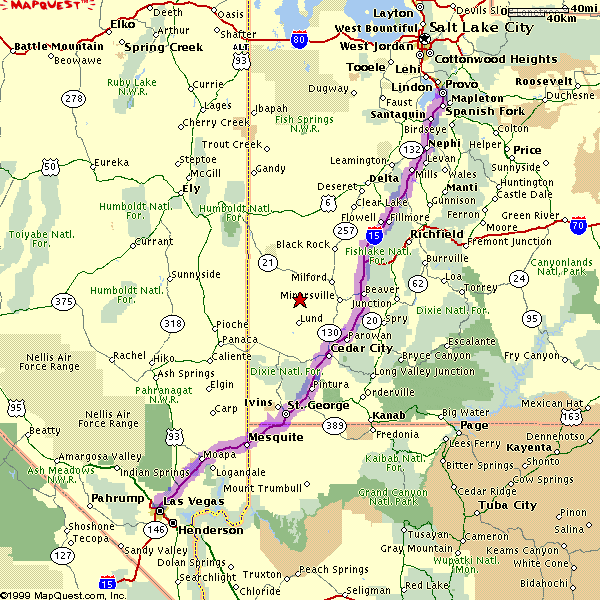
The Driving Distance: A Tale of Two Cities (and Many Miles)
Most travelers heading to Las Vegas from Utah will depart from the northern population centers, particularly the Salt Lake City metropolitan area.
- From Salt Lake City, Utah: The most direct and common route to Las Vegas spans approximately 420 miles. This journey typically takes around 6 to 7 hours of pure driving time, depending on traffic conditions and your adherence to speed limits.
- From St. George, Utah: Located in the southwestern corner of Utah, St. George is considerably closer to Las Vegas. The distance here is roughly 120 miles, translating to a more manageable drive of about 2 to 2.5 hours. This proximity makes St. George a popular jumping-off point for those living in southern Utah or for those who might prefer to break up their drive from further north.
These distances are measured along the primary highways and do not account for any detours or scenic routes you might choose to explore along the way.
Estimating Travel Time: Factors Beyond Mileage
While the mileage provides a static measure, travel time is a dynamic variable. Several factors can influence how long it actually takes to get from Utah to Las Vegas:
- Traffic: Salt Lake City and the areas approaching Las Vegas can experience significant traffic, especially during peak commuting hours, holidays, and major event weekends.
- Road Construction: As with any major thoroughfare, sections of the interstate might be subject to construction, leading to delays and temporary lane closures. It’s always wise to check real-time traffic updates before you depart.
- Weather Conditions: While the route is generally dry and arid, extreme weather events, though rare, can impact travel. Snowfall in the higher elevations of Utah during winter months can sometimes affect road conditions.
- Stops and Breaks: The estimated driving times do not include stops for gas, food, or rest. A 6-7 hour drive from Salt Lake City will realistically extend to 8-9 hours when accounting for necessary breaks.
Navigating the Routes: Your Path to the Neon City
Several well-established routes connect Utah to Las Vegas, each offering a slightly different travel experience. The most common routes are designed for efficiency and ease of navigation.
The Interstate Highway System: The Direct Path
The most popular and straightforward way to drive from Utah to Las Vegas is via the interstate highway system.
- From Salt Lake City, Utah: The primary route involves taking I-15 South. This interstate highway is a direct artery that will take you all the way to Las Vegas. The drive through Utah is scenic, passing through diverse landscapes ranging from the urban sprawl of Salt Lake City to the vast deserts of the southwest. As you approach the Nevada border, the scenery becomes more barren and the temperature rises.
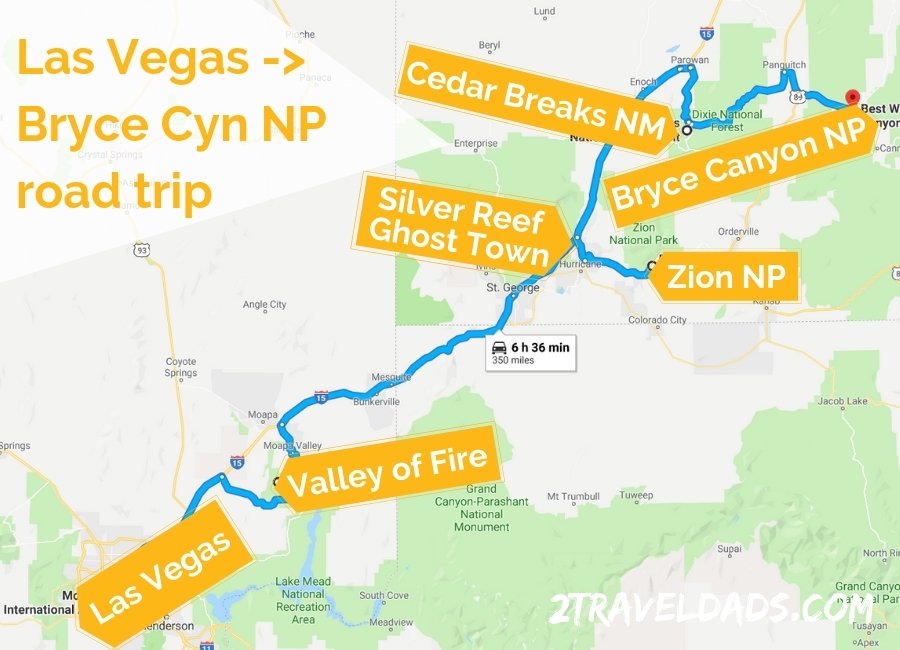
- Key Stops Along I-15: While the goal is Las Vegas, there are a few notable points along I-15 that might be worth a brief stop or a thought for planning. Provo and Orem represent the southern end of the Wasatch Front. Further south, Cedar City serves as a gateway to outdoor attractions like Zion National Park (though this would add significant time and mileage). Finally, St. George is the last major city in Utah before crossing into Nevada.
- From St. George, Utah: If you are starting from St. George, your journey on I-15 South is significantly shorter, taking you directly across the Nevada border and onward to Las Vegas. This section of I-15 is known for its desert vistas and long, straight stretches.
Alternative Routes and Scenic Detours
While I-15 is the most efficient, for those with more time or a desire for exploration, alternative routes can offer a different perspective.
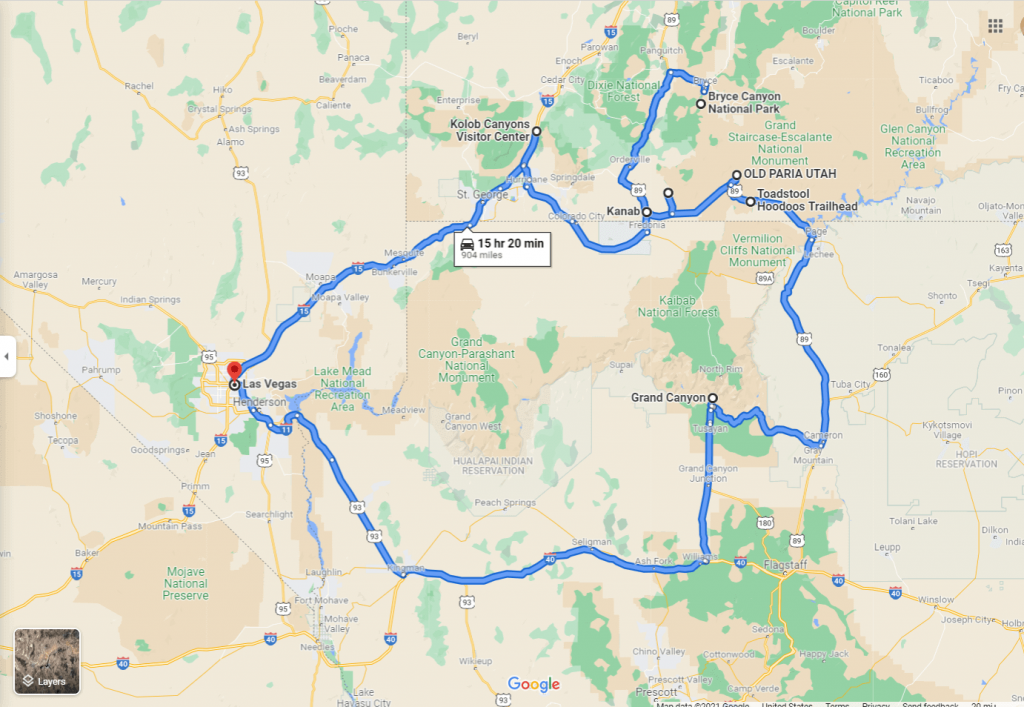
- Exploring Southern Utah: For travelers interested in experiencing more of Utah’s natural beauty, a detour off I-15 can be incorporated. While not directly shortening the journey to Las Vegas, it can enrich the overall travel experience. For instance, a visit to Zion National Park or Bryce Canyon National Park requires significant detours, adding days rather than hours to your trip. However, these destinations are well worth the extended travel for nature enthusiasts.
- The Loneliest Road in America (US-50): For the truly adventurous, a highly indirect but unique route could involve heading further north in Utah, connecting to US-50 East in Nevada (often called the “Loneliest Road in America”), and then eventually finding a route south towards Las Vegas. This is a substantial undertaking, adding hundreds of miles and days to the journey, and is generally not recommended for those simply seeking to reach Las Vegas efficiently.
Planning Your Drive: Tips for a Smooth Journey
A well-prepared road trip from Utah to Las Vegas can transform a long drive into an enjoyable part of your vacation.
Vehicle Preparation and Essentials
Before you set off, ensure your vehicle is in optimal condition for the journey.
- Vehicle Maintenance: Check your tires, brakes, fluids (oil, coolant, windshield washer fluid), and battery. A long drive in desert conditions can put a strain on your vehicle.
- Emergency Kit: Pack a basic emergency kit including jumper cables, a first-aid kit, a flashlight, water, non-perishable snacks, and a blanket.
- Navigation: Relying solely on GPS can be risky in remote areas. Have a physical map or downloaded offline maps as a backup.
Fueling Up and Staying Refreshed
The route, particularly the stretch through Nevada after leaving St. George, has fewer services than you might find closer to urban centers.
- Fuel Stops: It’s advisable to fill up your gas tank in St. George or at the last major town before entering the more desolate stretches of highway. Don’t let your fuel gauge drop below a quarter tank.
- Hydration and Snacks: Carry plenty of water, especially during warmer months. The desert climate can be dehydrating. Pack snacks to avoid relying on convenience stores that might be sparse.
- Rest Stops: Plan for regular breaks to combat fatigue. Pulling over at designated rest areas or small towns allows you to stretch your legs, grab a coffee, and stay alert.
Best Times to Travel
The timing of your departure can significantly impact your travel experience.
- Avoiding Peak Travel Times: If possible, avoid driving during major holiday weekends or when large events are scheduled in Las Vegas, as this will likely mean heavier traffic and higher accommodation prices.
- Daylight Driving: For safety and to better enjoy the scenery, it’s generally recommended to drive during daylight hours. This is particularly true for the stretches in Nevada where wildlife can be a hazard after dark.
- Seasonal Considerations: While I-15 is generally clear of snow in the winter, higher elevations in Utah can experience winter conditions. Summer months bring extreme heat, so ensuring your car’s air conditioning is in good working order is essential.
Beyond the Drive: Alternative Travel Options
For those who prefer not to drive, or for those seeking a different travel pace, alternative methods of reaching Las Vegas from Utah are available.
Flying: The Fastest Route
The most time-efficient way to travel from Utah to Las Vegas is by air.
- Airports: Major airports in Utah, primarily Salt Lake City International Airport (SLC), offer frequent direct flights to McCarran International Airport (LAS) in Las Vegas.
- Flight Duration: The flight itself is very short, typically around 1 hour and 15 minutes to 1 hour and 30 minutes.
- Total Travel Time: When factoring in travel to the airport, check-in, security, boarding, deplaning, and travel from the airport to your hotel in Las Vegas, the total door-to-door time can be comparable to driving from Salt Lake City, but significantly less physically demanding.
Bus Services: A Budget-Friendly Option
Several bus companies operate routes connecting cities in Utah to Las Vegas, offering a more economical choice for budget-conscious travelers.
- Providers and Routes: Companies like Greyhound and others may offer services from Salt Lake City and other Utah cities.
- Travel Time: Bus journeys are significantly longer than driving, often taking 8 to 10 hours or more, depending on the number of stops and the specific route.
- Considerations: This option is best for those who prioritize cost savings over time and enjoy the journey itself, or for those who don’t have access to a vehicle.
By understanding the distances, routes, and travel times, you can confidently plan your journey from the majestic landscapes of Utah to the vibrant energy of Las Vegas, ensuring a seamless and enjoyable travel experience.
LifeOutOfTheBox is a participant in the Amazon Services LLC Associates Program, an affiliate advertising program designed to provide a means for sites to earn advertising fees by advertising and linking to Amazon.com. Amazon, the Amazon logo, AmazonSupply, and the AmazonSupply logo are trademarks of Amazon.com, Inc. or its affiliates. As an Amazon Associate we earn affiliate commissions from qualifying purchases.