
The allure of the desert highway, the promise of dazzling city lights, and the sheer variety of experiences available make the journey between Las Vegas and Los Angeles a popular choice for travelers. Whether you’re seeking the thrill of the casinos, the glamour of Hollywood, the serene beauty of the Mojave Desert, or the vibrant culinary scene of Southern California, understanding the distance and the myriad ways to cover it is key to planning your perfect road trip. This guide delves into the specifics of this iconic route, offering insights for every type of traveler.
The Direct Distance and Travel Time
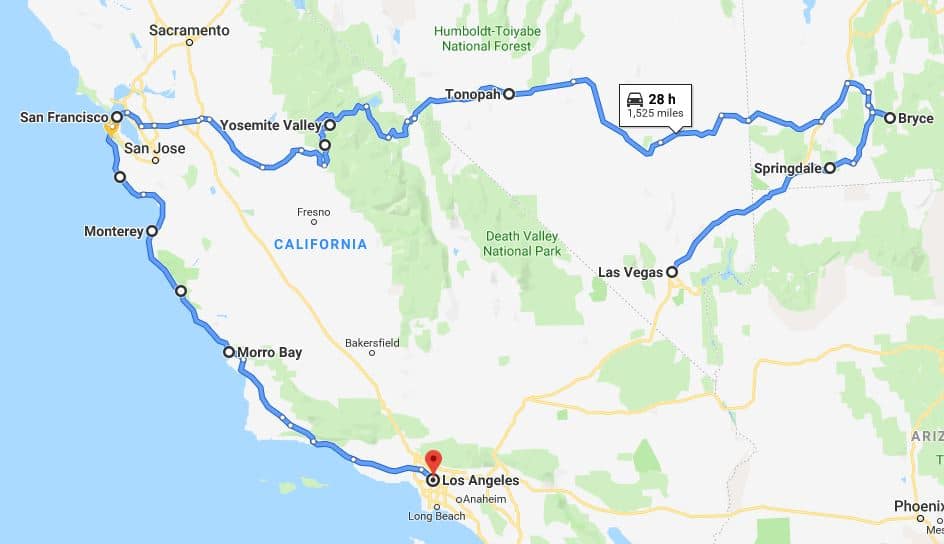
The most direct route between Las Vegas, Nevada, and Los Angeles, California, is approximately 270 miles (about 435 kilometers). This distance, while not monumental, can translate into a significant chunk of your day depending on your chosen mode of transport and the conditions on the ground.
Driving: The Most Common Path
Driving is by far the most popular way to travel between these two major metropolises. The primary route is via Interstate 15 (I-15) South. This well-maintained freeway is your direct artery from the neon glow of Las Vegas to the sprawling urban landscape of Los Angeles.
Estimated Driving Time
Under ideal conditions, with minimal traffic and a steady pace, the drive can take as little as 4 to 4.5 hours. However, it’s crucial to factor in several variables that can extend this travel time considerably.
- Traffic: Los Angeles is infamous for its traffic congestion. As you approach the Los Angeles basin, especially during peak commuting hours (morning and late afternoon/early evening on weekdays), expect significant delays. Weekends, particularly Friday afternoons and Sunday evenings as people return from short trips, can also see heavy traffic.
- Stops: Most travelers don’t make the journey in one go. You’ll likely want to stop for gas, food, or perhaps a brief stretch of the legs. There are numerous service areas and small towns along I-15, such as Baker, known for its “World’s Tallest Thermometer,” or Barstow, a historic railroad town offering a place to refuel and refresh.
- Weather: While the desert climate is generally dry, sudden storms, especially during monsoon season in late summer, can impact visibility and driving conditions. Extreme heat in summer can also cause vehicles to overheat, necessitating caution.
- Construction and Road Work: Like any major freeway, I-15 is subject to ongoing maintenance and construction projects, which can lead to lane closures and slowdowns. It’s always advisable to check real-time traffic updates before you depart.
Considering these factors, it’s wise to budget 5 to 6 hours for a comfortable drive, allowing for a stop or two and some buffer for potential traffic. For a more relaxed experience, breaking the journey into two days and spending a night in a town like Barstow or exploring attractions in the Mojave National Preserve is an excellent option.
Flying: The Fastest Option
For those prioritizing speed, flying is the quickest way to get from Las Vegas to Los Angeles.
Airports Involved
- Las Vegas: The primary airport is McCarran International Airport (LAS), now officially Harry Reid International Airport (LAS).
- Los Angeles: Los Angeles International Airport (LAX) is the main hub, but depending on your final destination within the Los Angeles area, you might consider other airports like Hollywood Burbank Airport (BUR), Long Beach Airport (LGB), John Wayne Airport (SNA) in Orange County, or Ontario International Airport (ONT) in the Inland Empire.
Flight Duration and Logistics
The actual flight time between Las Vegas and Los Angeles is very short, typically around 1 hour to 1 hour and 15 minutes. However, when you factor in the entire process, the total travel time becomes more substantial:
- Getting to the Airport: Allow ample time to travel to Harry Reid International Airport, park or be dropped off, and navigate the terminal.
- Airport Procedures: Arriving at the airport 1.5 to 2 hours before a domestic flight is standard practice for check-in, security screening, and boarding.
- Flight Time: As mentioned, the in-air portion is brief.
- Deplaning and Baggage Claim: Once you land, you’ll need time to disembark and, if applicable, collect your luggage.
- Getting from the Airport: Los Angeles airports are often busy, and navigating ground transportation (rental cars, ride-shares, taxis, public transport) can take time.
In total, flying can take anywhere from 3.5 to 5 hours door-to-door, depending on the efficiency of the airports and your chosen ground transportation in Los Angeles. While faster than driving in terms of pure transit time, it often involves more waiting and less flexibility.
Other Modes of Transportation
While driving and flying are the most common, other options exist for the adventurous or budget-conscious traveler.
Bus Travel
Several bus companies, such as FlixBus and Greyhound, operate routes between Las Vegas and Los Angeles. This is often the most budget-friendly option.
- Duration: Bus journeys are significantly longer than driving directly, typically ranging from 6 to 9 hours, depending on the route, number of stops, and traffic.
- Comfort and Amenities: Modern long-distance buses offer varying levels of comfort, with some providing Wi-Fi, power outlets, and reclining seats. However, it’s a less private and more time-consuming experience compared to driving or flying.
- Stops: Buses make multiple stops along the way, providing opportunities to stretch your legs and grab refreshments.
Train Travel
Currently, there is no direct passenger train service connecting Las Vegas to Los Angeles. The nearest Amtrak station to Las Vegas is in Kingman, Arizona, which would require a separate transfer to reach Los Angeles. This makes train travel an impractical and time-consuming option for this specific route. However, ongoing discussions and proposals for a high-speed rail line, often referred to as the Brightline West project, aim to eventually connect these two cities by rail, promising a faster and more comfortable alternative in the future.
Exploring Along the Route: The Desert’s Charm
The I-15 corridor isn’t just a stretch of asphalt; it’s a gateway to some unique desert landscapes and quirky attractions. Making the drive offers the chance to explore beyond the obvious.
The Mojave National Preserve
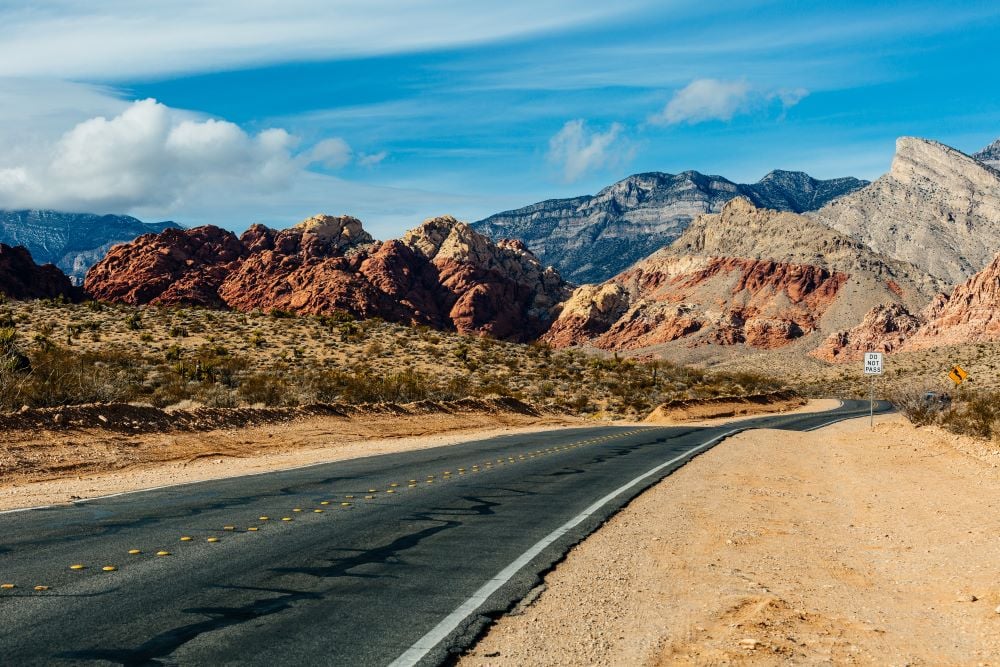
If you have extra time and a love for nature, a detour into the Mojave National Preserve is highly recommended. Accessible from I-15 via exits near Baker or Primm, this vast expanse of desert offers stunning scenery, including Joshua tree forests, singing sand dunes, and volcanic cinder cones.
- Joshua Tree Forests: Witness the iconic silhouette of the Joshua trees, particularly striking at sunrise and sunset.
- Kelso Dunes: Hike or simply marvel at these impressive sand dunes, which can produce a “singing” sound when the wind is right.
- Hole-in-the-Wall: Explore the unique geological formations and hike through lava tubes.
A visit to the Mojave National Preserve requires planning, as services are limited. Ensure you have plenty of water, fuel, and a reliable vehicle.
Quirky Roadside Attractions
The journey along I-15 is dotted with classic American roadside attractions that add character to the drive.
- World’s Tallest Thermometer (Baker): A kitschy but fun photo opportunity in the small town of Baker.
- Mad Greek Cafe (Baker): A popular refueling stop known for its Greek cuisine and distinctive Mediterranean-style architecture.
- Calico Ghost Town (Yermo): A restored silver mining town offering a glimpse into the Wild West. This requires a slight detour off I-15 but can be an engaging stop for history buffs.
- Seven Magic Mountains: Located just south of Las Vegas, these colorful, stacked boulder sculptures by artist Ugo Rondinone are a striking contemporary art installation in the desert landscape.
Preparing for Your Journey
Regardless of whether you choose to drive, fly, or take a bus, preparation is key to a smooth transition from the vibrant energy of Las Vegas to the sprawling opportunities of Los Angeles.
For Drivers: Vehicle and Navigation
- Vehicle Check: Ensure your car is in good working order, with adequate tire pressure, oil, and coolant. The desert heat can be tough on vehicles.
- Navigation: A GPS device or a reliable navigation app on your smartphone is essential. Download offline maps as cellular service can be spotty in some desert areas.
- Supplies: Carry plenty of water, snacks, a first-aid kit, and a phone charger. A physical map can also be a lifesaver if technology fails.
- Fuel: Don’t let your fuel tank get too low. Gas stations can be spread out, especially in the more remote stretches of the Mojave Desert.
For Travelers Using Other Modes
- Book in Advance: Flights, bus tickets, and hotels (especially in Las Vegas and Los Angeles) are often cheaper when booked in advance.
- Airport Transfers: Plan how you will get from the airport in Los Angeles to your accommodation. Ride-sharing services, taxis, rental cars, and public transportation are all options.
- Baggage Restrictions: Be aware of baggage allowances for flights and buses to avoid extra fees.
The distance from Las Vegas to Los Angeles is more than just a number; it’s an invitation to experience the diverse landscapes and cultures that lie between these two iconic destinations. Whether you’re drawn by the gaming tables or the silver screen, the desert highway offers a memorable prelude to your Los Angeles adventure.
LifeOutOfTheBox is a participant in the Amazon Services LLC Associates Program, an affiliate advertising program designed to provide a means for sites to earn advertising fees by advertising and linking to Amazon.com. Amazon, the Amazon logo, AmazonSupply, and the AmazonSupply logo are trademarks of Amazon.com, Inc. or its affiliates. As an Amazon Associate we earn affiliate commissions from qualifying purchases.