
The allure of sun-drenched beaches and vibrant volcanic landscapes calling from Hawaii often finds itself contrasted with the ancient traditions and futuristic metropolises of Japan. For travelers dreaming of traversing the Pacific Ocean between these two captivating destinations, a fundamental question often arises: “How far is Hawaii from Japan?” This isn’t just about a number; it’s about understanding the vastness of oceanic travel, the logistics involved, the cultural bridges built over centuries, and the incredible experiences that await on either side.
This article delves into the geographical distance, the practicalities of air travel, the cultural ties that bind these seemingly disparate locations, and essential tips for planning a memorable journey across the largest ocean on Earth. Whether you’re a seasoned globetrotter or planning your first trans-Pacific adventure, understanding the journey is the first step toward an unforgettable experience.
The Geographical Divide: Unveiling the Distance
At first glance, Hawaii and Japan appear to be worlds apart, separated by the immense expanse of the Pacific Ocean. While their cultures, climates, and landscapes offer distinct experiences, a significant distance physically divides them.
A Vast Ocean Between Paradises
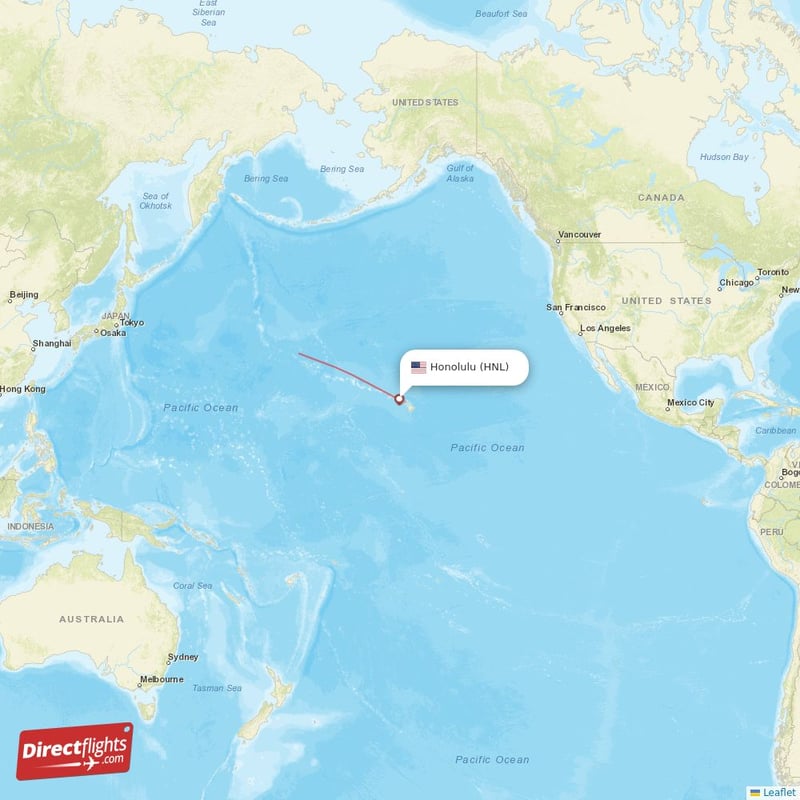
The approximate straight-line distance, often referred to as “as the crow flies,” between Honolulu, Hawaii, and Tokyo, Japan, is around 3,850 to 4,000 miles (approximately 6,200 to 6,400 kilometers). This measurement can vary slightly depending on the specific points of origin and destination within each region. For instance, traveling from Okinawa, the southernmost prefecture of Japan, to Honolulu might present a slightly different figure compared to a route originating from Sapporo in the north.
This considerable distance places Hawaii firmly in the central Pacific Ocean, acting as a crucial midpoint between North America and Asia. Japan, an island nation itself, lies off the eastern coast of Asia. The journey between them is a true trans-Pacific voyage, crossing not only thousands of miles of water but also the International Date Line, which adds another layer of complexity to travel planning.
Understanding the Route: Air Miles vs. Nautical Miles
When discussing travel distance, especially across oceans, it’s important to distinguish between various measurements. The “air miles” quoted by airlines typically reflect the great-circle distance, which is the shortest distance between two points on the surface of a sphere (like Earth). This is the most relevant measurement for air travel. Nautical miles, on the other hand, are traditionally used in marine and air navigation, with one nautical mile being slightly longer than a regular mile (approximately 1.15 statute miles or 1.852 kilometers). For the purpose of commercial flights, the great-circle air distance is the most practical metric.
The immense stretch of the Pacific Ocean between Hawaii and Japan highlights the incredible advancements in aviation that make such long-haul flights commonplace today. What once took weeks or months by ship can now be accomplished in a matter of hours, connecting diverse cultures and economies with unprecedented speed and efficiency.

Bridging the Distance: Travel Time and Logistics
While the geographical distance is substantial, modern air travel has significantly minimized the actual time spent journeying between Hawaii and Japan. Direct flights offer a relatively swift passage, making cross-cultural exploration more accessible than ever before.
Non-Stop Flights: The Fastest Connection
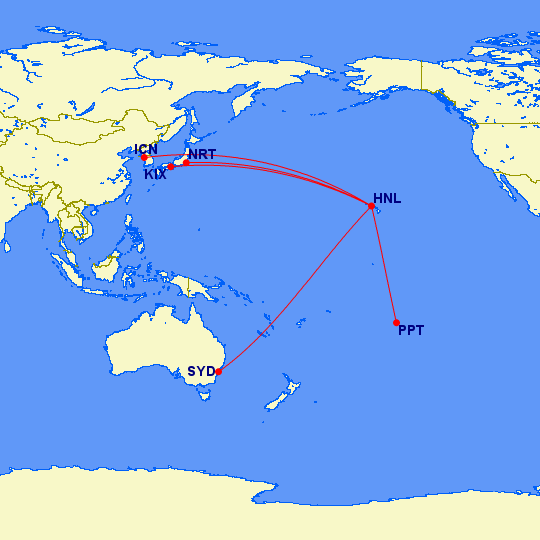
For most travelers, the primary mode of transport between Hawaii and Japan is by air. Non-stop flights typically take between 7 to 9 hours, depending on the specific route, prevailing winds, and aircraft type.
- From Honolulu (HNL) to Tokyo (Narita International Airport NRT or Haneda Airport HND): Flights generally range from 8 to 9 hours. Due to the eastward rotation of the Earth and prevailing jet streams, flights traveling westward (towards Japan) can sometimes be slightly longer than those traveling eastward (towards Hawaii).
- From Tokyo (Narita International Airport NRT or Haneda Airport HND) to Honolulu (HNL): Flights typically take around 7 to 8 hours.
Other major Japanese airports like Kansai International Airport (KIX) near Osaka also offer direct connections to Honolulu, with similar flight durations. These times are for direct routes; flights with layovers, though less common for this specific route given the direct options, would naturally take longer, potentially extending to 12-15+ hours depending on the connecting city.
Airlines and Routes: Your Gateway to the Other Side
Several reputable airlines operate regular non-stop services between Hawaii and Japan, providing travelers with a variety of choices in terms of pricing, cabin classes, and amenities.
- Hawaiian Airlines: As the flag carrier of Hawaii, it offers extensive routes between Daniel K. Inouye International Airport (HNL) in Honolulu and various Japanese cities, including Tokyo (Narita and Haneda) and Osaka. Their service often highlights local Hawaiian culture, enhancing the travel experience.
- Japan Airlines (JAL): One of Japan’s premier airlines, JAL provides frequent direct flights between Tokyo (Narita and Haneda) and Honolulu. Renowned for its excellent service and comfort, JAL is a popular choice for many.
- All Nippon Airways (ANA): Another leading Japanese airline, ANA also operates direct flights to Honolulu from Tokyo’s Narita and Haneda airports, offering a high standard of service and a seamless travel experience.
- United Airlines: As a major US carrier, United Airlines provides services from Honolulu to Tokyo, connecting Hawaii to its broader network.
- Delta Air Lines: Delta also offers routes, contributing to the competitive landscape of trans-Pacific travel.
When booking, consider factors beyond just price, such as baggage allowances, in-flight entertainment, meal options, and seat comfort, especially for a journey of this duration. Many airlines offer premium economy, business, and first-class cabins for those seeking enhanced comfort and amenities on this long flight.
The Time Zone Challenge: Navigating the International Date Line
One of the most intriguing aspects of traveling between Hawaii and Japan is the crossing of the International Date Line. Hawaii observes Hawaii Standard Time (HST), which is 10 hours behind Coordinated Universal Time (UTC-10). Japan, on the other hand, observes Japan Standard Time (JST), which is 9 hours ahead of Coordinated Universal Time (UTC+9).
This significant time difference means that there is a 19-hour time difference between Hawaii and Japan. Even more dramatically, crossing the International Date Line means that when you fly from Hawaii to Japan, you “lose” a day, arriving the next day. Conversely, flying from Japan to Hawaii means you “gain” a day, often arriving on the same calendar day you departed, or even earlier than your departure time locally, if the flight is short enough and crosses the line. This phenomenon is a unique part of trans-Pacific travel and requires careful planning, especially for connecting flights or scheduled activities upon arrival. Jet lag is also a considerable factor due to the large time zone shift.
Cultural Currents and Tourist Connections
Beyond the geographical and logistical considerations, the relationship between Hawaii and Japan is rich with cultural exchange, historical ties, and vibrant tourism, making the long journey even more meaningful.
A Shared History and Enduring Affinity
The connection between Hawaii and Japan dates back to the late 19th century when Japanese immigrants began arriving in Hawaii to work on sugar plantations. This wave of immigration significantly shaped Hawaii’s demographic and cultural landscape, contributing to the diverse “melting pot” that defines the islands today. Japanese language, cuisine, festivals, and traditions are deeply woven into the fabric of Hawaiian life, evident in local food, architecture, and community events.
Even after World War II and the attack on Pearl Harbor, the two regions have fostered a strong relationship, particularly through tourism and economic partnerships. This enduring affinity makes the journey between them more than just a trip; it’s an experience rooted in shared history and mutual respect.
Hawaii: A Pacific Melting Pot for Japanese Travelers
Hawaii has long been a dream destination for Japanese tourists, drawn by its idyllic beaches, warm hospitality, and a familiar sense of comfort derived from its strong Japanese cultural influences. For many Japanese visitors, Hawaii represents a perfect blend of tropical relaxation and accessible amenities, with many signs, menus, and services available in Japanese.
Popular attractions for Japanese travelers include:
- Waikiki Beach: The iconic stretch of sand in Honolulu offering surfing lessons, upscale shopping, and a bustling atmosphere. Many luxury resorts like the Halekulani or Moana Surfrider, A Westin Resort & Spa cater extensively to Japanese guests.
- Pearl Harbor: A poignant historical landmark offering insights into World War II and the relationship between the United States and Japan.
- Diamond Head: A popular hiking spot providing panoramic views of Waikiki and the Honolulu coastline.
- Outer Islands: Destinations like Maui (for its stunning road to Hana and Haleakala volcano), Kauai (known as the “Garden Isle” for its lush landscapes), and the Big Island (home to Hawaii Volcanoes National Park) offer diverse natural beauty and adventure experiences.
The lifestyle of Hawaii – its outdoor activities, vibrant food scene (including fusion cuisine), and relaxed pace – resonates deeply with visitors from Japan seeking a refreshing escape.
Japan: An Alluring Destination for Hawaiian and Western Explorers
Conversely, Japan presents an equally compelling destination for travelers from Hawaii and other Western nations. Its unique blend of ancient temples, tranquil gardens, cutting-edge technology, and unparalleled culinary experiences offers a profound cultural immersion. From the bustling streets of Tokyo to the serene landscapes of Kyoto, Japan offers a travel experience unlike any other.
Key attractions and experiences in Japan include:
- Tokyo: Explore iconic landmarks like the Shibuya Crossing, the historic Imperial Palace, the vibrant nightlife of Shinjuku, and the traditional Asakusa district.
- Kyoto: Immerse yourself in ancient Japan with its thousands of temples and shrines, including the golden Kinkaku-ji and the torii gates of Fushimi Inari-taisha.
- Mount Fuji: An iconic symbol of Japan, offering breathtaking views and opportunities for hiking.
- Osaka: Known for its vibrant food scene, the impressive Osaka Castle, and lively entertainment districts.
- Hiroshima Peace Memorial Park: A powerful and moving testament to peace and remembrance.
Traveling within Japan is incredibly efficient thanks to its extensive and punctual rail network, including the famous Shinkansen bullet trains. This ease of internal travel makes exploring multiple regions a seamless part of the Japanese experience.
Planning Your Trans-Pacific Journey: Tips for a Seamless Experience
Undertaking a journey between Hawaii and Japan requires careful planning to ensure a smooth and enjoyable trip. From choosing the right time to visit to navigating accommodation options, a thoughtful approach can enhance your adventure significantly.
Best Time to Visit and Visa Considerations
Best Time to Visit:
- For Hawaii: The islands enjoy pleasant weather year-round, but generally, the dry season from April to October offers the most sunshine. The peak tourist season is typically from December to April and during summer months. Shoulder seasons (April-May, September-November) often provide a balance of good weather and fewer crowds.
- For Japan: Spring (March to May) for cherry blossoms and Autumn (September to November) for vibrant fall foliage are considered the most beautiful times to visit. Summer can be hot and humid, while winter brings cold temperatures and snow in many regions.
Visa Considerations:
- For US citizens traveling to Japan: US citizens generally do not need a visa for short-term tourist stays of up to 90 days. A valid passport is sufficient.
- For Japanese citizens traveling to Hawaii (part of the United States): Japanese citizens are typically eligible for the Visa Waiver Program (VWP) and must obtain an approved ESTA (Electronic System for Travel Authorization) before traveling. This allows for stays of up to 90 days for tourism or business.
Always check the latest visa requirements and travel advisories well in advance of your trip, as regulations can change.
Accommodation and Lifestyle Choices
Both Hawaii and Japan offer a vast array of accommodation options to suit every budget and travel style, aligning with the “Hotels” and “Accommodation” topics of our website.
- Hawaii: From luxurious beachfront resorts in Waikiki offering every amenity imaginable, to charming boutique hotels, family-friendly apartments, and secluded villas on the outer islands, the choices are extensive. Many resorts cater to the “lifestyle” aspect, providing luxury travel experiences, while others are perfect for family trips or budget-conscious travelers looking for long-term stays. Booking well in advance, especially for peak seasons, is highly recommended, and checking reviews is crucial.
- Japan: Experience everything from traditional ryokans (Japanese inns, often with hot springs) to ultra-modern business hotels, capsule hotels for budget travel, and high-end international hotel chains in major cities. Unique experiences like temple stays in Kyoto or ski resorts in Hokkaido also abound. Each offers a distinct glimpse into Japanese lifestyle and hospitality.
When making your booking, consider your itinerary and the type of experience you desire. Are you looking for a resort with full amenities, or a cozy apartment that provides a more local cultural immersion?
Essential Travel Hacks: From Packing to Connectivity
To ensure a smooth trans-Pacific journey, keep these travel tips in mind:
- Pack Smart: Given the duration of the flight and varying climates, pack versatile clothing. For Hawaii, think beachwear and light casual attire. For Japan, consider layers, especially if visiting during spring or autumn. Comfortable shoes are a must for both destinations, as you’ll likely do a lot of exploring.
- Currency: Hawaii uses the US Dollar. Japan uses the Japanese Yen. It’s wise to have some local currency on hand upon arrival, though credit cards are widely accepted, especially in urban areas.
- Language: English is widely spoken in Hawaii. In Japan, while major tourist areas often have English speakers, learning a few basic Japanese phrases can significantly enhance your experience and is greatly appreciated by locals. Translation apps are also very helpful.
- Connectivity: Consider purchasing a local SIM card or an eSIM for seamless internet access and communication in both countries. Portable Wi-Fi devices are also popular in Japan.
- Jet Lag Management: Hydrate well before, during, and after your flight. Try to adjust to the local time zone as quickly as possible by exposing yourself to daylight and avoiding long naps.
- Travel Insurance: For such a significant journey, comprehensive travel insurance is highly recommended to cover unforeseen circumstances like flight delays, medical emergencies, or lost luggage.
The journey from Hawaii to Japan is a testament to the modern traveler’s ability to cross vast distances and immerse themselves in vastly different yet interconnected cultures. While the miles are significant, the world has never been more accessible. With careful planning and an adventurous spirit, the path between these two extraordinary destinations offers a wealth of experiences, memories, and a deeper appreciation for our diverse global community.
LifeOutOfTheBox is a participant in the Amazon Services LLC Associates Program, an affiliate advertising program designed to provide a means for sites to earn advertising fees by advertising and linking to Amazon.com. Amazon, the Amazon logo, AmazonSupply, and the AmazonSupply logo are trademarks of Amazon.com, Inc. or its affiliates. As an Amazon Associate we earn affiliate commissions from qualifying purchases.