
Spanning the vast breadth of the United States and crossing a significant portion of the Pacific Ocean, the journey from New York to Hawaii is one of the longest domestic flights in the world. For travelers accustomed to the fast-paced energy of New York City, the transition to the tranquil, tropical atmosphere of the Hawaiian Islands represents not just a change in climate, but a total shift in lifestyle. Understanding the logistical distance and the travel experience is essential for anyone planning this cross-continental adventure.
Understanding the Geographic Distance and Flight Logistics
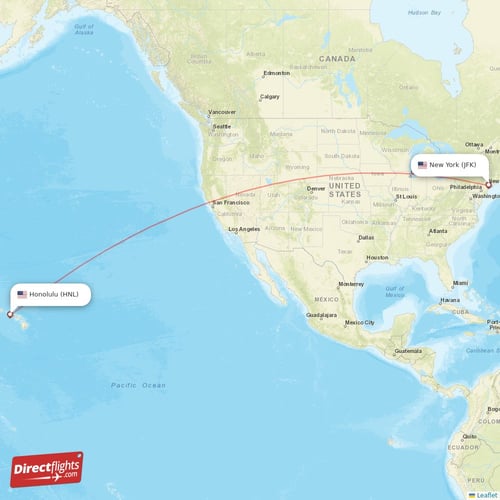
The straight-line distance between Manhattan and Honolulu is approximately 4,960 miles. However, flight paths rarely follow a perfectly straight line, often stretching the actual travel distance to over 5,000 miles. To put this into perspective, a flight from New York to London is roughly 3,450 miles, meaning you are traveling significantly further to stay within the same country than you would to cross the Atlantic Ocean.
Non-Stop vs. Connecting Flights
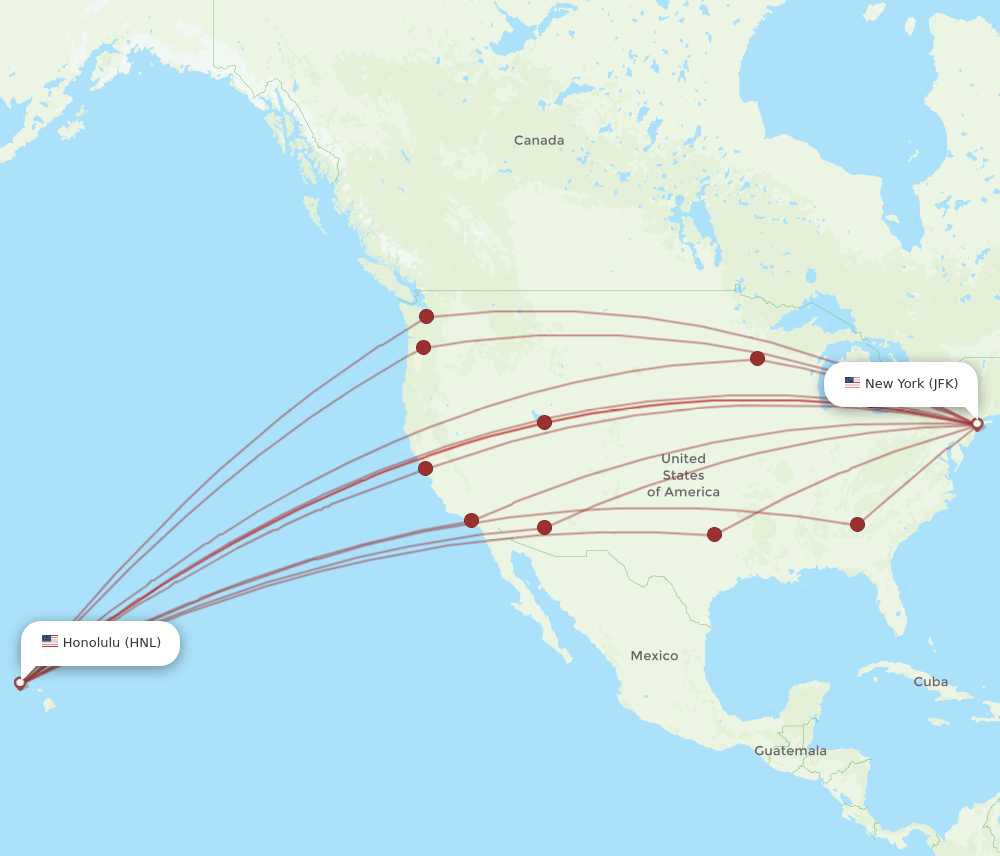
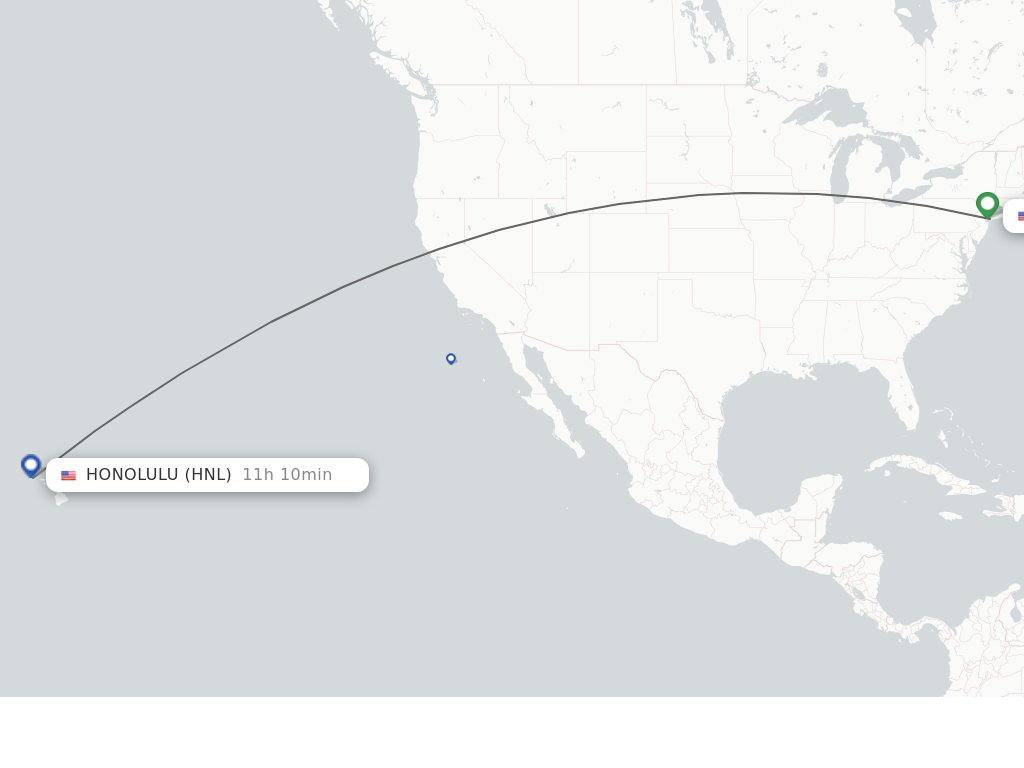
For those seeking the most efficient route, non-stop flights are available primarily from John F. Kennedy International Airport and Newark Liberty International Airport. Airlines such as Hawaiian Airlines and United Airlines offer direct services that typically take between 10 and 11 hours depending on wind speeds and the jet stream. Traveling westbound—away from the East Coast—usually takes longer due to headwinds, while the return trip can be an hour shorter.
Many travelers opt for connecting flights to break up the long journey. Common layover hubs include Los Angeles International Airport, San Francisco International Airport, and Seattle-Tacoma International Airport. While these connections add to the total travel time—often pushing the journey to 14 or 16 hours—they provide an opportunity to stretch your legs and explore California or Washington briefly.
Time Zone Shifts and Jet Lag Management
One of the most challenging aspects of traveling from New York to Hawaii is the significant time difference. Hawaii follows Hawaii-Aleutian Standard Time, which does not observe Daylight Saving Time. This means that for much of the year, there is a six-hour time difference between Brooklyn and Oahu. When it is noon in Queens, it is only 6:00 AM in Honolulu.
To combat jet lag, experts recommend adjusting your sleep schedule a few days before departure. Staying hydrated on the flight and immediately adopting the local time upon arrival at Daniel K. Inouye International Airport can help the body synchronize more quickly. Fortunately, the “early to bed, early to rise” lifestyle in Hawaii aligns well with the biological clock of an East Coast resident, allowing travelers to enjoy spectacular sunrises over the Pacific Ocean without much effort.
Exploring the Major Island Destinations
While most flights from the Tri-State Area land in Honolulu, the archipelago offers a diverse array of experiences across its different islands. Each island has its own distinct personality, and choosing the right one is key to a fulfilling trip.
Oahu: The Pulse of Hawaii
Oahu is the most visited island and serves as the gateway for most international and domestic arrivals. It offers a unique blend of urban sophistication and natural beauty. In Honolulu, visitors can explore the historic Pearl Harbor and the USS Arizona Memorial, which provide a deep dive into United States history.
For those who enjoy the energy of a city, Waikiki provides world-class shopping, dining, and luxury resorts. Just a short drive away, the iconic silhouette of Diamond Head offers a rewarding hike with panoramic views of the coastline. To the north, the North Shore of Oahu is world-famous for its massive winter surf swells and laid-back surf culture, a stark contrast to the bustling streets of Lower Manhattan.
Maui: The Valley Isle
Maui is often the preferred choice for honeymooners and families. To get here from New York, travelers usually fly into Kahului Airport. The island is famous for the Road to Hana, a scenic drive that winds through lush rainforests, past cascading waterfalls, and along dramatic cliffs.
Another highlight is Haleakala National Park, home to a massive dormant volcano. Watching the sunrise from the summit of Haleakala is a spiritual experience for many. The western shores of the island, including Lahaina and Ka’anapali, offer crystal-clear waters perfect for snorkeling and whale watching during the winter months.
Kauai: The Garden Isle
For travelers seeking raw nature and adventure, Kauai is unmatched. Known as the Garden Isle, it is the oldest and northernmost island in the chain. Most flights arrive at Lihue Airport. Kauai is home to the stunning Napali Coast, where emerald-green pinnacles tower over the ocean. This coastline is best explored by boat or helicopter, as there are no roads providing access.
Inside the island, Waimea Canyon State Park, often called the “Grand Canyon of the Pacific,” offers miles of hiking trails through red-soiled gorges and lush vegetation. The northern town of Princeville and the southern shores of Poipu provide excellent bases for exploring the island’s rugged beauty.
Hawaii Island: The Big Island
The largest of the islands, Hawaii Island, commonly referred to as the Big Island, is a land of extremes. From the snow-capped peaks of Mauna Kea to the molten lava flows at Hawaii Volcanoes National Park, the diversity of the landscape is staggering. Visitors typically fly into Kona International Airport on the sunny leeward side or Hilo International Airport on the lush, rainy windward side.
The Big Island offers unique experiences such as night snorkeling with manta rays off the Kona coast and visiting the black sand beaches at Punalu’u. It is the only place in the United States where you can witness the literal birth of new land as volcanic activity continues to shape the island.
Planning Your Transpacific Itinerary
Given the distance and the flight time, a trip to Hawaii from New York requires careful planning to ensure the journey is as comfortable as the destination is rewarding.
Best Times to Travel
While Hawaii is a year-round destination with pleasant temperatures, there are specific times that may appeal more to New Yorkers looking to escape the winter. December through April is peak season, as travelers flee the snow of North America for the warmth of the tropics. This is also the best time for whale watching.
However, those seeking fewer crowds and lower airfare may prefer the “shoulder seasons” of late spring (May and June) or autumn (September and October). During these months, the weather remains excellent, and the prices for hotels and inter-island flights are generally more competitive. Avoiding the New York school holiday periods can also result in significant savings.
Packing Essentials for a Long-Haul Flight
Survival on an 11-hour flight involves more than just a good book. Essential items for the New York to Hawaii route include noise-canceling headphones, a high-quality neck pillow, and layers of clothing to adjust to the varying temperatures of the aircraft cabin. Since you are traveling from a potentially cold climate in New York City to the humidity of Hawaii, wearing breathable fabrics is a wise choice.
Many travelers also recommend bringing a portable power bank, although most modern aircraft on this route, such as the Airbus A330 or Boeing 787 Dreamliner, are equipped with seatback power outlets. Don’t forget to pack a small “refresh kit” with a toothbrush, face wipes, and moisturizer to help you feel revitalized when you finally touch down in the Pacific.
Navigating the Cultural Contrast Between East Coast and Pacific Life
The distance between New York and Hawaii is measured in more than just miles; it is measured in the “Aloha Spirit.” For a traveler from the Northeast, the slower pace of life can initially feel like a culture shock.
From Concrete Jungle to Tropical Paradise
In Manhattan, time is a currency, and efficiency is paramount. In Hawaii, the philosophy of “island time” encourages a more relaxed approach. This transition begins the moment you receive a flower lei greeting at the airport. Embracing this shift is essential for a successful vacation. Whether you are strolling through Central Park or the Foster Botanical Garden, the appreciation for green spaces remains a common thread, though the flora of Oahu is vastly more exotic.
The culinary scene also offers a fascinating contrast. While New York is the land of bagels and pizza, Hawaii introduces travelers to fresh poke, kalua pork, and shave ice. Exploring the local food trucks on the North Shore or visiting the Polynesian Cultural Center provides insight into the rich tapestry of Native Hawaiian and immigrant cultures that have shaped the islands.
Iconic Landmarks to Visit
For the history enthusiast, comparing the landmarks of the two regions is enlightening. While New York boasts the Empire State Building and the Statue of Liberty, Hawaii offers the Iolani Palace, the only royal palace on United States soil. Understanding the history of the Kingdom of Hawaii adds a layer of depth to the travel experience that goes beyond the beaches.
Nature lovers will find that the rugged coastline of Montauk pales in comparison to the scale of the Napali Coast. However, both locations share a deep connection to the sea. Whether it’s the Atlantic or the Pacific, the call of the water is a powerful draw for residents of both the Empire State and the Aloha State.
Ultimately, the distance from New York to Hawaii is a journey across half the globe, but the reward is a world-class destination that feels both exotic and familiar. By preparing for the long flight, choosing the right island, and embracing the local culture, travelers can turn the 5,000-mile gap into the bridge to an unforgettable experience.
LifeOutOfTheBox is a participant in the Amazon Services LLC Associates Program, an affiliate advertising program designed to provide a means for sites to earn advertising fees by advertising and linking to Amazon.com. Amazon, the Amazon logo, AmazonSupply, and the AmazonSupply logo are trademarks of Amazon.com, Inc. or its affiliates. As an Amazon Associate we earn affiliate commissions from qualifying purchases.