
When planning a journey, anticipation is often half the pleasure. Whether you are dreaming of a serene escape to the Four Seasons Resort Bora Bora or organizing a corporate trip to New York City, one of the earliest questions that arises is timing. Securing lodging is a critical pillar of itinerary planning, yet travelers frequently wonder just how early the hospitality industry permits reservations.
Understanding the mechanics of hotel inventory release schedules allows you to seize the best accommodations, lock in favorable rates, and eliminate last-minute travel anxiety. From global luxury brands to independent boutique properties, booking windows vary dramatically based on technology, destination demand, and commercial strategy.
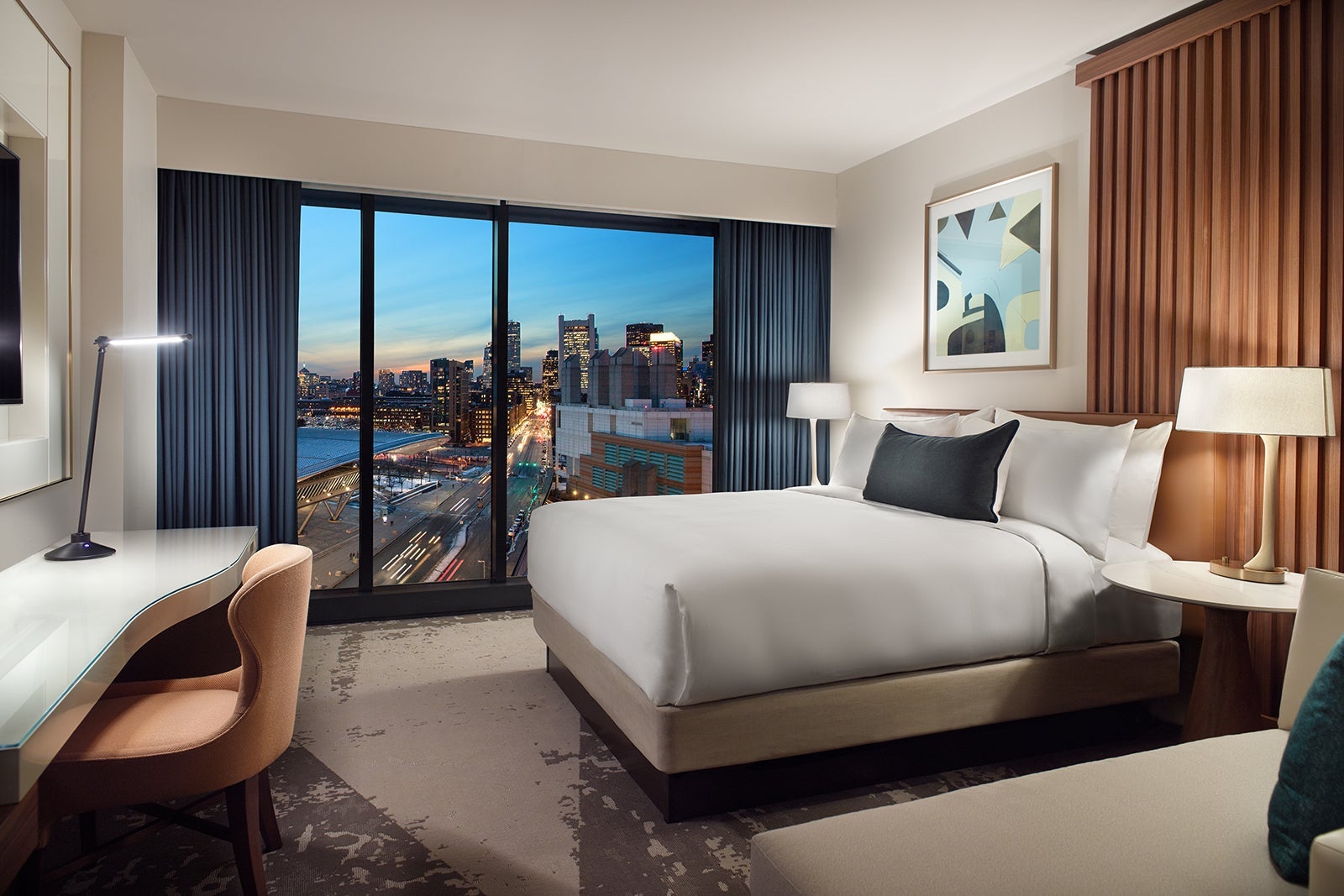
The Standard Booking Window: 351 to 365 Days Out
For the vast majority of major hotel chains and branded properties worldwide, the standard booking window opens precisely 351 to 365 days in advance. This timeframe aligns with traditional calendar cycles and gives prospective guests the ability to plan their holidays precisely one year ahead.
Global Chains and Reservation Systems
Industry giants such as Marriott International, Hilton Worldwide, and InterContinental Hotels Group utilize centralized property management systems. These platforms generally release inventory 365 days prior to the stay date.
If you are eyeing a stay at a popular property like the The Plaza Hotel in New York for next year’s holiday season, logging into the booking engine exactly a year in advance guarantees you first access. However, just because inventory can be released a year out does not mean pricing is finalized immediately.
Dynamic Pricing and Initial Rates
When a hotel opens its inventory a year in advance, the rates displayed are rarely final. Instead, properties often load placeholder rates—frequently the highest possible tariff for that room category—or mirror the exact pricing from the same day of the previous year.
Savvy travelers who book 12 months out should always opt for refundable rates. As the stay date approaches and demand fluctuates, the hotel’s revenue management algorithms will adjust prices dynamically. Securing the room early ensures availability, but monitoring the rate allows you to re-book if the price drops later.
Exceptions to the Rule: Early Birds and Short-Term Planners
While the one-year window is the industry norm, several exceptions dictate when you can successfully reserve a room. Depending on the nature of the property and the destination, you might encounter windows that are either significantly longer or much more restrictive.
Independent Boutique Hotels and Resorts
Independent properties, family-run lodges, and high-end boutique hotels often operate on shorter technological schedules. Unlike chain hotels tied to global databases, smaller properties may only open their booking calendars six to nine months in advance.
For instance, a secluded eco-lodge in Costa Rica or a historic bed-and-breakfast in Edinburgh might not calculate seasonal staffing, maintenance, and local taxes far enough in advance to accept reservations a full year out. If you are planning an off-the-beaten-path excursion, check the specific property’s website or contact their front desk directly to learn when their calendar drops.

Extreme Advance Booking: Beyond One Year
On the opposite end of the spectrum, certain bucket-list destinations and ultra-exclusive resorts allow bookings far beyond the standard 365-day mark. Safaris in South Africa, overwater bungalows in the Maldives, and high-demand ski chalets in Whistler often open their reservation books 18 months or even two years in advance for repeat guests, loyalty members, or private buyouts.
If you are planning a once-in-a-lifetime milestone celebration that requires securing a specific room—such as a cliffside suite at Jade Mountain Resort in St. Lucia—reaching out to the concierge well before the standard online window opens is often fruitful.
Strategic Timing: When Should You Actually Book?
Knowing how far in advance you can book is vastly different from knowing how far in advance you should book. While early booking guarantees a spot, it does not always yield the best financial value.
High-Demand Seasons and Mega-Events
For major global events, festivals, and peak holiday periods, booking as early as possible is non-negotiable.
- Carnival in Rio de Janeiro: Travelers secure rooms in Rio de Janeiro nearly a year in advance to avoid exorbitant last-minute surges.
- The Olympics or World Cup: Host cities see hotel inventories sell out within hours of venue announcements.
- Peak Summer in Europe: Iconic Mediterranean destinations like Amalfi Coast or Santorini experience extreme demand, making 6 to 9 months advance booking essential for prime hotel choices.
Waiting too long in these scenarios forces travelers into suboptimal accommodations far from city centers or exposes them to hyper-inflated rates.
Business Travel and Off-Peak Leisure
Conversely, if you are traveling for business to financial hubs like London or Tokyo, or taking a spontaneous weekend getaway during an off-peak month, booking a year out is unnecessary and financially disadvantageous.
For standard business stays, booking two to four weeks in advance typically yields the most stable corporate rates. For off-peak leisure travel, booking 30 to 60 days ahead strikes the ideal balance between inventory availability and promotional rate releases.
Best Practices for Securing the Ultimate Hotel Reservation
Mastering the art of hotel booking requires a blend of foresight, flexibility, and technological awareness. By implementing strategic habits, you can maximize your travel budget and secure the best rooms available.
Leverage Price Tracking and Flexible Rates
Always prioritize book-now-pay-later rates with free cancellation policies when reserving far in advance. This strategy shields you from inventory shortages while keeping your options open. Utilize hotel comparison tools and direct alerts to monitor price drops. If you notice the rate for your room at the Ritz-Carlton Paris has plummeted three months before your trip, simply re-book at the lower price and cancel the original reservation.
Join Loyalty Programs for Early Access
Hotel loyalty programs—such as Marriott Bonvoy, Hilton Honors, and World of Hyatt—frequently grant elite members early access to inventory, exclusive room upgrades, and guaranteed availability features. If a high-demand property appears sold out online, contacting the loyalty desk directly can often unlock rooms held exclusively for frequent guests.

Understand Regional Nuances
Keep in mind that booking customs change across the globe. While North American and European hotels follow strict digital calendar releases, hotels in other regions—such as parts of Southeast Asia or rural Latin America—may rely heavily on direct email communication or messaging apps like WhatsApp to confirm reservations months before they ever update their official website calendars.
Navigating the timeline of hotel bookings is a vital skill for any modern traveler. By recognizing that most properties open their doors 365 days in advance, while remaining adaptable to boutique exceptions and high-demand anomalies, you can curate seamless, stress-free journeys every single time.
LifeOutOfTheBox is a participant in the Amazon Services LLC Associates Program, an affiliate advertising program designed to provide a means for sites to earn advertising fees by advertising and linking to Amazon.com. Amazon, the Amazon logo, AmazonSupply, and the AmazonSupply logo are trademarks of Amazon.com, Inc. or its affiliates. As an Amazon Associate we earn affiliate commissions from qualifying purchases.