
The question “How far is Alaska from Canada?” might seem straightforward, but the answer is nuanced, depending on the specific points of reference. Geographically, Alaska is not “far” from Canada at all; they share the longest international land border in the world, spanning approximately 1,538 miles (2,475 kilometers). This immediate proximity transforms the question from a simple distance calculation into a fascinating exploration of travel logistics, cross-border relationships, and the diverse ways one can journey between these two North American entities. Understanding this geographical intimacy is the first step in planning any travel or appreciating the unique connection between the United States’ northernmost state and its vast neighboring country.

The Geographic Reality: An Immediate Border
Alaska and Canada are not merely neighbors; they are inextricably linked by a vast and varied land border. This border begins near Dixon Entrance in the south, running northward through mountainous terrain, dense forests, and expansive tundras, eventually reaching the Arctic Ocean. The majority of this border follows the 141st meridian west longitude, a straight line that delineates Alaska from the Yukon Territory and a portion of British Columbia. Further south, the border shifts eastward to encompass the unique panhandle of Alaska, separating it from the rest of British Columbia.
The Shared Land Boundary
This continuous land boundary means that traveling from many parts of Alaska to Canada often involves simply crossing a border, much like moving between states within the United States or provinces within Canada. The experience, however, is significantly different due to international customs and immigration procedures. The topography along the border ranges dramatically, from coastal rainforests in the south to the subarctic wilderness of the interior, influencing the accessibility and nature of travel routes. This direct geographical link makes overland travel a defining characteristic of journeys between the two, particularly for those venturing into Interior Alaska or the Yukon.
Implications for Travel and Commerce
The shared border has profound implications for both travel and commerce. For travelers, it means a variety of options exist, from iconic road trips to scenic ferry journeys and efficient air travel. Communities on both sides of the border often share economic ties, cultural connections, and even infrastructure. Goods and services frequently traverse the border, supporting local economies. Furthermore, the extensive wilderness along the border attracts adventurers, scientists, and nature enthusiasts, fostering cross-border collaboration in conservation and research. Understanding this immediate adjacency is crucial for anyone planning to explore the vast landscapes of Alaska and western Canada.
Navigating the Overland Routes: The Alaska Highway
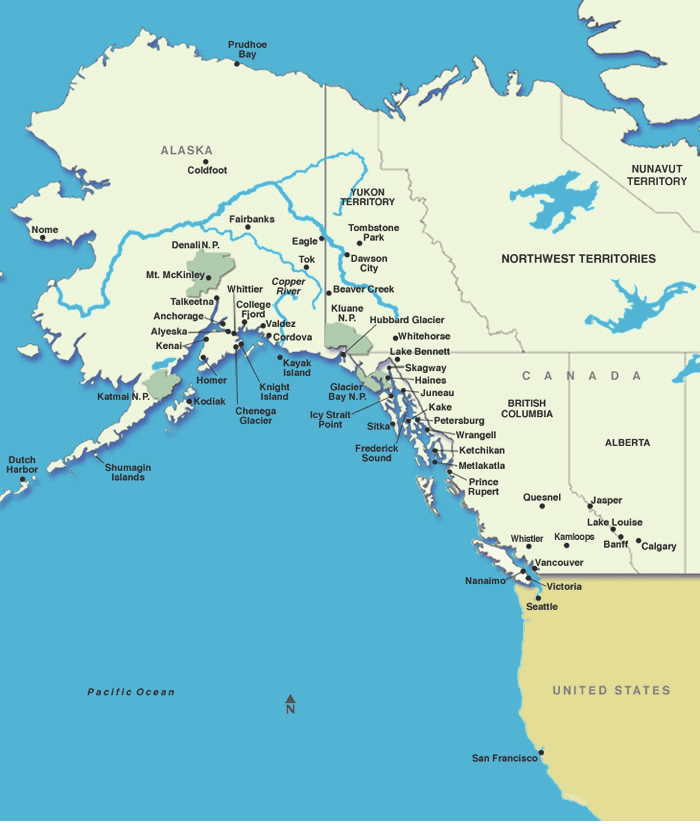
For many, the quintessential way to bridge the distance between Alaska and Canada is by driving the legendary Alaska Highway, also known as the Alcan Highway. This historic route, originally built during World War II, stretches approximately 1,387 miles (2,232 kilometers) from Dawson Creek, British Columbia, to Delta Junction, Alaska. It provides the primary overland connection, traversing the stunning landscapes of British Columbia and the Yukon Territory before entering Alaska.
Planning Your Road Trip: Key Considerations
Embarking on an Alaska Highway adventure requires careful planning. The journey typically takes 3-7 days, depending on the number of stops and the pace of travel. Essential considerations include vehicle preparation, as some sections can be challenging, especially outside of peak summer months. Travelers should carry spare tires, emergency supplies, and sufficient fuel, as services can be sparse in remote areas. Accommodation options range from campgrounds to motels in towns like Fort Nelson, Watson Lake, and Whitehorse. Wildlife sightings are common, adding to the allure but also requiring vigilance from drivers. It’s a journey that offers breathtaking scenery, from towering mountain ranges to vast forests and pristine lakes, truly immersing travelers in the North American wilderness.
Major Entry Points and Border Crossings
Several official border crossings facilitate overland travel between Alaska and Canada. The most frequently used are:
- Beaver Creek, Yukon / Port Alcan, Alaska: This is the primary crossing for those traveling the Alaska Highway. It’s typically open 24 hours a day during the summer season, though hours can be reduced in winter.
- Little Gold Creek, Yukon / Poker Creek, Alaska: This is the northernmost international land border crossing in North America, often referred to as the “Top of the World Highway” crossing. It’s only open seasonally, usually from late May to mid-September, offering a more adventurous and remote route.
- Fraser, British Columbia / Skagway, Alaska: Primarily used by travelers visiting Skagway via the South Klondike Highway, often connected to cruise ship itineraries or the Alaska Marine Highway System.
Travelers must have valid passports or other accepted identification, and vehicles may require specific documentation and insurance coverage for international travel.
Aerial Connections: Flights Between Neighbors
While the land border offers an epic journey, air travel provides the fastest and often most convenient way to cover the “distance” between Alaska and Canada. Numerous flights connect major Alaskan cities with Canadian hubs, catering to both business travelers and tourists seeking quicker access.
Key Airports and Popular Routes
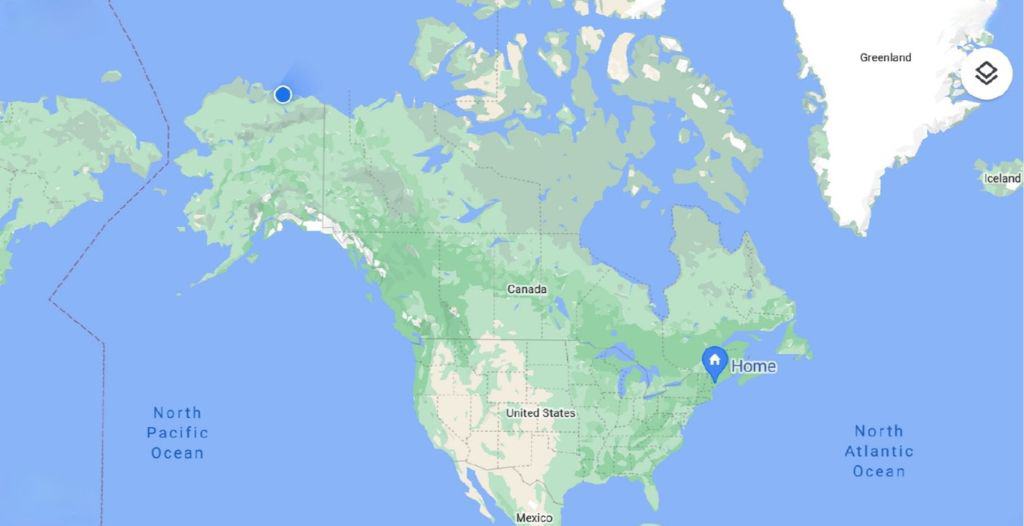
The primary air travel gateways in Alaska are Ted Stevens Anchorage International Airport (Anchorage) and Fairbanks International Airport (Fairbanks). From these airports, direct or connecting flights are available to several Canadian cities, including:
- Vancouver International Airport (Vancouver, British Columbia): Often the most frequent and direct connection, serving as a major hub for onward travel within Canada and internationally.
- Calgary International Airport (Calgary, Alberta): Another significant hub offering connections.
- Edmonton International Airport (Edmonton, Alberta): Provides another key link to western Canada.
- Whitehorse International Airport (Whitehorse, Yukon Territory): Offers regional connections, particularly valuable for travelers interested in the Yukon wilderness.
Airlines like Air Canada, WestJet, and regional carriers operate these routes, especially during the busy summer tourist season.
Travel Time and Logistics
Flight durations between Alaska and Canada are relatively short. A direct flight from Anchorage to Vancouver can take around 2.5 to 3 hours. Flights to Whitehorse from Anchorage are often even shorter. While flying significantly reduces travel time, travelers still need to factor in airport security, check-in, and customs procedures, which can add several hours to the overall journey. Despite these considerations, air travel remains the preferred option for those prioritizing speed and efficiency, or for reaching destinations in Southeast Alaska that are otherwise difficult to access overland.
Maritime Journeys: The Alaska Marine Highway
For those seeking a scenic and unique way to travel between Alaska and Canada, especially connecting Southeast Alaska with the Canadian mainland, the Alaska Marine Highway System (AMHS) offers an exceptional experience. This state-run ferry system serves coastal communities in Alaska, including several with direct or indirect connections to Canada.
Ferry Routes and Coastal Access
The AMHS does not have direct, continuous routes from the continental United States to Alaska through Canada’s inland waters. However, it connects Southeast Alaska communities like Juneau, Ketchikan, and Skagway to ports in the United States (like Bellingham, Washington or Prince Rupert, British Columbia). The primary direct link to Canada for the AMHS is the service between Prince Rupert, British Columbia, and Ketchikan, Alaska. From Prince Rupert, travelers can connect to other BC Ferries services to Vancouver Island (e.g., Port Hardy) and the Canadian mainland.
These ferry routes navigate the picturesque Inside Passage, offering stunning views of fjords, glaciers, and abundant wildlife. They are particularly popular with travelers who want to bring their vehicles and experience a leisurely journey through one of the most beautiful coastal regions in the world.
A Scenic Alternative
Choosing the Alaska Marine Highway System is less about speed and more about the journey itself. It’s an immersive travel experience, allowing passengers to relax, observe marine life, and enjoy the rugged beauty of the Pacific Ocean coastline. Cabins are available for overnight journeys, and on-board dining facilities ensure a comfortable voyage. For those looking to combine a visit to Southeast Alaska with exploration of British Columbia’s coast, this maritime option provides an unforgettable passage. The total travel time can range from a few hours for short segments to several days for longer routes that involve multiple stops and transfers.
Bridging the Distance: Practical Travel Tips
Regardless of the chosen mode of transport, preparing for international travel between Alaska and Canada is essential to ensure a smooth journey.
Documentation and Customs
All travelers, including citizens of the United States and Canada, need valid identification to cross the border. A passport is the most universally accepted and recommended document. Other accepted forms of ID include enhanced driver’s licenses (for U.S. and Canadian citizens), NEXUS cards, or Free and Secure Trade (FAST) cards. Children may also require specific documentation. It is crucial to be aware of customs regulations regarding goods, currency, firearms, and agricultural products. Declare all items as required to avoid delays or penalties. Regulations can change, so checking official government websites for the latest requirements before departure is always advisable.
Best Time to Travel
The peak travel season for overland and maritime routes is typically from late May to early September, when the weather is milder, all services are operational, and daylight hours are long. This is ideal for scenic drives, hiking, and wildlife viewing. However, winter travel offers its own unique beauty, though conditions can be challenging with snow, ice, and reduced services. Air travel operates year-round, but flight frequencies and prices can vary seasonally. Consider your priorities—scenery, outdoor activities, or budget—when deciding on the best time for your trip.
Preparing for Remote Stretches
Many travel routes between Alaska and Canada, especially the Alaska Highway and other rural roads, traverse vast wilderness areas with limited services. Ensure your vehicle is in excellent condition, carry emergency supplies (food, water, blankets, first-aid kit), and inform others of your travel plans. Cell phone service can be sporadic in remote regions, so a satellite phone or emergency beacon might be considered for extreme adventurers. Always have enough fuel, as gas stations can be far apart. Being prepared for varying weather conditions and potential wildlife encounters will enhance safety and enjoyment on your journey across this remarkable frontier.
LifeOutOfTheBox is a participant in the Amazon Services LLC Associates Program, an affiliate advertising program designed to provide a means for sites to earn advertising fees by advertising and linking to Amazon.com. Amazon, the Amazon logo, AmazonSupply, and the AmazonSupply logo are trademarks of Amazon.com, Inc. or its affiliates. As an Amazon Associate we earn affiliate commissions from qualifying purchases.