
The journey between two of Michigan‘s most distinct and vibrant cities, Ann Arbor and Detroit, is a frequently traveled route, central to both the state’s economic activity and its diverse cultural landscape. For travelers contemplating a visit to either or both destinations, understanding the proximity, available transportation, and time commitment is crucial for effective planning. While often seen as separate entities, these cities are closely connected, offering a dynamic contrast from Ann Arbor’s academic charm to Detroit’s industrial heritage and burgeoning urban revitalization. This guide delves into the specifics of this popular route, providing insights for a seamless travel experience.

The Straightforward Journey: Distance and Drive Time
The distance between Ann Arbor and Detroit is a manageable one, making day trips or multi-city itineraries highly feasible for visitors to Michigan. This proximity allows travelers to experience two vastly different facets of the state without extensive travel time.
Geographical Proximity and Key Highways
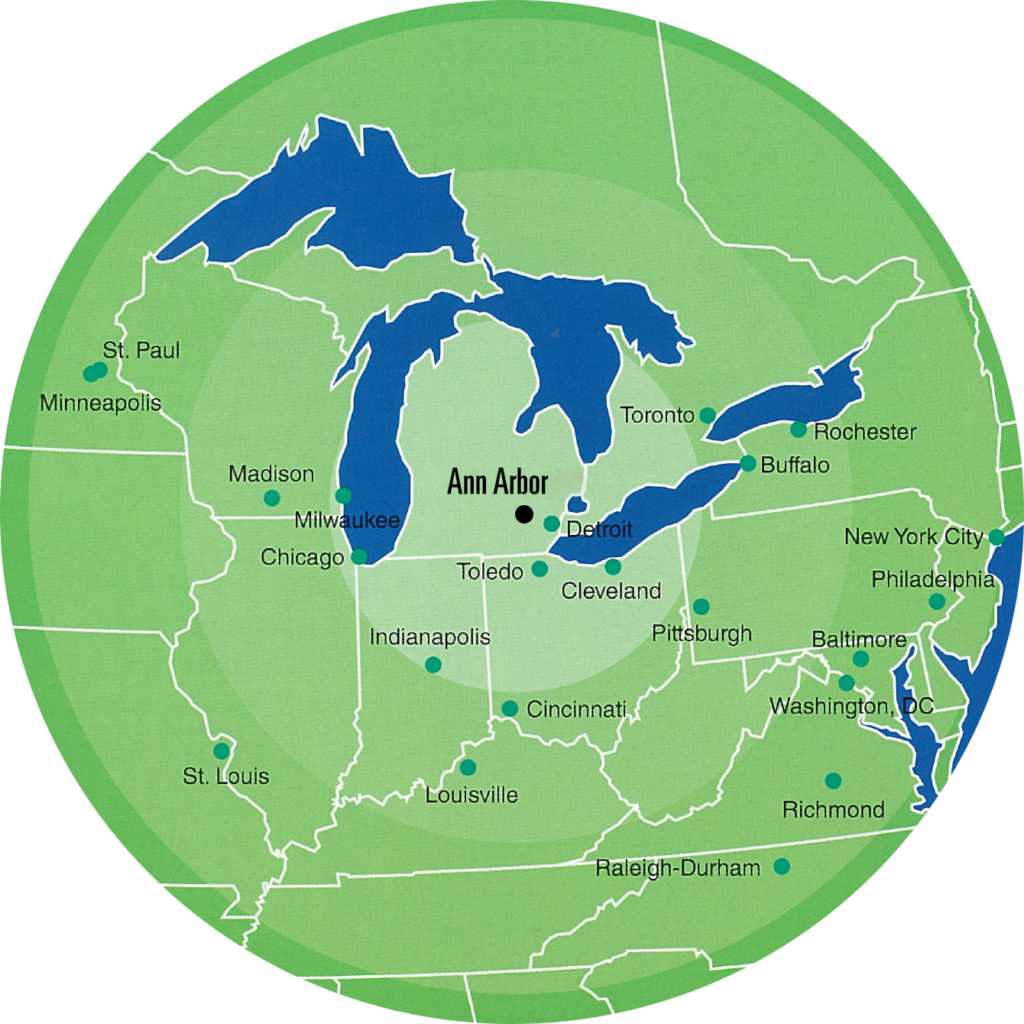
Geographically, Ann Arbor lies to the west of Detroit, positioning them within easy reach of each other. The approximate driving distance between the city centers is around 40 to 45 miles (64 to 72 kilometers), depending on the specific starting and ending points within each metropolitan area.
The primary artery connecting these two cities is Interstate 94 (I-94). This major east-west highway provides a direct and efficient route, bypassing smaller towns and minimizing potential delays. Travelers heading eastbound on I-94 from Ann Arbor will find themselves directly in the heart of Detroit after a relatively short drive.
Under ideal driving conditions, with light traffic and clear weather, the journey typically takes anywhere from 45 minutes to 1 hour. This makes it an incredibly convenient route for commuters, students, and tourists alike who wish to explore both destinations.
Factors Affecting Travel Time
While the baseline travel time is appealing, several factors can influence the actual duration of your trip between Ann Arbor and Detroit. Being aware of these can help in planning and setting realistic expectations.
- Traffic Congestion: Like any major metropolitan corridor, the I-94 stretch can experience significant traffic, especially during peak rush hours. Weekday mornings (7:00 AM – 9:00 AM) and late afternoons/evenings (4:00 PM – 6:00 PM) are typically the busiest, with commutes potentially extending to 1 hour 15 minutes or even longer. Weekends generally offer smoother travel, though special events in either city can still cause localized congestion.
- Road Construction: Michigan frequently undertakes road construction projects, particularly during the warmer months. These projects, while necessary for infrastructure improvement, can lead to lane closures, detours, and reduced speeds, adding extra time to the journey. It’s always advisable to check local traffic reports or use navigation apps before departing.
- Weather Conditions: Michigan winters can be severe, bringing snow, ice, and reduced visibility. These conditions can significantly slow down travel speeds, necessitating extra caution and potentially doubling or tripling travel times. Even heavy rain can impact visibility and road conditions, requiring drivers to reduce speed. Always check weather forecasts, especially during winter months, and consider adjusting travel plans accordingly.
Navigating Your Options: Modes of Transportation
While driving remains the most common and often most convenient way to travel between Ann Arbor and Detroit, other transportation options exist, catering to different preferences and needs.
Driving: The Most Popular Choice
For many, driving is the preferred method of travel due to its inherent flexibility and convenience. Having a personal vehicle or a rental car allows travelers to set their own schedule, make spontaneous stops, and easily access attractions that may not be directly on public transport routes.
- Flexibility and Convenience: With your own vehicle, you control your departure and arrival times, and you’re not beholden to fixed schedules. This is particularly beneficial for those traveling with families, carrying luggage, or planning multiple stops.
- Rental Cars and Ride-Sharing: For visitors flying into Detroit Metropolitan Airport (DTW), which is conveniently located off I-94 between Ann Arbor and Detroit, numerous car rental agencies are available. Ride-sharing services like Uber and Lyft also operate extensively in both cities, offering a door-to-door solution without the hassle of parking. The cost for a ride-share between the two cities can vary significantly based on demand and time of day, but typically ranges from $50-$80.
- Parking Considerations: While driving offers freedom, parking can be a consideration, especially in downtown areas. Both Ann Arbor and Detroit offer a variety of parking structures, street parking (metered), and surface lots. It’s advisable to research parking options and costs beforehand, especially if attending events or visiting popular attractions.
Public Transportation: An Alternative Perspective
For those who prefer not to drive or wish to minimize their carbon footprint, public transportation options are available, though they may require more planning and potentially longer travel times compared to a direct drive.
- Bus Services: The Michigan Flyer is a popular and reliable coach bus service primarily connecting Ann Arbor with Detroit Metropolitan Airport. While it doesn’t offer direct city-to-city service between downtown Ann Arbor and downtown Detroit, it’s an excellent option for airport transfers. For travel specifically between the two city centers, regional bus services or a combination of local buses and transfers might be necessary, which can be less direct and more time-consuming.
- Train (Amtrak): Amtrak’s Wolverine service runs daily between Chicago and Pontiac, with stops in both Ann Arbor and Detroit. This offers a comfortable and scenic alternative to driving. The Ann Arbor station (AAO) and the Detroit station (DET) are typically well-located. The train journey usually takes around 50-60 minutes, offering a stress-free travel experience where you can relax or work. However, train schedules are fixed, and tickets should be booked in advance, especially during peak travel times. The main challenge often lies in getting to and from the train stations at each end.
- Pros and Cons: Public transport generally offers a more environmentally friendly option and frees travelers from the stress of driving and parking. However, it often involves less direct routes, fixed schedules, and potentially more transfers, which can extend overall travel time and reduce flexibility.
Beyond the Miles: Why Travel Between Ann Arbor and Detroit?
The allure of traveling between Ann Arbor and Detroit extends far beyond mere geographical distance. Each city offers a unique array of attractions, experiences, and cultural insights, making the short journey between them a gateway to a diverse Michigan adventure.
Ann Arbor: A Collegiate Gem
Known globally as the home of the University of Michigan, Ann Arbor exudes an energetic, intellectual, and slightly bohemian vibe. It’s a city that effortlessly blends academic prowess with a vibrant downtown scene.
- Academic and Sporting Events: The University of Michigan is a cornerstone of the city, attracting visitors for campus tours, conferences, and world-class sporting events, particularly football games at “The Big House.”
- Vibrant Downtown and Culinary Scene: Downtown Ann Arbor is a pedestrian-friendly haven filled with independent bookstores, unique boutiques, art galleries, and an exceptional culinary scene ranging from farm-to-table eateries to diverse international cuisine.
- Arts, Culture, and Nature: The city boasts a robust arts and culture scene, with numerous theaters, live music venues, and art fairs. For nature lovers, the Matthaei Botanical Gardens and the Nichols Arboretum offer stunning landscapes and peaceful retreats.
Detroit: A City Reimagined
Once the undisputed “Motor City” and heart of American industry, Detroit has undergone a remarkable transformation, emerging as a hub of innovation, arts, and resilient community spirit. It’s a city with a rich history and an exciting future.
- Historical Significance: Detroit offers profound historical experiences, from the birthplace of Motown music to the innovation of the automotive industry. The Henry Ford Museum and Greenfield Village (located just outside Detroit in Dearborn) are must-visits.
- Revitalization and Entertainment Districts: The city center has seen significant revitalization, with new restaurants, breweries, and entertainment venues constantly emerging. The Detroit RiverWalk provides scenic views and recreational opportunities, while Campus Martius Park serves as a vibrant public square hosting events year-round.
- World-Class Museums and Sports: Detroit is home to the acclaimed Detroit Institute of Arts, boasting one of the largest and most significant art collections in the United States. Sports enthusiasts can catch professional games with the Detroit Lions (NFL), Detroit Red Wings (NHL), Detroit Pistons (NBA), and Detroit Tigers (MLB).
Planning Your Trip: Essential Travel Tips
To ensure a smooth and enjoyable travel experience between Ann Arbor and Detroit, consider these practical tips.
Best Times to Travel
Strategic timing can significantly impact your journey, especially if driving.
- Avoiding Rush Hour: If possible, plan your travel to avoid weekday morning (7-9 AM) and afternoon (4-6 PM) rush hours on I-94. Mid-day or evening travel typically offers the clearest roads.
- Considering Event Schedules: Both cities host numerous events throughout the year, from university graduations and football games in Ann Arbor to concerts, festivals, and major sporting events in Detroit. Check local event calendars before your trip, as these can significantly impact traffic, parking, and public transport availability.
- Seasonal Considerations: While summer and fall offer pleasant weather for exploration, they can also be peak tourist seasons. Winter travel, while potentially challenging due to weather, can offer unique experiences like holiday markets and fewer crowds, but requires extra vigilance on the roads.

Making the Most of Your Journey
The close proximity of Ann Arbor and Detroit presents a fantastic opportunity for travelers to experience a rich and varied slice of Michigan.
- Combining Visits: Don’t limit yourself to just one city. Plan a multi-day itinerary that allows you to delve into Ann Arbor’s academic charm and Detroit’s urban resurgence. Many visitors choose to stay in one city and take day trips to the other, making it a convenient base.
- Pre-booking and Real-time Updates: For train travel, book tickets in advance. If driving, utilize GPS navigation apps (like Google Maps or Waze) for real-time traffic updates, which can help you avoid unexpected delays due to accidents or heavy congestion.
- Explore Beyond the City Centers: While downtown areas are central, both regions offer intriguing attractions just a short drive away, such as the Henry Ford Museum in Dearborn, or the numerous parks and natural areas surrounding Ann Arbor.
The journey between Ann Arbor and Detroit is much more than just a measurement of miles; it’s a bridge between two distinct and compelling Michigan experiences. Whether you choose the efficiency of a drive, the comfort of a train, or a combination of options, the relatively short distance makes it easy to explore the diverse landscapes, cultures, and histories that define this vibrant corner of the state. With careful planning and an open mind, travelers can seamlessly navigate this route and unlock the unique treasures of both Ann Arbor and Detroit.
LifeOutOfTheBox is a participant in the Amazon Services LLC Associates Program, an affiliate advertising program designed to provide a means for sites to earn advertising fees by advertising and linking to Amazon.com. Amazon, the Amazon logo, AmazonSupply, and the AmazonSupply logo are trademarks of Amazon.com, Inc. or its affiliates. As an Amazon Associate we earn affiliate commissions from qualifying purchases.