
Embarking on a journey from the neon-lit extravagances of Las Vegas to the ethereal beauty of Antelope Canyon is a quintessential American Southwest adventure. While Las Vegas draws millions with its vibrant nightlife, world-class entertainment, and luxurious resorts, the call of nature’s untouched wonders is equally compelling. Antelope Canyon, nestled in the Navajo Nation near Page, Arizona, offers an entirely different, yet equally mesmerizing, experience. Its undulating sandstone walls, sculpted by millennia of wind and water, create a breathtaking play of light and shadow, making it a photographer’s dream and a soul-stirring destination for any traveler.

This article serves as your comprehensive guide to bridging the gap between these two iconic destinations. We’ll delve into the practicalities of distance and travel time, explore various transportation options, suggest scenic routes and fascinating stops along the way, and provide essential tips for experiencing the magic of Antelope Canyon and its surrounding landmarks. Whether you’re planning a quick day trip or a more leisurely multi-day excursion, understanding the journey is the first step toward an unforgettable adventure.
The Journey from Sin City to Slot Canyon Serenity
The distance between Las Vegas and Antelope Canyon is a significant factor in planning your trip. It’s not a short hop, but rather an immersive road trip through some of the most dramatic landscapes in the United States. Preparing for this journey involves more than just packing a bag; it requires thoughtful consideration of routes, timing, and potential stops that enhance the overall travel experience.
Distance and Estimated Travel Time
The drive from Las Vegas, Nevada, to Page, Arizona (the gateway town to Antelope Canyon), covers approximately 275 to 280 miles (440 to 450 kilometers). This translates to an estimated driving time of 4.5 to 5 hours without any significant stops or traffic delays. However, it’s crucial to remember that this is a purely navigational estimate. In reality, several factors can influence your actual travel time:
- Traffic: While leaving Las Vegas, especially during peak hours or on holiday weekends, you might encounter delays.
- Fuel Stops and Breaks: Essential for any road trip, these will add to your total time.
- Scenic Detours: The route is rich with natural wonders, and it’s highly recommended to factor in time for sightseeing.
- Weather Conditions: While generally sunny, adverse weather like strong winds or occasional rain can impact driving speeds.
Therefore, when planning your departure and arrival, it’s wise to allocate at least 6-7 hours for the entire journey, especially if you intend to make the most of the drive. This allows for comfort breaks, refueling, and perhaps a quick photo stop without feeling rushed.
Primary Driving Routes and Scenic Stops
The most common and efficient route from Las Vegas to Page typically involves heading east. However, there are variations that offer unique experiences, catering to different travel styles and time allowances.
-
The Direct Route (I-15 N to I-40 E to US-89 N): This is the most straightforward path. You’ll take I-15 North out of Las Vegas briefly before connecting with US-93 South, which leads to I-40 East near Kingman, Arizona. Continue on I-40 East past Flagstaff and then take US-89 North directly to Page. This route provides the quickest way to reach your destination, but you can still incorporate incredible landmarks.
- Hoover Dam: Just a short detour from the main highway (US-93) near Boulder City, the iconic Hoover Dam is an engineering marvel. Stopping for an hour or two to explore the visitor center and take in the panoramic views of Lake Mead is highly recommended.
- Grand Canyon South Rim: For those with an extra day or two, a detour to the Grand Canyon South Rim is an absolute must-do. From I-40 East, you can take AZ-64 North from Williams directly into the Grand Canyon National Park. While this adds significant mileage (around 2-3 hours each way from the main route to the rim), combining the grandeur of the Grand Canyon with the slot canyon beauty of Antelope Canyon creates an epic multi-park experience.
- Flagstaff: A charming mountain town along I-40, Flagstaff offers a pleasant break with its historic downtown, diverse dining, and cooler temperatures. It’s a good overnight stop if you’re spreading the journey out.
-
The Scenic Northern Route (I-15 N to UT-9 E through Zion): This alternative takes you north through Nevada and into Utah, passing by Zion National Park. While adding roughly 1-2 hours to the direct driving time, the unparalleled beauty of Zion‘s towering sandstone cliffs and emerald pools makes it a compelling choice for nature enthusiasts. This route might involve a national park entrance fee and could be congested during peak season. From Zion, you’d continue east on UT-9 to US-89 South to Page.
Each route offers its own set of attractions, from man-made marvels to natural wonders, giving you the flexibility to tailor your road trip to your preferences and time constraints. Regardless of the path chosen, the landscapes unfold in a spectacular display of geological history, preparing you for the unique experience of Antelope Canyon.
Transportation Options for Your Desert Adventure
When planning your trip from Las Vegas to Antelope Canyon, you have several viable transportation options, each with its own set of advantages regarding cost, flexibility, and convenience. The choice often depends on your budget, travel style, and how much time you have for the journey.
Driving Yourself: Freedom and Flexibility
For many, the quintessential American road trip is the preferred method for exploring the vast expanses of the Southwest. Renting a car in Las Vegas provides unparalleled freedom to explore at your own pace, stop wherever curiosity strikes, and build a personalized itinerary.
- Rental Cars: Las Vegas is a major hub with numerous rental car companies available at McCarran International Airport and throughout the city. Booking in advance is highly recommended, especially during peak travel seasons, to secure the best rates and your preferred vehicle type. Consider a comfortable sedan or an SUV for longer drives, particularly if you plan on carrying more luggage or want extra ground clearance for potential detours (though the main routes are paved).
- Preparation: Before hitting the road, ensure your vehicle (rental or personal) is in good condition, especially tires and fluid levels. Pack plenty of water, snacks, and a first-aid kit. Cell service can be spotty in remote areas, so consider downloading offline maps. Gas stations are available along the main routes, but it’s always wise to refuel when you see the opportunity, especially when tanking up in Flagstaff or before long stretches.
The freedom of a self-drive trip allows for impromptu stops at places like the Valley of Fire State Park or a longer visit to the Grand Canyon on your way. This option is ideal for those who love the open road and want to fully immerse themselves in the journey as much as the destination.
Guided Tours: Convenience and Expertise
If you prefer to sit back, relax, and let someone else handle the logistics, a guided tour from Las Vegas to Antelope Canyon is an excellent choice. Many tour operators specialize in these excursions, offering a range of options from single-day whirlwind trips to multi-day adventures that include other regional highlights.
- Types of Tours:
- Day Trips: These are typically long, intense days, often departing very early from Las Vegas and returning late. They usually include transportation, the mandatory Antelope Canyon tour, and often a stop at Horseshoe Bend. While efficient, they offer limited time at each location.
- Multi-day Tours: These provide a more relaxed pace, often incorporating overnight stays in Page or nearby towns, allowing for deeper exploration of Antelope Canyon, Horseshoe Bend, Lake Powell, and sometimes the Grand Canyon or Zion National Park.
- Benefits: Guided tours eliminate the stress of driving, navigation, and parking. They often include expert guides who provide valuable insights into the geology, history, and culture of the region, enhancing the overall experience. Booking the mandatory Navajo Nation tour for Antelope Canyon is also typically handled by the tour operator. This is a great option for solo travelers, families, or anyone looking for a hassle-free, educational journey.
Flying to Page: The Quickest Route
For those with limited time or a preference for speed, flying is the quickest way to reach Antelope Canyon. However, it’s also generally the most expensive and least flexible option.
- Flight Details: Small regional airlines operate flights from McCarran International Airport (LAS) in Las Vegas to Page Municipal Airport (PGA). Flight durations are typically around 1.5 to 2 hours.
- Post-Flight Logistics: Upon arrival at Page Municipal Airport, you will still need to arrange ground transportation. Rental cars are available at the airport, or you can utilize local taxis or ride-sharing services to get to your accommodation and to the departure points for your Antelope Canyon tour. This option saves significant driving time but requires coordinating additional logistics upon arrival in Page. It’s ideal for a luxury travel experience or for business stays that require quick transit.
Exploring Antelope Canyon: Essential Information
Once you arrive in Page, Arizona, the anticipation for Antelope Canyon reaches its peak. This slot canyon is a geological marvel, but its protection and the unique experience it offers come with specific visitor guidelines. Understanding these details is crucial for a smooth and rewarding visit.
Understanding Upper vs. Lower Antelope Canyon
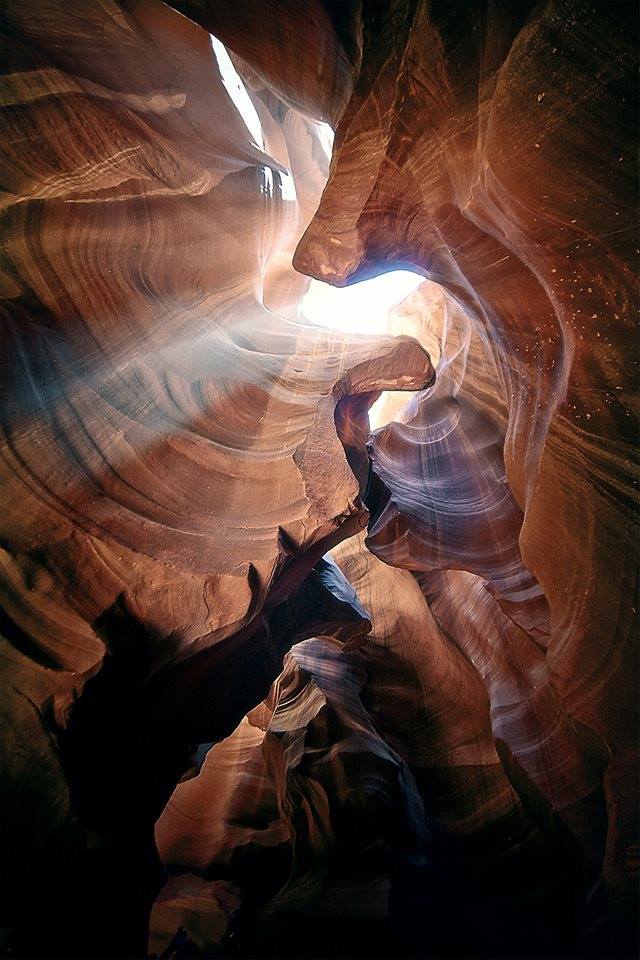
Antelope Canyon is actually composed of two distinct, equally beautiful, yet different sections: Upper Antelope Canyon and Lower Antelope Canyon. Both are located on Navajo Nation land and require a guided tour with a Navajo guide.
- Upper Antelope Canyon: Often the most recognized of the two, Upper Antelope Canyon is famous for its breathtaking light beams that penetrate the canyon from above, especially during the late spring and summer months around midday. The canyon floor is flat and wide, making it easily accessible for all ages and fitness levels. Tours involve a short, bumpy drive in 4×4 vehicles to the canyon entrance, after which you walk through the canyon and back out the same way. The light beams are a major draw, creating spectacular photographic opportunities.
- Lower Antelope Canyon: Offering a more adventurous experience, Lower Antelope Canyon is narrower and longer, requiring visitors to navigate a series of stairs and ladders to descend into and ascend out of the canyon. The light effects here are more subtle, with swirling colors and reflections dancing off the intricately carved walls. It’s often less crowded than the upper canyon and provides a different, equally mesmerizing perspective for those who enjoy a bit more physical activity.
- Booking Tours: Regardless of which canyon you choose (or if you decide to visit both!), tours must be booked in advance through authorized Navajo tour operators. This is not only a requirement for visiting sacred tribal lands but also essential due to the limited capacity and high demand. During peak seasons (spring, summer, and fall), tours can sell out weeks or even months ahead, especially for prime time slots. Always confirm the meeting point and any specific requirements directly with your chosen tour operator.
Maximizing Your Visit to Antelope Canyon
To ensure you get the most out of your Antelope Canyon experience, consider these crucial tips:
- Best Time of Day: For the iconic light beams in Upper Antelope Canyon, plan your visit between 10:00 AM and 2:00 PM, particularly from late March through early October. The sun needs to be high enough in the sky to penetrate the narrow openings. For Lower Antelope Canyon, lighting is beautiful throughout the day, offering more diffuse and gentle hues.
- Best Time of Year: Spring and fall offer pleasant temperatures and beautiful light. Summer brings the best chance for intense light beams in Upper Antelope Canyon but also higher temperatures and larger crowds. Winter offers fewer crowds and unique, softer lighting, though the famous light beams are less likely.
- What to Bring:
- Water: Essential year-round, especially in the desert heat.
- Camera: A wide-angle lens is ideal for capturing the canyon’s grandeur. Be aware of dust and changing light conditions.
- Comfortable Shoes: Sturdy walking shoes are a must, particularly for Lower Antelope Canyon with its stairs and uneven surfaces.
- Light Jacket/Layers: Temperatures can vary, especially inside the canyon or early/late in the day.
- Small Bag: Only small bags are usually permitted on tours. Leave large backpacks in your vehicle.
- Cash: It’s customary to tip your Navajo guide for their knowledge and assistance.
Remember that Antelope Canyon is a natural wonder and a sacred site for the Navajo people. Respect your surroundings, follow your guide’s instructions, and capture memories responsibly.
Beyond Antelope Canyon: Sights Near Page, Arizona
While Antelope Canyon is undoubtedly the star attraction, the area around Page, Arizona, is a treasure trove of natural wonders and recreational opportunities. Extending your stay for at least an overnight allows you to fully appreciate the region’s diverse landscapes and activities. This makes it an ideal spot for family trips, offering a blend of adventure and relaxation.
Horseshoe Bend: An Iconic Vista
Just a short drive (about 10-15 minutes) from Page is the world-famous Horseshoe Bend. This dramatic horseshoe-shaped meander of the Colorado River is one of the most photographed natural landmarks in the Southwest.
- Description: From the parking area, a relatively easy 1.5-mile (2.4 km) round-trip walk takes you to the edge of a sheer cliff overlooking the river, some 1,000 feet (300 meters) below. The scale is immense, and the vibrant colors of the rock walls contrasted with the deep green of the river create a stunning panorama.
- Accessibility: The path to Horseshoe Bend is well-maintained and mostly flat, with some gentle slopes. However, there are no railings directly at the edge, so caution is advised, especially with children.
- Best Time to Visit: Sunrise and sunset offer magical lighting for photography, with fewer crowds. Midday provides brighter illumination, but also harsher shadows and direct sun exposure. Bring plenty of water and wear sun protection, as there is little to no shade on the trail.
Lake Powell and Glen Canyon Dam
The vast expanse of Lake Powell, a sprawling reservoir created by the impounding of the Colorado River by the Glen Canyon Dam, is another major draw in the area. Its clear blue waters, surrounded by red rock cliffs and numerous canyons, offer a playground for water sports and scenic exploration.
- Activities: Lake Powell is renowned for boating, kayaking, paddleboarding, and fishing. You can rent houseboats, powerboats, jet skis, or kayaks from marinas like Wahweap Marina or Antelope Point Marina. Exploring the side canyons by kayak or paddleboard offers a tranquil and intimate experience of the lake’s beauty.
- Glen Canyon Dam: Take a tour of the impressive Glen Canyon Dam Visitor Center to learn about its history, engineering, and impact on water management in the West. The views from the bridge crossing the dam are spectacular, offering a different perspective of the immense power of the Colorado River.
Accommodation and Dining in Page
Page serves as the primary gateway to these attractions, offering a range of accommodation options to suit various budgets and preferences. Whether you’re seeking luxury travel amenities or budget travel convenience, Page has something for every lifestyle.
- Accommodation: You’ll find a mix of chain hotels, independent motels, and a growing number of vacation rentals. Options range from comfortable and familiar choices like Hyatt Place Page/Lake Powell and Country Inn & Suites by Radisson, Page, AZ to more budget-friendly inns. Many hotels offer amenities like swimming pools, complimentary breakfast, and easy access to local attractions. Booking accommodation well in advance, especially during peak season, is highly advisable.
- Dining Options: Page offers a surprising variety of dining establishments, from casual diners serving classic American fare to restaurants offering Mexican cuisine, pizza, and even some upscale options. You can easily find local favorites and familiar chains to satisfy your cravings after a day of exploration. Don’t forget to sample some local flavors and food experiences that add to the tourism aspect of your trip.
Spending time in and around Page transforms a quick visit to Antelope Canyon into a richer, more fulfilling desert adventure, allowing you to immerse yourself in the natural grandeur of the Colorado Plateau.
Planning Your Ultimate Las Vegas to Antelope Canyon Excursion
Creating a successful travel itinerary from Las Vegas to Antelope Canyon involves more than just knowing the distance; it’s about weaving together transportation, accommodation, activities, and practical considerations into a seamless and enjoyable experience. This journey can be a standalone trip or integrated into a larger Southwest itinerary, appealing to various travel lifestyles from budget-conscious explorers to luxury seekers.
Crafting Your Itinerary
The length and pace of your trip will dictate the best itinerary.
- Day Trip vs. Multi-Day Adventure:
- Day Trip: While possible, a day trip from Las Vegas to Antelope Canyon is extremely long and tiring (10-12+ hours of travel and touring). It involves driving up to 5 hours each way, plus the 1.5-hour canyon tour and a quick stop at Horseshoe Bend. It’s suitable for those with very limited time, but it leaves little room for spontaneity or relaxation.
- Multi-Day Excursion (Recommended): A 2-3 day trip is ideal. This allows for a more leisurely drive, an overnight stay in Page, and ample time to enjoy both Antelope Canyon and nearby attractions like Horseshoe Bend and Lake Powell. You could drive to Page on day one, explore the canyons and surrounding areas on day two, and drive back to Las Vegas on day three.
- Combining with Other Parks: For an epic Southwest road trip, consider integrating Antelope Canyon into a loop that includes the Grand Canyon National Park (South or North Rim), Zion National Park, or Bryce Canyon National Park. These destinations are relatively close and offer diverse natural beauty, making for an unforgettable experience for nature lovers. Many travelers combine a stay in Las Vegas with a tour of these natural landmarks, extending their accommodation bookings and travel experiences.

Essential Travel Tips and Considerations
A well-planned trip ensures maximum enjoyment and minimizes potential pitfalls.
- Weather Awareness: The desert climate can be extreme. Summers are intensely hot, with temperatures often exceeding 100°F (38°C), while winters can be surprisingly cold, especially at night. Flash floods are a rare but serious concern in slot canyons, particularly during monsoon season (July-September); tour operators closely monitor weather conditions for your safety. Always check the forecast before and during your trip.
- Booking in Advance: This cannot be stressed enough, especially for Antelope Canyon tours and popular accommodations in Page. Peak season tours, especially for prime time slots, can sell out months ahead. Rental cars and preferred hotels also book up quickly.
- Respecting Navajo Nation Regulations: Antelope Canyon is on tribal land. Visitors must adhere to the rules set by the Navajo Nation and their guides, which include prohibitions on littering, drones, and touching the canyon walls. Photography rules may also vary depending on the tour. Show respect for the land and its caretakers.
- Safety on the Road and in Nature: Carry ample water, snacks, and emergency supplies in your vehicle. Inform someone of your travel plans if venturing into remote areas. Stay on marked trails, especially at places like Horseshoe Bend, and be mindful of wildlife. Driving long distances can be fatiguing, so plan for breaks and share driving responsibilities if possible.
In conclusion, the journey from Las Vegas to Antelope Canyon is a spectacular contrast between human-made marvels and nature’s artistry. It requires planning and preparation, but the reward is an unparalleled experience of the American Southwest’s most iconic landscapes. By considering the distance, transportation options, and local attractions, you can craft an adventure that perfectly suits your travel aspirations, making memories that will last a lifetime.
LifeOutOfTheBox is a participant in the Amazon Services LLC Associates Program, an affiliate advertising program designed to provide a means for sites to earn advertising fees by advertising and linking to Amazon.com. Amazon, the Amazon logo, AmazonSupply, and the AmazonSupply logo are trademarks of Amazon.com, Inc. or its affiliates. As an Amazon Associate we earn affiliate commissions from qualifying purchases.