
Embarking on a journey from the vibrant metropolis of Houston, Texas, to the striking landscapes of Arizona is a classic American travel experience. Whether you’re planning a cross-country move, a family vacation, or a business trip, understanding the distance and the various travel options is the first step toward a successful itinerary. Arizona, known for its vast deserts, iconic Grand Canyon, and vibrant Native American culture, stands in stark contrast to Houston’s humid Gulf Coast climate and urban sprawl. This guide delves into the specifics of covering this significant distance, offering insights into travel times, routes, and essential planning considerations.
The Geographic Span: Understanding the Distance
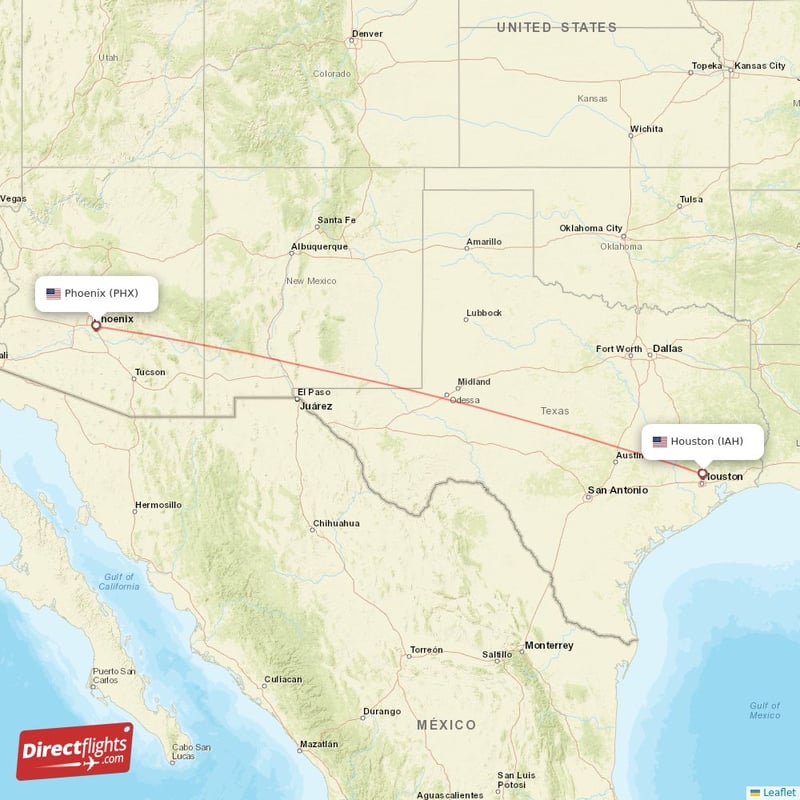
The journey from Houston to Arizona is substantial, spanning across multiple states and diverse terrains. It’s crucial to differentiate between straight-line (as the crow flies) and actual driving distances, as the latter accounts for road networks and geographic barriers.
Straight-Line vs. Driving Distance
As the crow flies, the distance from Houston to Phoenix, Arizona (a central and major city in the state), is approximately 1,000 to 1,100 miles (1,600 to 1,770 kilometers). However, this direct measurement is purely theoretical for ground travel.
The practical driving distance is significantly longer due to the necessity of following established road networks. For instance, driving from Houston to Phoenix typically covers between 1,100 and 1,200 miles (1,770 to 1,930 kilometers), depending on the specific route taken and the exact starting and ending points within each region. If your destination is Tucson in southern Arizona, the distance might be slightly less, around 1,050 to 1,150 miles. Conversely, heading further north in Arizona to destinations like Flagstaff or the Grand Canyon will extend the trip beyond 1,300 miles.
Key States and Cities Along the Route
A typical road trip from Houston to Arizona will primarily involve traversing Texas and New Mexico before reaching the Grand Canyon State. The most common and direct route generally follows Interstate 10 (I-10) westward.
Along this route, travelers will pass through significant Texas cities such as San Antonio and El Paso, which serve as excellent overnight stops or refueling points. After crossing the vast expanse of West Texas, the journey enters New Mexico, with Las Cruces being a prominent city along I-10 before finally entering Arizona near the city of Lordsburg. This continuous stretch of interstate highway makes for a relatively straightforward, albeit long, drive.
Navigating the Journey: Modes of Transportation
Choosing the right mode of transportation is paramount when planning a trip of this magnitude. Each option offers distinct advantages in terms of cost, time, and experience.
Driving: The Classic American Road Trip
Driving is often the preferred choice for those who value flexibility, scenic detours, and the ability to transport more luggage. The typical driving time from Houston to Phoenix ranges from 17 to 20 hours of pure driving, not accounting for stops.
- Estimated Driving Time and Mileage: At an average speed of 60-70 mph, the journey is generally too long for a single day’s drive, especially for solo drivers. Most travelers opt for a two-day trip, breaking the journey with an overnight stay. A common halfway point might be around Fort Stockton, Texas, or El Paso, depending on your preferred driving pace.
- Potential Routes (I-10 Focus): The most direct and popular route is almost exclusively via Interstate 10. It’s a well-maintained highway that provides consistent speed limits and numerous services along the way. While there are alternative state routes that might offer more localized scenery, they often add significant time to the journey.
- Fuel Considerations, Rest Stops: Fuel prices can fluctuate significantly across Texas and New Mexico, particularly in more rural areas. Planning your fuel stops in advance, especially around major cities like San Antonio and El Paso, can help manage costs. Rest stops, gas stations, and fast-food establishments are abundant along I-10, ensuring regular opportunities for breaks, meals, and stretching.
Flying: The Fastest Option
For travelers prioritizing speed and convenience, flying is undoubtedly the most efficient way to travel from Houston to Arizona.
- Major Airports in Houston and Arizona: Houston is served by two major airports: George Bush Intercontinental Airport (IAH) and William P. Hobby Airport (HOU). In Arizona, the primary international gateway is Phoenix Sky Harbor International Airport (PHX). Tucson International Airport (TUS) is another significant option, especially for destinations in Southern Arizona.
- Flight Duration, Layovers: Direct flights from Houston to Phoenix typically take around 2.5 to 3 hours. Flights to Tucson are similar. While direct options are common, connecting flights might be available for specific routes or to smaller Arizona airports, potentially extending travel time to 4-6 hours or more, depending on the layover.
- Cost Considerations: Airfare prices can vary widely based on the time of year, booking in advance, and airline choice. Generally, flying can be more expensive than driving, especially for solo travelers, but for groups or families, the cost per person might be competitive when factoring in fuel, lodging, and vehicle wear and tear for driving.
Bus and Train Travel: Scenic and Sustainable Alternatives

For those seeking a more relaxed journey, or looking for budget-friendly and environmentally conscious options, bus and train services provide viable alternatives.
- Greyhound and Amtrak Options: Greyhound offers extensive bus routes connecting Houston to various cities in Arizona, including Phoenix and Tucson. The journey will involve multiple stops and possibly transfers, making it a much longer trip, typically ranging from 24 to 36 hours. Amtrak‘s “Sunset Limited” route provides train service from Houston to several Arizona stops, including Tucson and Maricopa (serving the Phoenix area). Train journeys are also lengthy, often taking over 20 hours, but offer the comfort of reclining seats, dining cars, and sleeper car options for an enhanced experience.
- Longer Travel Times, Different Experience: Both bus and train travel are significantly slower than driving or flying. However, they offer a unique way to see the landscape, reduce the stress of driving, and can be a more social experience. For budget travelers or those not in a hurry, these modes provide excellent value.
Planning Your Trip: Essential Travel Considerations
Regardless of your chosen mode of transport, a well-thought-out plan ensures a smooth and enjoyable journey from Houston to Arizona.
Best Time to Travel
Arizona’s desert climate means distinct seasons. Fall, winter, and spring (October to April) are generally considered the best times to visit, as temperatures are mild and pleasant, ideal for outdoor activities. Summer (June to September) in Arizona can be extremely hot, with temperatures often exceeding 100°F (38°C) in Phoenix and Tucson. Traveling during cooler months can make the driving experience more comfortable and the arrival in Arizona more enjoyable.
What to Pack: Climate Variations
Given the climate differences between humid Houston and arid Arizona, packing strategically is key. Even within Arizona, elevations vary greatly, meaning Phoenix can be scorching while Flagstaff experiences snow. Layers are always recommended. For desert areas, light, breathable clothing, a wide-brimmed hat, sunglasses, and plenty of sunscreen are essential. If visiting higher elevations or during cooler months, warmer jackets and sturdy shoes for hiking are advisable.
Fueling Up and Budgeting for the Road
For road trippers, budgeting for fuel is critical. Texas is a large state, and long stretches of highway, particularly in West Texas, may have fewer services. It’s wise to keep your fuel tank at least half full and plan stops in larger towns. Factor in costs for meals, snacks, and any overnight accommodations if you’re splitting the drive. Vehicle maintenance checks before departure are also non-negotiable for a long trip.
Potential Stops and Scenic Detours
While the primary goal might be reaching Arizona, the journey itself can offer memorable experiences.
- San Antonio, Texas: A fantastic stop to experience The Alamo and the famous River Walk.
- El Paso, Texas: Situated on the border with Mexico, El Paso offers a rich Tex-Mex culture and stunning mountain views.
- New Mexico: Passing through southern New Mexico provides glimpses of vast desert landscapes and the unique ecosystem of the Chihuahuan Desert. For those with extra time, a detour to White Sands National Park is an unforgettable experience.
- Big Bend National Park: If you are willing to extend your journey significantly and venture south of I-10, Big Bend National Park in West Texas offers unparalleled natural beauty and rugged wilderness. This detour would add substantial mileage and time but is a bucket-list destination for many outdoor enthusiasts.
Arriving in Arizona: Gateway Cities
Once you cross the border into Arizona, two major cities serve as primary gateways for most travelers.
Phoenix: The Heart of the Desert
Phoenix, the state capital and largest city, is often the main destination for those traveling from Houston. It is a sprawling metropolis nestled in the Sonoran Desert, offering a vibrant urban experience alongside access to stunning natural beauty. From Phoenix, travelers can easily reach popular attractions like Scottsdale’s upscale resorts, Sedona’s red rock formations, or continue north to the Grand Canyon.

Tucson: Southern Charm and Saguaro Forests
Located further south, Tucson offers a distinct blend of Native American, Mexican, and cowboy heritage. Surrounded by five mountain ranges and home to the iconic Saguaro National Park, Tucson provides a rich cultural experience and ample opportunities for outdoor adventure. It’s often the preferred entry point for those exploring southern Arizona’s unique ecosystems and historical sites.
No matter your chosen path, the journey from Houston to Arizona is a testament to the vastness and diversity of the American landscape. With careful planning and an adventurous spirit, it promises to be a rewarding travel experience.
LifeOutOfTheBox is a participant in the Amazon Services LLC Associates Program, an affiliate advertising program designed to provide a means for sites to earn advertising fees by advertising and linking to Amazon.com. Amazon, the Amazon logo, AmazonSupply, and the AmazonSupply logo are trademarks of Amazon.com, Inc. or its affiliates. As an Amazon Associate we earn affiliate commissions from qualifying purchases.