
The vast expanse of Texas holds countless captivating destinations, each offering a unique slice of the Lone Star State’s charm and character. Among these, the vibrant city of Arlington stands out as a hub of entertainment and family fun, while the sprawling metropolis of Houston pulsates with culture, industry, and a truly Texan spirit. For travelers planning a journey between these two iconic Texas cities, understanding the distance and travel dynamics is key to a seamless experience. So, how far is Arlington, Texas, from Houston? The answer, while seemingly straightforward, opens up a world of travel considerations, from the most efficient routes to the diverse experiences awaiting you at either end of your journey.
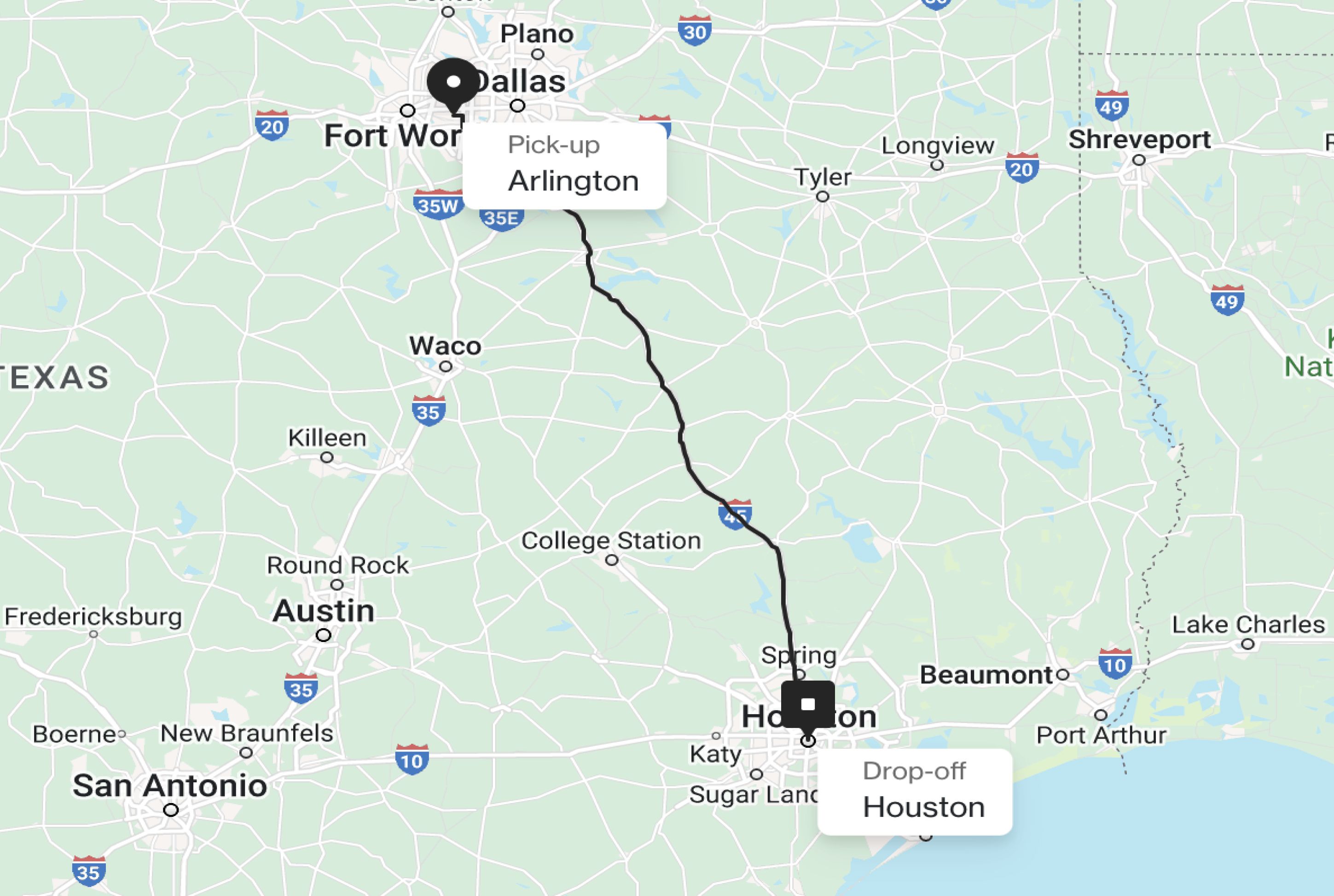
The geographical separation between Arlington and Houston is primarily measured in miles and the time it takes to traverse them. Typically, the distance between Arlington and Houston is approximately 230 to 260 miles, depending on the specific starting and ending points within each city and the chosen route. This distance translates to a driving time that can range from 3.5 to 4.5 hours, without accounting for potential traffic delays, especially when entering or exiting these major metropolitan areas.
This journey is more than just a calculation of mileage; it’s an opportunity to experience the diverse landscapes and burgeoning communities that dot the Texas map. As you venture from the Dallas-Fort Worth Metroplex, where Arlington is a prominent fixture, towards the Gulf Coast region where Houston resides, you’ll witness a gradual shift in scenery and a palpable change in atmosphere. Understanding this distance is the first step in planning your adventure, whether you’re considering a swift weekend getaway or a more leisurely exploration of the attractions along the way.
Navigating the Route: Driving Directions and Considerations
The most common and practical method of travel between Arlington and Houston is by car. This offers the utmost flexibility, allowing travelers to set their own pace, make spontaneous stops, and carry as much luggage as needed. The primary highway connecting these two cities is Interstate 45 (I-45), a major artery that runs directly from the Dallas-Fort Worth Metroplex south to Houston.
The I-45 Corridor: A Direct Path
The Interstate 45 route is the most direct and generally the quickest way to get from Arlington to Houston. Starting from Arlington, you’ll typically merge onto I-30 East, which then connects to I-45 South. As you head south on I-45, you’ll pass through several notable towns and smaller cities, each offering glimpses into Texas life beyond the major metropolises.
One of the first significant areas you’ll encounter is Corsicana, a city with a rich history in the oil and gas industry and a charming downtown area. Further along, you’ll reach Ennis, known for its annual Bluebonnet Festival, a testament to the state’s natural beauty. Continuing the drive, you’ll skirt around Huntsville, home to Sam Houston State University and the historic Sam Houston National Forest, offering opportunities for nature enthusiasts to break up the drive with a scenic detour.
As you approach Houston, traffic can significantly increase, particularly during peak commuting hours. It is advisable to check real-time traffic conditions using GPS navigation apps to anticipate delays and adjust your departure time accordingly. The final stretch into Houston can involve navigating complex highway interchanges, so staying alert and following signage is crucial. The cityscape of Houston gradually emerges, signaling your arrival in the fourth-largest city in the United States.
Alternative Routes and Scenic Byways
While I-45 remains the primary route, alternative paths exist for those seeking a different experience or looking to avoid potential traffic congestion. One such option involves utilizing U.S. Highway 290 (US-290) for a portion of the journey. This route would typically involve heading south from Arlington towards Austin and then taking US-290 East towards Houston. This is a significantly longer and more circuitous route, adding several hours to the travel time, but it does offer the opportunity to visit Austin, the vibrant state capital renowned for its live music scene and eclectic culture. This option is best suited for travelers who wish to make a multi-day trip and explore multiple Texas cities.
For those who appreciate a more pastoral experience, there are also state highways and county roads that can be pieced together to create a more scenic, albeit much slower, journey. These routes often wind through rolling hills, agricultural land, and small Texas towns, offering a more intimate connection with the state’s rural heartland. However, these are not recommended for travelers on a tight schedule or those unfamiliar with the area, as they can be less direct and require more frequent navigation.
The Distance Explained: Mileage, Time, and Travel Styles
Understanding the distance between Arlington and Houston involves more than just the raw numbers; it encompasses the variety of travel styles and the factors that influence the journey’s duration. Whether you prefer the independence of driving, the efficiency of flying, or the practicality of a bus, each option presents a unique perspective on the miles that separate these two significant Texas locales.
By Car: The Quintessential Texas Road Trip
As previously detailed, driving is the most popular mode of transport. The approximate 230-260 miles provide a substantial yet manageable road trip for most. This distance allows for a decent amount of time to enjoy the journey, perhaps stopping for a classic Texas barbecue lunch in a town like Lockhart or exploring a roadside attraction. The ability to pack and unpack at your leisure, make impromptu stops, and control your environment makes driving an attractive choice for families, groups of friends, or anyone who values freedom on the road.
The cost of driving is also a significant consideration. This includes fuel, which can fluctuate based on current prices, and potential wear and tear on your vehicle. For longer trips, or if you’re carrying a significant amount of luggage, renting a car might be an option, adding to the overall budget.
By Air: The Fastest Option for Busy Travelers
For those on a tighter schedule or looking to maximize their time at their destination, flying is the quickest way to bridge the gap between Arlington and Houston. Dallas/Fort Worth International Airport (DFW), a major hub serving Arlington, and Houston George Bush Intercontinental Airport (IAH), one of Houston‘s primary airports, offer numerous daily flights between the two cities.
The flight time itself is very short, typically around 1 hour. However, when you factor in travel time to and from the airports, check-in procedures, security screening, and baggage claim, the total door-to-door travel time can often rival or even exceed the driving time for shorter distances. Nevertheless, for travelers who are accustomed to air travel and its efficiencies, it remains a compelling option for covering the distance between Arlington and Houston.
The cost of airfare can vary significantly depending on booking in advance, the airline, and the season. While often more expensive than driving (when considering fuel and potential overnight stays), flying can be a cost-effective solution if booked strategically, especially when factoring in the time saved.
By Bus: A Budget-Friendly Alternative
For budget-conscious travelers, bus services offer a viable and often economical way to travel from Arlington to Houston. Companies like Greyhound and FlixBus operate regular routes connecting the two cities. The journey by bus typically takes longer than driving, often in the range of 4.5 to 6 hours, due to scheduled stops and varying routes.
While the travel time is longer, bus travel offers the advantage of allowing passengers to relax, read, or even catch up on work without the stress of driving. It can be an excellent option for solo travelers or those who don’t wish to rent a car at their destination. The cost is generally the lowest among the common travel methods, making it a popular choice for students and those on a strict budget.
Experiencing the Destinations: Beyond the Miles
The distance between Arlington and Houston is not merely a physical measurement but a gateway to two distinct yet equally compelling Texas experiences. While Arlington is renowned for its family-friendly attractions and entertainment venues, Houston boasts a world-class culinary scene, a rich cultural tapestry, and a vast array of historical and natural landmarks. Understanding what awaits you at each destination can help shape your travel plans and enhance your overall journey.
Arlington: Entertainment Capital of Texas
Arlington, situated conveniently within the Dallas-Fort Worth Metroplex, has carved out a significant niche as a premier destination for entertainment and recreation. Its proximity to major highways makes it an accessible city for both residents and visitors from Houston and beyond. The city is most famous for its cluster of world-class attractions, making it a magnet for families and thrill-seekers.
At the heart of Arlington‘s appeal are its major theme parks and sports venues. Six Flags Over Texas is a legendary amusement park that has been delighting visitors for decades with its thrilling roller coasters and family-friendly rides. Adjacent to Six Flags is Hurricane Harbor, a sprawling water park perfect for cooling off during the hot Texas summers.
For sports enthusiasts, Arlington is a pilgrimage site. It is home to Globe Life Field, the state-of-the-art ballpark for the Texas Rangers baseball team, and AT&T Stadium, an architectural marvel that serves as the home of the Dallas Cowboys football team. These venues not only host sporting events but also attract major concerts and other large-scale entertainment productions, showcasing Arlington‘s capacity to host significant gatherings.
Beyond the major attractions, Arlington offers a pleasant lifestyle with a growing culinary scene, numerous parks, and a generally family-oriented atmosphere. It provides a slightly more relaxed pace than its larger metropolitan neighbors, yet with all the amenities and activities one could desire for a memorable stay.

Houston: A Metropolis of Culture and Cuisine
Houston, on the other hand, is a sprawling, diverse metropolis that offers a different, yet equally enriching, travel experience. As Texas‘s largest city and a global center for the energy industry, Houston is a melting pot of cultures, cuisines, and creative endeavors. The distance from Arlington positions it as a significant urban destination, easily reachable for a change of scenery and a taste of big-city life.
Houston‘s attractions are vast and varied. The Museum District is a particular highlight, boasting eleven institutions including the Museum of Fine Arts Houston and the Houston Museum of Natural Science, which houses a renowned dinosaur exhibit and a butterfly center. For space exploration buffs, the Space Center Houston, the official visitor center of NASA Johnson Space Center, offers an immersive look into the history and future of space travel, a truly iconic Texas landmark.
The city’s culinary landscape is a major draw, with a reputation for being one of the most exciting and diverse food scenes in the United States. From authentic Tex-Mex and traditional Southern comfort food to innovative global cuisine, Houston offers an unparalleled gastronomic adventure. Neighborhoods like Montrose and Midtown are particularly known for their vibrant restaurant and bar scenes.
Houston also boasts significant landmarks such as the Buffalo Bayou Park, offering stunning city views and recreational opportunities, and the historic Market Square Park. The city’s extensive green spaces, coupled with its impressive architectural achievements, paint a picture of a dynamic and evolving urban environment. Whether you’re seeking cultural immersion, culinary delights, or a deeper understanding of America‘s space program, Houston delivers a robust and fulfilling travel experience.