
The vibrant state of Florida is a treasure trove of diverse experiences, from the whimsical magic of theme parks to the sun-drenched shores of the Gulf Coast. Two of its most popular urban centers, Orlando and Tampa, offer distinct yet complementary attractions that draw millions of visitors each year. For many travelers, a visit to one necessitates exploring the other, making the question of distance between these two exciting cities a crucial piece of planning. So, how far is it from Orlando to Tampa?
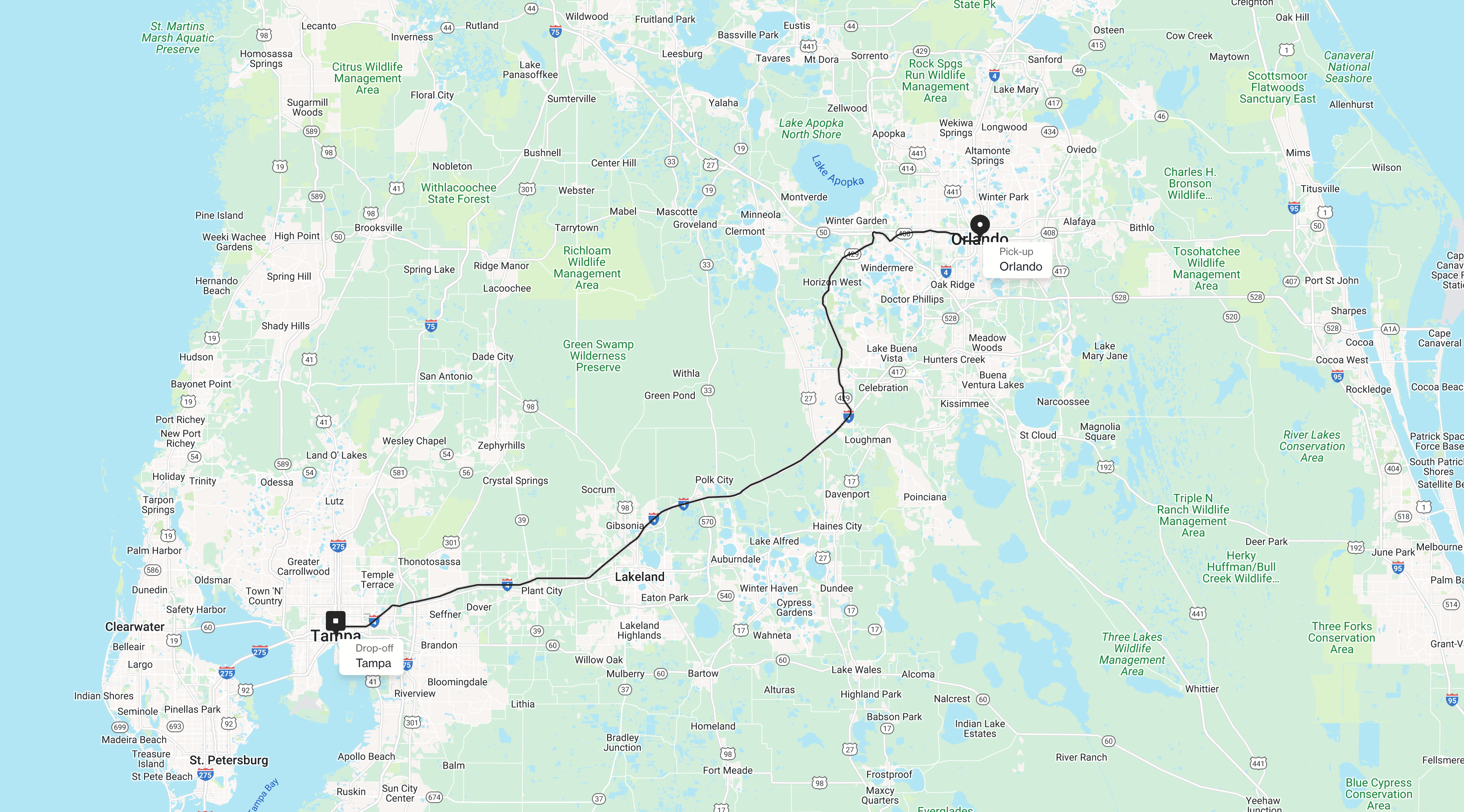
The direct distance between Orlando and Tampa is approximately 85 miles (about 137 kilometers) when measured as the crow flies. However, in the realm of travel, the “how far” question almost always translates to “how long will it take to get there” and “what are the best ways to travel.” The answer to these practical considerations depends largely on your chosen mode of transportation, traffic conditions, and any stops you might make along the way. This journey is a popular corridor for day trips and multi-destination vacations, connecting world-class entertainment with stunning coastal beauty.

Understanding the Orlando to Tampa Corridor
The stretch of highway connecting Orlando and Tampa is a significant artery within central Florida. This route is primarily serviced by the Florida’s Turnpike and Interstate 4 (I-4). I-4 is the main highway that directly links the two metropolitan areas, traversing through the heart of the state. The landscape along this route is a classic central Florida panorama, featuring a mix of rolling hills, citrus groves (though fewer than in the past), and increasingly, suburban development.
Driving Options and Time Estimates
Driving is by far the most common and flexible way to travel between Orlando and Tampa. The most direct route involves taking I-4 west from Orlando.
The Direct Drive via I-4
Under ideal conditions, without significant traffic, the drive from Orlando to Tampa typically takes between 1 hour and 15 minutes to 1 hour and 45 minutes. This estimate is based on a consistent speed limit of 70 mph on most stretches of I-4. However, “ideal conditions” are a rare commodity on this heavily trafficked route, especially during peak hours.
- Peak Travel Times: If you are traveling during typical rush hours – generally weekdays between 7:00 AM and 9:00 AM, and again between 4:00 PM and 6:30 PM – you can expect the travel time to increase significantly. Delays of 30 minutes to an hour, or even more, are not uncommon. Weekend afternoons, especially on Sundays as people return from trips, can also see substantial congestion.
- Tolls: While I-4 itself is a toll-free interstate, the Florida’s Turnpike can be an alternative or supplementary route depending on your starting and ending points within Orlando or Tampa. Using parts of the Turnpike will incur tolls. It’s advisable to have a SunPass or other transponder for seamless travel and potential cost savings, as cash toll booths are increasingly rare.
- Factors Affecting Travel Time: Beyond rush hour traffic, other elements can impact your journey. Construction projects on I-4 are frequent and can cause significant slowdowns. Accidents, though unpredictable, can bring traffic to a complete standstill. Weather, particularly during the Florida hurricane season with its heavy rains and potential for flooding, can also lead to delays.
Scenic Detours and Stops
While the direct drive is efficient for reaching your destination, there are opportunities to break up the journey and experience more of central Florida.
- Lakeland: Located roughly halfway between Orlando and Tampa, Lakeland offers a pleasant respite. It’s known for its beautiful Chain of Lakes and the historic Munn Park. You can also visit the Hollis Garden or admire the winter home of the Detroit Tigers in the J.D. Lewis Field at TigerTown if you’re visiting during spring training.
- Winter Haven: Further south of the direct I-4 route, but accessible with a slight detour, is Winter Haven, known as the “Water Ski Capital of the World.” It’s also home to the original LEGOLAND Florida Resort, making it a potential stop for families.
- Plant City: Famous for its annual Florida Strawberry Festival, Plant City offers a taste of agricultural Florida and is a great spot for strawberry-themed treats depending on the season.
Adding these stops will naturally extend your travel time, transforming a quick transfer into a mini-road trip.
Alternative Transportation Options
While driving is prevalent, other transportation methods connect Orlando and Tampa, offering different advantages.
Bus Services
Several intercity bus companies operate routes between Orlando and Tampa. Companies like Greyhound and Megabus offer services that can be more economical than driving, especially for solo travelers or those not wanting the hassle of parking.
- Travel Time: Bus journeys typically take longer than driving directly, often ranging from 2 to 3 hours, depending on the number of stops and traffic conditions.
- Stations: Buses usually depart from Orlando’s International Drive or downtown bus terminals and arrive at various points in Tampa, including downtown or near University of South Florida.
- Pros: Cost-effective, allows you to relax and avoid driving stress.
- Cons: Less flexibility, longer travel time, can be less comfortable for some.
Ride-Sharing Services
Services like Uber and Lyft are readily available in both Orlando and Tampa. You can book a ride from your hotel in Orlando directly to your accommodation in Tampa.
- Cost: This option can be more expensive than a bus but generally cheaper than renting a car for the entire trip if you’re only traveling one way. Prices fluctuate based on demand and time of day.
- Convenience: It offers door-to-door service, much like a private car.
- Travel Time: Similar to driving yourself, the travel time will depend heavily on traffic, typically around 1.5 to 2 hours.
Train Services
Currently, there are no direct passenger train services connecting Orlando and Tampa. While Amtrak operates in both cities, a direct route is not available, making it an impractical option for this specific journey. Future high-speed rail projects are being discussed in Florida, but they are not yet operational for this corridor.
Planning Your Orlando to Tampa Itinerary
Whether you’re heading to Tampa for a day trip or a longer stay, understanding the travel time and options is key to maximizing your experience.
Day Trips from Orlando to Tampa
A day trip from Orlando to Tampa is entirely feasible, though it requires careful planning to make the most of your limited time.
- Morning Departure: Aim to leave Orlando as early as possible, ideally before 7:00 AM, to beat the worst of the morning rush hour.
- Key Attractions in Tampa: Prioritize your must-see attractions in Tampa. For many, this includes a visit to the world-renowned Busch Gardens Tampa Bay, a theme park and zoological institution. Alternatively, you might be interested in exploring the historic Ybor City district, known for its Cuban heritage, cigar shops, and vibrant nightlife. The Florida Aquarium on the waterfront is another excellent option for families.
- Afternoon Return: Plan your departure from Tampa to avoid the peak evening commute back to Orlando. Leaving by 3:00 PM or waiting until after 7:00 PM can help you avoid the worst traffic.
- Flexibility: Be prepared for the possibility of delays. If you have a fixed engagement in Orlando that evening, building in a significant buffer is essential.
Extended Stays and Accommodation
If your visit to Tampa is for more than a day, you have a wealth of accommodation options.
Hotel Choices in Tampa
Tampa offers a diverse range of hotels to suit every budget and travel style, from luxury resorts to budget-friendly inns.
- Downtown Tampa: Ideal for business travelers and those interested in cultural attractions, museums, and dining. Hotels like the JW Marriott Tampa Water Street or the Tampa Marriott Water Street offer premium experiences.
- Waterfront and Beach Areas: For a more resort-like feel, consider areas near Tampa Bay or the nearby barrier islands. Clearwater Beach and St. Pete Beach, though technically in Pinellas County, are easily accessible from Tampa and offer stunning Gulf Coast views and relaxation. The Opal Sands Resort in Clearwater Beach is a popular choice.
- Near Attractions: If your primary reason for visiting is Busch Gardens, you’ll find numerous hotels clustered around that area. Similarly, if you’re exploring Ybor City, staying in or near that historic district offers immersion.
Vacation Rentals and Apartments
For longer stays, families, or those seeking a more local experience, vacation rentals and apartments are excellent alternatives. Platforms like Airbnb and VRBO offer a wide selection in neighborhoods across Tampa, from chic downtown lofts to family-friendly homes in the suburbs. These options often provide more space, kitchens, and amenities like private pools, making them ideal for budget travel or extended tourism.
In conclusion, the distance from Orlando to Tampa is relatively short, but the travel time can vary significantly. Whether you choose the flexibility of a car, the economy of a bus, or the convenience of a ride-share, understanding the route and potential delays will ensure your journey is as smooth as possible, allowing you to fully enjoy the diverse offerings of both these fantastic Florida cities.
LifeOutOfTheBox is a participant in the Amazon Services LLC Associates Program, an affiliate advertising program designed to provide a means for sites to earn advertising fees by advertising and linking to Amazon.com. Amazon, the Amazon logo, AmazonSupply, and the AmazonSupply logo are trademarks of Amazon.com, Inc. or its affiliates. As an Amazon Associate we earn affiliate commissions from qualifying purchases.