
Embarking on a journey from Denver, Colorado’s vibrant capital, to the luxurious mountain haven of Aspen is an adventure that promises breathtaking scenery, thrilling experiences, and unforgettable memories. Often considered the pinnacle of Colorado’s ski resorts and a year-round hub for outdoor enthusiasts and culture seekers, Aspen draws visitors from around the globe. But for those starting their journey in the Mile High City, the fundamental question often arises: “How far is Aspen from Denver?”
This comprehensive guide will not only detail the distance and travel time but also explore the myriad transportation options, highlight the scenic routes, and provide an insightful glimpse into the unparalleled attractions, accommodation, and lifestyle experiences that await you in Aspen. Whether you’re planning a quick weekend getaway, a luxurious ski trip, or a leisurely summer escape, understanding the journey is the first step to an incredible Colorado adventure.

The Distance Between Denver and Aspen
The geographical distance between Denver and Aspen is a pivotal piece of information for any traveler. While a direct line might seem short on a map, the reality of traversing the majestic Rocky Mountains means a journey filled with winding roads and dramatic elevation changes.
By Road: A Scenic Mountain Drive
The most common and picturesque way to travel from Denver to Aspen is by car. The driving distance typically spans around 160 to 200 miles (257 to 322 kilometers), depending on the specific route taken and the time of year.
- Via I-70 and CO-82 (Most Common Route): This route covers approximately 160-170 miles and usually takes between 3.5 to 4.5 hours under ideal driving conditions. However, this is a conservative estimate. Factors such as traffic, especially on Interstate 70 (I-70) during peak ski season weekends or summer holidays, construction, and adverse weather conditions (snow, ice, heavy rain) can significantly extend travel times, sometimes adding several hours to the journey.
- Via I-70 and Independence Pass (Seasonal Route): This alternative route is slightly shorter in mileage, around 160 miles, but often takes longer due to its challenging terrain. It’s also only open seasonally, typically from late May or early June until late October or early November, depending on snowpack. This route, while incredibly scenic, is not recommended for those in a hurry or unfamiliar with mountain driving.
By Air: Quick and Convenient
For those prioritizing speed and convenience, flying directly to Aspen is an option. Flights from Denver International Airport (DIA) to Aspen/Pitkin County Airport (ASE) cover an aerial distance of approximately 100 miles (161 kilometers). The actual flight time is remarkably short, usually around 35-45 minutes. While the flight itself is brief, travelers should factor in time for check-in, security, potential layovers (though direct flights are common), and ground transportation to and from the airports.
Navigating Your Journey: Transportation Options
Choosing the right mode of transportation largely depends on your budget, time constraints, comfort preferences, and the overall experience you desire. Each option offers a unique way to bridge the distance between Denver and Aspen.
Driving: The Most Popular Choice
Driving yourself or carpooling is, without a doubt, the most flexible and popular way to reach Aspen from Denver. It offers the freedom to stop at picturesque overlooks, charming mountain towns, or for a meal whenever you wish.
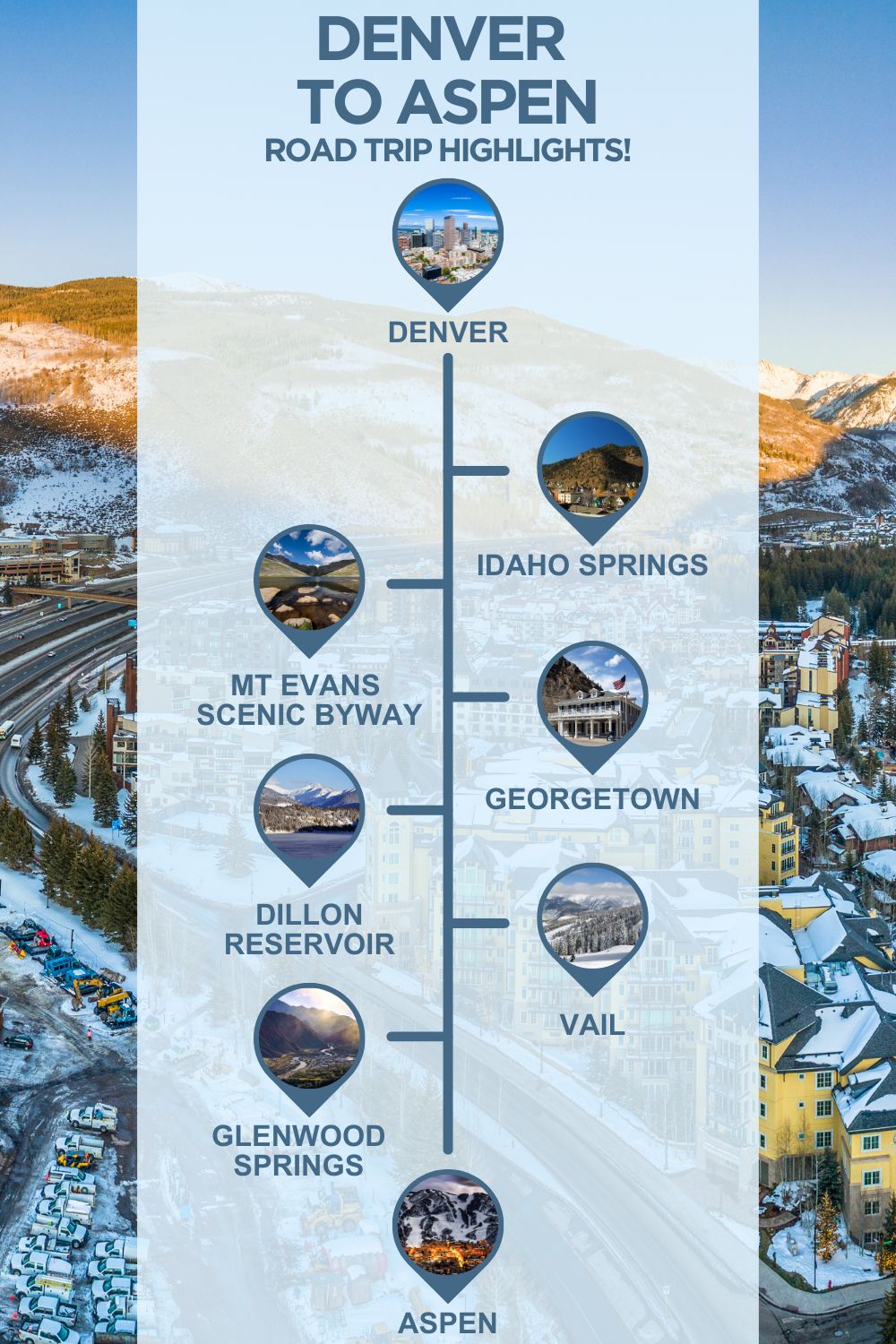
- The I-70 West Route: This is the primary artery for mountain travel in Colorado. You’ll head west on I-70, passing through several popular ski resort areas like Vail and Breckenridge (via Frisco). The drive involves crossing the Continental Divide through the Eisenhower Tunnel, a significant engineering marvel. After Glenwood Springs, you’ll take Exit 116 for CO-82 East, which leads directly to Aspen. This segment through Glenwood Canyon is particularly renowned for its dramatic cliffs and the Colorado River winding below.
- Tips for Driving I-70: Always check weather and road conditions (via COTrip.org or local news) before departing, especially in winter. Weekday travel outside of rush hours is ideal to avoid heavy traffic. Four-wheel drive or all-wheel drive vehicles with appropriate tires are highly recommended during colder months.
- Independence Pass (CO-82 East) – A Seasonal Alternative: For a truly spectacular drive in summer and early fall, taking Independence Pass offers unparalleled views. Instead of going all the way to Glenwood Springs, you’d exit I-70 at Leadville or Twin Lakes and take CO-82 West over the pass. This route climbs to an elevation of 12,095 feet (3,687 meters), featuring tight turns, steep grades, and narrow sections. It’s not suitable for large RVs or trailers and requires careful driving. The views of alpine lakes, meadows, and the surrounding peaks make it a memorable journey for those seeking adventure and natural beauty.
Public Transportation: Bus and Train Alternatives
For travelers who prefer not to drive or fly, public transportation offers a more budget-friendly and often stress-free option.
- Bus Services:
- Bustang & Snowstang: Colorado’s Bustang service provides interregional bus routes, connecting Denver to various mountain towns. While there isn’t a direct Bustang route all the way to Aspen, you can take a Bustang west to Glenwood Springs. From Glenwood Springs, the Roaring Fork Transportation Authority (RFTA) provides extensive local bus service directly to Aspen. During winter, the seasonal Snowstang service offers direct routes from Denver to select ski resorts, though not typically direct to Aspen, making the Glenwood Springs transfer the most reliable bus option.
- Train (Amtrak): Amtrak’s scenic California Zephyr train runs from Denver’s Union Station through the Glenwood Canyon to Glenwood Springs. This train journey is renowned for its incredible views, particularly through the canyons. Once in Glenwood Springs, you would again transfer to the RFTA bus service for the final leg to Aspen. While slower, it offers a unique and relaxing way to experience the Colorado landscape.
Flying: The Fastest Route
For those with limited time or a desire for ultimate convenience, flying directly into Aspen is the quickest option.
- Denver International Airport (DIA) to Aspen/Pitkin County Airport (ASE): Denver International Airport (DIA) serves as a major hub with numerous daily flights to Aspen/Pitkin County Airport (ASE). Major airlines such as United Airlines, American Airlines, and Delta Airlines typically offer direct routes, especially during peak seasons. The flight is short, providing stunning aerial views of the Rocky Mountains.
- Considerations: ASE is a smaller airport and can experience delays or cancellations due to weather conditions, particularly snow, which can impact flights more frequently than at larger airports. It’s also worth noting that flights to Aspen can be more expensive than flying into Denver and driving.
Private Shuttles and Car Services

For a seamless, comfortable, and often luxurious door-to-door experience, numerous private shuttle and car services operate between Denver (including DIA) and Aspen. Companies offer vehicles ranging from shared vans to private SUVs and luxury sedans. This option is ideal for groups, families with lots of luggage, or those who prefer to relax and let someone else handle the mountain driving. While generally more expensive than public transport or driving yourself, the convenience and comfort can be well worth the cost, especially after a long flight or for those unfamiliar with mountain roads.
Beyond the Journey: What Awaits You in Aspen
Once you’ve successfully navigated the journey from Denver, Aspen welcomes you with an abundance of activities, world-class amenities, and a captivating blend of outdoor adventure and high-end culture.
Winter Wonderland: Skiing and Snowboarding
Aspen is globally synonymous with premier winter sports. The town boasts access to four distinct mountains, collectively known as Aspen Snowmass, each offering a unique skiing and snowboarding experience:
- Snowmass: The largest of the four, Snowmass Village offers extensive terrain for all skill levels, from gentle beginner slopes to challenging expert runs, along with a lively village atmosphere.
- Aspen Mountain (Ajax): Located directly above downtown Aspen, Ajax Mountain is known for its challenging, expert-only terrain and stunning views of the town and surrounding peaks.
- Aspen Highlands: Favored by locals for its extreme terrain, particularly the legendary Highlands Bowl, Aspen Highlands also offers fantastic intermediate runs and breathtaking scenery.
- Buttermilk: Often considered the ideal mountain for beginners, families, and terrain park enthusiasts, Buttermilk hosts the Winter X Games annually.
Beyond skiing and snowboarding, winter in Aspen also offers opportunities for cross-country skiing, snowshoeing, ice skating, snowmobiling, and even dog sledding.
Summer and Fall Adventures: Hiking, Biking, and More
Aspen’s appeal extends far beyond winter. The warmer months transform the snowy slopes into lush green landscapes, perfect for a different kind of adventure.
- Hiking and Biking: The area is a paradise for hikers and mountain bikers, with trails ranging from easy strolls to strenuous climbs. The iconic Maroon Bells Scenic Area, often cited as one of the most photographed places in Colorado, offers stunning reflection views and access to various trails. Other popular spots include the Rio Grande Trail, perfect for leisurely biking or walking, and trails around Independence Pass Scenic Byway.
- Water Sports: The Roaring Fork River and its tributaries provide excellent opportunities for fly fishing, white-water rafting, and kayaking.
- Golf and Relaxation: Several world-class golf courses are nestled amidst the mountain scenery, offering a unique golfing experience. For relaxation, visitors can enjoy spa treatments or simply unwind amidst the serene natural beauty.
- Fall Foliage: The autumn months (late September to early October) are particularly magical, as the aspen trees turn brilliant shades of gold, creating a spectacular display of fall foliage that draws visitors specifically for leaf-peeping tours.
Cultural Immersion and Culinary Delights
Aspen isn’t just about outdoor recreation; it’s also a thriving cultural hub with a sophisticated arts scene and exceptional dining.
- Arts and Culture: Explore the Aspen Art Museum, which showcases contemporary art, or catch a performance at the historic Wheeler Opera House. The Aspen Music Festival and School draws renowned musicians and students, offering concerts throughout the summer. The John Denver Sanctuary, a peaceful park dedicated to the late singer, offers a serene spot for reflection.
- Shopping: Downtown Aspen is famous for its high-end boutiques, art galleries, and designer shops, offering a luxury shopping experience.
- Dining: From casual cafes to Michelin-starred restaurants, Aspen’s culinary scene is diverse and exquisite. Enjoy farm-to-table cuisine, international flavors, and cozy mountain eateries.
- Events and Festivals: Throughout the year, Aspen hosts a variety of events, including food and wine festivals, film festivals, and cultural celebrations, adding to its vibrant atmosphere.
Planning Your Stay: Accommodation and Tips
To make the most of your Aspen experience, careful planning, especially regarding accommodation and local tips, is essential.
Where to Stay: Hotels, Resorts, and Vacation Rentals
Aspen offers a wide spectrum of accommodation options, catering to various budgets and preferences, from ultra-luxury resorts to more modest lodgings and vacation rentals.
- Luxury Hotels and Resorts: For a lavish stay, Aspen is home to several world-renowned luxury properties like The Little Nell, Hotel Jerome, and St. Regis Aspen Resort. These often boast ski-in/ski-out access, gourmet dining, extensive spa services, and unparalleled amenities, making them perfect for a decadent escape.
- Boutique Hotels and Inns: Numerous charming boutique hotels and inns offer a more intimate and personalized experience, often blending historic charm with modern comforts.
- Vacation Rentals and Condos: For families, groups, or those planning a longer stay, vacation rentals, apartments, and condos are an excellent choice. Many offer fully equipped kitchens, multiple bedrooms, and living areas, providing a home-away-from-home feel. Websites and local agencies specialize in these types of accommodations, especially in Snowmass Village and around Aspen itself.
- Budget-Friendly Options: While Aspen has a reputation for luxury, some more budget-friendly hotels or motels are available, particularly outside the immediate downtown area or in neighboring towns like Basalt or Carbondale, which are still accessible via the efficient RFTA bus system.
Booking Advice: Aspen is a popular destination, especially during peak ski season (December to March) and summer (July to August). It is highly recommended to book your accommodation well in advance, ideally several months ahead, to secure your preferred options and potentially better rates. Comparison websites can help, but sometimes booking directly with the property or a local rental agency can offer specific perks.
Essential Travel Tips for Your Aspen Trip
- Best Time to Visit:
- Winter (December-March): Ideal for skiing and snowboarding. Expect cold temperatures and snow.
- Summer (June-August): Perfect for hiking, biking, and cultural events. Mild temperatures and sunshine.
- Fall (September-October): Stunning fall foliage and pleasant weather, great for scenic drives and fewer crowds.
- Spring (April-May): Known as “mud season,” this is the shoulder season with fewer visitors and potentially lower prices, though many activities are limited.
- Altitude Sickness: Aspen sits at an elevation of 7,908 feet (2,410 meters). Many visitors, especially those coming from sea level, experience symptoms of altitude sickness. Drink plenty of water, avoid excessive alcohol and caffeine, and take it easy for the first day or two.
- Packing: Layering is key, regardless of the season, as mountain weather can change rapidly. In winter, bring warm, waterproof clothing. In summer, include sun protection, rain gear, and sturdy hiking shoes.
- Local Transportation in Aspen: Once in Aspen, the local RFTA bus system is excellent and often free within town and to the different ski mountains. This makes having a car less necessary once you’ve arrived, especially if your accommodation is centrally located.
The journey from Denver to Aspen, whether by a scenic drive, a quick flight, or a comfortable bus, is an integral part of the adventure. While the distance might seem substantial, the efficient transportation networks and the promise of Aspen’s unparalleled beauty and activities make every mile worthwhile. Prepare for an unforgettable escape into the heart of the Rocky Mountains, where luxury, adventure, and natural splendor converge.
LifeOutOfTheBox is a participant in the Amazon Services LLC Associates Program, an affiliate advertising program designed to provide a means for sites to earn advertising fees by advertising and linking to Amazon.com. Amazon, the Amazon logo, AmazonSupply, and the AmazonSupply logo are trademarks of Amazon.com, Inc. or its affiliates. As an Amazon Associate we earn affiliate commissions from qualifying purchases.