
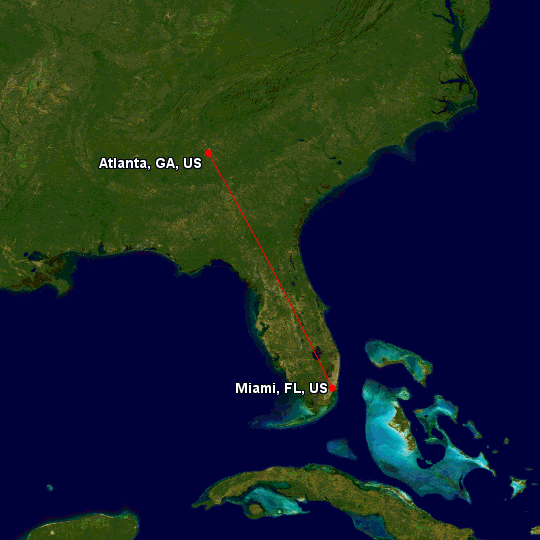
The allure of a road trip often sparks curiosity about the distances between iconic American cities. For many, the journey from the vibrant metropolis of Atlanta to the sun-drenched beaches of Miami, Florida is a quintessential Southern excursion. Understanding this distance is crucial for planning, whether you’re seeking a quick weekend getaway or embarking on a more extended adventure. This exploration delves into the specifics of this popular route, covering driving distances, estimated travel times, and the scenic and practical considerations that shape the experience.
The Direct Route: Driving Distance and Time
The most direct and commonly traveled route between Atlanta and Miami, Florida primarily utilizes Interstate 75 (I-75) for a significant portion of the journey. This major highway offers a generally efficient path, characterized by good road conditions and ample services.

Distance Breakdown
The total driving distance from Atlanta to Miami, Florida hovers around 660 to 700 miles, depending on the precise starting and ending points within each city and the specific GPS routing. This mileage places it firmly in the category of a long-distance drive, one that requires careful planning to execute safely and comfortably. For context, this is comparable to driving from New York City to Chicago, highlighting its substantial length.
Estimated Travel Time
When driving directly, without accounting for significant traffic delays or extended stops, the estimated travel time is typically between 9.5 and 11 hours. This figure assumes adherence to speed limits and minimal disruptions. However, several factors can influence this estimate:
- Traffic Congestion: Both Atlanta and Miami, Florida are major metropolitan areas, and their surrounding expressways can experience heavy traffic, particularly during peak commuting hours, holidays, and weekends. I-75 itself can become congested as it approaches cities like Tampa or enters the Miami, Florida metropolitan area.
- Road Construction: Construction projects are a common reality on major interstates and can lead to unexpected delays and detours. It’s advisable to check real-time traffic apps for current conditions.
- Weather Conditions: While Florida generally experiences favorable driving weather, severe thunderstorms, especially during the summer months, can impact visibility and speed. Similarly, fog can be an issue in certain areas during cooler months.
- Stops for Rest and Refueling: The 9.5 to 11-hour estimate is for continuous driving. In reality, essential stops for fuel, meals, and rest breaks are imperative for safety. A typical journey will likely extend to 11-13 hours when factoring in these necessities.
Strategic Planning for Your Drive
Embarking on a nearly 700-mile drive requires more than just a full tank of gas and a playlist. Strategic planning can transform a potentially arduous journey into an enjoyable part of your travel experience. This involves considering overnight stops, alternative routes, and essential preparations.
The Overnight Stop Strategy
For many travelers, breaking the journey into two days is the most sensible and enjoyable approach. This allows for a more relaxed pace and the opportunity to experience points of interest along the way.
- Midway Points: A common and practical midway point for an overnight stay is the central Florida region. Cities like Orlando or Tampa offer numerous accommodation options and attractions, making them ideal resting spots.
- Orlando: Known for its theme parks like Walt Disney World Resort and Universal Orlando Resort, Orlando provides entertainment options for a brief respite. Numerous hotels, from budget-friendly motels to luxury resorts, are available.
- Tampa: Situated on the west coast of Florida, Tampa offers a different vibe with its historic Ybor City, vibrant downtown area, and attractions like Busch Gardens Tampa Bay. The selection of hotels here is also extensive.
- Advantages of an Overnight Stop:
- Reduced Fatigue: Breaking the drive significantly reduces driver fatigue, enhancing safety and overall well-being.
- Exploration Opportunities: It allows for a brief exploration of a city or region you might otherwise only pass through.
- More Enjoyable Pace: The journey itself becomes less of a race against time and more a part of the overall travel experience.
Alternative Routes and Scenic Considerations
While I-75 is the most direct, alternative routes can offer different experiences, though often at the cost of time.
- The Coastal Route (via US-17 and I-95): For those seeking a more scenic, albeit longer, journey, venturing towards the Florida coast offers a different perspective. This might involve taking routes like US-17 south from Atlanta and then connecting to Interstate 95 (I-95) further south, eventually leading towards Miami, Florida.
- Pros: This route passes through charming coastal towns and offers glimpses of the Atlantic Ocean. It allows for potential stops in cities like Savannah, Georgia or those along Florida’s eastern coast.
- Cons: This route is significantly longer, potentially adding several hours to the total driving time, and may involve more local roads and varied traffic conditions.
- The Panhandle Connection (Less Direct): While technically possible, taking a route through Florida’s Panhandle would be considerably longer and less efficient for reaching Miami, Florida from Atlanta. This is generally not a recommended option for direct travel between these two cities.
Beyond the Drive: Other Travel Options
For those who prefer not to drive the entire distance, or for those seeking different travel experiences, alternative modes of transportation are available, each with its own set of advantages.

Air Travel: The Fastest Option
The quickest way to get from Atlanta to Miami, Florida is by air.
- Flight Duration: Direct flights from Hartsfield-Jackson Atlanta International Airport (ATL) to Miami International Airport (MIA) typically last between 2 and 2.5 hours.
- Convenience: This is the ideal choice for travelers with limited time or those who dislike long drives. Major airlines like Delta Air Lines, American Airlines, and Spirit Airlines offer frequent daily flights.
- Considerations: While the flight itself is short, travelers must factor in time for travel to and from airports, check-in procedures, security screening, and potential flight delays. The total door-to-door time can often approach that of a driving day, especially when factoring in the time spent at the airport.
Bus Travel: A Budget-Friendly Choice
For budget-conscious travelers, bus services offer a more economical way to cover the distance between Atlanta and Miami, Florida.
- Providers: Companies such as Greyhound and FlixBus operate routes on this corridor.
- Travel Time: Bus journeys are considerably longer than driving or flying, typically ranging from 13 to 18 hours, depending on the route, number of stops, and potential layovers.
- Advantages: The primary advantage is cost savings. Buses also offer the opportunity to relax, read, or work during the journey without the stress of driving.
- Disadvantages: The extended travel time can be taxing, and onboard amenities may vary. Stops are frequent, and the overall experience is less flexible than driving.
Train Travel: A Relaxing Alternative
While not as direct or as frequent as flights or buses, train travel presents a unique and often relaxing option for traversing the distance.
- Amtrak Services: Amtrak offers routes that connect Atlanta to Miami, Florida, though it typically involves transfers and can take a significant amount of time.
- Journey Duration: The train journey is generally the longest of all options, often exceeding 20 hours and sometimes extending over 24 hours, depending on the specific itinerary and connections.
- Experience: Train travel allows passengers to move around, enjoy scenic views from larger windows, and dine in a dining car. It can be a more comfortable and less cramped experience than bus travel.
- Considerations: The time commitment is substantial, and the cost can sometimes rival that of flying, especially if booking sleeper accommodations. This option is best suited for travelers who prioritize the journey itself and have ample time.
Essential Preparations for Your Trip
Regardless of your chosen mode of transportation, proper preparation is key to a successful and enjoyable trip from Atlanta to Miami, Florida.
Vehicle Check (for Drivers)
If you opt for a road trip, ensuring your vehicle is in optimal condition is paramount.
- Tires: Check tire pressure and tread depth. Ensure they are properly inflated for optimal fuel efficiency and safety.
- Fluids: Verify all fluid levels, including engine oil, coolant, brake fluid, and windshield washer fluid.
- Brakes: Have your brakes inspected to ensure they are in good working order.
- Battery: Test your battery, especially if it’s older, to avoid unexpected failures.
- Emergency Kit: Pack a basic emergency kit, including jumper cables, a first-aid kit, a flashlight, water, non-perishable snacks, and any necessary tools.
Packing Essentials
- Comfortable Clothing: Pack layers to adapt to varying temperatures. Even in Florida, evenings can be cooler.
- Sun Protection: Sunscreen, hats, and sunglasses are essential for enjoying the Miami, Florida sunshine.
- Entertainment: Books, podcasts, audiobooks, or downloaded playlists are crucial for long drives or journeys.
- Navigation Tools: While GPS is standard, consider having a physical map as a backup.
- Snacks and Drinks: Carrying your own can save money and time on the road.
Booking and Logistics
- Accommodation: If you plan an overnight stop, book your hotel in advance, especially during peak seasons or holidays.
- Flight/Bus/Train Tickets: Purchase tickets ahead of time to secure better prices and availability.
- Itinerary: Have a general idea of your route and any planned stops, but remain flexible enough to adapt to unexpected circumstances.
The journey from Atlanta to Miami, Florida is a significant undertaking, offering a transition from the rolling hills of Georgia to the subtropical vibrance of South Florida. Whether you choose the open road, the swiftness of air travel, or the economic approach of bus travel, understanding the distances and planning accordingly will ensure a smooth and memorable voyage to the shores of the Sunshine State.
LifeOutOfTheBox is a participant in the Amazon Services LLC Associates Program, an affiliate advertising program designed to provide a means for sites to earn advertising fees by advertising and linking to Amazon.com. Amazon, the Amazon logo, AmazonSupply, and the AmazonSupply logo are trademarks of Amazon.com, Inc. or its affiliates. As an Amazon Associate we earn affiliate commissions from qualifying purchases.