
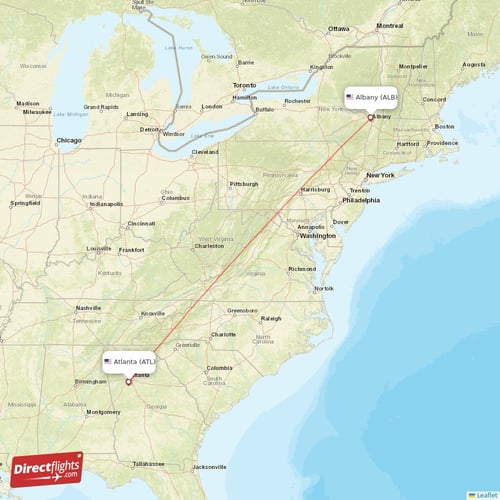
The corridor between Atlanta and New York serves as one of the most vital arteries for aviation in the United States. Whether you are traveling for a high-stakes business meeting in Manhattan or heading to the southern hub of Georgia for a weekend getaway, understanding the logistics of this flight is essential. Spanning approximately 750 to 800 miles depending on the specific route and atmospheric conditions, this journey is surprisingly swift, connecting two of the most influential urban centers in the country.
Flight Duration and Technical Realities
When passengers ask about the distance between these two cities, they are usually more concerned with time than raw mileage. Under normal operating conditions, a flight from Hartsfield-Jackson Atlanta International Airport to John F. Kennedy International Airport or LaGuardia Airport typically takes between two hours and two hours and thirty minutes in the air.
Understanding Block Time
Airlines often quote “block time,” which includes taxiing, takeoff, and landing procedures. While the actual time spent cruising at 30,000 feet might only be about 90 to 105 minutes, the total time from gate to gate is usually closer to two hours and fifteen minutes. Factors like air traffic control delays—common at busy hubs like Newark Liberty International Airport—can extend this duration.
Factors Influencing Speed
Several variables dictate how quickly you arrive at your destination:
- Jet Streams: Prevailing winds can either act as a tailwind, pushing the aircraft faster, or a headwind, which necessitates more fuel and time.
- Flight Path: Pilots may adjust their trajectory to avoid turbulent weather systems or heavy commercial traffic lanes over the East Coast.
- Airport Congestion: New York airspace is notoriously complex. Even if the flight is short, your aircraft may enter a holding pattern, effectively adding time to your journey despite the relatively short physical distance.
Choosing Your Gateway: Airport Comparisons
Selecting the right airport in the New York City area can significantly impact the ease of your trip. While Atlanta is served by one massive, efficient mega-hub, the metropolitan area of New York offers three distinct options, each with its own advantages.
LaGuardia vs. JFK vs. Newark
LaGuardia Airport is often the preferred choice for business travelers headed into the heart of Queens or Manhattan due to its closer proximity. However, it is prone to extreme congestion. John F. Kennedy International Airport remains the primary international gateway, often offering the most frequent service and wider variety of aircraft types on this route.
For those traveling to the western side of the metropolitan area or into New Jersey, Newark Liberty International Airport provides excellent rail connectivity via NJ Transit to Penn Station. When choosing your flight, consider not just the ticket price, but the cost and time of ground transportation required to reach your final destination once you touch down.
The Onboard Experience and Scheduling
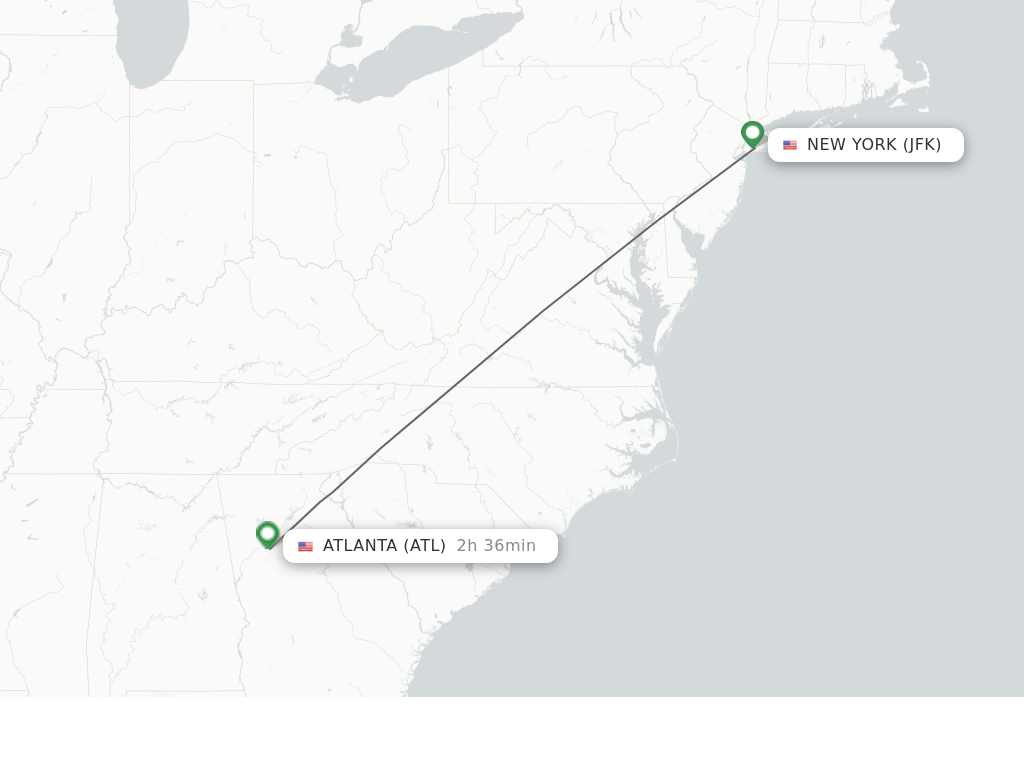
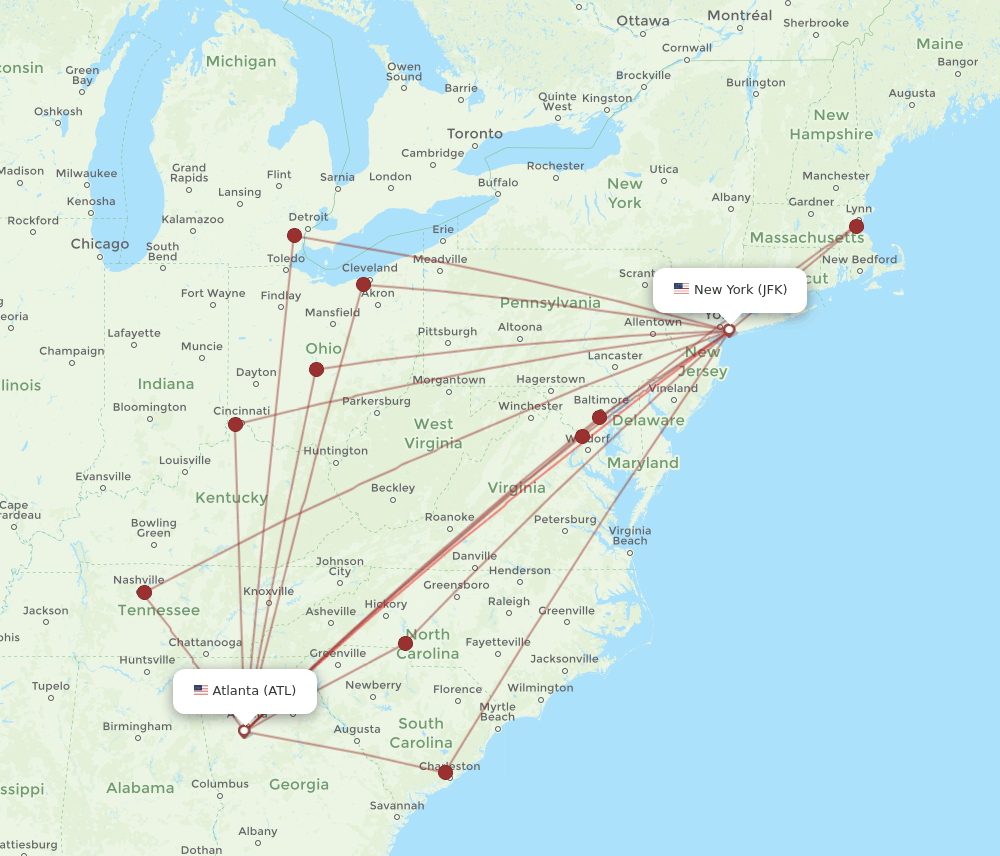
Because this is a short-haul flight in the context of major domestic travel, the onboard experience is characterized by efficiency. Major carriers such as Delta Air Lines, American Airlines, and JetBlue operate frequent shuttles between these hubs.
Service Expectations
Given the short duration, don’t expect a full meal service in economy class. Most airlines offer complimentary beverages and light snacks. If you are flying in a premium cabin, you might enjoy a more substantial snack box or a light lunch depending on the time of day. The focus on this route is frequency rather than luxury amenities. With flights departing nearly every hour, travelers have the luxury of flexibility.
Best Times to Fly
To avoid the most significant delays, seasoned travelers often prioritize early morning departures. Air traffic at Hartsfield-Jackson Atlanta International Airport and the New York airports tends to compound as the day progresses. Thunderstorms in the Southeast during the summer months are notorious for creating ripple effects that cause delays throughout the entire Eastern Seaboard. If your schedule allows, booking a flight before 10:00 AM drastically reduces the probability of sitting on the tarmac for an extended period.
Navigating the Logistics of Transit
Once you land, the journey is far from over. New York City and Atlanta offer vastly different transit landscapes.
Arrival in New York
Arriving at JFK requires navigating the AirTrain to access the New York City Subway or the Long Island Rail Road. Traffic into Brooklyn or The Bronx can be unpredictable, making public transit the reliable choice for many. If you prefer the comfort of a car, rideshare services are available, but they are subject to the same unpredictable urban traffic patterns that plague the rest of the city.
Arrival in Atlanta
Conversely, arriving in Atlanta is generally more streamlined. The MARTA station is located directly inside the terminal at Hartsfield-Jackson Atlanta International Airport, providing a quick and affordable rail link to Downtown Atlanta, Midtown, and Buckhead. While Georgia is a car-dependent state, the connectivity provided by the airport rail link is a hidden gem for travelers trying to bypass the heavy I-85 congestion during rush hour.
Final Travel Tips for the Route
If you are planning to travel between these two powerhouses, keep a few tactical tips in mind to maximize your efficiency:
- Check Airport Proximity: Map your final destination in New York against the three major airports. Sometimes a flight to Newark is significantly cheaper and faster to access for someone staying on the west side of the Hudson River.
- TSA PreCheck: Given the high volume of business travelers on this route, security lines can be lengthy. Enrolling in TSA PreCheck is essentially mandatory for anyone flying this corridor more than twice a year.
- Stay Connected: Because the flight is short, many travelers prefer to use their own data or devices for entertainment. Ensure your devices are fully charged before boarding, as not all regional jets flying this route feature reliable power outlets or high-speed onboard Wi-Fi.
Ultimately, the distance between Atlanta and New York is a testament to how modern aviation has bridged the gap between the American South and the Northeast. With a flight time that often passes in the blink of an eye, the two cities are closer than ever, making cross-regional work and leisure more accessible than at any point in history. Whether you are traveling for the culture, the commerce, or the community, this route remains one of the most efficient ways to experience the diversity of the United States.
LifeOutOfTheBox is a participant in the Amazon Services LLC Associates Program, an affiliate advertising program designed to provide a means for sites to earn advertising fees by advertising and linking to Amazon.com. Amazon, the Amazon logo, AmazonSupply, and the AmazonSupply logo are trademarks of Amazon.com, Inc. or its affiliates. As an Amazon Associate we earn affiliate commissions from qualifying purchases.