
The journey between the bustling metropolitan heartbeat of Atlanta, Georgia, and the soulful, jazz-infused streets of New Orleans, Louisiana, is one of the most iconic road trips in the American South. Spanning the states of Alabama and Mississippi, this trek offers travelers a unique window into the changing landscapes, histories, and cultural tapestries of the region. Understanding the logistics of this distance is the first step in planning an unforgettable Southern adventure.
The Logistics of the Journey: Distance and Travel Time
For those planning to traverse the gap between these two major cultural hubs, distance and duration are the primary considerations. Whether you are driving for leisure or traveling for business, knowing what to expect on the road helps in creating a realistic itinerary.
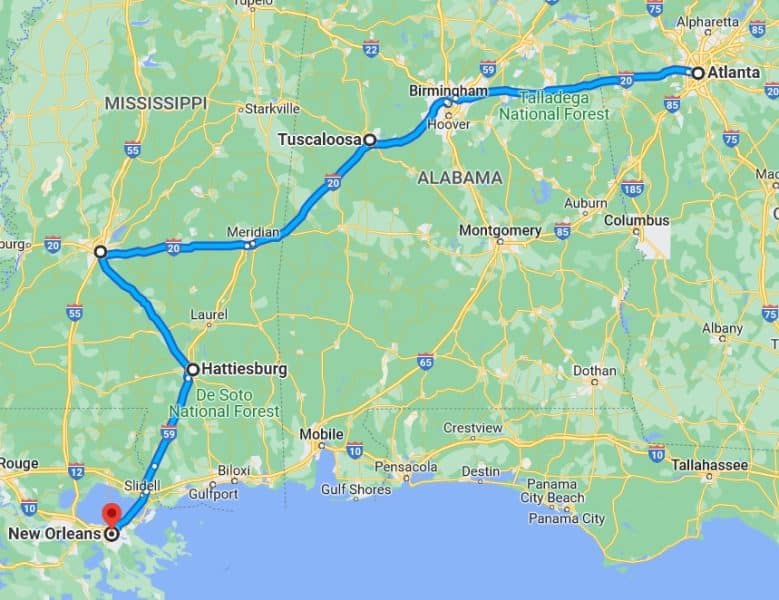
By Car: The Typical Route
The driving distance between Atlanta and New Orleans is approximately 470 to 480 miles, depending on your starting point within the metropolitan area. Under normal traffic conditions, this drive typically takes about 7 to 8 hours. The most direct route involves taking Interstate 85 south to Montgomery, followed by Interstate 65 down to the Gulf Coast, and finally connecting to Interstate 10 heading west into the Big Easy.
While 7 hours may seem manageable for a single day of travel, the journey is best experienced when broken into smaller segments. Stopping at various points of interest along the way allows travelers to appreciate the subtle transition from the rolling Piedmont hills of Georgia to the flat, swampy landscapes of the Mississippi Delta.
Air Travel: Efficiency vs. Experience
If time is of the essence, flying is the most efficient option. Direct flights from Hartsfield-Jackson Atlanta International Airport to Louis Armstrong New Orleans International Airport typically take around 1 hour and 30 minutes in the air. When factoring in security, boarding, and baggage claim, the total door-to-door time is usually around 4 hours. While this is certainly faster than driving, it misses out on the scenic charms of the Deep South, making it a better choice for those on strict time constraints rather than those seeking an experience.
Strategic Stops Along the Interstate
A road trip is rarely just about the destination; it is about the discoveries made between point A and point B. The route from Atlanta to New Orleans is dotted with historic towns and landmarks that make for perfect pit stops.
Montgomery and Mobile: The Alabama Connection
As you travel down Interstate 65, Montgomery serves as a poignant stop for history enthusiasts. As the state capital, it holds significant importance in the American Civil Rights Movement. Spending a few hours visiting the National Memorial for Peace and Justice adds a layer of depth to your travel experience that you simply cannot get from an airplane window.
Continuing south, Mobile, Alabama, sits right on the coast. It is the birthplace of Mardi Gras in the United States and offers a fascinating precursor to the culture you will encounter in New Orleans. A quick stroll through Dauphin Street or a visit to the USS Alabama Battleship Memorial Park is an excellent way to break up the drive.
The Mississippi Gulf Coast
Before crossing into Louisiana, travelers pass through the Mississippi Gulf Coast. Towns like Biloxi and Ocean Springs offer beautiful waterfront views and fresh seafood. This stretch of the journey provides a refreshing change of pace, offering the salt air and coastal breezes that characterize this part of the journey. Stopping for lunch at a local oyster bar in Biloxi provides a true taste of the region before the final leg of the drive into Louisiana.
Navigating the Challenges of the Route
While the drive is relatively straightforward, there are factors that every traveler should keep in mind to ensure a smooth trip.
Traffic Patterns
The Atlanta metropolitan area is notorious for heavy traffic, particularly during morning and evening rush hours. If possible, time your departure to avoid these windows. Similarly, entering New Orleans can become congested, especially when approaching the Greater New Orleans area on Interstate 10. Keeping an eye on real-time traffic apps is a professional traveler’s best strategy to avoid unexpected delays.
Weather Considerations
The South is subject to extreme weather, particularly during the summer and early autumn. Thunderstorms can roll in quickly, significantly impacting visibility and road conditions. During hurricane season, it is vital to monitor news reports, as travel paths along the Gulf Coast may be affected by severe weather events. Flexibility is key when planning a road trip in this part of the country; always have a backup plan should the weather turn unfavorable.
Preparing for Your Southern Adventure
Whether you are seeking the urban energy of the Peachtree City area or the intoxicating charm of Bourbon Street, the distance between these two cities is a bridge between two distinct Southern cultures.
Essential Road Trip Gear
For a 470-mile trip, comfort and preparedness are paramount. Ensure your vehicle has been inspected recently, check tire pressure, and keep an emergency kit handy. Because you will be passing through several states, keeping a physical map in addition to digital navigation is a good practice, especially in more rural stretches of Alabama or Mississippi where cellular service can sometimes be spotty.

Planning Your Arrival
Entering New Orleans is an experience in itself. As you cross the Lake Pontchartrain Causeway—one of the longest bridges over water in the world—you feel the transition from the mainland into the unique, water-locked environment of Louisiana. Arriving during the day allows for better navigation, as the city’s complex layout can be daunting for first-time visitors after dark.
By treating the drive as an integral part of the travel experience, the distance between Atlanta and New Orleans becomes far more than just a number on a map. It becomes a narrative of the American South, filled with history, hospitality, and a diversity of landscapes that define the region. With proper planning and an adventurous spirit, the 480-mile trek is not just a commute, but a memorable odyssey through some of the most vibrant states in the nation. Whether you stop at the historic sites in Montgomery or enjoy the coastal beauty of Biloxi, every mile brings you closer to the unique magic that waits at the end of the road.
LifeOutOfTheBox is a participant in the Amazon Services LLC Associates Program, an affiliate advertising program designed to provide a means for sites to earn advertising fees by advertising and linking to Amazon.com. Amazon, the Amazon logo, AmazonSupply, and the AmazonSupply logo are trademarks of Amazon.com, Inc. or its affiliates. As an Amazon Associate we earn affiliate commissions from qualifying purchases.