
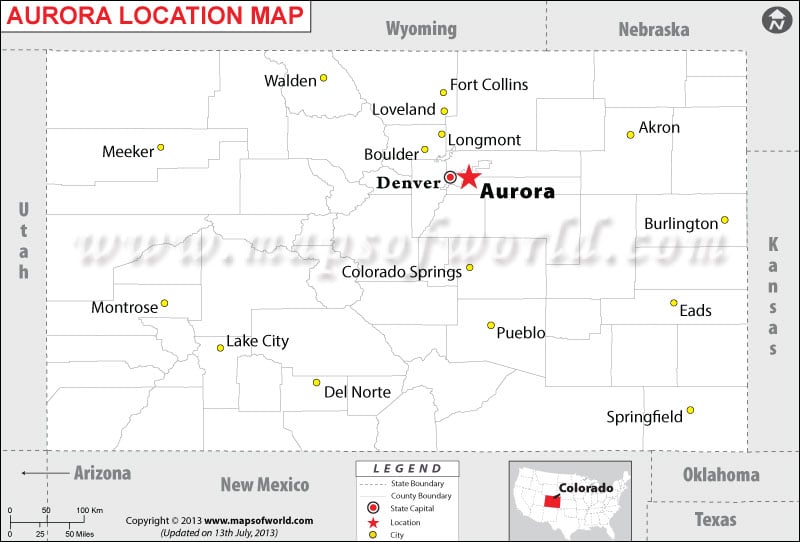
When planning a road trip through the heart of the Rocky Mountain State, understanding the distances between key locations is paramount. For many, a journey might involve navigating the urban sprawl of the Denver metropolitan area and then venturing south to the natural beauty and attractions of Colorado Springs. A common query arises: “How far is Aurora, CO from Colorado Springs?” This question is not just about mileage; it’s about the time commitment, the potential for scenic detours, and the overall logistics of connecting these two significant Colorado destinations.
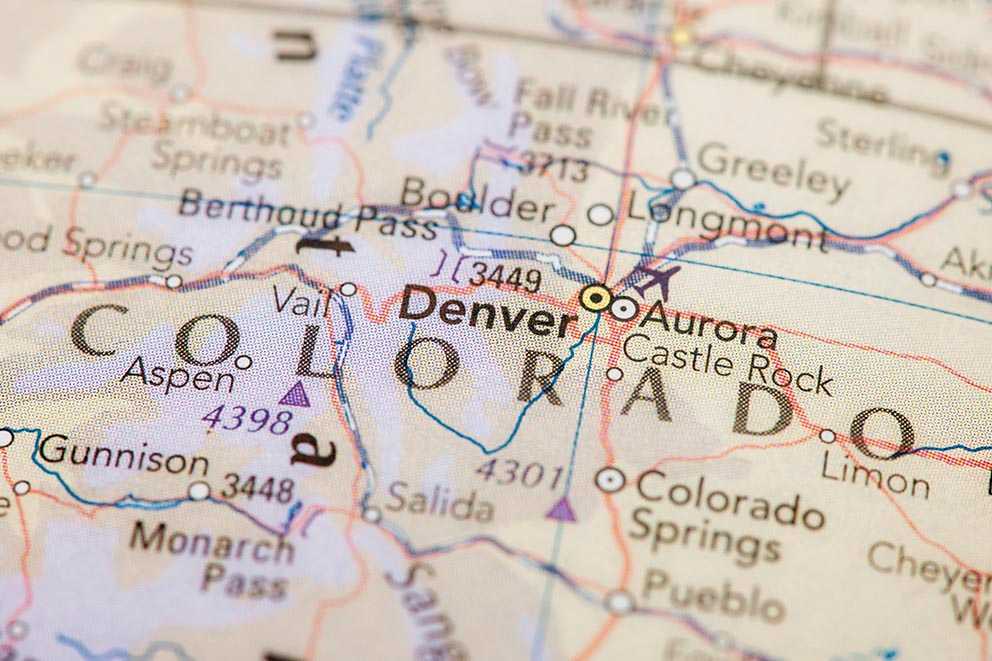
The direct distance between Aurora, CO and Colorado Springs is approximately 70 to 80 miles, depending on the specific starting and ending points within each city and the chosen route. This translates to an estimated driving time of around 1 hour and 15 minutes to 1 hour and 45 minutes. However, this is a simplified answer, as traffic, particularly around the Denver metro area, can significantly influence travel duration. Understanding the primary routes and factors affecting travel time will help travelers optimize their journey.
Navigating the Routes: I-25 South and Beyond
The most direct and commonly used route connecting Aurora, CO and Colorado Springs is via Interstate 25 (I-25) South. Aurora is located just east of Denver, and travelers will typically need to make their way to I-25 South.
The I-25 Corridor: Efficiency and Potential Pitfalls
From Aurora, depending on your exact starting point (e.g., near Denver International Airport or further east), you’ll likely access I-25 via surface streets or connecting highways like I-70 West or E-470 Tollway. Once on I-25 South, the drive is relatively straightforward. The interstate is a well-maintained, multi-lane highway designed for efficient travel.
However, the I-25 corridor between Denver and Colorado Springs is a major artery for commerce and commuting. As such, it is prone to significant traffic congestion, especially during peak hours. Weekday rush hours, typically from 6:00 AM to 9:00 AM and 3:00 PM to 6:00 PM, can add considerable time to the journey. Accidents or construction projects can also cause unexpected delays. Travelers are strongly advised to check real-time traffic conditions using navigation apps before setting out.
An alternative to navigating through the heart of Denver directly can be utilizing the E-470 Tollway. This outer beltway bypasses much of the central metro congestion, offering a potentially quicker, albeit tolled, route. From Aurora, one can access E-470 and head south, eventually connecting with I-25 South further south of Denver, or continuing on E-470 to connect with other south-bound routes that eventually lead to Colorado Springs. While this route can save time, the tolls should be factored into the travel budget.
Other Route Considerations
While I-25 is the primary artery, other routes are available, though generally less direct and more time-consuming for the purpose of simply reaching Colorado Springs. These might involve state highways like U.S. Route 85 or U.S. Route 87. These routes offer a more scenic, ground-level experience, passing through smaller towns and agricultural lands. However, they are typically two-lane highways with lower speed limits and are subject to local traffic. They are generally not recommended for those seeking the most efficient travel between Aurora and Colorado Springs unless a more leisurely, exploratory drive is desired.
Factors Influencing Travel Time and Experience
Beyond the raw mileage and route choice, several other factors contribute to the overall travel experience between Aurora, CO and Colorado Springs.
Traffic Congestion
As previously mentioned, traffic is arguably the most significant variable. Denver and its surrounding areas are home to a rapidly growing population, and its transportation infrastructure, while extensive, can be strained. Rush hour traffic on I-25 can easily double the estimated travel time, turning a 1.5-hour drive into a 3-hour ordeal. Planning to travel outside of peak hours is a highly recommended strategy for a smoother journey. Weekend traffic can also be heavier, especially on Fridays and Sundays as people travel for leisure.
Weather Conditions
Colorado’s weather can be unpredictable, particularly during the winter months. Snowstorms, ice, and low visibility can significantly impact driving conditions on I-25, leading to major delays or even road closures. Even in warmer months, severe thunderstorms can occur, bringing heavy rain, hail, and potential flash floods, especially in the plains east of the mountains. Always check the weather forecast and road conditions before embarking on your trip. The Colorado Department of Transportation (CDOT) website and app are excellent resources for real-time updates.
Vehicle Type and Maintenance
The type of vehicle you are driving can also play a role, though less so on the primary interstate route. For those venturing onto less-maintained or unpaved roads for scenic exploration, an all-wheel-drive or four-wheel-drive vehicle might offer greater peace of mind, especially in inclement weather. Ensuring your vehicle is well-maintained, with good tires and brakes, is always crucial for safe travel in any region.
Stops and Detours
The estimated travel time often assumes a direct, non-stop journey. However, travelers may wish to make stops along the way. The route between Aurora and Colorado Springs offers opportunities for such diversions.
Potential Points of Interest Along the Way
- Castle Rock: Located roughly midway, Castle Rock is known for its outlet shopping and the distinct rock formation that gives the town its name. It’s a convenient place to stop for a break, a meal, or some retail therapy. The Outlets at Castle Rock is a popular destination for shoppers.
- National Forest Access: For outdoor enthusiasts, there are access points to the Pike National Forest from I-25, though these might require a slight detour off the main highway. These areas offer hiking trails and scenic vistas, providing a taste of Colorado’s natural beauty before reaching Colorado Springs.
- Monument: The town of Monument also offers local amenities and a glimpse into Colorado’s smaller communities.
Factoring in time for these potential stops is essential for realistic trip planning.
Preparing for Your Journey
A successful trip from Aurora, CO to Colorado Springs involves more than just knowing the distance. It requires preparation and awareness.
Pre-Trip Checks
- Vehicle Inspection: Ensure your vehicle is in good working order. Check tire pressure, fluid levels, and wiper blades.
- Navigation: Download offline maps or ensure your GPS device is up-to-date. Have a reliable navigation app on your smartphone.
- Traffic and Weather: Check traffic conditions and the weather forecast for both your departure and arrival locations, as well as any points along your route.
- Emergency Kit: Consider packing a basic emergency kit, especially if traveling during winter months. This might include water, snacks, a first-aid kit, blankets, and jumper cables.
Timing Your Travel
As emphasized, timing is crucial.
- Off-Peak Travel: Aim to travel in the mid-morning (after rush hour) or early afternoon to avoid the worst of the congestion. Late evenings are also often less congested, but consider safety and the time of arrival at your destination.
- Weekend Considerations: If traveling on a weekend, be aware that popular attractions in both Aurora and Colorado Springs can be busy, and road traffic may be heavier due to leisure travelers.
Understanding the Destination’s Appeal
Both Aurora and Colorado Springs offer unique experiences. Aurora, often seen as a gateway to the eastern plains and part of the greater Denver metropolitan area, boasts diverse cultural offerings, extensive parks, and a growing culinary scene. It is also home to significant landmarks like the Aurora Arts District and the AMC Theatres – Aurora 16plex.
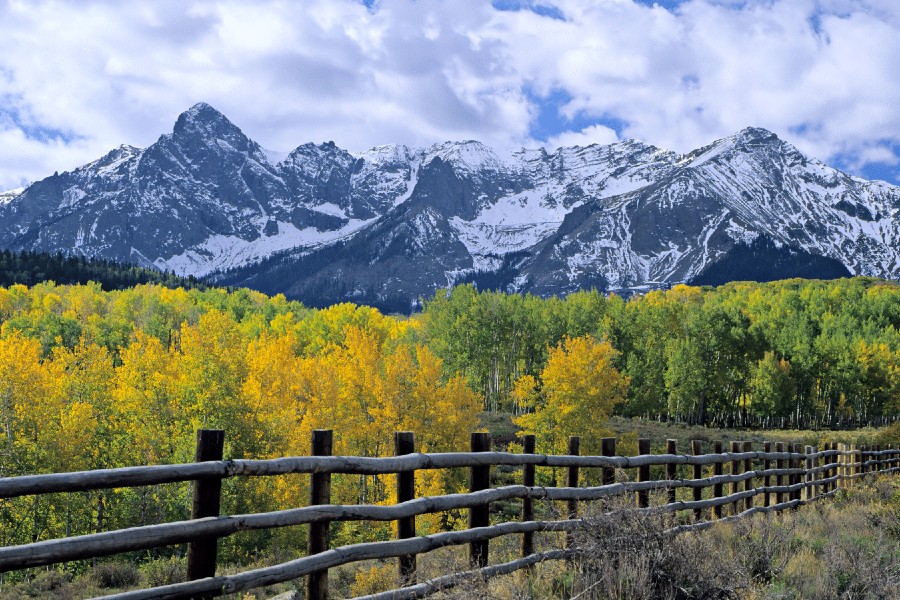
Colorado Springs, on the other hand, is renowned for its stunning natural attractions and outdoor adventures. Key highlights include Garden of the Gods Park, Pikes Peak, and the United States Air Force Academy. Understanding the primary reason for your travel to Colorado Springs will help you tailor your journey.
In conclusion, the distance from Aurora, CO to Colorado Springs is a manageable 70-80 miles, typically taking about 1.5 hours of driving. However, this figure is a guideline, subject to the vagaries of Colorado traffic, weather, and your own travel preferences. By planning your route, being mindful of potential delays, and preparing for the journey, you can ensure a smooth and enjoyable transition between these two vibrant Colorado cities.
LifeOutOfTheBox is a participant in the Amazon Services LLC Associates Program, an affiliate advertising program designed to provide a means for sites to earn advertising fees by advertising and linking to Amazon.com. Amazon, the Amazon logo, AmazonSupply, and the AmazonSupply logo are trademarks of Amazon.com, Inc. or its affiliates. As an Amazon Associate we earn affiliate commissions from qualifying purchases.