
When planning a trip to the vibrant state of Colorado, particularly to its bustling metropolitan areas, one of the most common questions travelers and residents alike ponder is the distance and travel convenience between Aurora Colorado and Denver Co. These two major cities, while distinct in their character and offerings, are intimately connected and often experienced as a single, expansive urban tapestry. Understanding their proximity, the various travel options, and what each city brings to the table is crucial for anyone looking to explore the Front Range, whether for business, leisure, or to simply navigate daily life in this dynamic region.
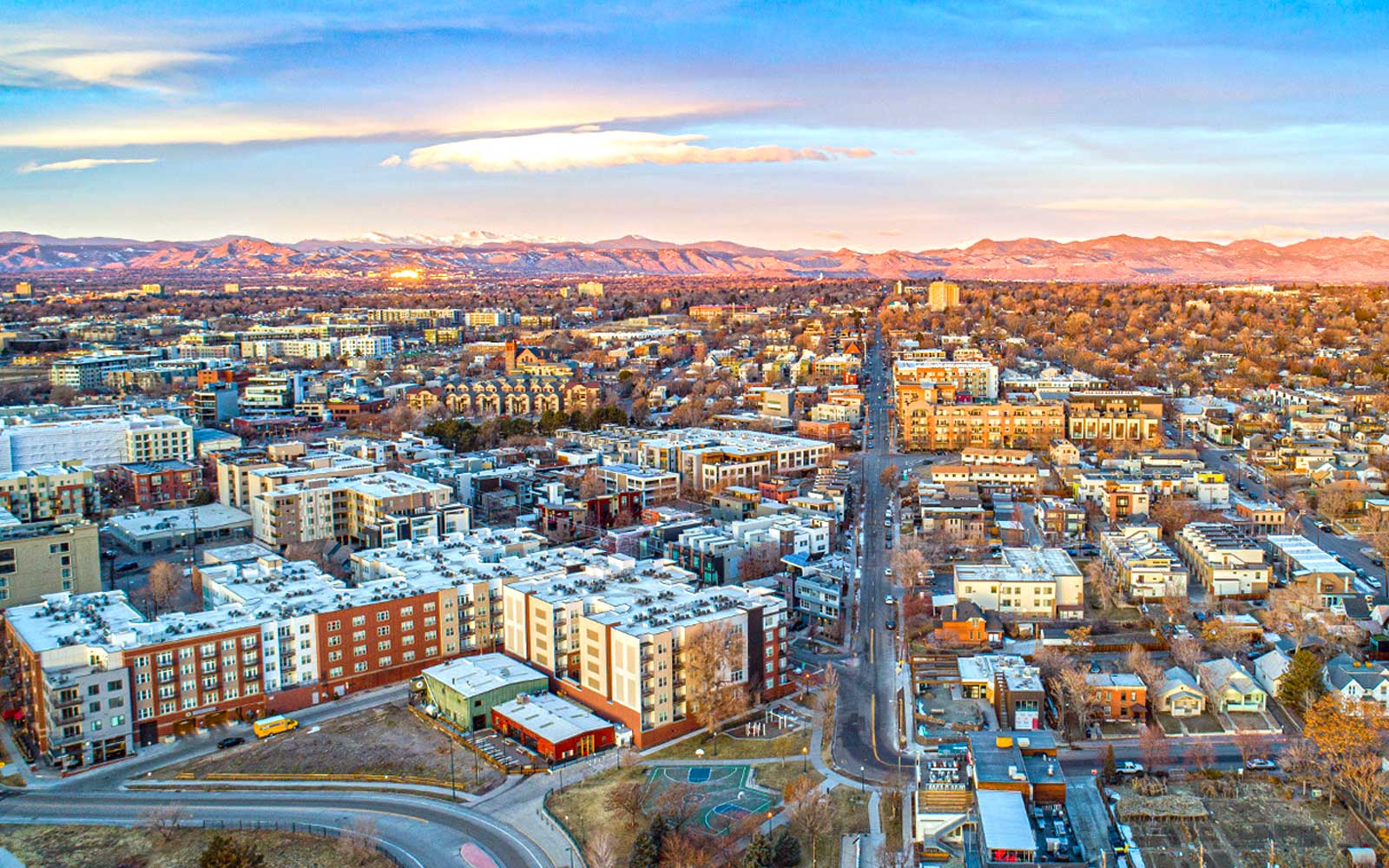
Aurora, often referred to as the “Gateway to the Rockies,” is Colorado’s third-largest city, boasting a diverse population and a sprawling landscape that ranges from urban centers to expansive open spaces. Denver, the state capital and largest city, serves as the economic and cultural heart of the Rocky Mountains region, a hub of innovation, arts, and outdoor adventure. Given their intertwined nature, the journey between them is more often a short commute than a long-haul trip, making it incredibly feasible to enjoy the attractions and amenities of both. This article will delve into the precise distances, estimated travel times, transportation methods, and what makes each city a compelling destination, helping you navigate your Colorado adventure with ease and insight.
The Proximity Explained: Distance and Travel Time Between Aurora and Denver
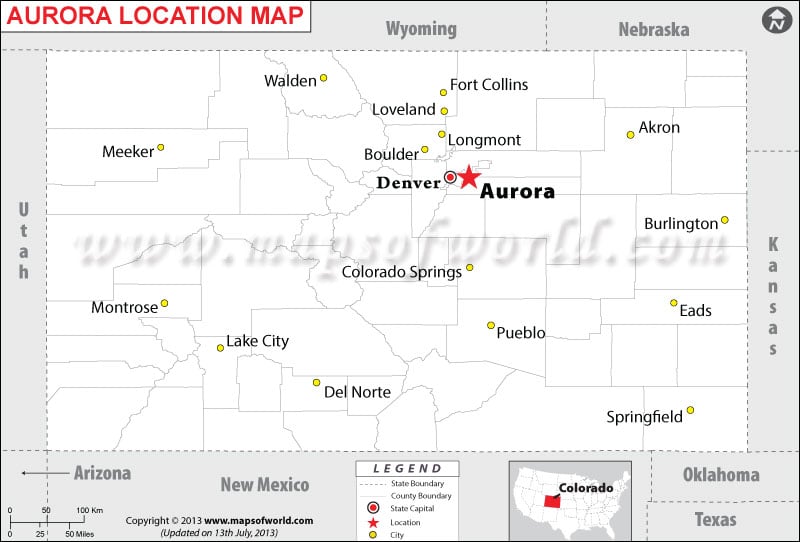
The exact distance between Aurora and Denver can vary slightly depending on your specific starting and ending points within each city. However, generally speaking, the heart of Aurora is just a stone’s throw away from Downtown Denver, making travel between the two cities remarkably convenient.
On average, the distance from central Aurora to Downtown Denver is approximately 10 to 15 miles (16 to 24 kilometers). This relatively short distance translates into manageable travel times, largely influenced by the chosen mode of transportation and prevailing traffic conditions. For most travelers, the journey is not a barrier but an easy transition between two distinct yet complementary urban experiences.
By Car: Driving Routes and Traffic Considerations
Driving is undoubtedly the most flexible and popular way to travel between Aurora and Denver. Several major roadways connect the two cities, offering multiple route options:
- Interstate 225 (I-225): This interstate runs north-south through Aurora, providing direct access to Interstate 70 (I-70), which then heads directly into Downtown Denver. This is often the quickest route for those coming from central or northern Aurora. The total driving time typically ranges from 20 to 35 minutes under normal traffic conditions.
- East 6th Avenue Parkway / Colfax Avenue: These arterial roads offer a more scenic, often less highway-intensive, route into Denver. While potentially longer in terms of mileage, they can sometimes be a good alternative during peak rush hour on the interstates. Travel time can be similar, around 25 to 40 minutes, depending on the number of traffic lights and local congestion.
- Interstate 70 (I-70): For those closer to northern Aurora or coming directly from Denver International Airport (DIA), I-70 provides a straightforward path westward into Denver.
- E-470 (Toll Road): While generally used for longer trips or avoiding heavy traffic, sections of E-470 can connect parts of Aurora to northern Denver suburbs or DIA with greater speed, though tolls apply.
Traffic Considerations: As with any major metropolitan area in the United States, traffic can significantly impact travel times, particularly during weekday rush hours (typically 7-9 AM and 4-6 PM). It’s always advisable to check real-time traffic updates using navigation apps before embarking on your journey, especially if you have a tight schedule. Weekends generally see lighter traffic, though special events in either city can cause localized congestion.
Public Transportation: RTD and Light Rail Connections
For those preferring to avoid driving, the Regional Transportation District (RTD) offers excellent public transportation options, primarily through its extensive Light Rail system. This is an efficient, cost-effective, and environmentally friendly way to travel between Aurora and Denver.
- RTD Light Rail (R Line and A Line): The R Line (Southeast Rail Line) directly connects many parts of Aurora to Downtown Denver. Starting from stops deep within Aurora, the R Line travels north through the city, eventually connecting to other lines that lead directly to Union Station in Downtown Denver. The A Line, also known as the “Airport Rail,” connects Union Station to Denver International Airport (DIA), with several stops along the way that can be accessed from northern Aurora. A typical Light Rail journey from central Aurora to Downtown Denver can take approximately 30 to 50 minutes, depending on your specific stations and transfer times.
- RTD Bus Services: Alongside the Light Rail, RTD also operates numerous bus routes that connect various neighborhoods in Aurora with different parts of Denver. While potentially taking longer than the Light Rail for direct city-to-city travel, buses offer greater localized coverage and can be ideal for shorter inter-city trips or reaching destinations not directly on a rail line.
Public transportation fares are standardized, and day passes are available, making it an economical choice for visitors planning multiple trips or extensive sightseeing.
Ride-Sharing and Taxis: Convenience and Cost
For those seeking convenience without the hassle of driving or navigating public transport, ride-sharing services like Uber and Lyft, as well as traditional taxis, are readily available in both Aurora and Denver.
- On-Demand Convenience: These services offer door-to-door transportation, making them ideal for travelers with luggage, late-night outings, or those who simply prefer a direct, private ride.
- Cost: The cost of a ride-sharing service from Aurora to Downtown Denver typically ranges from $25 to $45, depending on demand (surge pricing), time of day, and the specific service level chosen. Taxis might be slightly more expensive.
- Travel Time: Similar to driving, the travel time for ride-sharing or taxis will largely mirror the driving times discussed above, typically 20 to 35 minutes, subject to traffic.
This option is particularly popular for business travelers or those on a tighter schedule who prioritize speed and comfort.
Why Travel Between Aurora and Denver? Exploring Twin Cities
While close in proximity, Aurora and Denver each offer unique experiences, drawing visitors for different reasons. The ease of travel between them means you don’t have to choose just one; you can seamlessly enjoy the best of both worlds.
Aurora’s Allure: From Cultural Diversity to Outdoor Recreation
Aurora is a city celebrated for its incredible diversity, both culturally and geographically. It offers a more relaxed pace than Denver while providing ample attractions and amenities.
- Cultural Hotspot: With a vibrant mosaic of communities, Aurora boasts an impressive array of international restaurants, markets, and cultural events. Foodies will delight in the authentic global cuisines available, from Ethiopian and Vietnamese to Mexican and Korean. Stanley Marketplace, a former aviation manufacturing plant, has been transformed into a bustling community hub with unique eateries, shops, and event spaces.
- Outdoor Recreation: Despite its urban sprawl, Aurora has extensive parklands and open spaces. Cherry Creek State Park, straddling the Aurora-Denver border, is a massive urban oasis offering a reservoir for boating, fishing, and swimming, miles of trails for hiking and biking, and even a dog park. The city also features numerous golf courses, including the championship-level Murphy Creek Golf Course.
- Family-Friendly Attractions: Families will find plenty to do, from exploring the interactive exhibits at the Aurora History Museum to enjoying the large outdoor shopping and entertainment complex at Southlands Shopping Center.
- Key Institutions: Aurora is home to the renowned Anschutz Medical Campus, a leading medical and research facility, and Buckley Space Force Base, making it a destination for medical professionals, military personnel, and their families.
Denver’s Delights: Urban Sophistication and Mountain Gateways
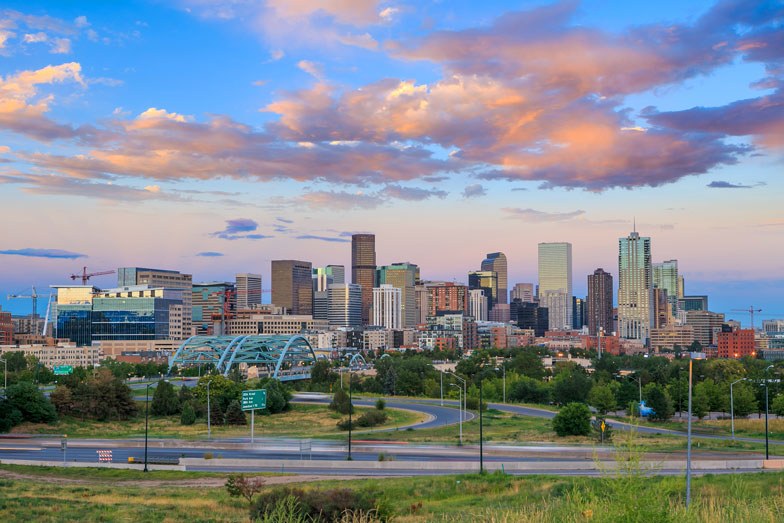
Denver, often called the “Mile High City,” is a bustling urban center that skillfully blends its frontier past with modern sophistication, all set against the dramatic backdrop of the Rocky Mountains.
- Vibrant Downtown: Downtown Denver is a hub of activity, anchored by Union Station, a beautifully restored Beaux-Arts masterpiece serving as a transportation hub, hotel, and dining destination. The 16th Street Mall, a mile-long pedestrian promenade, offers shopping, dining, and free shuttle rides.
- Arts and Culture: Denver boasts world-class museums like the Denver Art Museum and the Clyfford Still Museum. The city’s theater district is home to numerous performance venues, and the RiNo Art District (River North Art District) is famous for its vibrant street art, galleries, breweries, and innovative eateries.
- Sports and Entertainment: Home to major professional sports teams (Broncos, Nuggets, Rockies, Avalanche), Denver offers year-round sporting action. Iconic venues like the Red Rocks Amphitheatre just outside the city host concerts in a stunning natural setting.
- Outdoor Access: Denver’s prime location makes it an ideal gateway to mountain adventures, with easy access to ski resorts, hiking trails, and scenic drives just an hour or two away. Even within the city, numerous parks like City Park provide green spaces and recreational opportunities.
- Neighborhoods to Explore: Beyond Downtown Denver, explore unique neighborhoods like LoDo (Lower Downtown) for historic architecture and nightlife, Capitol Hill for stately mansions and boutique shops, or Highlands for trendy restaurants and city views.
Seamless Travel for Business and Leisure
The close connection between Aurora and Denver is a significant advantage for various types of travelers:
- Business Travelers: Many businesses have offices in both cities, and the easy commute allows for flexible meeting schedules. The proximity to DIA also makes it convenient for professionals flying in and out.
- Leisure Visitors: Tourists can base themselves in one city and easily explore the attractions of the other. For instance, staying in a more budget-friendly hotel in Aurora while spending days sightseeing in Denver, or vice-versa, to catch a game in Denver and enjoy a quieter evening in Aurora.
- Airport Access: Both cities benefit immensely from their proximity to DIA, one of the busiest airports in the United States. Direct Light Rail and bus routes, as well as ride-sharing services, provide quick access to the airport from almost anywhere in Aurora or Denver.
Accommodation Options: Where to Stay for Your Colorado Adventure
Given the vibrant tourism and business scenes in both Aurora and Denver, a wide array of accommodation options awaits every traveler, from luxury resorts to budget-friendly apartments. Choosing where to stay often depends on your itinerary, budget, and desired atmosphere.
Hotels and Resorts in Aurora: Comfort and Value
Aurora offers a compelling mix of accommodation choices, often providing excellent value compared to Downtown Denver, especially for those traveling with families or on an extended stay.
- Resort Experiences: The Gaylord Rockies Resort & Convention Center is a standout, offering a luxurious experience with extensive amenities including a water park, multiple dining options, and a spa, all with stunning views of the Rocky Mountains. It’s also conveniently located close to DIA.
- Business and Family-Friendly Hotels: You’ll find a strong presence of well-known hotel chains such as Hilton Garden Inn, Marriott, Hyatt, and Holiday Inn, particularly around the Anschutz Medical Campus, near I-225, and along the main thoroughfares. These typically offer comfortable rooms, complimentary breakfast, pools, and fitness centers, catering to both business travelers and families.
- Extended Stay Options: For longer visits, Aurora has numerous extended-stay hotels equipped with kitchenettes and more spacious living areas, ideal for those relocating, on assignment at Anschutz or Buckley Space Force Base, or simply preferring self-catering options.
- Budget-Friendly Choices: Many motels and economy hotels are available throughout Aurora, offering clean, comfortable stays at a lower price point, without sacrificing accessibility to the region’s attractions.
Denver’s Diverse Lodging Landscape: Luxury to Boutique
Denver’s accommodation scene is vast and varied, reflecting its status as a major urban destination. From historic grand hotels to modern boutique establishments, there’s something for every taste and budget.
- Luxury Hotels: Downtown Denver and surrounding upscale neighborhoods boast prestigious hotels like The Brown Palace Hotel and Spa, a historic landmark offering timeless elegance, the Four Seasons Hotel Denver, known for its impeccable service, or the Hyatt Regency Denver at Colorado Convention Center. These are perfect for those seeking premium amenities, fine dining, and prime locations near attractions and business centers.
- Boutique and Lifestyle Hotels: Denver has seen a surge in trendy boutique hotels, particularly in areas like LoDo, the RiNo Art District, and Cherry Creek. Properties like the Kimpton Hotel Monaco Denver offer unique designs, personalized service, and a vibrant local atmosphere.
- Mid-Range and Convention Hotels: Major hotel brands such as Sheraton Denver Downtown Hotel, Embassy Suites, and Hilton are plentiful, especially around the Colorado Convention Center and financial districts. These cater to both business travelers attending conferences and leisure guests looking for reliable comfort and amenities.
- Budget-Friendly Stays: While fewer in the immediate downtown core, affordable hotels can be found on the fringes of Downtown Denver or in adjacent neighborhoods, offering practical solutions for budget-conscious travelers. Hostels also provide communal and cost-effective lodging for backpackers and solo adventurers.
Considering Long-Term Stays and Unique Accommodations
For those planning to immerse themselves in Colorado life for an extended period, or looking for something beyond traditional hotels, both Aurora and Denver offer alternative accommodation types:
- Apartment Rentals: Services like Airbnb and Vrbo are popular for finding furnished apartments, houses, or rooms for short-term or long-term rental. This option provides a more localized experience, often with kitchen facilities and more space, ideal for families or groups.
- Serviced Apartments: These combine the comfort of an apartment with hotel-like services, perfect for corporate stays or extended vacations.
- Vacation Villas: While more common in mountain towns, some upscale areas around Denver and Aurora may offer luxurious villas or large homes for rent, suitable for large groups or special occasions.
When choosing accommodation, consider your primary reason for visiting, whether you prioritize proximity to specific attractions, airport access, public transport, or the overall ambiance and price point. The close relationship between Aurora and Denver means you can strategically select a base that perfectly fits your travel style.
Navigating the Region: Tips for Visitors
Making the most of your visit to the Aurora and Denver area involves a bit of planning and understanding of the local landscape. These tips will help you navigate like a seasoned local and enhance your Colorado experience.
Maximizing Your Colorado Experience: Combining Both Cities
Don’t limit yourself to just one city! The proximity between Aurora and Denver is a major asset, allowing you to create a diverse itinerary that captures the best of both.
- Strategic Planning: If you’re staying in Aurora, dedicate a day or two to exploring Denver’s museums, breweries, and downtown attractions. Conversely, if you’re based in Denver, venture out to Aurora for a taste of its international cuisine, a visit to Cherry Creek State Park, or a stay at the Gaylord Rockies.
- Transportation Mix: Consider renting a car for days you plan to explore outside the immediate urban core or venture into the Rocky Mountains to places like Golden or Boulder. For intra-city travel between Aurora and Denver or within Downtown Denver, the RTD Light Rail is often the most efficient and stress-free option.
- Beyond the Cities: Remember that these cities serve as excellent launching points for wider Colorado adventures. Day trips to the Rocky Mountain National Park, Colorado Springs, or charming mountain towns are all easily accessible by car.
Proximity to Denver International Airport (DIA)
The convenient location relative to Denver International Airport (DIA) is a huge benefit for both cities.
- Airport Transit: DIA is roughly 15-20 miles northeast of Downtown Denver and similarly positioned relative to much of Aurora. The A Line Light Rail provides a direct link from DIA to Union Station in Denver, with stops in between that connect to Aurora via transfer or short ride-share.
- Hotel Access: Many hotels in northern Aurora offer complimentary shuttle services to and from DIA, making it an attractive option for early morning flights or late-night arrivals.
Seasonal Considerations and Local Insights
Colorado experiences four distinct seasons, each offering a different flavor for your visit.
- Summer (June-August): Warm days, often hot, but generally low humidity. Ideal for outdoor activities, hiking, and exploring parks. Festivals and outdoor concerts are abundant. Book accommodations and popular attractions well in advance.
- Fall (September-October): Mild temperatures and stunning autumn foliage, especially when venturing into the mountains. A popular time for scenic drives and outdoor events.
- Winter (November-March): Cold, snowy, but often sunny days. Perfect for skiing and snowboarding in the nearby Rocky Mountains. Both Aurora and Denver embrace the festive season with lights and holiday markets. Be prepared for occasional road closures or delays due to snow, though main arteries are usually cleared quickly.
- Spring (April-May): Unpredictable weather, with sunshine, rain, and even snow possible in the same week. Wildflowers begin to bloom. It’s a quieter time to visit before the summer rush.
Local Insight: Denver and Aurora are high-altitude cities. Denver sits at 5,280 feet (one mile high), and Aurora is slightly higher. Drink plenty of water, limit alcohol intake initially, and use sunscreen, as the sun’s intensity is stronger at elevation. Acclimatization is key to enjoying your trip without altitude sickness.
In conclusion, the question of “How Far Is Aurora Colorado From Denver Co?” is easily answered: not far at all. Their close proximity, coupled with excellent transportation infrastructure, makes these two Colorado cities a dynamic duo for any traveler. Whether you’re drawn by Denver’s urban sophistication and mountain access or Aurora’s diverse culture and family-friendly appeal, the entire Front Range region is yours to explore with ease and excitement.
LifeOutOfTheBox is a participant in the Amazon Services LLC Associates Program, an affiliate advertising program designed to provide a means for sites to earn advertising fees by advertising and linking to Amazon.com. Amazon, the Amazon logo, AmazonSupply, and the AmazonSupply logo are trademarks of Amazon.com, Inc. or its affiliates. As an Amazon Associate we earn affiliate commissions from qualifying purchases.