
Navigating the vast and vibrant landscape of Texas often involves understanding the distances between its key metropolitan areas. For travelers, business professionals, and locals alike, knowing the travel time and route between Austin and Fort Worth is essential for planning efficient and enjoyable journeys. These two dynamic cities, each with its unique character and attractions, are situated within a significant driving distance that can be bridged by various transportation methods. This exploration delves into the precise mileage, estimated travel times, and the most common routes connecting these prominent Texas hubs, offering insights into optimizing your travel experience.
Understanding the Geographic Relationship
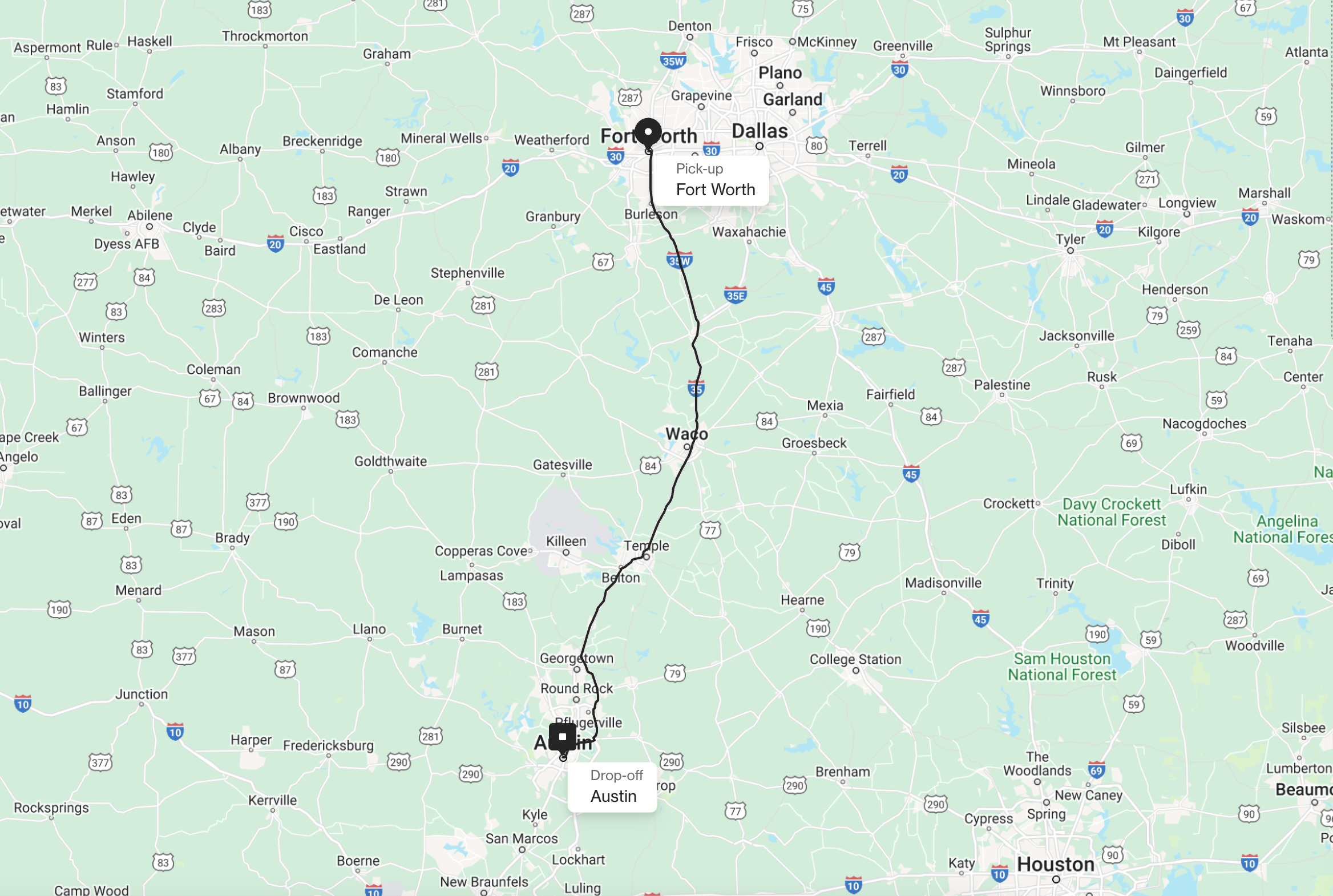
Austin, the capital of Texas, is known for its live music scene, tech industry, and vibrant culture. Fort Worth, on the other hand, is a major city in the Dallas–Fort Worth metroplex, celebrated for its Western heritage, art museums, and burgeoning economic landscape. Geographically, they are positioned in a north-northwesterly direction from each other within the state. This relative placement means that traversing the distance involves crossing a considerable expanse of Texas terrain, which can be influenced by traffic conditions, time of day, and the chosen route.
Direct Driving Distance and Time
The most direct and commonly used route from Austin to Fort Worth is primarily via Interstate 35 (I-35). This major highway serves as a critical artery connecting central and northern Texas.
- Mileage: The driving distance between Austin and Fort Worth is approximately 185 to 195 miles, depending on the exact starting and ending points within each city. This mileage can fluctuate slightly based on specific GPS routing and the use of alternative roads.
- Estimated Travel Time: Under normal traffic conditions, the drive typically takes between 3 hours and 3 hours and 30 minutes. However, it is crucial to factor in potential delays, especially during peak commuting hours, holidays, or due to road construction. The I-35 corridor, particularly as it nears the Dallas–Fort Worth metroplex, can experience significant congestion.
Route Considerations on I-35
The journey on I-35 North from Austin will take travelers through several notable areas:
- Waco: A significant stop approximately halfway between the two cities, Waco is home to the Magnolia Market at the Silos and Baylor University. Many travelers opt to break up their journey here for a meal or a brief respite.
- Hillsboro: Another community along I-35, offering services and amenities for travelers.
- Waxahachie: Known for its historic downtown and Victorian architecture, Waxahachie is a charming town that can serve as a brief detour or a point of interest.
As one approaches Fort Worth, I-35 North merges with I-35W, which directly leads into the heart of the city. Understanding these highway designations is important for navigation.
Alternative Transportation Options
While driving is the most prevalent method, other transportation options exist for traveling between Austin and Fort Worth, each offering a different travel experience and cost-effectiveness.
Bus Services
Several intercity bus companies operate routes between Austin and Fort Worth, providing a more budget-friendly alternative to flying or driving.
- Providers: Companies like Greyhound and FlixBus often service this route, with departures from central bus terminals in Austin and arrivals in Fort Worth.
- Travel Time: Bus journeys typically take longer than driving, often ranging from 4 to 5 hours, due to scheduled stops and potential traffic.
- Cost: Bus tickets are generally more affordable, making it an attractive option for budget-conscious travelers.
Rail Travel
While there isn’t a direct, high-speed passenger rail line that conveniently links Austin and Fort Worth for a direct city-to-city journey, Amtrak does offer services that could involve connections.
- Amtrak Routes: Travelers may need to take an Amtrak train from Austin to a connecting city, such as San Antonio or Houston, and then transfer to another route heading towards the Dallas–Fort Worth metroplex. The closest Amtrak station to Fort Worth is in downtown Dallas. From Dallas, one would then need to arrange further transportation to Fort Worth, such as the Trinity Railway Express (TRE) commuter train, a short bus ride, or a taxi/rideshare.
- Duration and Convenience: This option is generally less direct and can be more time-consuming than driving or taking a direct bus service. The overall travel time, including transfers and waiting periods, can easily exceed 5-6 hours.
Air Travel
For those prioritizing speed, flying between Austin and Fort Worth involves flying into one of the major airports in the Dallas–Fort Worth metroplex.
- Airports:
- Austin–Bergstrom International Airport (AUS) is the primary airport serving Austin.
- The main airports serving Fort Worth are Dallas/Fort Worth International Airport (DFW) and Dallas Love Field (DAL) in Dallas. DFW is centrally located between the two cities, while DAL is closer to Dallas.
- Flight Time: The actual flight duration is very short, typically around 45 minutes to an hour.
- Total Travel Time: However, when factoring in travel to and from airports, check-in, security, and potential flight delays, the total door-to-door time can often rival or even exceed driving time. This option is usually the most expensive.
- Ground Transportation from DFW/DAL: From Dallas/Fort Worth International Airport, travelers can easily connect to Fort Worth via the Trinity Railway Express (TRE), rental cars, taxis, or rideshare services. From Dallas Love Field, the primary options are rental cars, taxis, or rideshares, as the TRE does not directly service this airport.
Optimizing Your Journey
When planning a trip between Austin and Fort Worth, several factors can help optimize your travel.
Timing Your Departure
- Avoid Peak Hours: To minimize travel time, it is highly recommended to avoid driving during the morning (7 AM – 9 AM) and evening (4 PM – 6 PM) rush hours, particularly as you approach the Dallas–Fort Worth metroplex.
- Midday Travel: Traveling during midday on weekdays or on weekends generally offers smoother traffic flow.
Using Navigation Apps
Real-time traffic updates from navigation applications such as Google Maps, Waze, or Apple Maps are invaluable. These tools can alert you to accidents, construction, and heavy congestion, suggesting alternative routes if available.
Planning for Stops
For the approximately 190-mile journey, planning for at least one stop is advisable for restrooms, fuel, or a meal. As mentioned, Waco is a popular and convenient midpoint for such a break. Other towns along I-35 also offer services.
Considering the Purpose of Your Trip
The best mode of transportation often depends on the reason for your travel.
- Business Travel: For time-sensitive business meetings, driving allows for maximum flexibility, especially if you need to make multiple stops or have your own vehicle for local transportation upon arrival. Flying might be considered for urgent meetings where the cost is secondary to saving time, provided airport logistics are efficient.
- Leisure Travel: For a more relaxed journey, driving offers the opportunity to explore towns along the way. Bus travel is a cost-effective option for leisure travelers who do not need a car at their destination.
- Visiting Friends and Family: The choice here often comes down to personal preference, budget, and the availability of personal vehicles at the destination.

A Tale of Two Texan Cities
The distance between Austin and Fort Worth is more than just a number of miles; it represents a journey through distinct cultural landscapes within Texas. Understanding these distances and travel times empowers travelers to make informed decisions, ensuring their transit between these two dynamic urban centers is as seamless and efficient as possible. Whether you choose the open road, the convenience of air travel, or the affordability of bus services, the connection between Austin and Fort Worth remains a frequently traversed corridor, highlighting the interconnectedness of the Lone Star State.
LifeOutOfTheBox is a participant in the Amazon Services LLC Associates Program, an affiliate advertising program designed to provide a means for sites to earn advertising fees by advertising and linking to Amazon.com. Amazon, the Amazon logo, AmazonSupply, and the AmazonSupply logo are trademarks of Amazon.com, Inc. or its affiliates. As an Amazon Associate we earn affiliate commissions from qualifying purchases.