
Embarking on a journey across the vast and vibrant landscapes of the Lone Star State offers an unparalleled experience, especially when navigating between two of its most dynamic urban centers: Austin and Houston. Whether you’re a first-time visitor or a seasoned Texas explorer, understanding the logistics of this popular route is key to planning an unforgettable trip. This comprehensive guide delves into everything you need to know about traveling from the “Live Music Capital of the World” to the “Space City,” covering distance, travel times, transportation options, must-see attractions, and accommodation insights.
Understanding the Journey: Distance and Travel Time Between Austin and Houston
The fundamental question for any traveler is often “How far is it?”. The distance between Austin, Texas, and Houston is a manageable stretch, making it a popular route for weekend getaways, business trips, and leisurely explorations alike.
The Direct Route: Interstate and Highway Connections
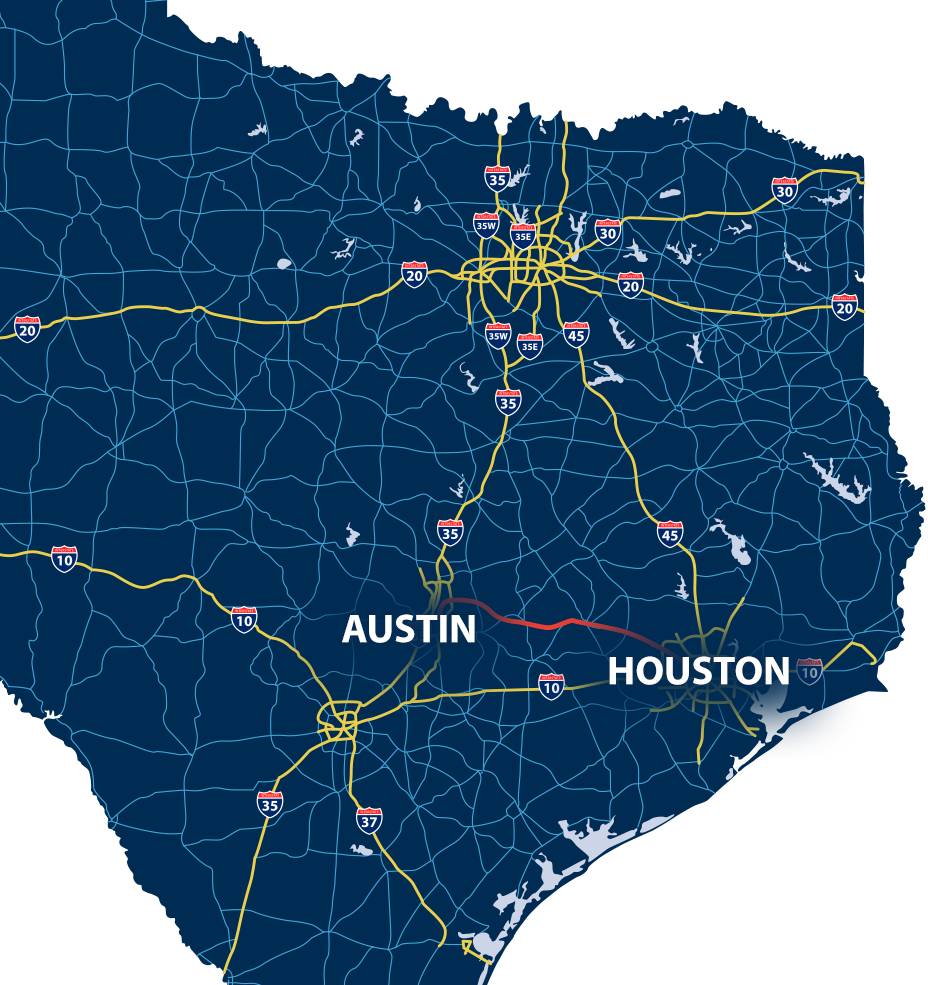
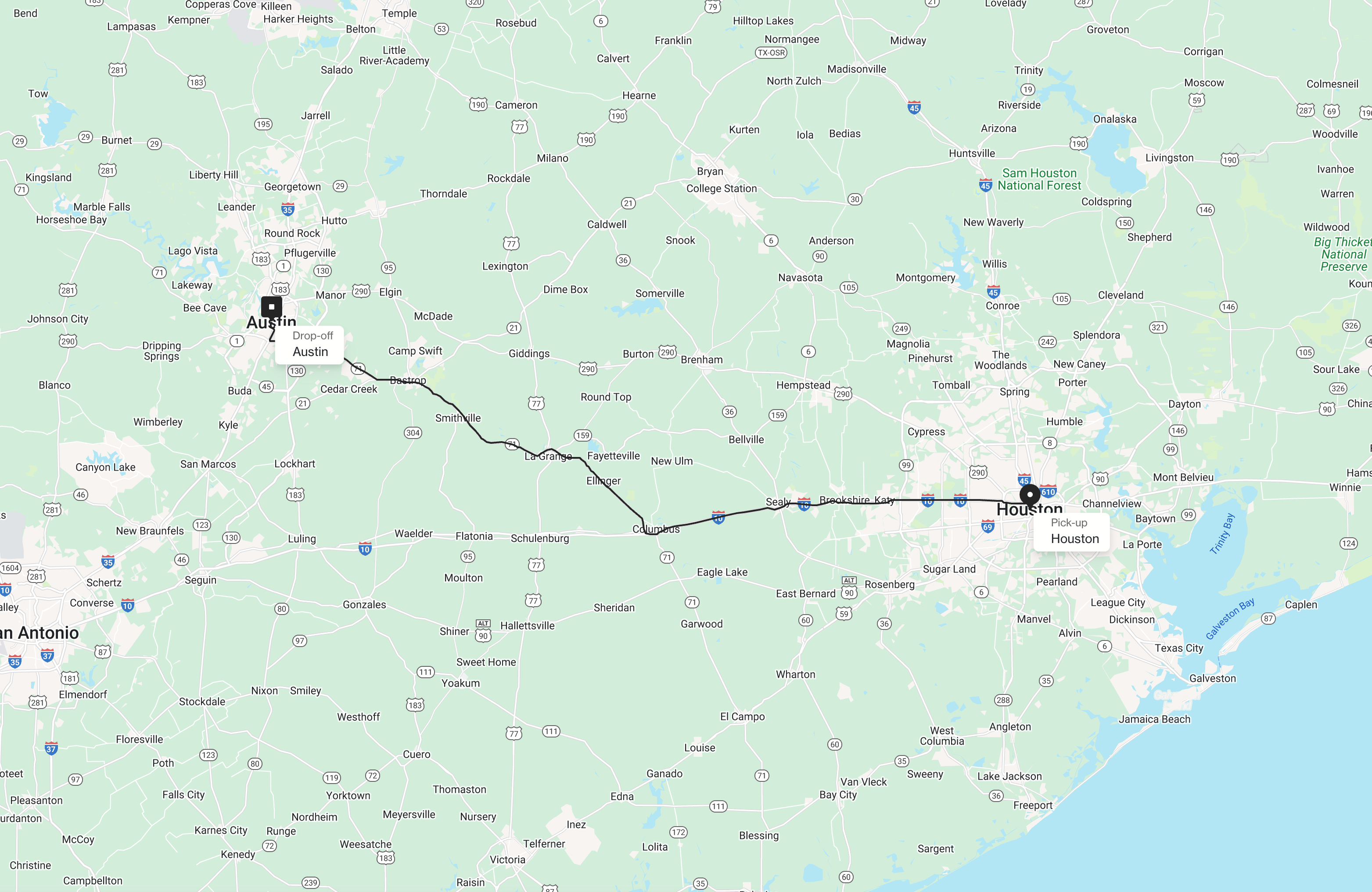
The most common and direct driving route connecting Austin to Houston primarily utilizes US-290 East and, for some variations, a portion of Interstate 10 (I-10). The typical driving distance hovers around 160 to 165 miles (approximately 257 to 265 kilometers), depending on your specific starting point in Austin and your final destination within Houston’s expansive metropolitan area.
An alternative route might involve taking TX-71 East to connect with I-10 East, especially if you’re starting from the southern parts of Austin. Both routes offer relatively straightforward driving experiences, traversing through scenic stretches of the Texas countryside interspersed with smaller towns.
Estimating Travel Duration
Under ideal traffic conditions, the drive from Austin to Houston typically takes between 2.5 to 3 hours. However, it’s crucial to factor in potential delays, especially if you’re traveling during peak hours or on holiday weekends. Traffic congestion can significantly impact travel times, particularly when approaching or departing from either city. For instance, commuting during rush hour in Houston can easily add an extra 30 minutes to an hour to your journey. Using real-time navigation apps is highly recommended to get the most accurate travel time estimates and to navigate around unexpected delays.
Navigating the Lone Star State: Modes of Transportation
While driving is undoubtedly the most popular way to travel between Austin and Houston, several other options cater to different preferences, budgets, and travel styles.
Driving: The Most Popular Choice for Flexibility
The convenience and flexibility of driving make it the preferred mode of transport for many. It allows travelers to set their own schedule, explore attractions along the way, and easily move around once they reach their destination. Rental cars are readily available at both Austin-Bergstrom International Airport (AUS) and Houston’s major airports, George Bush Intercontinental Airport (IAH) and William P. Hobby Airport (HOU).
Tips for Drivers:
- Car Rentals: Pre-booking your rental car can often secure better rates, especially during peak travel seasons.
- Fuel Stops: While plenty of gas stations are available along US-290 and I-10, planning your fuel stops can help maintain momentum.
- Roadside Attractions: Consider a brief stop in towns like Brenham, known for Blue Bell Creameries, or Buc-ee’s for a unique Texas convenience store experience.
Bus Services: An Economical and Convenient Option
For those preferring not to drive, intercity bus services offer an affordable and comfortable alternative. Companies like Greyhound and Megabus operate multiple daily routes between Austin and Houston.
- Greyhound: Provides frequent services from the Austin Greyhound Station to the Houston Greyhound Station.
- Megabus: Often offers direct routes with competitive pricing, departing from convenient locations in both cities, such as near the University of Texas at Austin and Downtown Houston.
Bus journeys typically range from 3 to 4 hours, depending on the number of stops and traffic. This option is particularly attractive for budget travelers, students, or those who prefer to relax and enjoy the scenery without the stress of driving.
Flying: A Quick (But Less Practical) Connection
While both cities have major airports (AUS, IAH, and HOU), flying between Austin and Houston is generally not the most practical option due to the relatively short driving distance. The actual flight time is brief (around 45 minutes), but when you factor in travel to and from airports, security checks, and boarding, the total door-to-door time often exceeds that of driving. However, for travelers connecting to international flights or those with specific time constraints, it might be a consideration.
Ride-Sharing and Private Transfers
Services like Uber and Lyft are available for intercity travel, though the cost can be significantly higher than other options due to the distance. Private shuttle services or car services also offer a more luxurious and personalized transfer experience, ideal for business travelers or those seeking premium convenience.
Exploring Texas’ Twin Gems: Austin and Houston Highlights
Beyond merely getting from point A to point B, the journey between Austin and Houston is an opportunity to immerse yourself in the diverse cultures and attractions of two of Texas’ most prominent cities.
Discovering Austin: The Live Music Capital
Austin captivates visitors with its eclectic music scene, outdoor lifestyle, and progressive spirit.
Must-See Austin Attractions
- Texas State Capitol: A magnificent architectural marvel, offering free tours and a glimpse into Texas history and politics.
- Zilker Park and Lady Bird Lake: The heart of Austin’s outdoor activities. Enjoy kayaking, paddle boarding, or a leisurely stroll along the Ann and Roy Butler Hike-and-Bike Trail. Don’t miss Barton Springs Pool, a natural spring-fed swimming pool.
- South Congress Avenue (SoCo): Famous for its quirky boutiques, vibrant murals, live music venues, and delicious eateries.
- Sixth Street: The epicenter of Austin’s nightlife, lined with historic bars and live music clubs.
- Bullock Texas State History Museum: An excellent place to delve deeper into the rich history of the Lone Star State.
- Mount Bonnell: Offers breathtaking panoramic views of the city skyline, Lake Austin, and the surrounding Texas Hill Country.
Austin’s Culinary Scene
Austin is a foodie paradise, renowned for its barbecue, food trucks, and diverse culinary offerings.
- Franklin Barbecue: A legendary spot for barbecue, though be prepared for long lines.
- Food Truck Parks: Explore numerous food truck parks offering everything from tacos to gourmet fusion dishes.
- Tex-Mex: Indulge in classic Tex-Mex cuisine, a staple of Texas dining.
Experiencing Houston: The Space City
As the largest city in Texas and the fourth largest in the United States, Houston is a sprawling metropolis known for its contributions to space exploration, world-class museums, diverse culinary scene, and booming energy industry.
Top Houston Landmarks and Museums
- Space Center Houston: The official visitor center of NASA’s Johnson Space Center, offering an incredible journey through space history and exploration. A must-visit for all ages.
- Houston Museum District: Home to 19 museums, including the Museum of Fine Arts, Houston (MFAH), the Houston Museum of Natural Science, and the Children’s Museum Houston.
- Hermann Park: A sprawling urban oasis housing the Houston Zoo, a golf course, and pedal boats.
- The Galleria: A premier shopping destination, featuring high-end brands, restaurants, and an ice-skating rink.
- Discovery Green: A vibrant urban park in Downtown Houston hosting events, concerts, and public art.
- Buffalo Bayou Park: Offers stunning skyline views, walking and biking trails, and unique art installations.
- Rothko Chapel and The Menil Collection: For art lovers, these provide serene and thought-provoking cultural experiences.
Houston’s Diverse Food Landscape
Houston’s culinary scene is celebrated for its incredible diversity, influenced by its large international population.
- Vietnamese Cuisine: Explore the vibrant Bellaire Chinatown for authentic Vietnamese dishes.
- Tex-Mex and Barbecue: Similar to Austin, Houston boasts fantastic Tex-Mex and barbecue joints.
- Fine Dining: The city offers an array of upscale restaurants for a luxurious dining experience.
Where to Stay: Accommodation Options in Both Cities
Both Austin and Houston offer a wide spectrum of accommodation options, catering to every budget and travel style, from luxury resorts to boutique hotels and extended-stay apartments.
Austin’s Accommodation Spectrum
As a major tourist and business destination, Austin provides numerous choices for overnight stays.
- Luxury & Boutique Hotels: For a premium experience, consider properties like the Four Seasons Hotel Austin with its lakeside views, the historic The Driskill on Sixth Street, or the modern JW Marriott Austin in Downtown Austin. Boutique options like Hotel San Jose or South Congress Hotel offer a distinct local flavor.
- Mid-Range Hotels: Brands like Hyatt Regency Austin, Embassy Suites by Hilton Austin Downtown South Congress, and various Marriott and Hilton properties provide comfortable stays with excellent amenities.
- Budget-Friendly Options: Numerous motels and hotels are located further from the city center or near the airport, offering more economical choices.
- Vacation Rentals: Airbnb and similar platforms offer apartments and homes, ideal for families or longer stays, allowing for a more localized experience.
Houston’s Hotel Landscape
Houston’s immense size means its hotel offerings are incredibly diverse, spread across various districts, each with its own appeal.
- Luxury & High-End Resorts: In the Uptown/Galleria area, you’ll find opulent choices like The Post Oak Hotel at Uptown Houston or Hotel Granduca Houston. Downtown Houston boasts the Marriott Marquis Houston with its famous Texas-shaped lazy river and the Hilton Americas-Houston, connected to the George R. Brown Convention Center. The Museum District offers unique stays like Hotel ZaZa Houston Museum District.
- Business & Mid-Range Hotels: Options like Hyatt Regency Houston, Omni Houston Hotel, and numerous other reputable chains are available throughout the city, catering to business travelers and families.
- Extended Stay & Serviced Apartments: For longer visits, properties such as Residence Inn or Homewood Suites provide apartment-style living with kitchenettes and extra space.
- Budget Accommodations: Affordable hotels and motels are available in various neighborhoods, especially outside the central business and tourist districts.
When choosing accommodation, consider the primary purpose of your visit. For nightlife and music, staying near Downtown Austin or South Congress is ideal. In Houston, if you’re visiting museums, the Museum District is perfect; for shopping, the Galleria area is your best bet.
Planning Your Texas Adventure: Tips for a Seamless Trip
A well-planned trip ensures maximum enjoyment and minimal stress. Here are some essential tips for your Austin to Houston journey.
Best Time to Visit
Texas summers can be intensely hot, with temperatures often exceeding 90°F (32°C). The ideal times to visit are generally spring (March to May) and fall (September to November). During these seasons, the weather is pleasant, perfect for outdoor activities and festivals. Spring also brings the stunning bloom of wildflowers, including the iconic Texas bluebonnets. Winter months are mild and can be a great time to visit for those escaping colder climates, though occasional cold snaps can occur.
Packing Essentials
- Comfortable Walking Shoes: You’ll be doing a lot of exploring in both cities.
- Light Layers: Texas weather can be unpredictable, so layers are always a good idea.
- Sun Protection: Sunscreen, hats, and sunglasses are essential year-round.
- Reusable Water Bottle: Stay hydrated, especially if you’re out and about.
- Camera: To capture the vibrant scenes and iconic landmarks.
Budgeting for Your Trip
Travel costs can vary widely depending on your chosen travel style (luxury, mid-range, budget).
- Transportation: Driving your own car is often the most cost-effective for groups. Buses are excellent for solo or budget travelers.
- Accommodation: Book in advance, especially during peak seasons or major events like SXSW in Austin or the Houston Livestock Show and Rodeo.
- Food: Both cities offer options from budget-friendly food trucks and casual eateries to high-end dining experiences.
- Activities: Many parks and outdoor attractions are free, while museums and specific events may have admission fees. Look for city passes if you plan to visit multiple paid attractions.
Combining Business with Pleasure
Both Austin and Houston are major hubs for business and conventions. If your trip involves work, consider extending your stay for a few extra days to enjoy the local culture and attractions. Many hotels cater to business travelers, offering amenities like meeting rooms, business centers, and executive lounges. The relatively short distance makes it feasible to even commute between the two cities for specific business engagements if needed, though this is less common for daily commutes.
In conclusion, the journey from Austin to Houston is more than just a matter of distance; it’s an opportunity to experience the incredible diversity and vibrant spirit of Texas. Whether you’re driving yourself, taking a bus, or exploring other options, both cities promise a rich tapestry of culture, entertainment, and unforgettable experiences. Plan wisely, drive safely, and get ready to discover the heart of the Lone Star State.
LifeOutOfTheBox is a participant in the Amazon Services LLC Associates Program, an affiliate advertising program designed to provide a means for sites to earn advertising fees by advertising and linking to Amazon.com. Amazon, the Amazon logo, AmazonSupply, and the AmazonSupply logo are trademarks of Amazon.com, Inc. or its affiliates. As an Amazon Associate we earn affiliate commissions from qualifying purchases.