
For the intrepid traveler, the journey from New York to Australia represents one of the most significant treks one can undertake on a commercial flight. Spanning nearly half the globe, this transpacific odyssey bridges the bustling, vertical energy of the East Coast of the United States with the vast, sun-drenched landscapes and coastal allure of the Southern Hemisphere. Understanding the geography and logistics of this distance is the first step toward planning a seamless escape to the land Down Under.
The Geography of the Great Divide
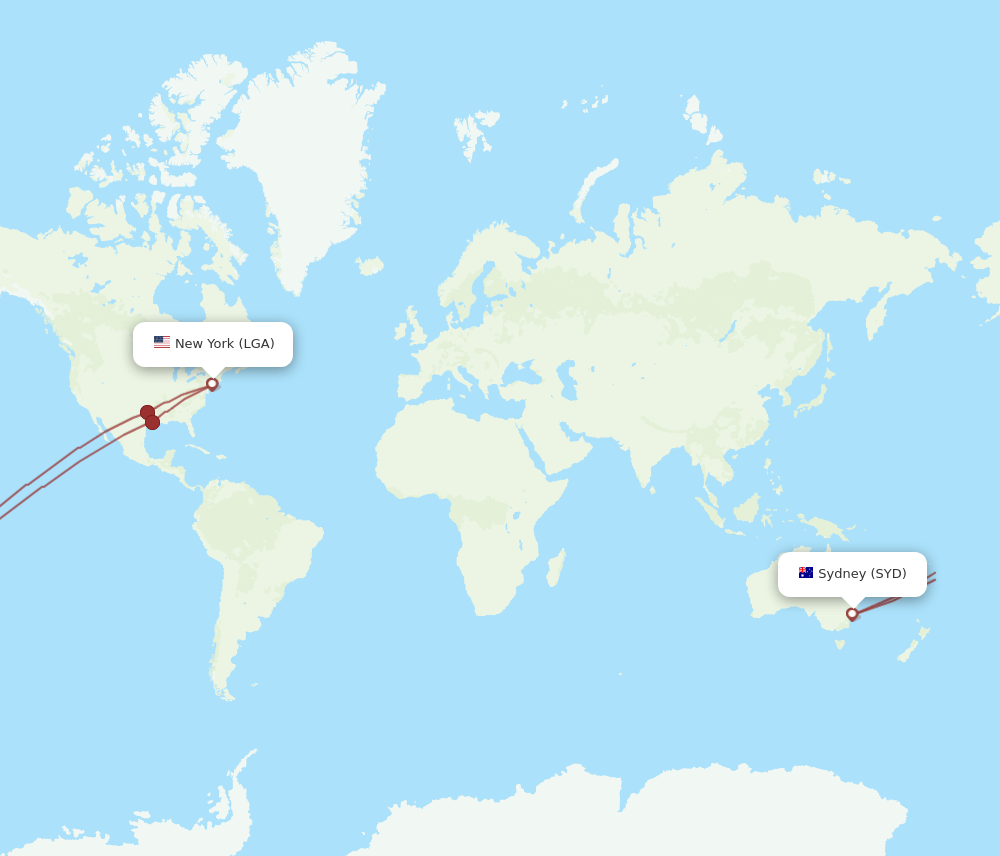
When mapping the distance between New York City and major Australian hubs, the numbers are as staggering as the continent is diverse. As the crow flies, the distance between the “Big Apple” and Sydney—the primary gateway for international arrivals—is approximately 10,000 miles (roughly 16,000 kilometers).
Navigating the Pacific Corridor
Because of the curvature of the Earth, flight paths do not simply draw a straight line across a flat map. Instead, aircraft utilize “great circle” routes that arc northward toward the Pacific Ocean and down toward the Tasman Sea. This path takes travelers across time zones and through the heart of the international date line, effectively turning a calendar day into a transient experience of light and shadow.
Time Zones and the Chronological Leap
Traveling from North America to Oceania is more than just a spatial displacement; it is a profound chronological leap. Depending on the time of year and daylight saving adjustments in cities like Melbourne or Brisbane, you are looking at a time difference of 14 to 16 hours ahead of Eastern Standard Time. While the distance feels daunting, the phenomenon of “losing a day” upon crossing the international date line is a quintessential part of the long-haul travel narrative.
Flight Logistics and Duration
The duration of your journey depends heavily on your choice of route, the aircraft, and whether you opt for a direct transit or a multi-stop itinerary. In recent years, aviation technology has pushed the boundaries of ultra-long-haul travel, bringing Australia closer than ever before.
Direct vs. Connecting Flights
While direct flights from the U.S. East Coast to Australia remain a rarity due to the sheer technical requirements of such a distance, many travelers choose to transit through major hubs. Common stopover points include Los Angeles, San Francisco, Vancouver, or even Honolulu. A flight with a short layover can easily push the total travel time to 22–26 hours.
The Era of Ultra-Long-Haul Travel
Aviation pioneers are currently refining the capabilities for non-stop flights from New York to Sydney. These journeys, often dubbed “Project Sunrise,” aim to shave hours off the total transit time by eliminating the need for ground-based connection delays. Even on a direct flight, passengers should prepare for approximately 20 to 21 hours in the air, necessitating a strategic approach to inflight comfort, hydration, and cabin wellness.

Preparing for the Journey Across the Hemisphere
Crossing 10,000 miles requires more than just a ticket; it demands a comprehensive strategy to combat jet lag and ensure that you arrive ready to explore the Great Barrier Reef or wander the historic laneways of Melbourne.
Managing the Physical Toll
The transition from the dense urban atmosphere of Manhattan to the relaxed pace of the Gold Coast is a physiological shock. To minimize the effects of the extreme distance:
- Adjust Early: Begin shifting your sleep schedule by an hour or two several days before your departure.
- Hydration is Key: The low humidity in pressurized cabins can dehydrate you quickly, exacerbating the exhaustion associated with such a long trip.
- Strategic Movement: On a 20-hour flight path, movement is mandatory. Taking advantage of the walking space provided on modern aircraft helps maintain circulation.
Documentation and Arrival
Regardless of the distance, Australia maintains rigorous entry requirements. Travelers from the United States must obtain an Electronic Travel Authority (ETA) or a visitor visa before boarding their flight. Understanding these bureaucratic hurdles is just as important as knowing the flight time, as failing to secure proper clearance can ground a trip before it ever departs the tarmac at John F Kennedy International Airport.
Choosing Your Gateway to the South
The vastness of Australia means that the “distance” changes depending on your specific destination. While Sydney is the most frequent arrival point for international flights from New York, the country is essentially a continent unto itself.
Arriving in Sydney
Most travelers land in New South Wales first. From here, the iconic Sydney Opera House and Bondi Beach serve as the perfect cultural entry point, allowing you to acclimate to the rhythm of the Southern Hemisphere before heading further afield.
Exploring the Rest of the Continent
Once you have cleared the initial hurdle of the flight, domestic travel becomes your new focus. The distance between Sydney and Perth, located on the western coast, is another five-hour flight. Similarly, reaching the tropical wonders of Cairns or the rugged terrain of the Northern Territory involves additional travel time. Recognizing that Australia is massive is vital to managing your expectations; you cannot simply drive from the east coast to the west in a weekend.

The Rewards of the Long Haul
Why endure the 10,000-mile journey? Because the Southern Hemisphere offers a biodiversity and cultural experience unavailable anywhere else on the planet. Whether you are trekking through the Blue Mountains, experiencing the culinary renaissance of Melbourne, or marveling at the ancient formations in Uluru, the distance from New York is quickly forgotten once the landing gear touches the Australian earth.
The distance between these two iconic worlds is substantial, but in our modern age of aviation, it is a surmountable challenge. By respecting the scale of the trip and planning for the journey, the transition from the frantic pace of the Northern Hemisphere to the expansive, rugged beauty of Australia becomes a rewarding rite of passage for every world traveler.
LifeOutOfTheBox is a participant in the Amazon Services LLC Associates Program, an affiliate advertising program designed to provide a means for sites to earn advertising fees by advertising and linking to Amazon.com. Amazon, the Amazon logo, AmazonSupply, and the AmazonSupply logo are trademarks of Amazon.com, Inc. or its affiliates. As an Amazon Associate we earn affiliate commissions from qualifying purchases.