
Traveling between Baltimore and New York is a quintessential Northeast Corridor experience. Whether you are moving between two hubs of history, culture, and industry, understanding the distance and the logistical realities of the journey is essential for any traveler. Spanning roughly 190 miles, the trip is deceptively simple, yet the method of transport you choose drastically alters the nature of the journey. Navigating this corridor requires balancing speed, cost, and the specific rhythm of the Atlantic coast.
Rail Travel: The Gold Standard of Efficiency
For most commuters and leisure travelers, the train remains the most reliable way to traverse the distance between Maryland and New York State.
Amtrak and the Northeast Regional
The primary artery connecting these two cities is the Amtrak line. On the Northeast Regional train, the journey typically takes between two and a half to three hours. Departing from Baltimore Penn Station and arriving at Moynihan Train Hall in Manhattan, travelers benefit from the ability to work, read, or simply enjoy the landscape without the stress of navigating highway congestion. The rail infrastructure allows for a smooth transition from the historic charm of the Inner Harbor to the bustling urban density of Midtown.
Acela Express Considerations
For those prioritizing time, the Acela offers a high-speed alternative. While the time savings are modest—often cutting the trip down to just over two hours—the enhanced service levels, extra legroom, and quieter atmosphere make it a popular choice for business travelers. By booking in advance, you can avoid the price volatility that often characterizes last-minute rail tickets.
Road Travel: Navigating the I-95 Corridor
Driving from Baltimore to New York provides maximum flexibility but comes with the inherent unpredictability of the Interstate 95 highway system.
Understanding Traffic and Timing
The distance of approximately 190 miles can take anywhere from three and a half hours to six hours depending on the time of day. Passing through Delaware, Pennsylvania, and New Jersey involves navigating several major metropolitan areas. Heavy congestion is standard near the Philadelphia stretch and the entry points into New York City. Avoiding rush hour, specifically early morning and late afternoon peaks, is the single most important factor in ensuring a predictable arrival time.
Tolls and Infrastructure
The route is heavily tolled, utilizing a combination of electronic tolling systems. Travelers should be prepared to manage fees through bridges and turnpikes. It is advisable to have an E-ZPass or similar toll collection device to ensure seamless transitions at toll plazas. While the Baltimore-Washington Parkway is a scenic route for local travel, the bulk of the distance to the Big Apple is strictly a highway endeavor that requires patience and alertness, especially when entering the dense traffic patterns of the Lincoln Tunnel or George Washington Bridge.
Bus Travel: The Budget-Conscious Alternative

For those looking to minimize travel expenses, intercity bus services provide a robust network between Baltimore and New York.
Service Providers and Comfort
Companies such as Megabus and FlixBus operate frequent routes throughout the day. While these trips are subject to the same traffic conditions as private automobiles, they eliminate the stress of driving and the cost of parking in Manhattan. Most modern bus services now offer onboard Wi-Fi and power outlets, making them a practical office-on-the-go for many passengers.
Departure and Arrival Logistics
Buses typically depart from central locations near Baltimore Penn Station or White Marsh and arrive at the Port Authority Bus Terminal. This location is arguably one of the most convenient drop-off points, as it places travelers directly in the heart of the theater district, within walking distance of Times Square and various major subway lines.
Air Travel: Is It Worth the Effort?
Occasionally, travelers wonder if flying is a viable option between Baltimore and New York.
The Airport Factor
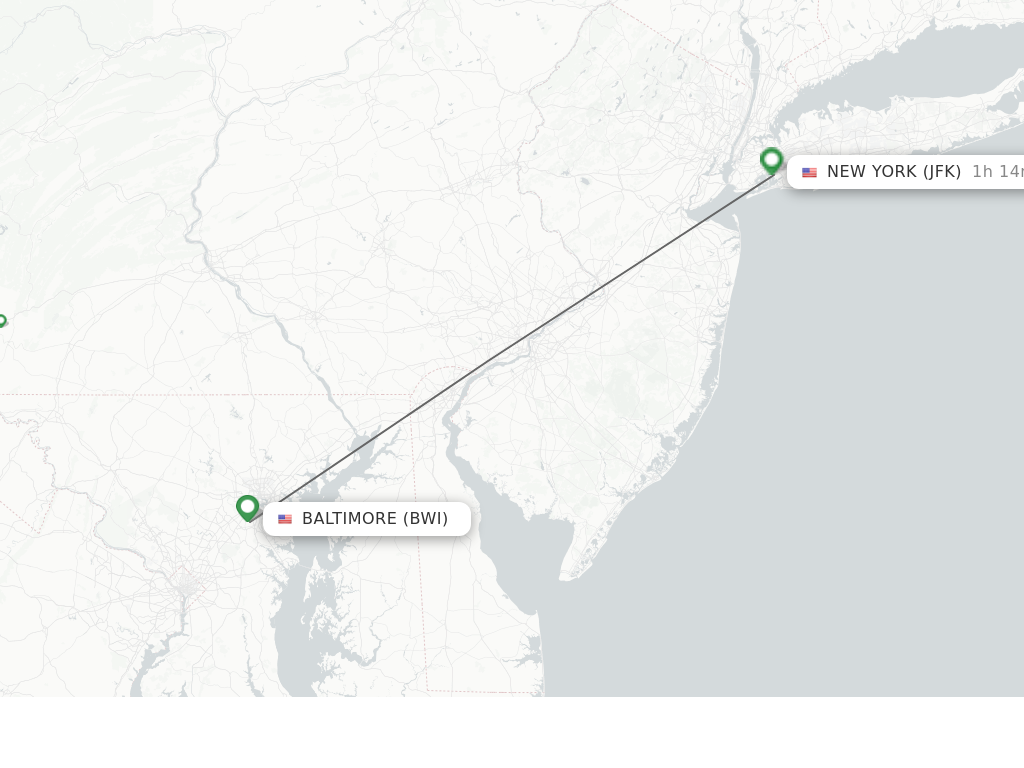
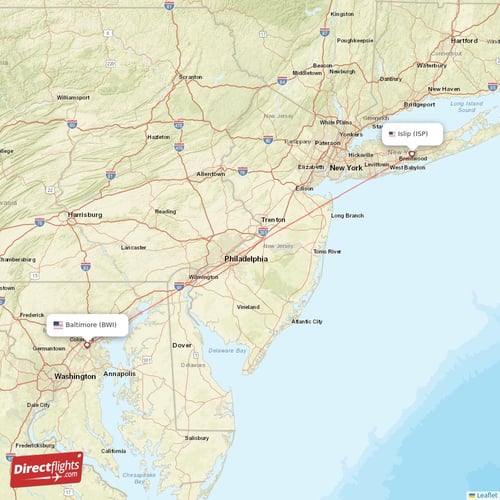
While Baltimore/Washington International Thurgood Marshall Airport offers flights into LaGuardia Airport, John F. Kennedy International Airport, or Newark Liberty International Airport, the actual flight time is often negated by the time spent in security lines and boarding procedures. By the time you travel to the airport, clear security, fly for 45 minutes, and navigate the transit from the airport into the city, you have likely spent significantly more time than you would have on the train.
Comparing Real-World Travel Times
Unless you are connecting from an international flight, flying between these two cities is generally discouraged due to the extreme efficiency of rail service. The carbon footprint is also considerably higher for air travel, and the inconvenience of baggage claim and airport transfers often makes it the least efficient method for such a relatively short geographic distance. For most, the train remains the superior choice for comfort, speed, and overall travel experience.
Navigating the Northeast Corridor Like a Pro
Regardless of your chosen mode of transportation, the trip between Baltimore and New York is a journey through the heart of American history and commerce.
- Plan Around Events: Be aware that major holidays and special events in New York City often cause surges in travel demand. Booking your train or bus tickets weeks in advance can save significant amounts of money.
- Pack Light: If traveling by train or bus, your ability to move quickly through busy stations is dependent on your luggage. Utilize bags that are easy to maneuver in crowded environments.
- Check Weather Patterns: The Northeast is prone to winter storms that can disrupt both rail and road travel. During the winter months, always monitor weather reports for Washington D.C. and New York before finalizing your plans.
- Enjoy the Transition: The scenery shifts from the classic brick architecture of Baltimore to the post-industrial landscapes of New Jersey and finally the dramatic skyline of New York. Taking the time to observe this geographic transition is one of the subtle pleasures of ground travel in the United States.
Whether you choose the speed of Amtrak or the independence of your own car, the 190-mile distance is easily managed with proper preparation. Understanding your priorities—whether they be budget, comfort, or schedule flexibility—will help you select the mode of transport that best serves your needs. As these two vibrant cities continue to grow and evolve, the ease of movement between them remains a vital component of the Northeast Corridor’s identity.
LifeOutOfTheBox is a participant in the Amazon Services LLC Associates Program, an affiliate advertising program designed to provide a means for sites to earn advertising fees by advertising and linking to Amazon.com. Amazon, the Amazon logo, AmazonSupply, and the AmazonSupply logo are trademarks of Amazon.com, Inc. or its affiliates. As an Amazon Associate we earn affiliate commissions from qualifying purchases.