
For travelers exploring the vibrant culture and rich history of the United States Gulf Coast, the proximity of Baton Rouge to New Orleans often sparks curiosity. These two iconic Louisiana cities, while distinct in their character and offerings, are surprisingly close, making a dual-city exploration not just feasible but highly recommended. Understanding the distance, travel options, and what each destination brings to the table is key to planning an unforgettable Louisiana adventure. From the political gravitas of the state capital to the unparalleled festive spirit of the Crescent City, the journey between them is an easy transition from one fascinating experience to another.
The Journey: Distance, Travel Options & Time
The question of “how far” is more than just a number on a map; it’s about the ease of travel, the scenic routes available, and the time commitment for an enriching experience. Fortunately, the distance between Baton Rouge and New Orleans is quite manageable, positioning them as ideal companions for any travel itinerary focused on Louisiana’s unique charm.
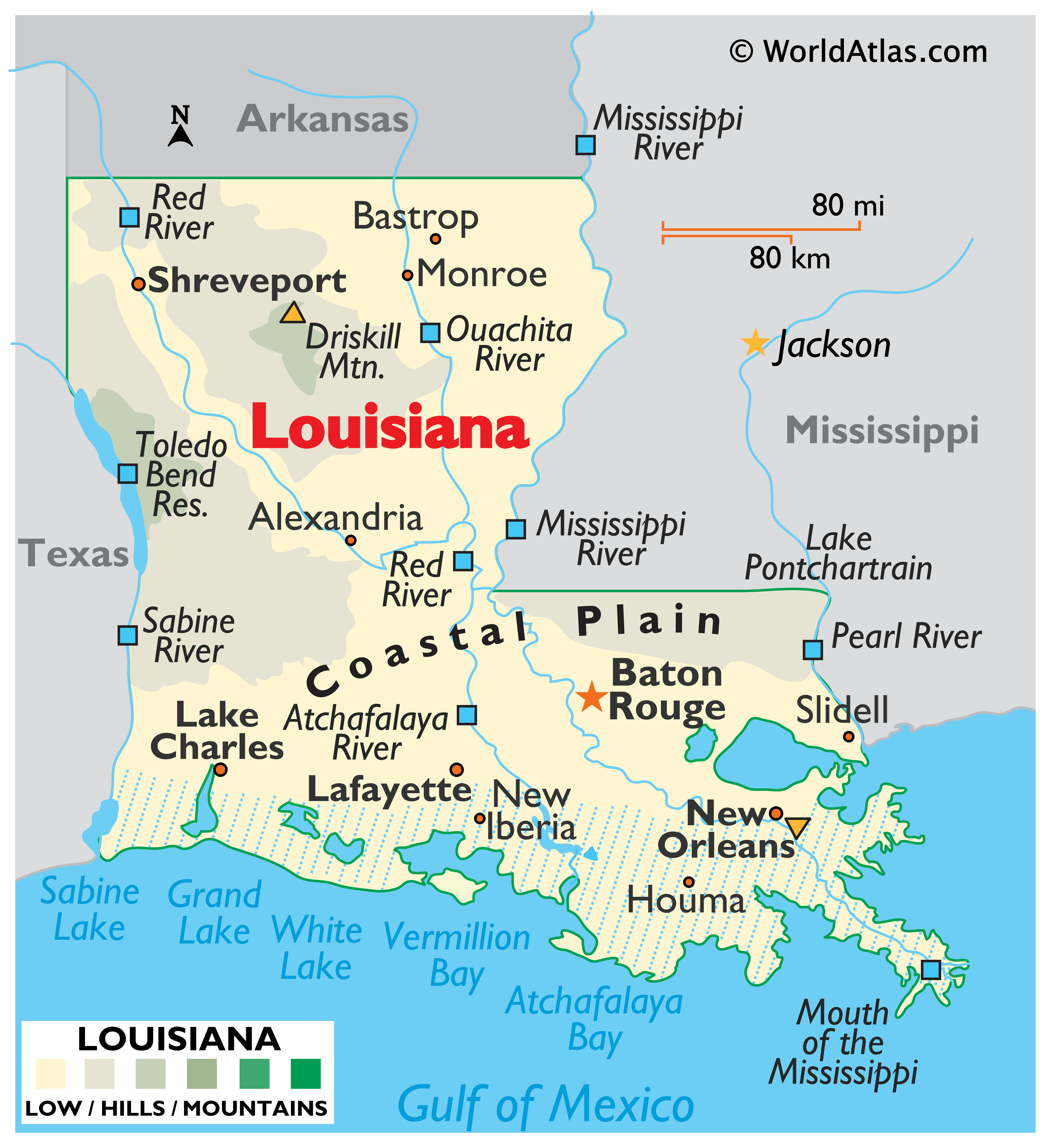
The approximate distance between the downtown areas of Baton Rouge and New Orleans is about 80 to 90 miles (approximately 128 to 145 kilometers). This relatively short distance means that day trips between the two cities are entirely possible, though an overnight stay in each allows for a deeper dive into their respective cultures.
Driving: The Most Popular Route
By far the most common and convenient way to travel between Baton Rouge and New Orleans is by car. The primary route is via Interstate 10 (I-10), which directly connects the two urban centers.
Travel Time: Under normal traffic conditions, the drive typically takes between 1 hour and 15 minutes to 1 hour and 45 minutes. However, it’s crucial for travelers to factor in potential delays, especially during peak commuter hours, holidays, or if there are any incidents on I-10. Morning commutes into New Orleans and afternoon commutes out of Baton Rouge (or vice versa) can extend travel times. Utilizing real-time navigation apps is highly recommended to get the most accurate travel estimates.
Scenic Alternatives: While I-10 is the fastest, travelers with a bit more time might enjoy exploring the scenic routes that weave through Louisiana’s historic plantation country. US-61, often referred to as the River Road, runs parallel to the Mississippi River and offers glimpses into antebellum architecture and vast sugar cane fields. This route is slower but provides a rich historical context and opportunities to stop at various iconic plantations for tours. It’s a fantastic option for those seeking a deeper cultural immersion and a more relaxed pace. Another notable landmark along the way, especially if detouring slightly south, is the Sunshine Bridge, a majestic structure spanning the Mississippi River.

Public Transportation: Bus & Train Options
For travelers who prefer not to drive or are looking for budget-friendly alternatives, public transportation offers viable options, though they typically take longer than driving.
Bus Services: Greyhound operates daily bus services between Baton Rouge and New Orleans. The journey duration can vary but usually falls in the range of 2 to 3 hours, depending on the specific route and number of stops. Bus travel offers a convenient way to sit back, relax, and enjoy the passing scenery without the stress of navigating or parking.
Train Services: Amtrak also provides train service between the two cities. The City of New Orleans route, while more geared towards longer cross-country journeys, does include stops in both Baton Rouge (specifically in nearby Hammond, requiring a short transfer) and New Orleans. Train travel offers a unique perspective and can be a comfortable option, albeit often less frequent and potentially slower than driving. It’s a great choice for those who appreciate the romance of rail travel.
Discovering Baton Rouge: The Capital City’s Charms
Baton Rouge, the capital of Louisiana, offers a distinctly different vibe from its southern neighbor. It’s a city steeped in political history, academic excellence, and Southern charm, providing a more relaxed pace for visitors.
Top Attractions & Landmarks in Baton Rouge
History and culture are at the forefront of Baton Rouge’s appeal:
- Old State Capitol: Often referred to as “Louisiana’s Castle,” this Gothic Revival architectural marvel served as the statehouse from 1847 to 1932. Today, it’s a museum showcasing Louisiana’s political history and a stunning landmark.
- New State Capitol: Standing tall as the tallest capitol building in the United States, this impressive Art Deco skyscraper offers panoramic views of the city from its observation deck. Its legislative chambers and memorial hall are also open to visitors.
- Louisiana State University (LSU): The campus of LSU is a destination in itself, known for its beautiful architecture, live oak trees, and the iconic Tiger Stadium. Visitors can explore the LSU Rural Life Museum, which depicts 19th-century Louisiana life, and the LSU Museum of Art at the Shaw Center for the Arts downtown.
- USS Kidd Veterans Memorial and Museum: Moored on the Mississippi River, this fully restored WWII destroyer offers a fascinating glimpse into naval history.
- Magnolia Mound Plantation: A rare example of an early Louisiana plantation, Magnolia Mound provides insights into the lifestyle of early settlers and the evolution of the region’s agricultural economy.
- Family Fun: For families, Blue Bayou Water Park and Dixie Landin’ Amusement Park offer seasonal thrills and entertainment.
- Shopping and Entertainment: Areas like Perkins Rowe and the Mall of Louisiana provide modern shopping, dining, and entertainment options.
Where to Stay: Hotels & Accommodation in Baton Rouge
Baton Rouge offers a diverse range of accommodations to suit various preferences and budgets, from luxury boutique hotels to convenient extended-stay options.
- Luxury & Boutique: For a refined experience, consider the Watermark Baton Rouge, Autograph Collection. Housed in a beautifully restored historic bank building downtown, it offers elegant rooms and a unique ambiance. The Hilton Baton Rouge Capitol Center provides upscale comfort with views of the Mississippi River and easy access to downtown attractions.
- Mid-Range & Family-Friendly: Options like The Cook Hotel & Conference Center on the LSU campus or the SpringHill Suites Baton Rouge Downtown offer comfortable stays with modern amenities, often including complimentary breakfast and pools, ideal for families or business travelers.
- Business & Modern: The Renaissance Baton Rouge Hotel is a popular choice for its contemporary design, excellent facilities, and convenient location near shopping and dining districts.
When booking accommodation in Baton Rouge, consider your itinerary. Downtown hotels are perfect for exploring historic sites, while those near LSU cater to campus visitors, and properties off I-10 offer easy access to suburban attractions.
Culinary Delights & Local Culture in Baton Rouge
Baton Rouge’s culinary scene reflects Louisiana’s rich gastronomic heritage, blending Cajun and Creole influences with Southern comfort food. Expect hearty dishes, fresh seafood, and a lively atmosphere. Don’t miss trying local favorites like gumbo, jambalaya, and fresh oysters.
The city’s cultural pulse can be felt through its live music venues, art galleries, and community events. While not as overtly boisterous as New Orleans, Baton Rouge offers its own brand of Southern hospitality and entertainment, often centered around college sports, local festivals, and performing arts at venues like the Shaw Center for the Arts.
Exploring New Orleans: The Crescent City’s Allure
New Orleans is a city that needs little introduction. World-renowned for its unique blend of cultures, vibrant music scene, distinctive architecture, and unparalleled culinary traditions, it promises an unforgettable experience unlike anywhere else in the United States.
Iconic Neighborhoods & Must-See Sights in New Orleans
The tapestry of New Orleans is woven through its diverse neighborhoods and historic landmarks:
- French Quarter: The heart and soul of New Orleans, the French Quarter is a National Historic Landmark. Wander through its narrow streets, admire the iconic wrought-iron balconies, and soak in the lively atmosphere of Bourbon Street. Don’t miss Jackson Square, flanked by the majestic St. Louis Cathedral, and savor beignets and café au lait at Café Du Monde.
- Garden District: A stark contrast to the French Quarter’s European charm, the Garden District boasts stunning antebellum mansions, lush gardens, and oak-lined streets. A ride on the historic St. Charles Streetcar offers a charming tour of this opulent neighborhood. Explore Magazine Street for unique boutiques, art galleries, and diverse dining.
- Museums & Culture: The National WWII Museum is a world-class institution offering a powerful and immersive experience. Art enthusiasts will appreciate the galleries in the Arts District.
- Music & Entertainment: Beyond Bourbon Street, Frenchmen Street in the Faubourg Marigny neighborhood is the place to experience authentic live jazz, blues, and Zydeco music. For an intimate performance, catch a show at Preservation Hall.
- Family Attractions: Audubon Zoo and the Audubon Aquarium of the Americas offer engaging experiences for all ages. City Park, one of the oldest urban parks in the United States, provides ample space for recreation, including boat rentals, botanical gardens, and the New Orleans Museum of Art.
- Unique Experiences: Take a Swamp Tour or Airboat Tour just outside the city to witness Louisiana’s wild side and spot alligators. A steamboat cruise on the Mississippi River offers iconic city views.
Accommodation Choices: From Boutique to Grand Resorts in New Orleans
New Orleans boasts an incredible array of hotels and accommodation types, each reflecting the city’s unique charm and hospitality.
- Luxury & Historic Hotels: For an opulent stay, consider the The Roosevelt New Orleans, A Waldorf Astoria Hotel, known for its Sazerac Bar and grand lobby, or the historic Hotel Monteleone with its famous Carousel Bar. The Ritz-Carlton, New Orleans and Windsor Court Hotel offer five-star service and amenities. The Omni Royal Orleans Hotel provides a prime French Quarter location with luxurious comforts.
- Boutique & Trendy: The city is dotted with charming boutique hotels that offer personalized experiences. The Ace Hotel New Orleans in the Arts District combines art deco design with modern amenities, while the newly opened Virgin Hotels New Orleans offers a vibrant, design-forward stay. The elegant Pontchartrain Hotel in the Garden District provides classic Southern hospitality with stunning city views from its rooftop bar.
- Budget-Friendly & Extended Stays: Numerous chain hotels and guesthouses throughout the city cater to budget-conscious travelers. For longer stays, apartments and villa rentals are widely available, especially outside the immediate French Quarter. These options often come with kitchenettes and more space, offering a “home away from home” experience.
When selecting accommodation, consider the neighborhood that best suits your travel style. The French Quarter is ideal for those who want to be in the thick of the action, while the Garden District offers a quieter, more residential feel. The Central Business District and Warehouse District provide modern options close to museums and convention centers.
Gastronomy, Music & Unique Experiences in New Orleans
New Orleans is a global culinary capital. Its cuisine is a delectable fusion of Creole, Cajun, and international influences. From fine dining establishments to casual cafes and street food, every meal is an adventure. Must-try dishes include gumbo, jambalaya, etouffee, po’boys, and fresh seafood. The city’s famous daiquiris and Hurricane cocktails are quintessential experiences.
Music is the heartbeat of New Orleans, with live performances echoing from every street corner, particularly in the French Quarter and on Frenchmen Street. The city is the birthplace of jazz and continues to nurture a vibrant scene encompassing blues, funk, and rock. Visitors can also immerse themselves in the unique history of Treme, one of the oldest African-American neighborhoods in the United States and a cradle of Creole culture.
Beyond food and music, New Orleans offers an array of unique lifestyle experiences. Attend a cooking class to learn the secrets of Creole cuisine, explore the city’s historic cemeteries (like St. Louis Cemetery No. 1) on a guided tour, or, if your visit aligns, experience the unparalleled spectacle of Mardi Gras or one of the many other festivals that fill the city’s calendar.
Making the Most of Your Trip: Travel Tips & Itinerary Ideas
Combining a visit to Baton Rouge and New Orleans offers a comprehensive exploration of Louisiana’s diverse offerings. Here are some tips to help plan your adventure.
Combining Both Cities: A Dual-Destination Itinerary
A popular itinerary involves spending 2-3 days in New Orleans to soak in its vibrant atmosphere, followed by 1-2 days in Baton Rouge to delve into its historical and political landscape.
- Option 1: New Orleans First: Fly into Louis Armstrong New Orleans International Airport (MSY)), explore New Orleans, then rent a car or take a bus/train to Baton Rouge. Fly out of Baton Rouge Metropolitan Airport (BTR)) if possible, or return to New Orleans.
- Option 2: Baton Rouge First: Fly into BTR, explore Baton Rouge, then drive to New Orleans and fly out of MSY. This can be a great way to ease into Louisiana’s pace before hitting the bustling Crescent City.
- Day Trips: For those with limited time, a day trip from New Orleans to Baton Rouge (or vice versa) is perfectly feasible, focusing on a few key attractions in the capital. Many travelers also opt for day trips from either city into the surrounding Acadiana region for a taste of authentic Cajun culture and swamp tours.
Practical Tips for a Smooth Journey
- Transportation: Renting a car offers the most flexibility, especially if you plan to explore attractions outside the city centers or take the scenic River Road. For urban exploration, New Orleans is walkable in many areas, and its streetcar system is excellent. Baton Rouge is more spread out, making a car beneficial.
- Parking: Be mindful of parking in both cities, particularly in crowded areas like the French Quarter in New Orleans, where it can be expensive and hard to find. Many hotels offer parking, but it might come with an additional fee.
- Weather: Louisiana experiences hot and humid summers. Spring and fall offer the most pleasant weather for sightseeing. Be prepared for occasional rain showers regardless of the season.
- Booking Accommodation: Especially during peak seasons (like Mardi Gras in New Orleans or LSU home game weekends in Baton Rouge), book your hotels and tours well in advance. Comparing prices and amenities on websites like Life Out of the Box can help you find the best deals on suites, resorts, apartments, and villas that match your lifestyle and budget – whether it’s luxury travel, budget travel, or family trips.
The journey between Baton Rouge and New Orleans is more than just a matter of miles; it’s an invitation to experience the diverse tapestry of Louisiana’s history, culture, and hospitality. With a relatively short distance and multiple convenient travel options, exploring both the political heart and the festive soul of the state is an accessible and highly rewarding endeavor for any traveler.
LifeOutOfTheBox is a participant in the Amazon Services LLC Associates Program, an affiliate advertising program designed to provide a means for sites to earn advertising fees by advertising and linking to Amazon.com. Amazon, the Amazon logo, AmazonSupply, and the AmazonSupply logo are trademarks of Amazon.com, Inc. or its affiliates. As an Amazon Associate we earn affiliate commissions from qualifying purchases.