
Exploring the vibrant Pacific Northwest often brings travelers to the dynamic duo of Seattle and Bellevue, two distinct yet closely connected cities that offer a wealth of experiences. Understanding the proximity between them is crucial for planning efficient itineraries, whether you’re commuting for business, embarking on a leisurely exploration of local attractions, or simply seeking to maximize your time in the region. The answer to “how far is Bellevue, Washington from Seattle?” is not a single, static number, but rather a range that depends on the mode of transportation, traffic conditions, and the specific starting and ending points within each city.

Understanding the Geographic Relationship
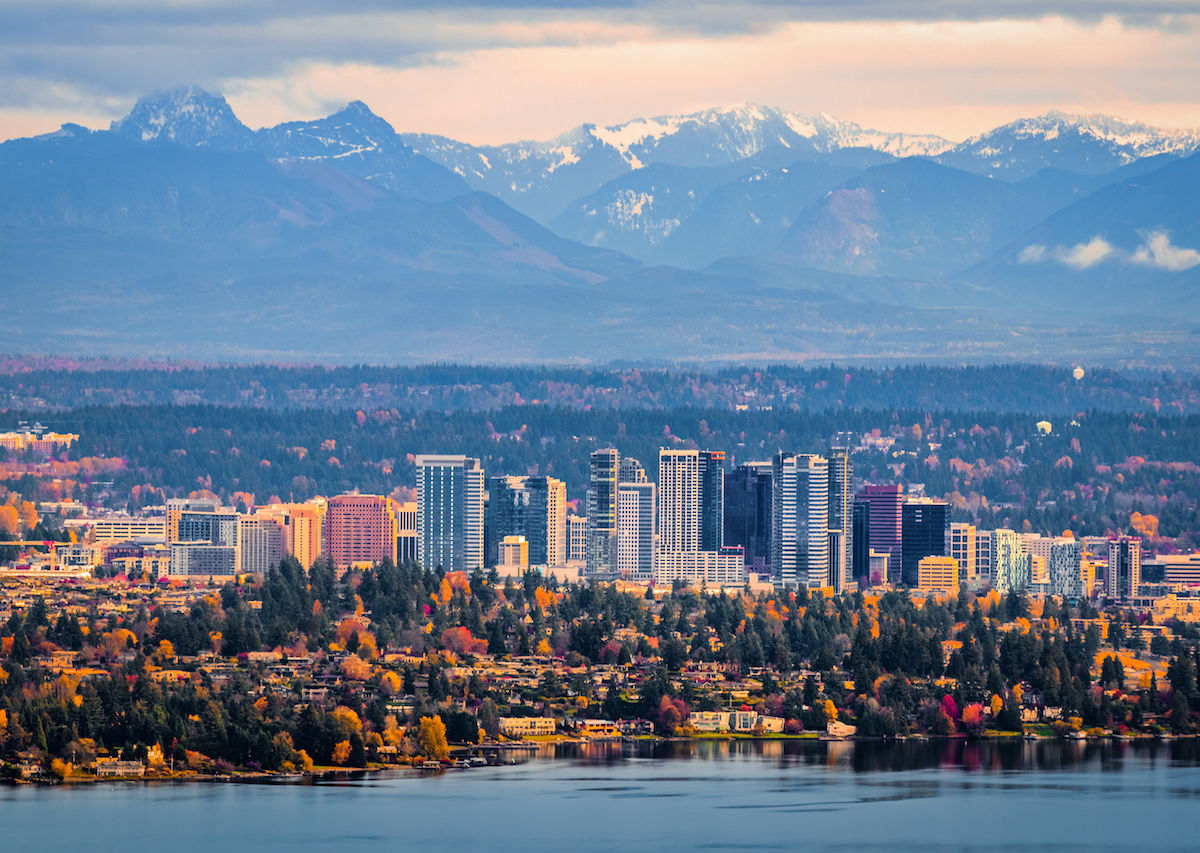
At their core, Seattle and Bellevue are separated by the vast expanse of Lake Washington. This geographical feature significantly influences the travel routes and times between the two. While geographically close as neighboring municipalities, the presence of the lake necessitates travel over bridges or through tunnels, which can be susceptible to congestion.
Distance Metrics
The most common way to measure the distance between Seattle and Bellevue is in terms of driving mileage and time.
- Driving Distance: The direct driving distance between downtown Seattle and downtown Bellevue is approximately 10 to 12 miles, depending on the exact route taken. This relatively short distance belies the potential for longer travel times due to traffic.
- Travel Time (Driving):
- Off-Peak Hours: During times with minimal traffic, such as late at night or early on weekend mornings, the drive can take as little as 15 to 20 minutes. This is when the short mileage truly shines.
- Peak Commute Hours: The morning commute from Bellevue into Seattle (typically 6:00 AM to 9:00 AM) and the evening commute from Seattle to Bellevue (typically 3:00 PM to 6:30 PM) are notorious for significant delays. During these periods, the drive can easily stretch to 45 minutes, an hour, or even longer, especially if there are incidents on the roadways.
- Weekend/Event Traffic: Major events in either city, or heavy weekend leisure travel, can also impact travel times, sometimes making them approach peak weekday commute durations.
Key Crossing Points
The primary means of traversing Lake Washington by car are the bridges. The most frequently used are:
- I-90 Floating Bridge (SR 90): This is often the most direct route between downtown Seattle and Bellevue. It is the world’s longest floating bridge and a marvel of engineering, though it is also a prime location for traffic slowdowns.
- SR 520 Floating Bridge: Another impressive floating bridge, SR 520 offers an alternative route, connecting parts of north Seattle to the Eastside (the colloquial term for the communities east of Lake Washington, including Bellevue). This bridge also experiences significant congestion.
Transportation Options and Their Impact
While driving is the most common method, various other transportation options can influence the perceived distance and the actual time it takes to travel between Seattle and Bellevue.
Public Transportation
King County Metro and Sound Transit offer public transit options that can be a viable alternative, especially for avoiding parking hassles and traffic stress.
- Bus Services: Numerous bus routes connect Seattle and Bellevue, often utilizing the I-90 and SR 520 corridors. Travel times by bus can be comparable to driving during peak hours, sometimes even longer due to multiple stops. However, they offer a cost-effective and potentially less stressful option. Planning your route using apps like OneBusAway or Google Maps is essential to gauge realistic travel times.
- Light Rail (Link Extension): The Sound Transit Link light rail system is expanding. While the East Link Extension is not yet fully operational for direct Seattle-to-Bellevue service as of early 2024, future phases will provide a direct, traffic-free connection. Currently, it’s possible to utilize the light rail for parts of the journey, connecting to bus services, but it requires transfers and may not be significantly faster than other methods for the entire trip. Keep an eye on Sound Transit updates for the full integration of light rail between the two cities.
Ride-Sharing and Taxis
Services like Uber and Lyft, as well as traditional taxis, operate extensively in the area.
- Flexibility: These services offer door-to-door convenience and can be booked on demand.
- Cost and Time: During peak hours, surge pricing can increase costs, and travel times remain subject to traffic conditions, similar to driving a private vehicle.
Cycling and Walking
While not practical for most commuters or tourists covering the entire distance, cycling and walking are options for shorter segments or for those seeking a more active way to experience parts of the route.
- Bicycle Infrastructure: The cities are investing in more bike lanes and paths, and there are dedicated paths along the SR 520 corridor that offer scenic views of Lake Washington. However, cycling the full 10-12 miles, especially during traffic, is a significant undertaking.
- Ferry Services: Currently, there is no direct public ferry service connecting downtown Seattle directly to Bellevue. However, Washington State Ferries operate routes across Puget Sound, and it’s possible to combine a ferry trip with other transit modes for a scenic, though longer, journey.
Strategic Planning for Your Visit
Understanding the distance and travel times is paramount for effective planning, especially when considering the distinct attractions and amenities each city offers.
Business Travel Considerations
For professionals attending meetings or conferences in Bellevue, particularly those based in Seattle, factoring in commute times is essential. Scheduling meetings outside of peak hours or opting for remote work/virtual meetings during high-congestion periods can save significant time and reduce stress. Many businesses in Bellevue have a significant presence in the tech industry, with companies like Microsoft headquartered nearby in Redmond.
Leisure Travel and Tourism
Tourists looking to experience the best of both cities will want to strategize their movements.
- Day Trips: Visiting Bellevue from Seattle for a day of shopping at Bellevue Square or exploring the Bellevue Botanical Garden is feasible. However, it’s wise to depart early in the morning or later in the afternoon to avoid the worst traffic.
- Accommodation Choices: If your primary interests lie in Bellevue’s modern amenities, upscale shopping, and family-friendly attractions, booking accommodation in Bellevue might be more convenient, allowing you to explore its offerings without daily commutes. Similarly, staying in Seattle is ideal for experiencing its iconic landmarks like the Space Needle, Pike Place Market, and its diverse neighborhoods.
- Exploring the “Eastside”: Bellevue serves as a gateway to other communities on the Eastside, such as Redmond (home to Microsoft and the Marymoor Park) and Kirkland (known for its waterfront and arts scene). Understanding the distances between these points and Seattle is part of a broader regional travel plan.

The Importance of Real-Time Information
Given the variability of traffic conditions, relying on real-time navigation apps like Google Maps, Waze, or Apple Maps is indispensable. These tools provide estimated travel times based on current road conditions and can suggest alternative routes to bypass congestion. Checking these apps before setting out, and even during your journey, will significantly enhance your travel experience between Seattle and Bellevue.
In conclusion, while the physical distance between Bellevue, Washington and Seattle is modest, the perceived distance is heavily influenced by the mode of transport and the ever-present traffic on the I-90 and SR 520 corridors. By understanding these factors and planning accordingly, travelers can seamlessly navigate between these two prominent Puget Sound cities and make the most of their visit to the region.
LifeOutOfTheBox is a participant in the Amazon Services LLC Associates Program, an affiliate advertising program designed to provide a means for sites to earn advertising fees by advertising and linking to Amazon.com. Amazon, the Amazon logo, AmazonSupply, and the AmazonSupply logo are trademarks of Amazon.com, Inc. or its affiliates. As an Amazon Associate we earn affiliate commissions from qualifying purchases.