
Embarking on a journey between two of America’s most iconic cities, Boston and New York City, promises an unforgettable adventure steeped in history, culture, and vibrant urban energy. Whether you’re a seasoned traveler seeking new experiences or planning your first East Coast exploration, understanding the distance, travel options, and highlights of each destination is crucial for a seamless trip. This comprehensive guide will not only pinpoint the exact distance but also delve into the various ways to traverse the route, offering insights into attractions, accommodation, and lifestyle choices that cater to every type of traveler. From luxury escapes to budget-friendly excursions, prepare to uncover everything you need to know about journeying between these two United States powerhouses.
The Distance and Geographic Context: Bridging the Northeast Corridor
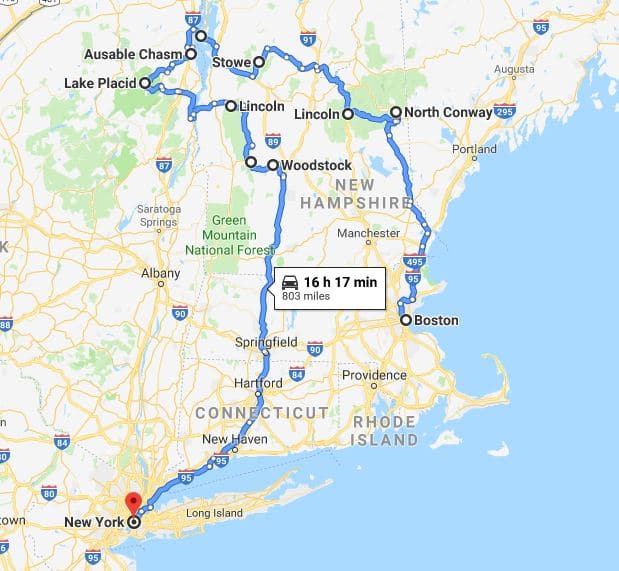
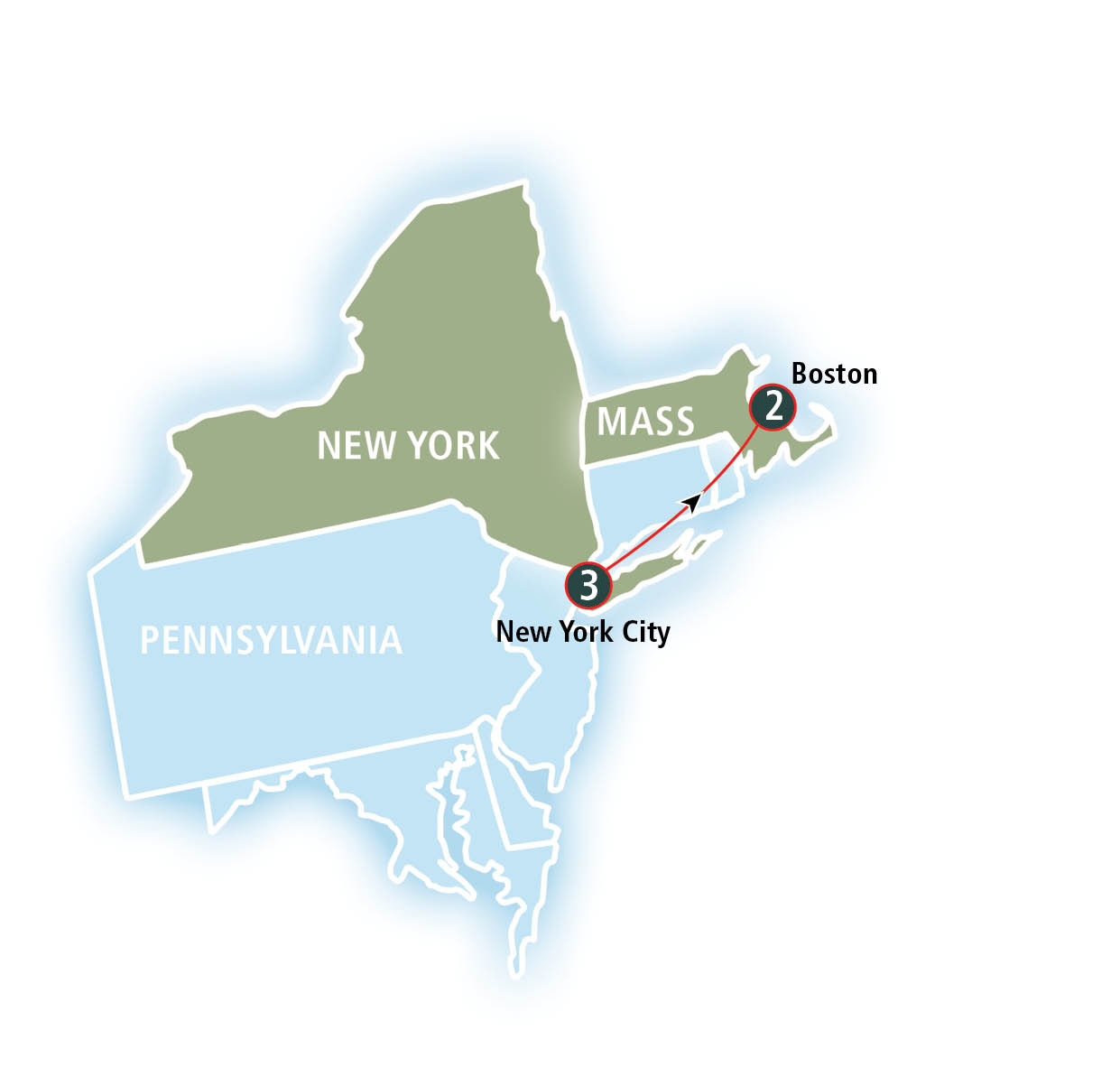
At its core, the question of “how far” between Boston and New York City relates to both geographic mileage and the time it takes to travel. These two metropolitan giants are located within the heavily trafficked Northeast Corridor of the United States, making them relatively close for inter-city travel compared to other distances across the vast country.
The approximate driving distance between downtown Boston and Manhattan, New York City, is around 215 to 220 miles (346 to 354 kilometers). This distance can vary slightly depending on your exact starting and ending points within each city and the specific route you take. When considering travel time, however, the distance is just one factor. Traffic conditions, chosen mode of transportation, and even weather can significantly impact the overall duration of your journey.
Geographically, Boston is situated in the state of Massachusetts, serving as the unofficial capital of New England and a hub of American colonial history. New York City, on the other hand, lies in the state of New York, renowned globally as a center for finance, culture, fashion, and media. The journey between them typically traces a path along the Atlantic seaboard, often following major highways or rail lines that connect other significant cities in the region. This proximity allows for convenient weekend getaways, business trips, or extended multi-city tours, making the Boston to New York City route a popular choice for both domestic and international travelers.
Modes of Transportation: Navigating Your Journey
Choosing the right mode of transportation between Boston and New York City is paramount to shaping your travel experience. Each option offers a unique blend of convenience, cost, comfort, and scenic appeal, catering to different preferences, budgets, and travel styles.
Traveling by Car: The Scenic Drive
Driving offers the ultimate flexibility, allowing you to set your own pace, make spontaneous stops, and explore charming towns along the way. The primary route typically involves taking I-95 South through Connecticut and into New York.
- Distance and Time: Approximately 215-220 miles. Without significant traffic, the drive can take around 3.5 to 4 hours. However, due to notorious congestion in both cities and along I-95, especially during peak hours, weekends, or holidays, this can easily extend to 5-6 hours or more.
- Pros: Freedom and flexibility, ability to carry more luggage, ideal for family trips or those with specific itineraries. Opportunity to explore hidden gems off the main highway.
- Cons: Potential for heavy traffic, tolls (especially in New York), parking difficulties and high costs in both cities, the stress of navigating unfamiliar urban areas. Fuel costs can also add up.
- Lifestyle Considerations: For those on a budget, carpooling or renting a car for a group can be cost-effective. For luxury travelers, a chauffeured service offers unparalleled comfort. Business travelers might appreciate the privacy for calls and work.
Taking the Train: Amtrak’s Acela and Northeast Regional
Train travel between Boston and New York City is a popular and often relaxing choice, bypassing the traffic and parking woes. Amtrak operates two main services on this route: the Acela Express and the Northeast Regional.
- Acela Express: This high-speed service is the fastest option.
- Time: Roughly 3 hours 30 minutes to 3 hours 50 minutes from Boston’s South Station to New York Penn Station.
- Pros: Fastest train option, comfortable seating, power outlets, Wi-Fi, often less crowded, ideal for business travelers seeking efficiency.
- Cons: Generally more expensive than the Northeast Regional or bus services.
- Northeast Regional: A more economical and frequent service.
- Time: Typically takes around 4 hours 15 minutes to 4 hours 45 minutes.
- Pros: More affordable, frequent departures, offers a good balance of speed and cost, often preferred for budget travel or those with flexible schedules.
- Cons: Slower than the Acela Express, can be more crowded.
- Lifestyle Considerations: Train travel is excellent for those prioritizing comfort and productivity. The ability to work or relax without the need to drive makes it appealing for business stays and stress-free vacations. First-class options on Acela provide a luxury travel experience.
Bus Travel: An Economical Option
For the budget-conscious traveler, bus services offer the most economical way to travel between Boston and New York City. Several companies, including Greyhound, Peter Pan Bus Lines, and various Chinatown buses, operate numerous daily routes.
- Time: Journey times vary, typically ranging from 4 to 5.5 hours, heavily dependent on traffic conditions, especially when entering and exiting the cities.
- Pros: Most affordable transportation option, frequent departures, often drops off at central locations within cities.
- Cons: Can be less comfortable than train or car, subject to significant delays due to traffic, fewer amenities compared to other modes, and can sometimes attract longer queues.
- Lifestyle Considerations: Ideal for budget travel, students, or flexible travelers who prioritize saving money over speed or premium comfort.
Flying Between the Cities: The Quickest Route
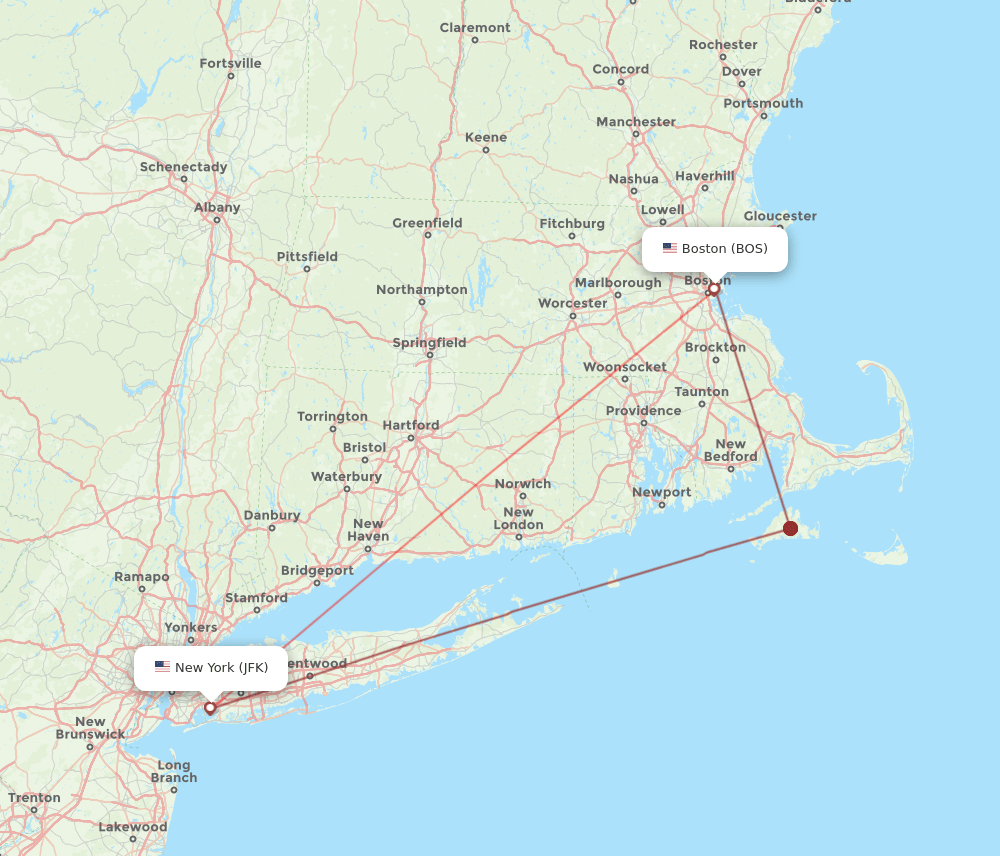
While the flight itself is short, the entire process of flying—including travel to and from airports, security checks, and boarding—often makes it less efficient for this specific route compared to train travel.
- Flight Time: Actual flight time is approximately 1 hour to 1 hour 15 minutes.
- Total Travel Time: When factoring in airport transfers (e.g., from Boston city center to Logan International Airport, and from JFK Airport, LaGuardia Airport, or Newark Liberty International Airport to Manhattan), security, and waiting, the total door-to-door time can easily extend to 4-6 hours or more.
- Pros: Fastest actual travel time, useful for connecting to longer flights, or if you have specific airline loyalty.
- Cons: Often the most expensive option, significant time spent at airports, environmental impact. Can be subject to weather delays.
- Lifestyle Considerations: Best suited for business travelers with tight schedules who might need to connect to other flights, or those who prioritize the flying experience, possibly as part of luxury travel. Not typically recommended for simple city-to-city travel between Boston and New York City due to the overall inefficiency.
Planning Your Trip: What to See and Do
Once you’ve decided on your mode of transport, the real fun begins: planning your itinerary. Both Boston and New York City are treasure troves of attractions, offering diverse experiences that cater to every interest.
Exploring the Big Apple: Iconic Sights in New York City
New York City is a megalopolis brimming with world-famous landmarks, vibrant neighborhoods, and an unparalleled cultural scene. A visit here is a journey through global arts, finance, and entertainment.
- Landmarks and Attractions:
- Statue of Liberty & Ellis Island: A quintessential New York experience, symbolizing freedom and immigration.
- Empire State Building & Top of the Rock: Iconic skyscrapers offering breathtaking panoramic views of the city skyline.
- Times Square: The dazzling heart of Broadway, famous for its billboards, theaters, and energetic atmosphere.
- Central Park: A sprawling urban oasis perfect for relaxation, picnics, and leisurely strolls.
- Metropolitan Museum of Art (The Met) & Museum of Modern Art (MoMA): World-class museums showcasing millennia of art and design.
- Brooklyn Bridge: Walk or bike across this historic bridge for stunning views of Manhattan and Brooklyn.
- Local Culture and Food: New York City’s culinary scene is as diverse as its population. From Michelin-starred restaurants for luxury dining to street food vendors and delis offering budget-friendly eats, there’s something for everyone. Explore neighborhoods like Chinatown for authentic Asian cuisine, Little Italy for classic Italian, or Greenwich Village for bohemian cafes and live music.
- Activities and Experiences: Catch a Broadway show, experience a New York Knicks or New York Yankees game, take a ferry to see the skyline, or simply wander through the vibrant streets of SoHo or West Village.
Discovering Beantown’s Charms: Boston’s Rich History and Culture
Boston, affectionately known as “Beantown,” offers a captivating blend of American history, vibrant academic life, and a charming New England atmosphere.
- Landmarks and Attractions:
- Freedom Trail: A 2.5-mile walking path through downtown Boston that connects 16 historically significant sites, including the Paul Revere House, Old North Church, and Bunker Hill Monument.
- Faneuil Hall Marketplace & Quincy Market: Historic marketplaces offering diverse food options, shops, and street performers.
- Boston Common & Public Garden: America’s oldest park and its adjacent Victorian garden, perfect for swan boat rides and leisurely strolls.
- Museum of Fine Arts (MFA) & Isabella Stewart Gardner Museum: Renowned art museums, offering vast collections and unique architectural beauty.
- Fenway Park: The historic home of the Boston Red Sox, a must-visit for sports enthusiasts.
- Local Culture and Food: Boston’s culinary scene is famous for its seafood, especially clam chowder and lobster rolls. Explore the North End, Boston’s oldest residential community, for authentic Italian dining. Don’t forget to try a Boston cream pie!
- Activities and Experiences: Take a Boston Tea Party Ships & Museum tour, stroll along the Charles River Esplanade, or explore the charming cobblestone streets of Beacon Hill. For sports fans, catching a Red Sox game at Fenway is an unforgettable experience.
Where to Stay: Accommodation Options
Both Boston and New York City boast an extensive range of accommodation options, from opulent five-star resorts to cozy boutique hotels and budget-friendly hostels. Your choice will depend on your travel style, budget, and desired amenities.
Hotels and Resorts: Comfort and Luxury
For travelers seeking comfort, luxury, or comprehensive amenities, both cities offer world-class hotels and resorts.
- Luxury Travel:
- New York City: Indulge in the grandeur of The Plaza Hotel overlooking Central Park, the timeless elegance of The St. Regis New York, or the refined experience at The Ritz-Carlton, New York, Central Park. These establishments offer top-tier service, exquisite dining, and often spa facilities.
- Boston: Experience sophisticated stays at the Four Seasons Hotel Boston, The Langham, Boston, or the Boston Harbor Hotel, many offering stunning city or water views and easy access to major attractions.
- Mid-Range and Business Stays: Numerous chain hotels like Marriott, Hilton, and Hyatt offer comfortable rooms, business centers, and fitness facilities, catering to both leisure and business travelers. Look for properties like Courtyard by Marriott or Fairfield Inn & Suites for reliable quality. Booking in advance, especially for popular travel dates, is always recommended.
- Amenities: Common amenities in these hotels include Wi-Fi, fitness centers, swimming pools, on-site restaurants, concierge services, and often pet-friendly policies. Many offer suites that are ideal for families or longer stays.
Alternative Stays: Apartments and Boutique Experiences
Beyond traditional hotels, a wealth of alternative accommodation options can enhance your experience, especially for long-term stays, family trips, or those seeking a more local feel.
- Apartments and Vacation Rentals: Platforms like Airbnb or VRBO offer apartments, lofts, and houses for rent in various neighborhoods. This is a fantastic option for families needing more space, travelers planning an extended stay, or groups wanting kitchen facilities.
- Boutique Hotels: Both cities feature charming boutique hotels that offer unique aesthetics, personalized service, and a distinct local character. These often provide a more intimate and memorable experience than larger chain hotels.
- Hostels and Budget Accommodation: For budget travelers, hostels provide an affordable solution, often with dormitory-style rooms but also private options. Hostel International Boston or HI New York City Hostel are popular choices, offering communal spaces that foster social interaction.
- Booking and Reviews: Always check reviews and compare prices across different booking platforms to find the best deals. Websites dedicated to accommodation comparison can be invaluable tools for securing your ideal stay.
Making the Most of Your Journey: Travel Tips and Lifestyle
To truly maximize your journey between Boston and New York City, consider these tips that blend practical advice with lifestyle preferences.
- Best Time to Visit: Spring (April-May) and Fall (September-October) offer pleasant weather and vibrant scenery, ideal for walking and outdoor activities. Summer can be hot and humid, while winter can be cold with snow, but both seasons have their own charm (e.g., holiday decorations in New York or cozy New England charm).
- City Passes: Consider purchasing a city pass (e.g., New York Pass, Boston CityPASS) if you plan to visit multiple attractions. These often provide significant savings and skip-the-line access.
- Public Transportation: Both cities have excellent public transportation systems. In New York, the subway is an efficient way to get around Manhattan and the outer boroughs. In Boston, the “T” (MBTA subway system) covers most major areas. Utilizing these systems is a key tip for budget travel and avoiding traffic.
- Food Tours and Local Experiences: For tourism enthusiasts and foodies, consider joining a local food tour to sample regional delicacies and learn about local culture. Websites like EatWith or LocalBites offer unique culinary experiences.
- Packing Essentials: Depending on the season, pack comfortable walking shoes, layers of clothing, and an umbrella. Both cities involve a lot of walking, so comfortable footwear is a must.
- Embracing Different Lifestyles: Whether you’re on a luxury trip, a budget-conscious adventure, or a family vacation, tailor your activities and accommodation.
- Luxury Travelers: Seek out fine dining, upscale shopping on Fifth Avenue in New York or Newbury Street in Boston, private tours, and stays at renowned five-star hotels.
- Budget Travelers: Utilize hostels, public transport, free attractions like parks and walking tours, and seek out affordable eateries.
- Family Trips: Look for hotels with family-friendly amenities (pools, connecting rooms), visit children’s museums, and plan activities like Central Park explorations or the Boston Children’s Museum.
- Business Stays: Prioritize hotels with strong Wi-Fi, meeting facilities, and convenient access to business districts.
In conclusion, the journey between Boston and New York City is much more than just a matter of miles. It’s an opportunity to dive into two distinct yet equally captivating urban landscapes. By understanding your options and planning accordingly, you can craft an itinerary that perfectly matches your interests, budget, and desired travel lifestyle, promising a rich and rewarding experience from start to finish.
LifeOutOfTheBox is a participant in the Amazon Services LLC Associates Program, an affiliate advertising program designed to provide a means for sites to earn advertising fees by advertising and linking to Amazon.com. Amazon, the Amazon logo, AmazonSupply, and the AmazonSupply logo are trademarks of Amazon.com, Inc. or its affiliates. As an Amazon Associate we earn affiliate commissions from qualifying purchases.