
The question of distance between two major New England cities, Boston and Providence, is a common one for travelers, commuters, and anyone planning an inter-city excursion. While seemingly close on the map, understanding the nuances of travel time, different modes of transportation, and the overall journey experience is crucial for efficient planning. This exploration delves into the geographical proximity and practicalities of traversing the approximately 50 miles that separate these two vibrant hubs, offering insights for a smooth and enjoyable trip.
The Direct Distance and Driving Routes
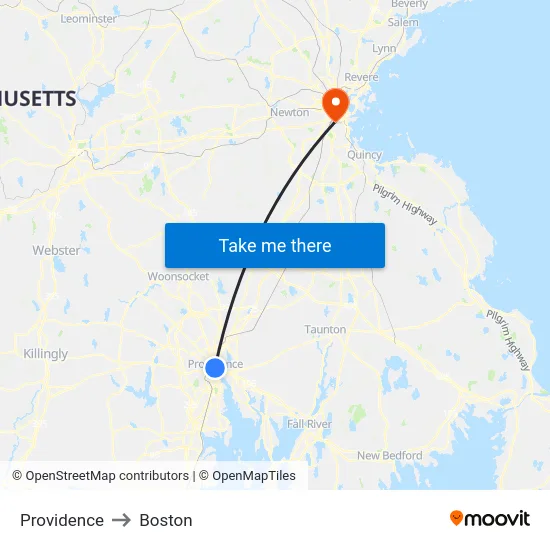
Geographically, Boston and Providence are situated approximately 50 miles apart. This distance, however, translates into varying travel times depending on the chosen route and, critically, traffic conditions. The primary driving route connecting the two cities is via Interstate 95 (I-95).
Navigating I-95 South
The most direct and commonly used route to drive from Boston to Providence is to take I-95 South. This interstate highway offers a relatively straightforward path, passing through several suburban towns in Massachusetts and into Rhode Island.
- Initial Departure from Boston: Depending on your starting point within Boston, you’ll typically need to access I-93 South or I-90 West to connect with I-95 South. Navigating Boston‘s intricate road network during peak hours can add significant time to the initial phase of your journey.
- The Drive: Once on I-95 South, the drive itself is generally scenic, though it can become congested, particularly around the Massachusetts-Rhode Island border and as you approach Providence.
- Estimated Driving Time: Under ideal conditions, with minimal traffic, the drive can take anywhere from 45 minutes to 1 hour. However, during rush hour (typically 7-9 AM and 4-6 PM on weekdays), this journey can easily extend to 1.5 to 2 hours, or even longer in the event of accidents or major road closures. It is always advisable to check real-time traffic updates before departing.
Alternative Routes
While I-95 is the most common, other routes exist, though they are generally slower and more complex. These might involve local roads and state highways, offering a more intimate view of the towns along the way but at the cost of increased travel time. For most travelers prioritizing efficiency, sticking to I-95 is the recommended approach.
Public Transportation Options
For those who prefer not to drive or wish to avoid the complexities of Boston’s traffic, public transportation offers viable and often stress-free alternatives for traveling between Boston and Providence.
Commuter Rail: MBTA and Amtrak
The Massachusetts Bay Transportation Authority (MBTA) Commuter Rail and Amtrak both operate services connecting Boston and Providence, providing reliable options for travelers.
- MBTA Commuter Rail (Providence/Stoughton Line): The MBTA offers frequent service on its Providence/Stoughton Line from Boston’s South Station to Providence’s Station Providence. This is a popular choice for daily commuters and day-trippers alike.
- Frequency: Trains typically run every hour or more frequently during peak times.
- Travel Time: The journey usually takes approximately 1 hour and 10 minutes to 1 hour and 20 minutes, offering a predictable travel duration largely unaffected by road traffic.
- Cost: Fares are generally affordable and can be purchased in advance or at the station.
- Amtrak (Northeast Corridor Line): Amtrak also provides service on its Northeast Corridor line, with routes connecting Boston’s Back Bay Station and South Station to Providence’s Station Providence.
- Speed and Comfort: Amtrak trains are generally faster and offer more comfortable amenities, such as Wi-Fi and spacious seating.
- Travel Time: The fastest Amtrak services can complete the journey in as little as 35-45 minutes, making it the quickest public transit option. However, some services may take longer, similar to the MBTA.
- Cost: Amtrak fares tend to be higher than MBTA fares, with prices varying based on the specific train and how far in advance you book.
Bus Services
Several bus companies operate routes between Boston and Providence, offering another budget-friendly alternative. Companies like Peter Pan Bus Lines and Greyhound provide services, often departing from South Station in Boston and arriving at the Intermodal Transportation Center in Providence. Travel times can vary significantly depending on the number of stops and traffic, often ranging from 1 to 2 hours.

Factors Influencing Travel Time
When considering the distance between Boston and Providence, it’s vital to acknowledge the elements that can significantly impact your journey time.
Traffic Congestion
Traffic is arguably the most significant variable in driving between these two cities. Boston is notorious for its traffic, especially during peak commute hours. The I-95 corridor can become heavily congested as commuters travel into and out of the city. Weekend traffic can also be a factor, particularly during holiday weekends or major event days in either city. Planning your departure to avoid these times can make a substantial difference.
Time of Day and Day of Week
As mentioned, weekdays during rush hour are the most challenging times to drive. Travel during midday on weekdays, or on weekends outside of major travel periods, will generally yield shorter travel times. For public transportation, while less affected by road traffic, schedules can vary, and weekend or off-peak service might be less frequent.
Weather Conditions
Inclement weather, such as heavy rain, snow, or fog, can dramatically slow down travel by any mode. Driving in poor weather conditions requires caution and patience, leading to longer journey times. Even public transportation can experience delays due to weather, though typically to a lesser extent than personal vehicles.
Choice of Transportation
The mode of transport chosen is a primary determinant of travel time. Driving offers flexibility but is subject to traffic. The MBTA Commuter Rail provides a reliable, albeit slightly longer, option. Amtrak offers the quickest public transit by rail, while buses present a budget-friendly, though potentially slower, alternative.
Planning Your Trip: Tips and Considerations
Successfully navigating the distance between Boston and Providence involves more than just knowing the mileage; it requires thoughtful planning to ensure a smooth and efficient journey.
Pre-Trip Preparation
- Check Traffic and Transit Status: Before you leave, consult real-time traffic apps (like Google Maps or Waze) if driving, or check the MBTA or Amtrak websites for any service alerts or schedule changes if using public transport.
- Book Tickets in Advance: For Amtrak, booking your tickets in advance can often secure better prices and guarantee a seat, especially during busy travel periods. For the MBTA, purchasing your ticket beforehand can save time at the station.
- Familiarize Yourself with Stations: If you’re new to the area, ensure you know the exact departure and arrival stations. Boston’s South Station and Back Bay Station are major transit hubs, and knowing which one to go to for your specific train or bus is essential. Similarly, Providence’s Station Providence is well-connected, but understanding its layout can be helpful.
On-the-Ground Logistics
- Parking in Boston: If driving to Boston to catch a train or bus, factor in the cost and availability of parking. Downtown Boston parking can be expensive and challenging to find.
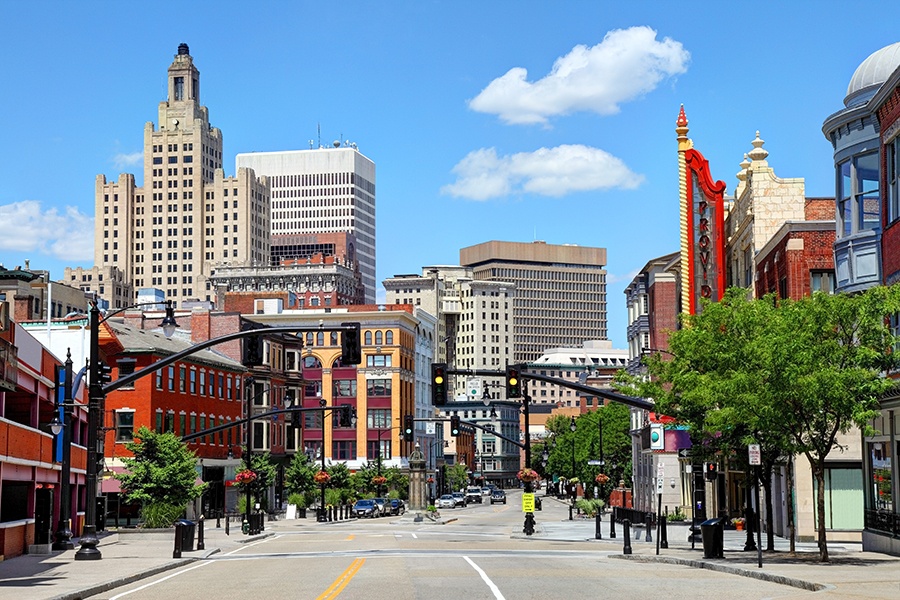
- Transportation in Providence: Upon arrival in Providence, consider how you will get to your final destination. Station Providence is located downtown, making it walkable to many hotels and attractions, but taxis, ride-sharing services, and the local bus system (RIPTA) are also available.
- Travel for Different Purposes: Whether you’re a tourist heading to explore Providence’s historic streets, a business traveler attending meetings, or a student visiting family, the timing and mode of your travel might differ. Leisure travelers might opt for a less rushed journey on the MBTA or even a scenic drive, while business travelers might prioritize Amtrak’s speed.
By understanding the various travel options, potential delays, and logistical considerations, your journey from Boston to Providence can be a seamless experience, allowing you to focus on enjoying what each city has to offer. The relatively short distance makes it an accessible trip, whether for a day excursion or a longer stay.
LifeOutOfTheBox is a participant in the Amazon Services LLC Associates Program, an affiliate advertising program designed to provide a means for sites to earn advertising fees by advertising and linking to Amazon.com. Amazon, the Amazon logo, AmazonSupply, and the AmazonSupply logo are trademarks of Amazon.com, Inc. or its affiliates. As an Amazon Associate we earn affiliate commissions from qualifying purchases.